





 Portuguese
  English
  Spanish
  4 min of reading


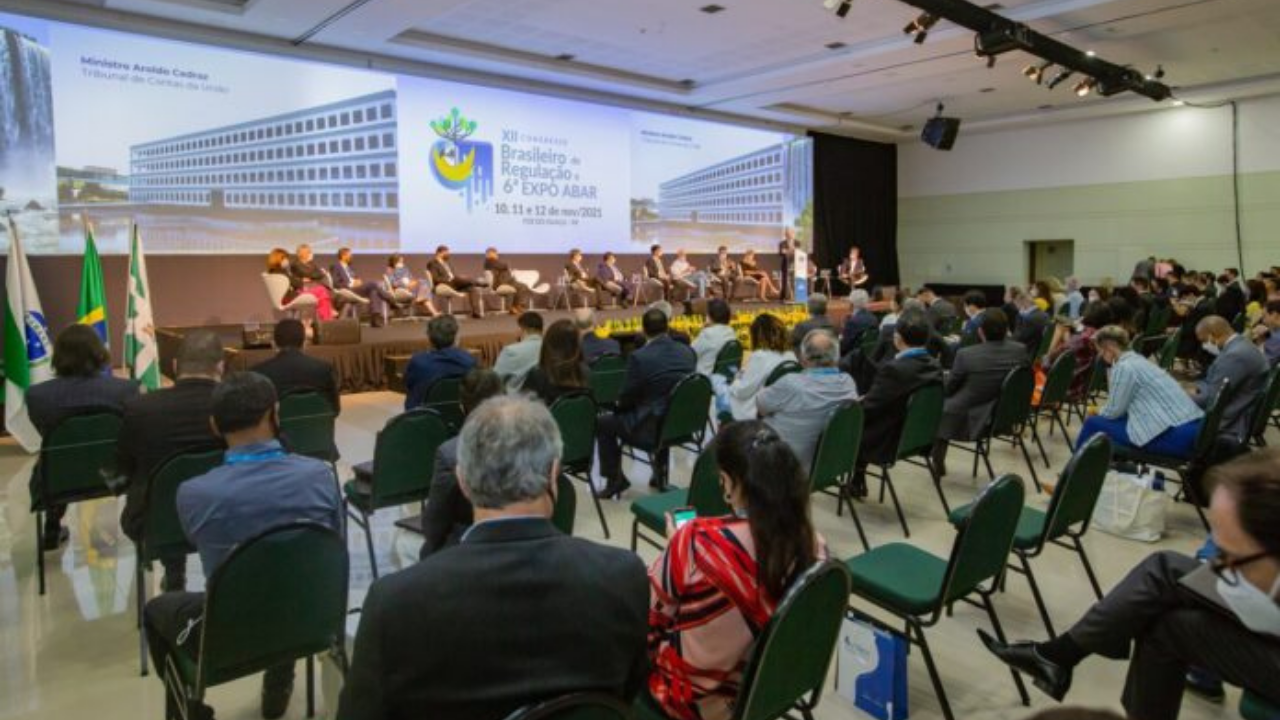
The XII Brazilian Regulation Congress, promoted by the Brazilian Association of Regulatory Agencies (ABAR), considered the most important meeting of the regulatory sector in the country, took place from November 10 to 12 in Foz do Iguaçu (PR).
The event brought together the main regulatory agencies in the country, concessionaires, and public service providers to discuss the challenges and investments in the infrastructure area, the impact on states, and the use of new clean fuels.
In recent years, a series of measures and new regulations have directly impacted the development of public policies and investments in Brazil, such as the New Gas Law. The New Gas Law, sanctioned in April of this year and proposing a revision of the regulatory framework of the sector, was prominently featured in the program of the XII Brazilian Regulation Congress.
You May Also Like These News:
- 132 job openings will be created and R$ 165 million will be invested in the construction of a new Eternit tile factory
- 4 online courses on entrepreneurship offered by FGV, Senai, and Sebrae that will help you when setting up your business
- Petrogotas Serviços expands its area of operation, increases its staff, and continues investing in equipment and labor in Macaé
- New technology created by Valmet using methanol can replace fossil fuels such as diesel, oil, and natural gas
In a special panel, the New Gas Law and its impact on states were discussed, featuring representatives from the National Agency of Petroleum, Natural Gas, and Biofuels (ANP), the Brazilian Association of Gas Distribution Companies (Abegás), the Ministry of Mines and Energy (MME), and the Infrastructure Secretariat of the State of São Paulo.
-
New escalation of tensions and oil crisis in the Middle East forces world powers to accelerate energy transition plans.
-
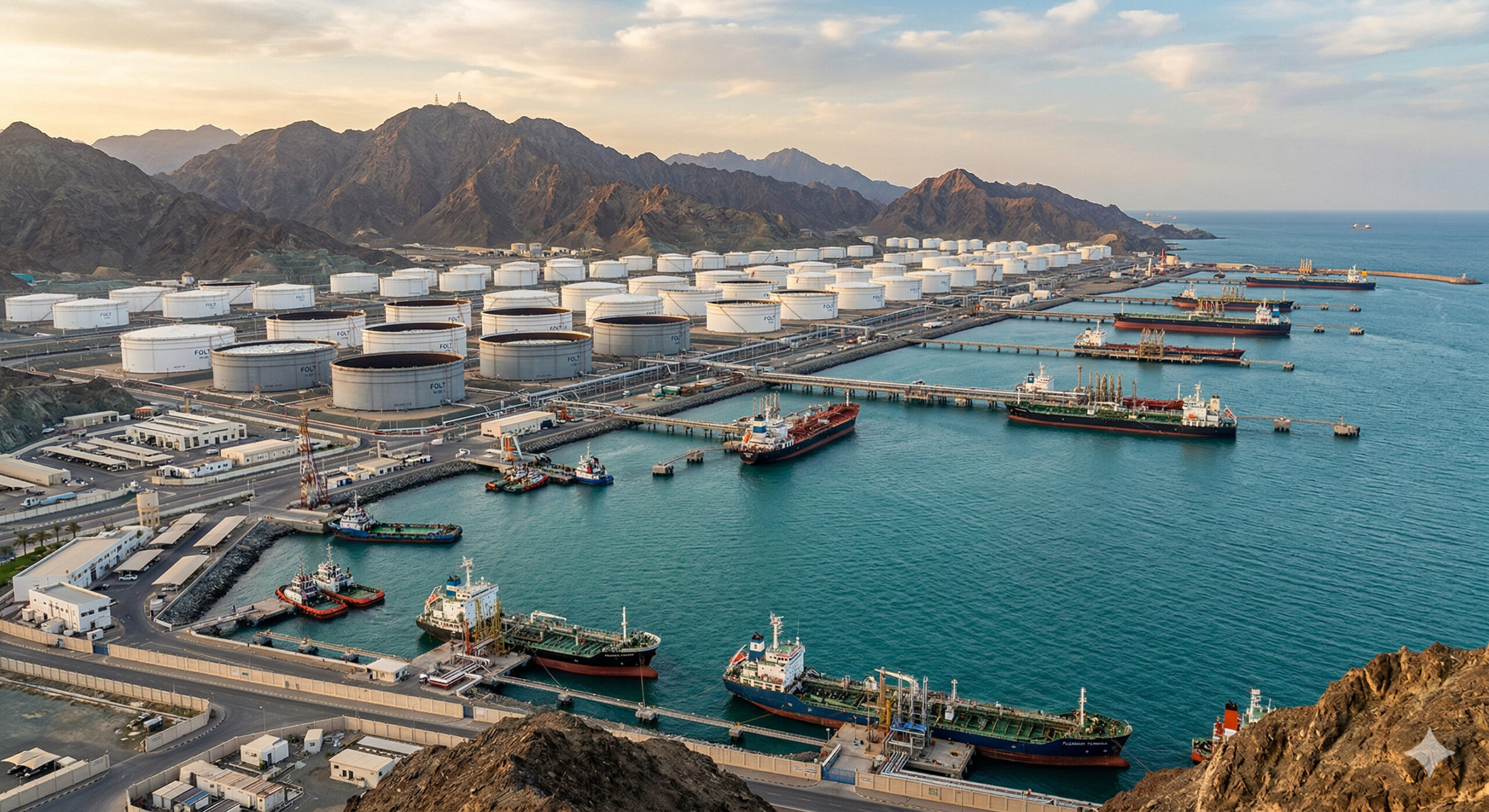
Giant reservoirs with a capacity of 18 million cubic meters have turned Fujairah into one of the largest energy vaults on the planet. This facility, located outside the Strait of Hormuz, stores oil on a colossal scale and has become a silent piece that supports the global flow of fuels.
-
The next exploration auction in the pre-salt will offer 23 blocks in the Campos and Santos basins and may change the interest of oil companies in Brazil.

-
The next exploration auction in the pre-salt will offer 23 blocks in the Campos and Santos basins and could change the interest of oil companies in Brazil.

Sector Experts Discuss Expansion and Best Practices in the Gas Market
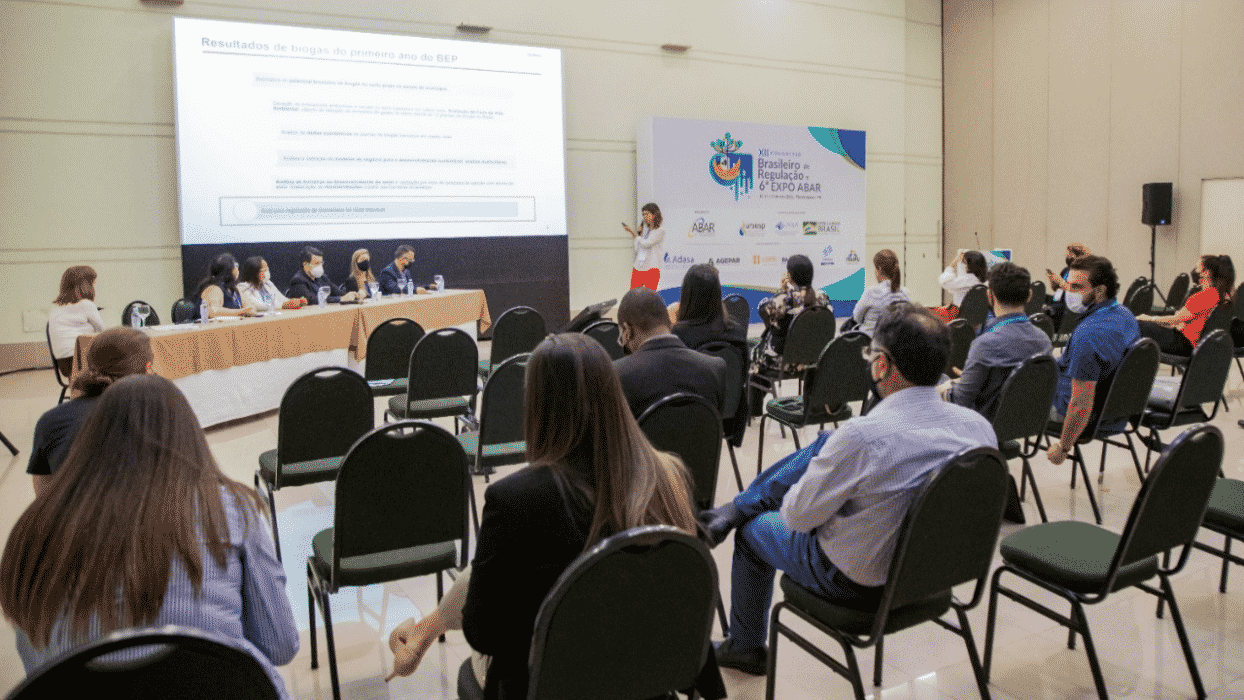
According to ANP Director, Ms. Symone Araújo, “the gas sector is second only to sanitation in complexity. At the same time, we are in a process of market opening with successive reforms. Without effective integration between federal and state regulation, we will not achieve the goals set out in the New Gas Law.” Furthermore, she stated that continuous engagement between the national agency and ABAR, as well as with state regulators, is necessary to understand how new actors have entered this market opening process.
Paula Campos, VP of Southeast and director of the Technical Chamber of Oil and Gas (CTGás) at ABAR, noted that creating a best practices manual for the sector is an example of how ANP and ABAR are working together to share information and references with other agencies in the country.
Having debated for over 2 years in the Technical Chamber, Ms. Paula Campos added that the goal of creating a specific regulatory policy is to open the market and reduce costs. Currently, 15 Brazilian states have their own regulatory entities, reflecting regional interest in a specific regulatory policy.
From the perspective of the director of the Natural Gas Department at MME, Mr. Aldo Barroso Cores Júnior, he considers that “This is a new moment for the gas market, as we previously had a state monopoly. Now, a new model is being built to allow consumers and suppliers to negotiate gas with each other quickly, as if they were switching phone operators. This was miles away from the reality of the past, but a structural reform of the entire chain still needs to be made, allowing other suppliers to enter the market.”
Sustainable Opportunity: Gas Extracted from the Pre-Salt and Biomethane – Known as “Caipira Pre-Salt”.
São Paulo state was a pioneer in Brazil in the distribution of piped gas to the private sector in 1999. Recently, the concession contract for Comgás was extended for another 20 years to maintain the fuel expansion policy.
According to the Infrastructure Secretary of the São Paulo Government, Mr. Marcos Penido, to make a short-term substitution in the energy matrix, gas is a great alternative to elevate the sector.
In addition to regulatory and infrastructure issues, the Congress also presented a panel showcasing cases about the use of biomethane.
Biomethane is a renewable energy source that is beginning to be used in Brazil, reducing production costs while also mitigating the negative impacts of waste on the environment. The fuel can be generated as a byproduct of sugarcane mills and from solid animal waste, such as pigs.
In the interior of São Paulo, biomethane is referred to as “caipira pre-salt,” due to the enormous production potential for biomethane that can be generated as a byproduct of sugarcane mills, as well as from solid animal waste, such as pigs.
In the short term, according to the estimate from the Infrastructure Secretary of the São Paulo Government, it is possible to generate 12.5 million m3/day of biomethane. “The industry is the anchor of the process, but we need to bring gas to the final consumer. The time to implement the transition of the economic matrix is now,” emphasizes Marcos Penido.







Seja o primeiro a reagir!