





 Portuguese
  English
  Spanish
  3 min of reading


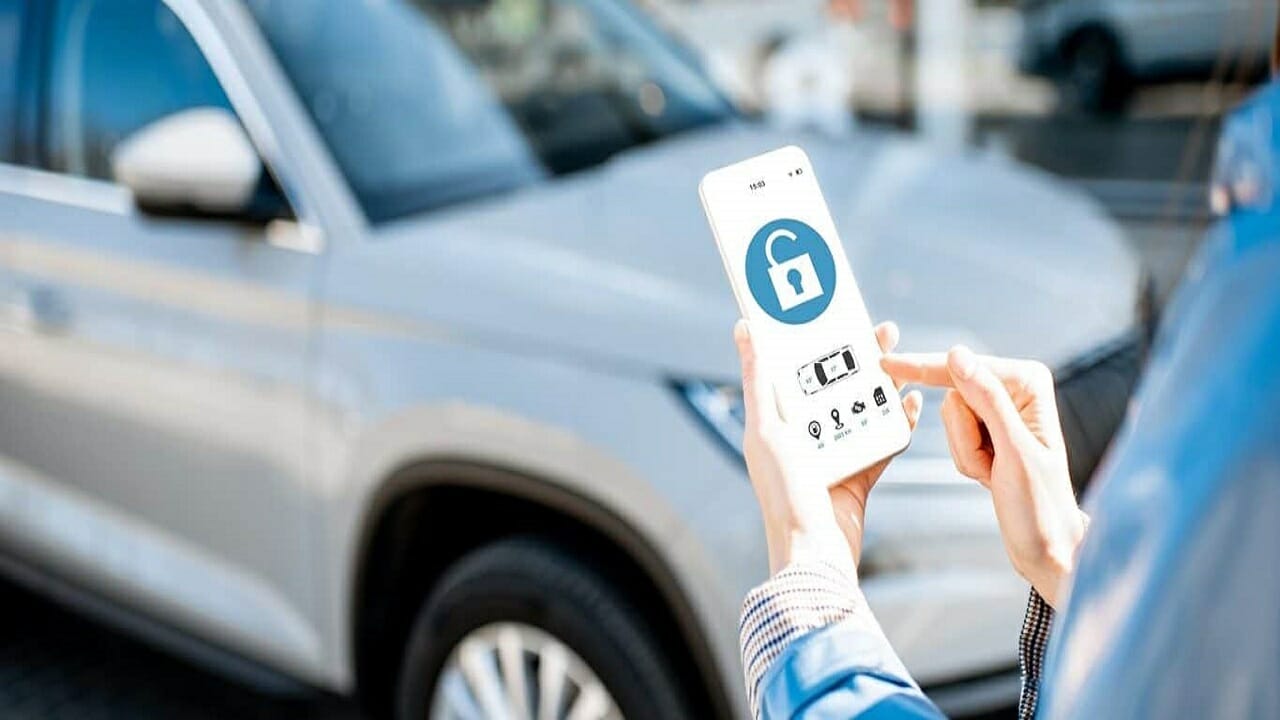
United States Develops Technology Capable of Locking Debtors’ Vehicles. This System to Block Vehicles Already Exists in Brazil, But Operates Differently.
A new technology is being developed that allows for the locking of vehicles in case of late payment of financing or other debts in the United States. The device can lock debtors’ vehicles even while in motion and also enables the location of the vehicle for possible retrieval by the financial institution.
New Technology to Lock Vehicles Already Exists in Brazil
The system used to lock debtors’ vehicles already exists in Brazil; however, it is used somewhat differently. In the country, the technology is primarily utilized by rental companies and car subscription services.
Companies allow the use of the vehicle during the contracted period, preventing use after that time if the service is not renewed. According to Ituran Mob’s CEO, Paulo Henrique Andrade, currently, 1,600 cars are already using the lock in Brazil, and the expectation is that this number will reach at least 3,000 units by the end of this year.
-
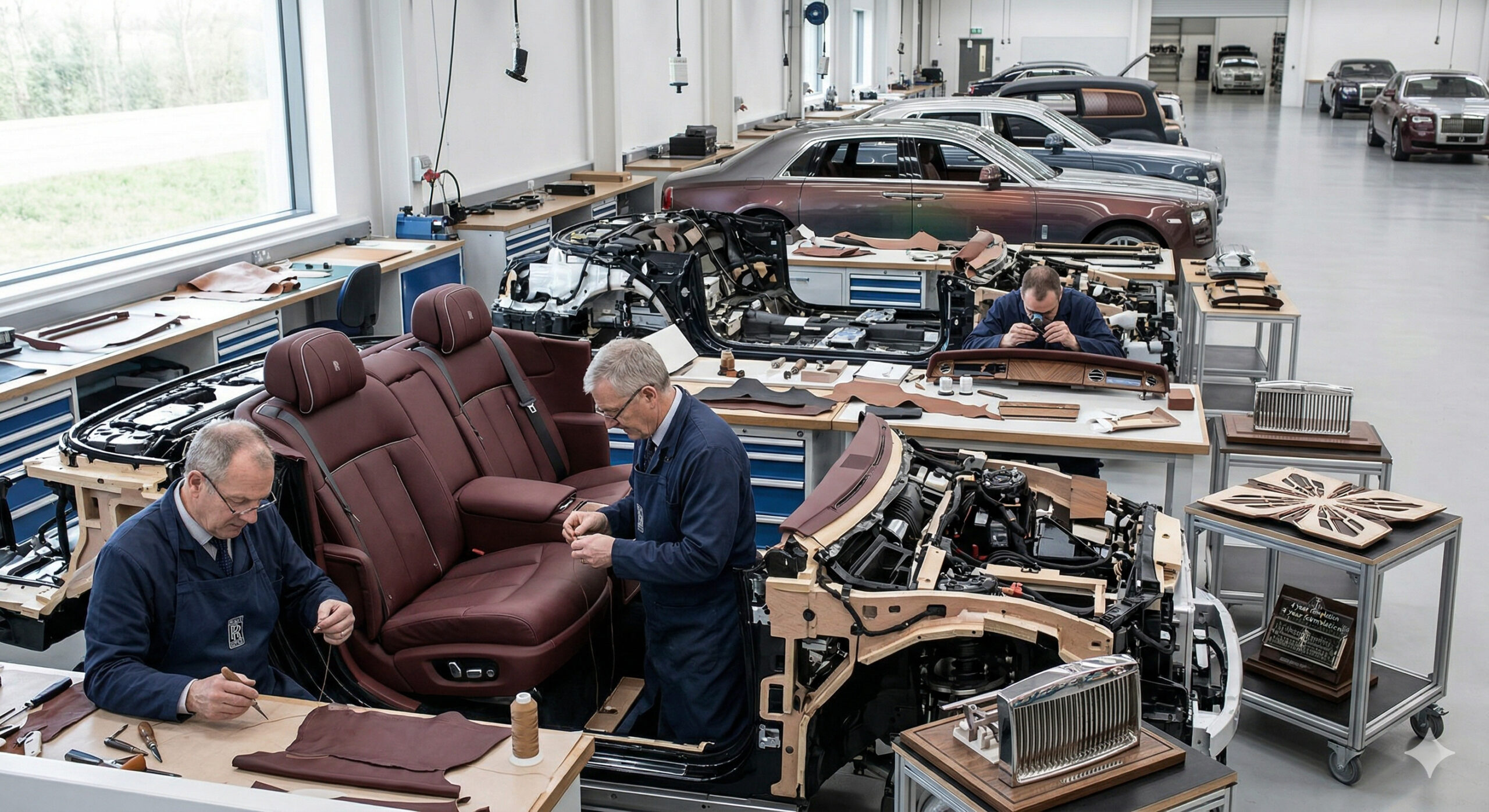
While much of the industry rushes to automate production, Rolls-Royce takes over 600 hours to hand-build each car in Goodwood and still accepts orders so complex that they can take up to four years to be completed.
-
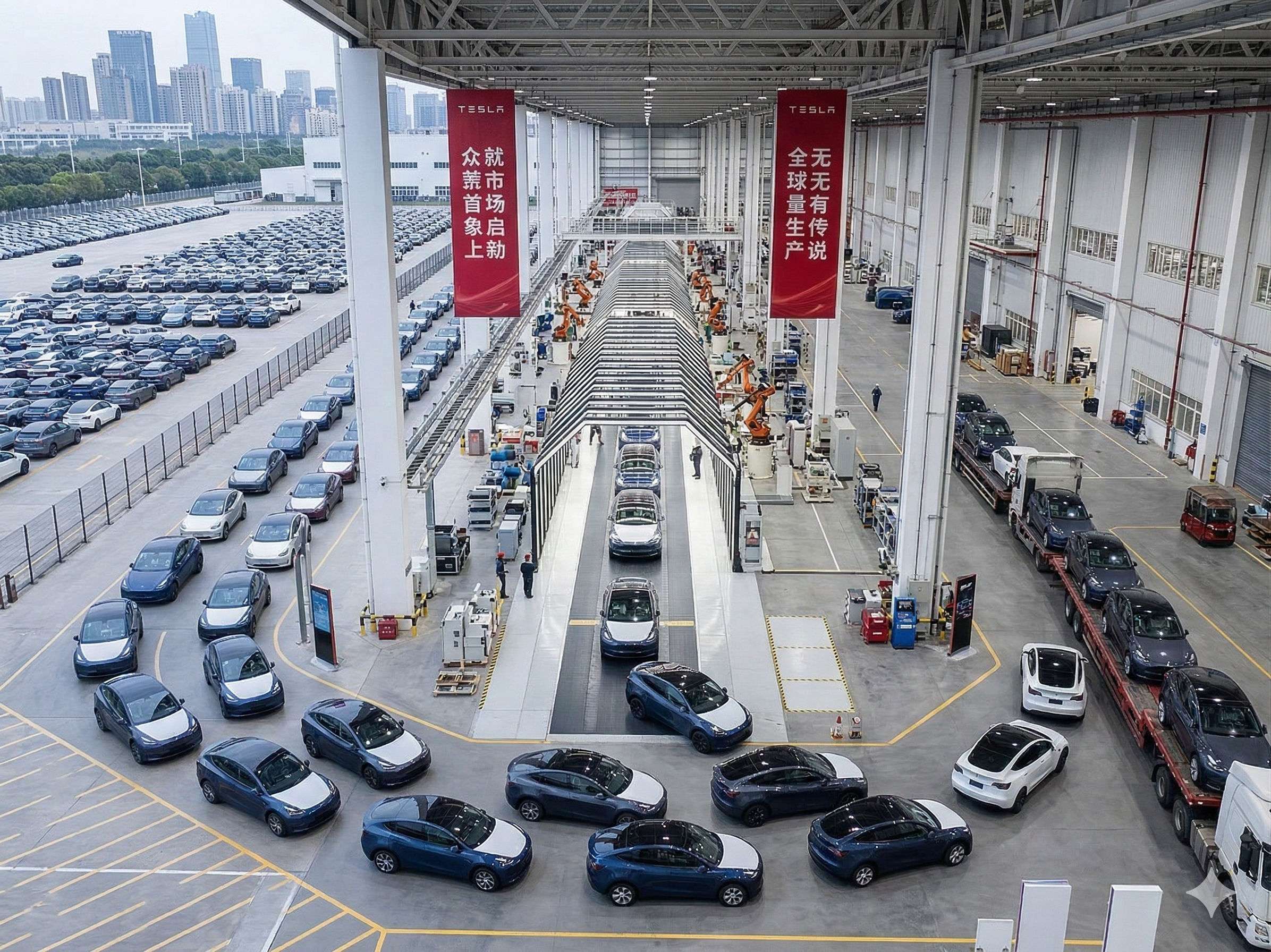
Smaller than the Model Y, lighter, with a single motor and designed to cost less than the current Model 3, Tesla’s new compact electric SUV is born in China and could seal the automaker’s return to the race for mass-market electric vehicles.
-
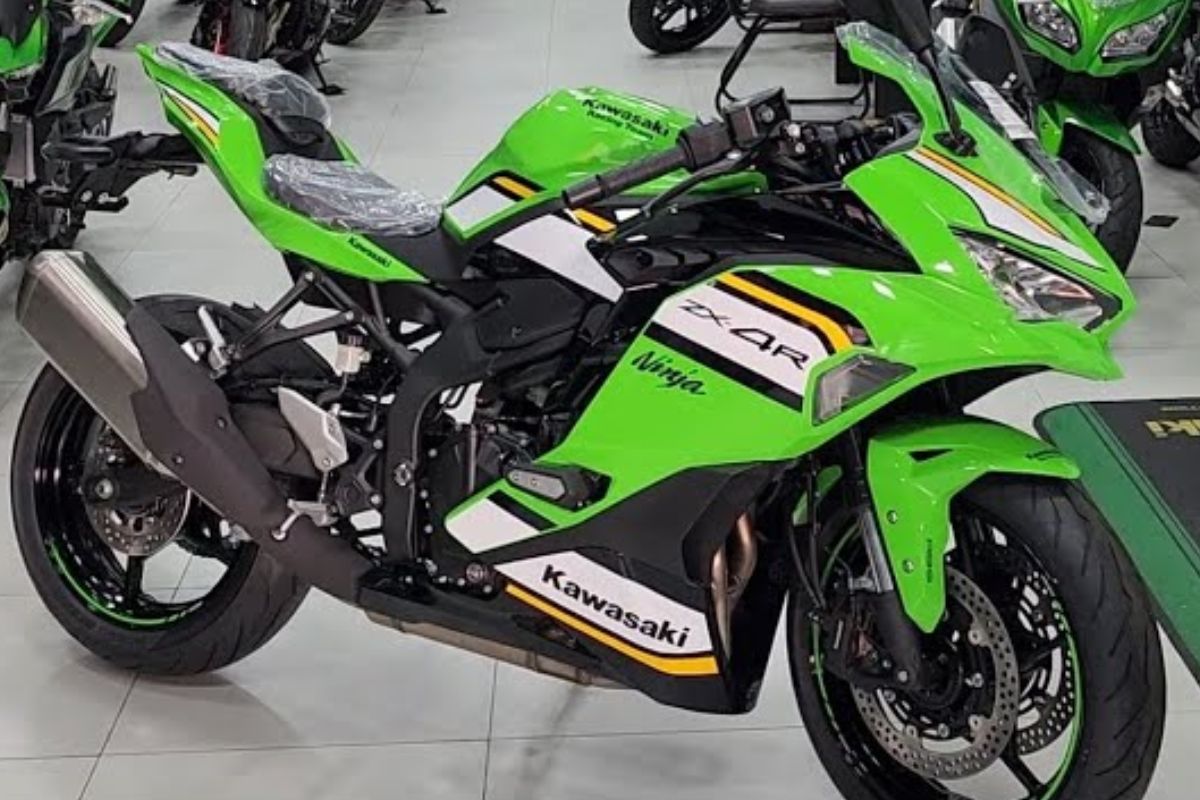
Kawasaki took the technology from its most brutal racing bikes, squeezed it into a 400cc 4-cylinder engine that revs to 15,000 RPM, and created the ZX-4R, a machine that shouldn’t exist in this displacement but is making experienced riders rethink everything they thought they knew about mid-range motorcycles.
-
The culture of cars that jump on the asphalt was born in the garages of Mexicans in the 1940s, was treated as a crime in the United States for decades, and has now become an official postage stamp of the American Postal Service in a twist that no one expected.

The system for locking vehicles also works for fleet management, enabling, through a smartphone app, the entire experience of subscribing or renting a vehicle. It is connected to the “black box” via encrypted Bluetooth, which, in turn, is connected to the vehicle through electromagnetic induction.
Through the smartphone screen, it is possible to reserve the car, unlock its doors, enable vehicle operation, lock the doors, end the trip, and process the payment for the rental or subscription. The technology also allows for rental contracts by month, week, day, and even by hour. The system is unique for each rental agency or subscription rental company.
Other Uses of Technology to Lock Debtors’ Vehicles
According to Andrade’s explanations, the possibilities of this technology can go even further. The executive states that it is possible, for example, to generate a report on how the driver operates the vehicle, as well as provide information on the average fuel consumption, how often the car is refueled, and the best time to perform maintenance on the model.
It is also possible to identify if there is any type of malfunction. Another possibility is to make it feasible for someone with a negative credit record to rent or even finance a vehicle when they have difficulty accessing credit.
In the U.S., the system to lock vehicles is seen as a form of assurance for recovering them in the event of default.
In the future, vehicle manufacturers like Ford are developing and researching ways to enable a debtor’s vehicle to drive itself to a dealership without the need for retrieval. However, it is necessary to develop laws that regulate such cases in each country.
Learn More About Ford’s Initiative
In March of this year, Ford filed a patent application for a new system that may allow the company to regain possession of an internet-connected car in case of default on financing payments by the vehicle owner. Ford applied for a patent for a system to control and reclaim vehicles from defaulters.
The patent application was filed in 2021; however, it has only come to light now. This system aims to create discomfort for owners who do not pay their vehicle installments on time.
The system begins with the interruption of GPS usage, annoying sounds, and air conditioning. If the bills remain unpaid, extreme measures by the manufacturer include the vehicle driving itself to tow.







Seja o primeiro a reagir!