





 Portuguese
  English
  Spanish
  4 min of reading
  0 comments


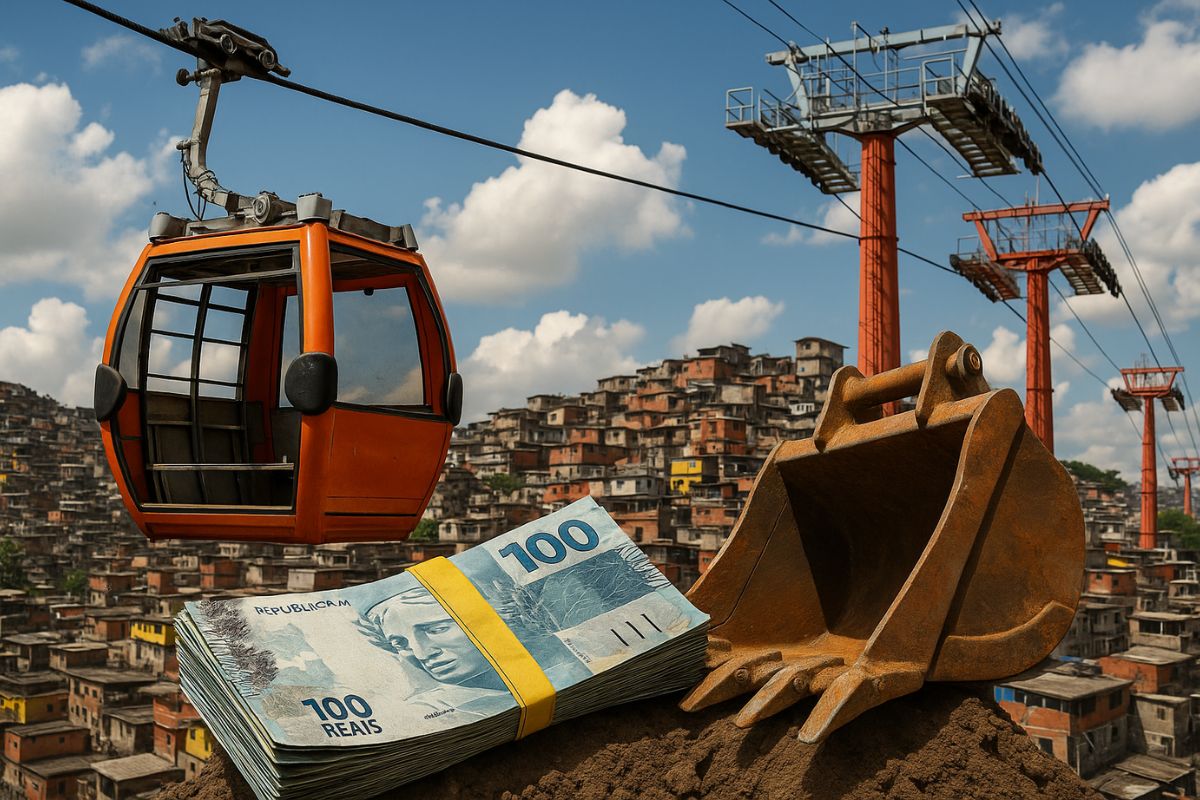
The Alemao Cable Car totals 3.5 km, five stations, and has already transported millions of passengers; after being inactive since 2016, it is undergoing a renovation estimated at R$ 115 million to try to resume operations
The Alemao Cable Car was inaugurated in 2011 as a mass transit by cable to shorten travel times in the Alemão Complex, connecting high areas to the Bonsucesso train station. The initial investment was R$ 210 million under the PAC program, with a layout of 3.5 km and five stations (Morro do Adeus, Baiana, Alemão, Itararé, and Palmeiras).
In 2016, the system was halted due to maintenance issues and cable deterioration and became inoperative for nine years. Starting in 2024/2025, the state government resumed works, including replacement of cables and components and operational adjustments, with an estimated cost of R$ 115 million, to enable tests and a possible reopening.
What Is the Alemao Cable Car and Who Does It Serve
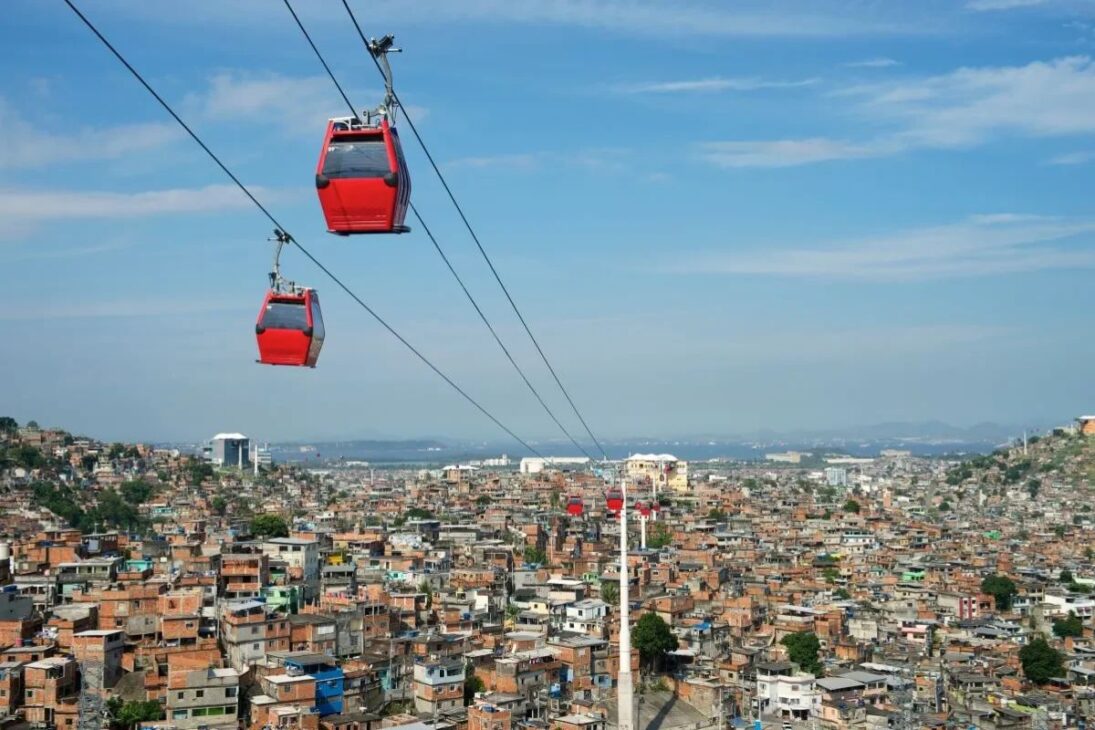
Created as a solution for mass mobility by cable, the Alemao Cable Car was designed to reduce travel times in steep and dense regions where buses face physical access limits.
-
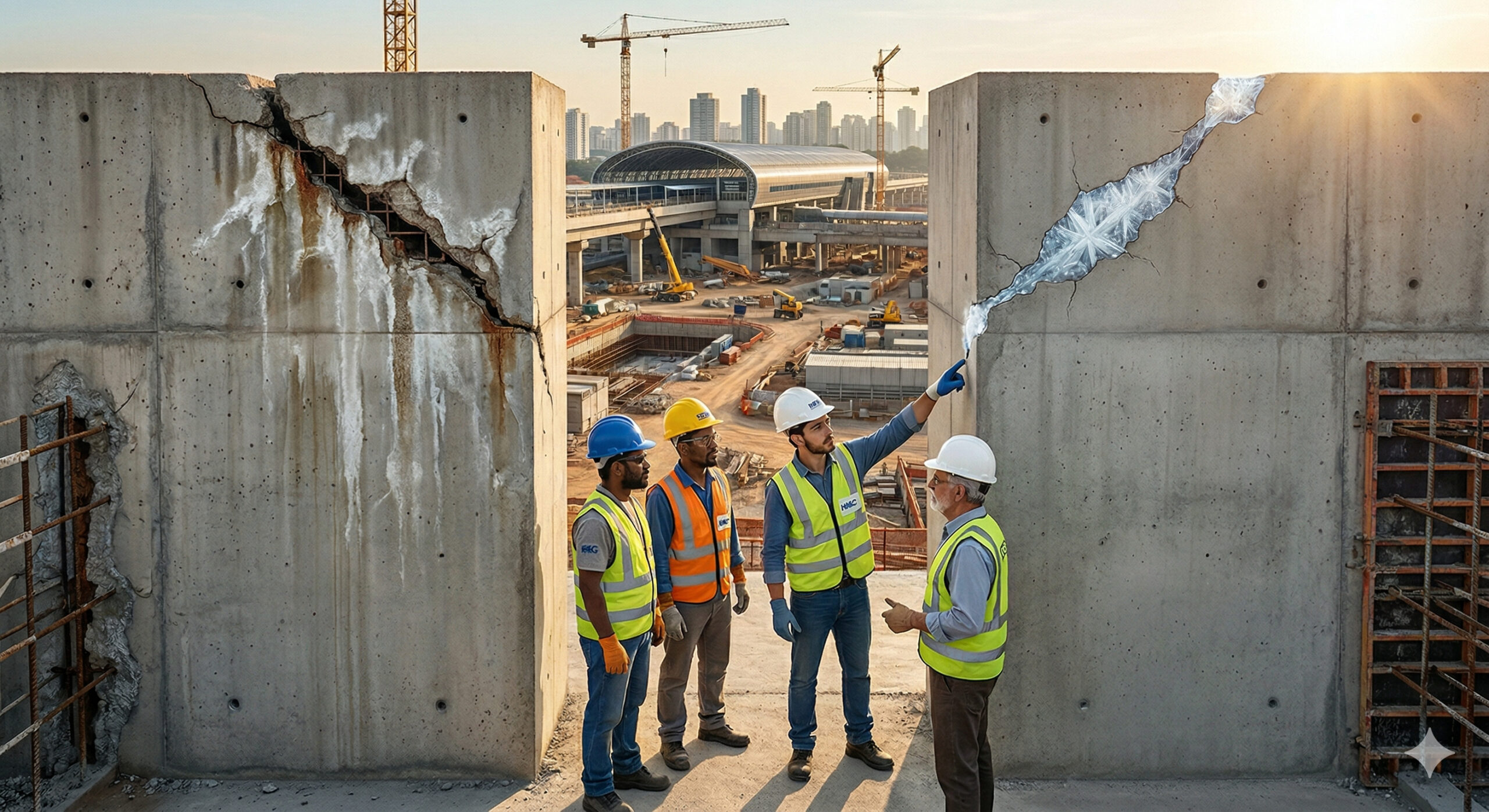
With a lifespan of up to 60 years and a cost up to 30% higher than conventional concrete, self-healing concrete is already being used in Brazil to eliminate leaks, reduce maintenance, and is changing the real cost of construction projects.
-
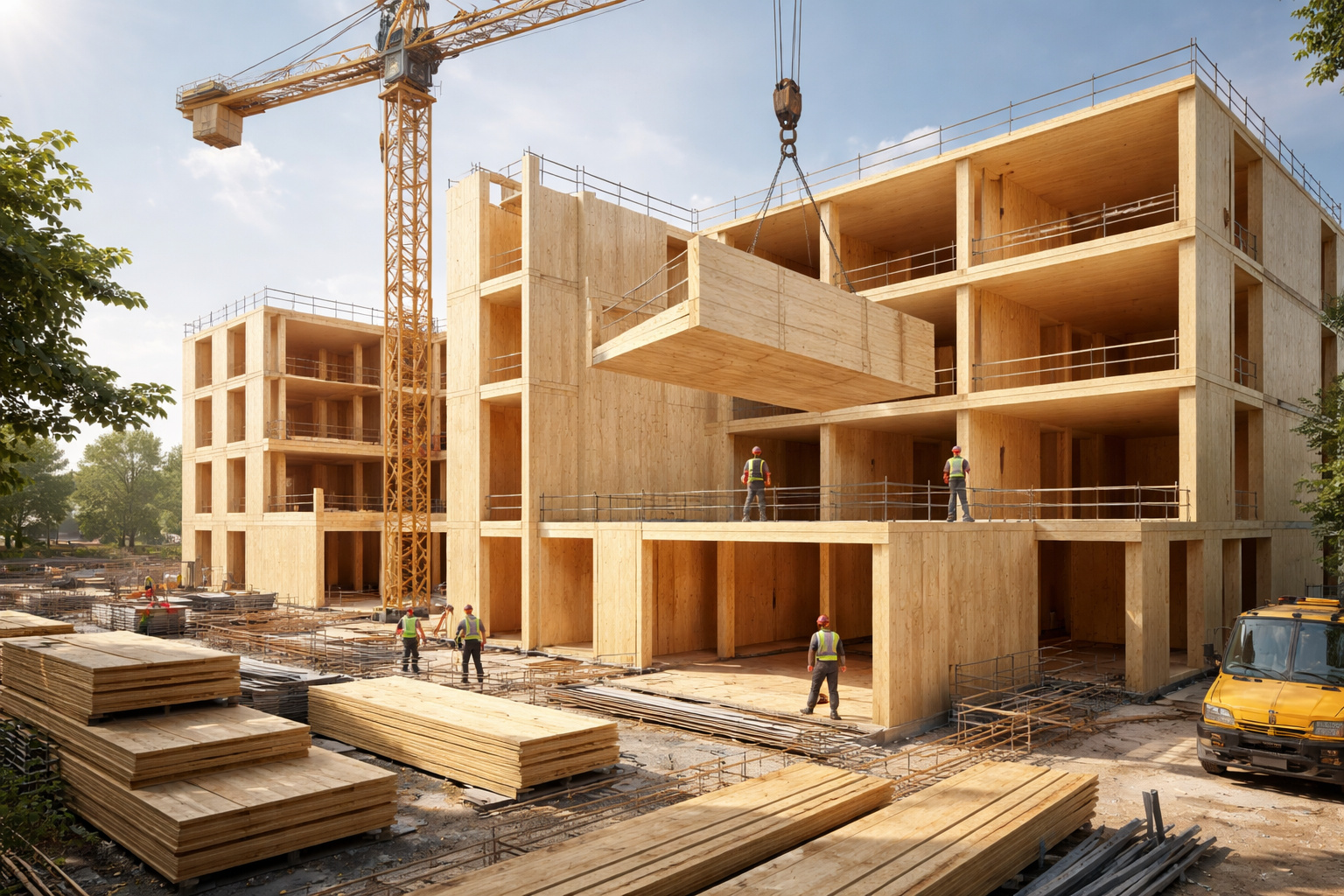
Engineered wood CLT challenges steel and concrete and promises construction that is up to 2x faster with a lower environmental impact in modern civil engineering.
-
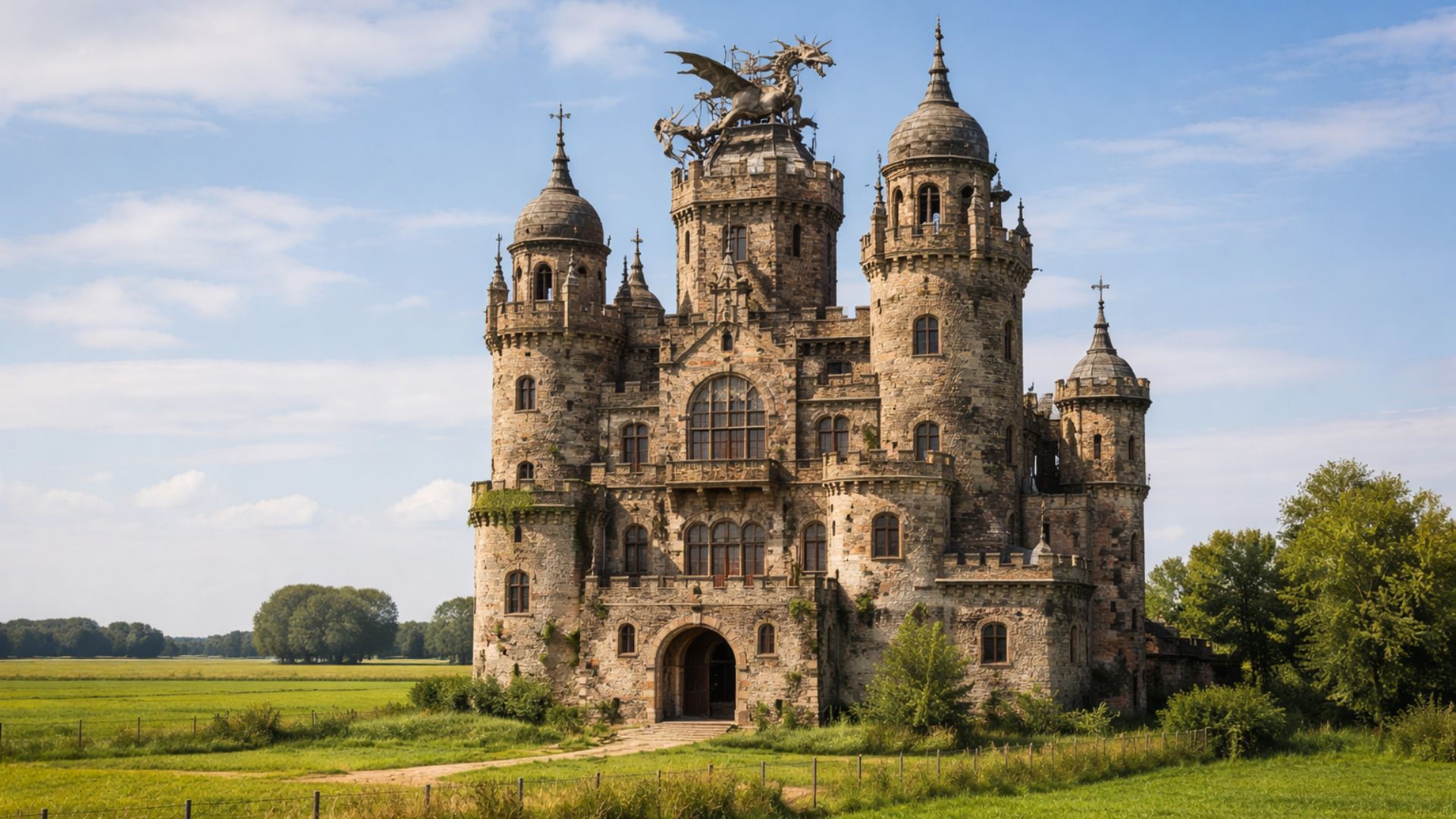
Video: Retiree builds 26-meter Roman castle in his backyard with pieces from dozens of countries, ornamental grates from Libya, and a dragon made of recycled metal.
-
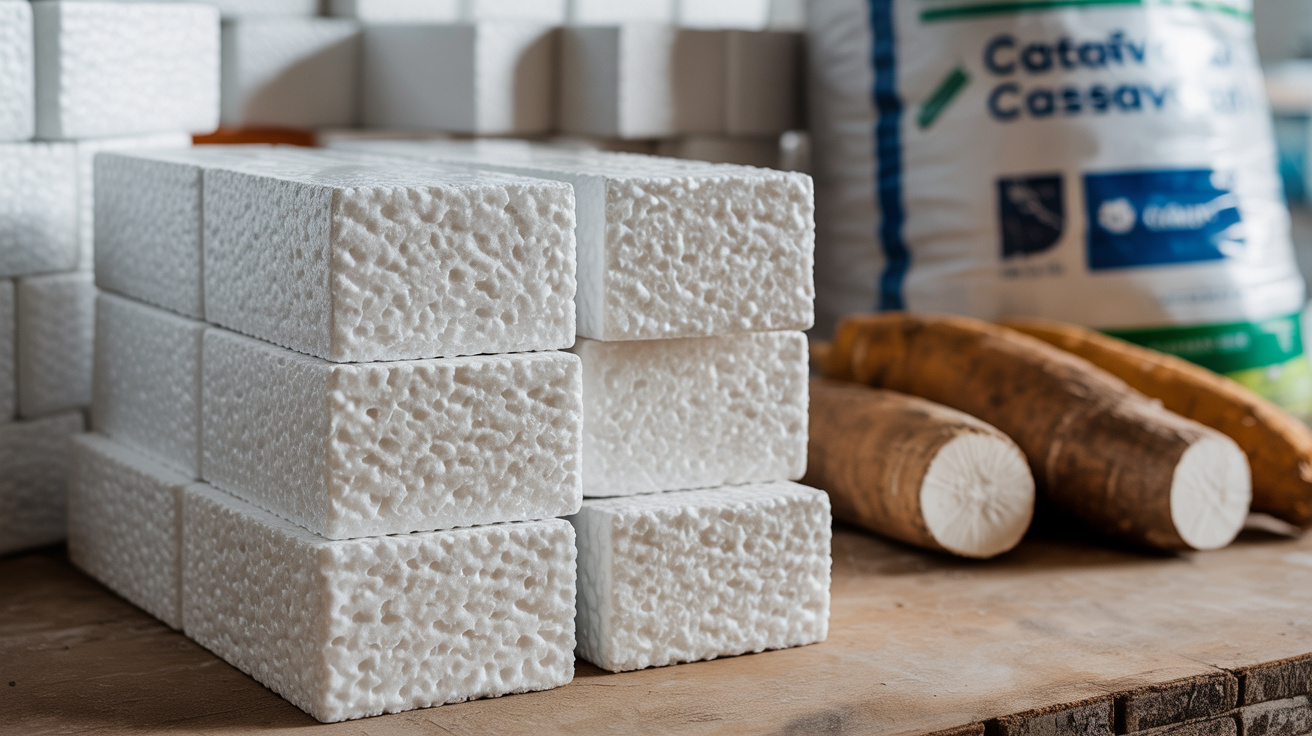
Bricks made with recycled Styrofoam and cassava glue cost R$ 0.40 and insulate walls, reducing internal temperature by 6°C using a technique that produces 50 units with just one 50 kg bag of cement.
The connection to the train expands the reach to other areas of Rio, shortening the home-to-work journey and improving access to public services.
At the peak of operations, the system transported about 10,000 people per day and, in its first years, accumulated millions of boardings.
For elderly residents, people with disabilities, and families with children, the cable car meant fewer walks uphill and greater predictability in commuting.
Line, Stations, and Capacity: How the System Was Designed
The main axis totals 3.5 km with five stations, distributing boarding along the hills and structural roads of the Complex.
The project prioritizes frequency and regularity, reducing the need for large terminals.
The operational logic is simple: cabins circulate continuously, allowing for quick boarding and integration with the train in Bonsucesso.
Although the Alemao Cable Car is not the first cable car in Brazil, it is the first designed as mass public transport by cable.
The technical difference lies in the purpose: daily service for residents, not just a tourist attraction.
Why It Stopped: Maintenance, Management, and Operating Costs
The stoppage in 2016 resulted from a combination of factors: insufficient maintenance, deterioration of the cables, and contractual and operational weaknesses that made daily operation costly.
Without robust scheduled revisions and a stock of critical parts, the cable car lost reliability until the complete suspension of service.
In addition to the initial CAPEX, cable systems require high OPEX (specialized technicians, inspections, insurance, energy, cable replacement).
Without budget predictability and clear governance, operations enter a cycle of interruptions, increasing total costs over time and eroding user confidence.
The R$ 115 Million Renovation: What Is Being Replaced and What Is the Schedule
The current recovery includes new steel cables, mechanical and electrical components, inspection of towers and stations, and safety updates.
A significant part of the budget has been allocated for the purchase and installation of cables and strategic parts, a basic requirement for dynamic testing and commissioning.
The planning includes static and operational tests, followed by assisted operation before commercial opening.
Without complete technical approval and a multi-year maintenance plan, the resumption should not occur.
The declared goal is to resume operations, but reliability will depend on the maintenance cycle and management model.
Social and Economic Impact: What Changes with the Return
The reactivation can reduce door-to-door travel times and relieve feeder buses, especially in the steepest sections.
With regularity restored, local commerce and services tend to gain traffic, revitalizing neighborhood economies and favoring jobs around the stations.
There is also a road safety and environmental effect: fewer trips by motorcycles on slopes and reduction of emissions per short trip.
For families combining cable car + train, the route becomes more competitive than individual modes, as long as the fare and integration are well calibrated.
Risks and Conditions for Success This Time
To avoid another collapse, three fronts need to be closed before inauguration:
Operation and maintenance (O&M) contract with clear goals, SLAs, and penalties for non-compliance. Without continuous O&M, the system will stop again.
Predictable budget for cable replacement (multi-year cycle), wear parts, and inspections. A cable car without earmarked funds becomes a costly inactive project.
Fare integration and operational integration with trains and buses, with protected transfer time and real-time information for users. Without integration, the time gain is lost in access.
Another point is the community: local coexistence committees help deter vandalism, guide usage, and preserve equipment. Social participation reduces custody costs and increases the asset’s lifespan.





-

Uma pessoa reagiu a isso.