





 Portuguese
  English
  Spanish
  4 min of reading
  1 comment


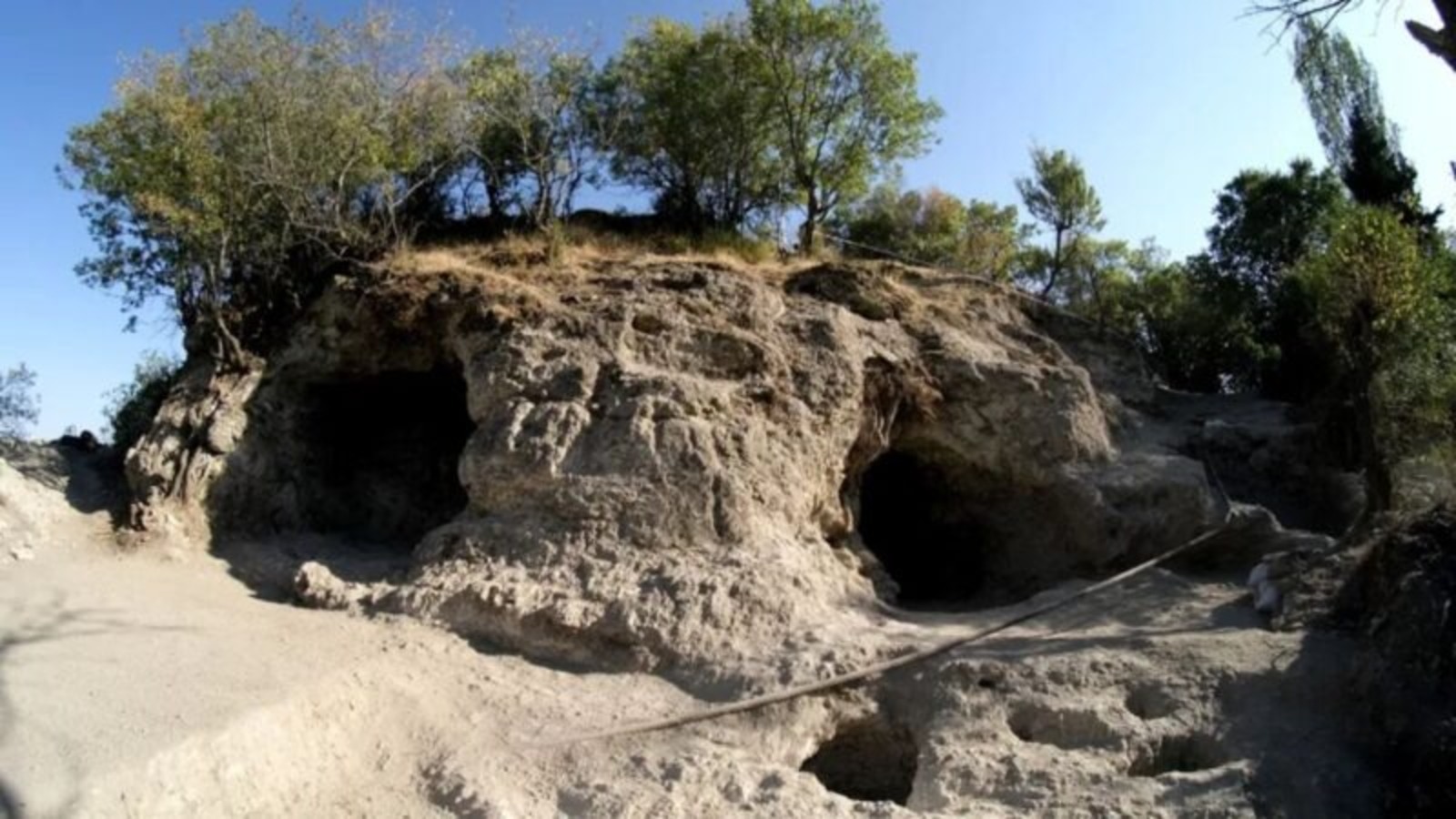

Archeologists from Pamukkale University Discovered, Near Denizli, a 2,700-Year-Old Phrygian Temple Carved into the Rock, with Sculptures, Offering Bowls, and Drainage Channels — Possibly Dedicated to the Mother Goddess Matar, Symbol of Fertility and Nature
Turkish archeologists revealed the discovery of an impressive temple, carved into the rock about 2,700 years ago, possibly dedicated to the mother goddess worshiped by the ancient Phrygians. The find occurred near the city of Denizli in western Turkey and was conducted by a team from Pamukkale University.
The structure combines rock art, drainage channels, and ritual objects, indicating a space heavily used for religious ceremonies.
Rituals and Sculptures in the Rock
The temple features a sacred cave, idols carved in stone, and bowls used in libations — rituals where liquids like wine, water, or oil were poured as offerings to the deities.
-
Scientists create a “molecular sponge” that transforms dirty water and even water from the Dead Sea into potable water using only sunlight and without consuming any electrical energy.

-
Chinese company creates solar cell that breaks the physical limit of silicon with 34.85% efficiency and promises to revolutionize electricity bills with panels that generate 20% more energy starting in 2026.

-
For the first time in over half a century, humans have seen the Moon up close and returned to tell the tale, and the technology that brought them back makes Apollo look like a toy.

-
From 1969 to 1972, only 12 human beings set foot on the Moon, and then the world simply stopped going, until this week when NASA showed that the journey back has finally begun.

According to researchers, the two idols were directly carved into the rock walls and arranged among fixed structures.
The site also has carefully shaped channels, showing that the temple was used repeatedly, perhaps by entire groups, in rituals of thanksgiving or supplication.
Moreover, the architectural ensemble indicates symbolic planning. The combination of figures, libation vessels, and channels suggests a complex religious experience focused on communication with the divine.
The Kingdom of Phrygia and the Cult of the Mother Goddess
The temple is associated with the Phrygian period, a civilization that thrived in Anatolia between the 12th and 7th centuries BC. The Phrygians exerted a strong influence over neighboring peoples, especially through their religious beliefs.
The main deity of the Phrygian pantheon was the goddess Matar, later known to the Greeks and Romans as Cybele.
She represented fertility, nature, and primordial power. Her cult spread widely, surviving even after the end of the Phrygian kingdom as a political powerhouse.
Therefore, archeologists believe that the temple discovered in Denizli served as a spiritual center dedicated to this deity, reinforcing the tradition of temples located in mountainous and isolated areas.
A Sanctuary in Nature
The location of the archaeological site follows a common pattern among the Phrygians: the construction of sanctuaries distant from cities, in mountainous regions, where contact with nature reinforced the sacred character of the worship.
For archeologists, the central cave had a crucial symbolic role. It functioned as a link between the human and spiritual worlds, representing the womb of the goddess and the origin of life.
The wear of the sculptures, however, prevents a precise identification of the figures.
Even so, comparisons with other Phrygian sites — such as the City of Midas — reveal striking similarities in the style of the representations and the organization of the worship spaces.
Evidence and Doubts
The dating of the temple, estimated between the 8th and 6th centuries BC, coincides with the peak of Phrygian influence in the region. This timeline reinforces the hypothesis that the sanctuary was part of a network of temples dedicated to the mother goddess.
However, the absence of inscriptions or texts prevents definitive conclusions about which deity was worshiped there.
Without these direct proofs, specialists base their interpretations on architectural and iconographic comparisons with other known temples.
Still, the find is considered of great historical relevance, as it broadens understanding of how ancient peoples organized their rituals and beliefs.
Each new temple discovered helps to fill gaps about how ancient civilizations expressed their spirituality.
Preservation and New Excavations
Researchers claim that the Denizli site could become a reference for future studies on religion and Phrygian rock art.
The region, rich in geological formations and ancient ruins, is expected to attract attention from new teams and preservation projects.
The team also hopes that the discovery will stimulate local cultural tourism, highlighting the historical value of Anatolia as the cradle of millennia-old civilizations.
Remains of liquids found in the bowls may, in the future, reveal details about the types of substances used in the offerings.
This analysis could confirm practices described at other sites and offer new clues about the significance of the rituals performed in that sacred space.
Thus, the 2,700-year-old temple not only sheds light on ancient Phrygian devotion but also reinforces the connection between faith, art, and nature that characterized one of the most enigmatic cultures of antiquity.
With information from Aventuras na História.








I must say this article is extremely well written, insightful, and packed with valuable knowledge that shows the author’s deep expertise on the subject, and I truly appreciate the time and effort that has gone into creating such high-quality content because it is not only helpful but also inspiring for readers like me who are always looking for trustworthy resources online. Keep up the good work and write more. i am a follower.