





 Portuguese
  English
  Spanish
  3 min of reading


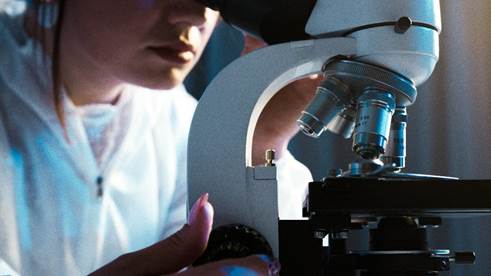
The Project Aims to Transform the Byproducts of the Copper Production Chain into Nanotechnology Solutions for Practical Applications in Different Industrial and Domestic Scenarios
Termomecanica, the national leader in copper and its alloys processing, through its Research and Development Testing Center (CPDE), has established an agreement with the Materials Innovation Center (CIM), a unit that is part of the Embrapii network (Brazilian Company of Research and Industrial Innovation), of the Federal University of São Paulo (Unifesp), with the aim of transforming the byproducts of the copper production chain into nanotechnology solutions for practical applications in different industrial and domestic scenarios. Lasting 19 months, the project began in May, under the guidance of faculty researchers and students.
The partnership represents the practice and strengthening of some of Termomecanica’s guidelines, such as the pursuit of continuous improvement and social and environmental responsibility. “We have always been recognized for valuing Research and Development actions and we are having an excellent opportunity to take another step forward in this theme,” states the Coordinator of the Research, Development and Testing Center at Termomecanica, Márcio Rodrigues.
Practical Applications of Copper Nanoparticles
Rodrigues emphasizes that the changes in the value chain of copper byproducts bring a series of possibilities. “Copper is a very versatile material and well-known for its microbicidal activity, in addition to its role in enzymatic pathways. We hope that this research will contribute to the already known scientific subsidy regarding the biocidal characteristics on different pathogens, but also delve into other aspects,” he explains.
-
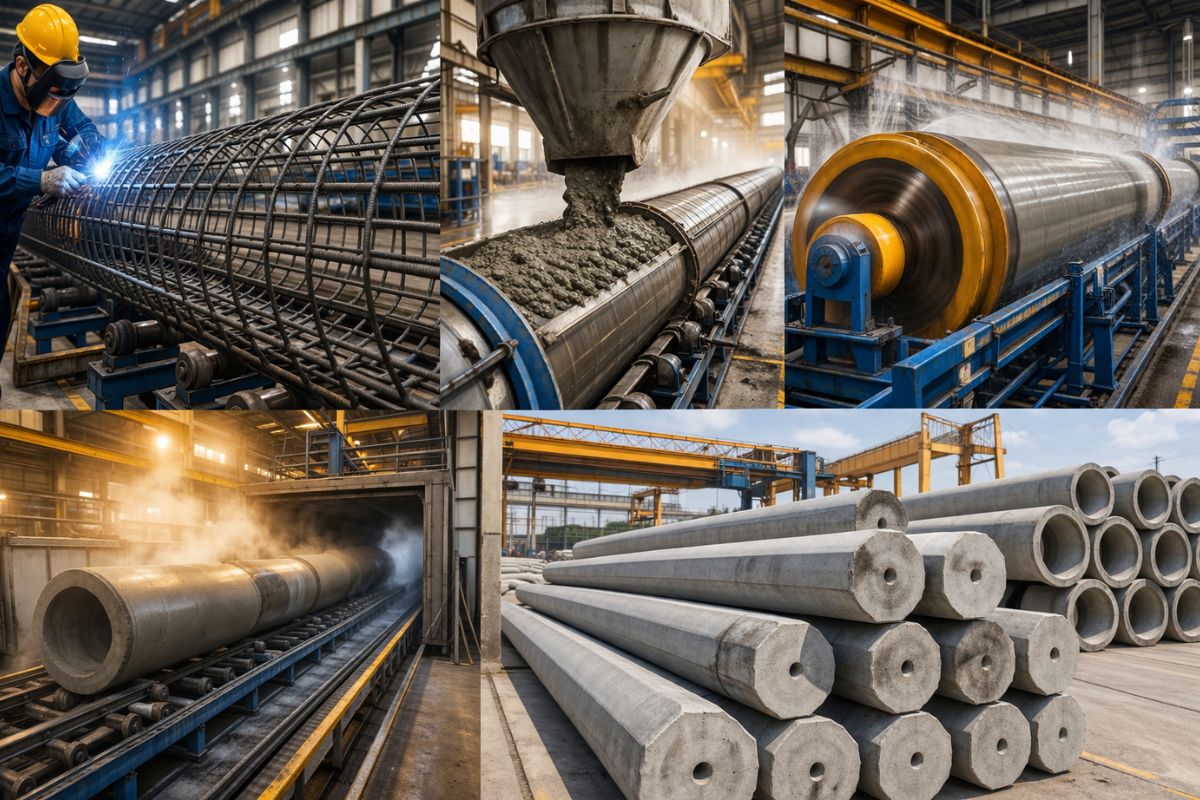
The factory shows how PHC piles and precast tubes are made; steel turns into a welded cage, high-strength concrete enters the mold, spins in centrifugation, cures in steam, and is ready in hours.
-
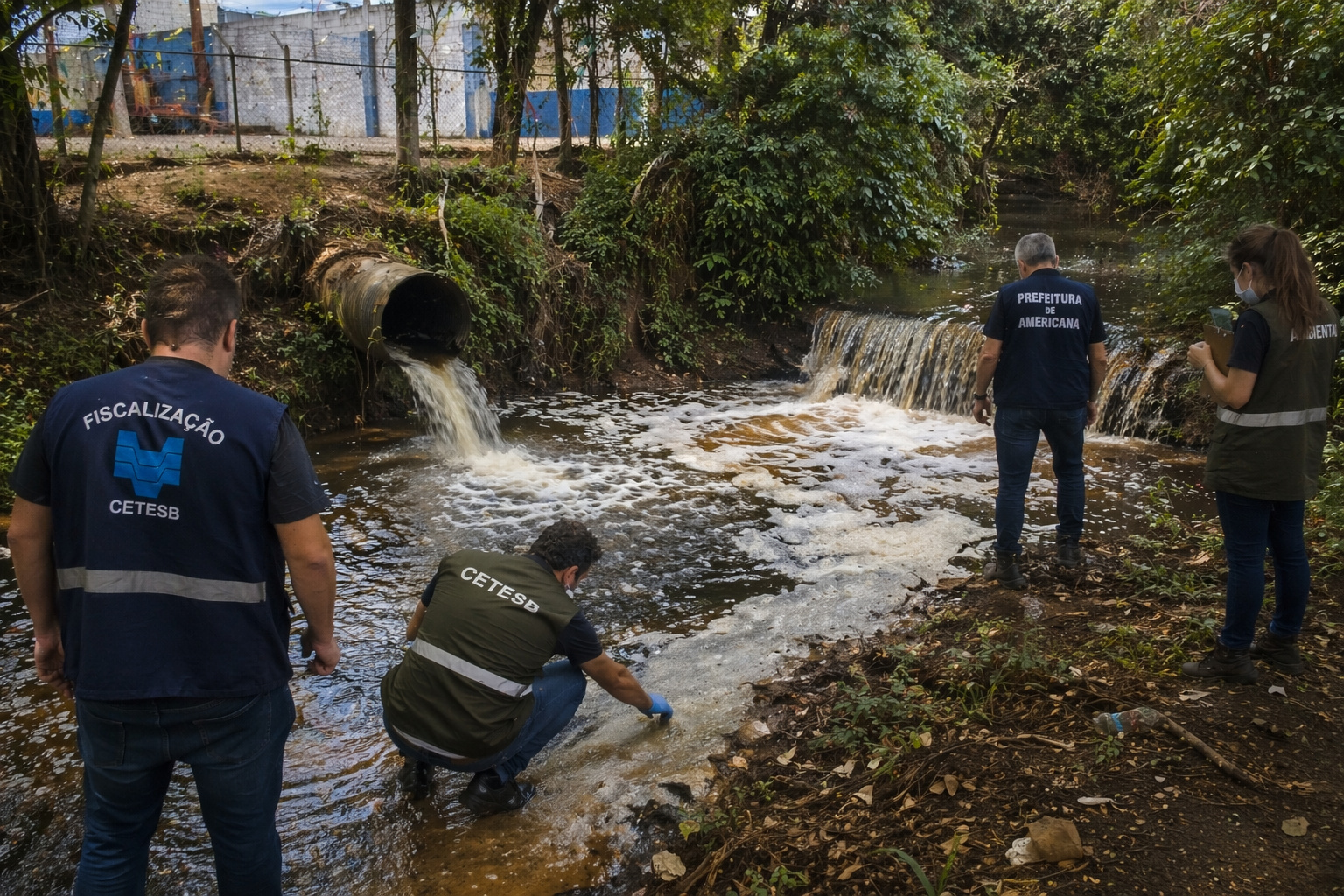
A fine of R$ 115 thousand puts Goodyear at the center of an environmental case in Americana after oil and grease appeared in a stream and the company was forced to act quickly.
-
Small house with natural light becomes a trend in sustainable architecture and reveals how smart designs reduce energy consumption and enhance comfort in compact spaces.

-
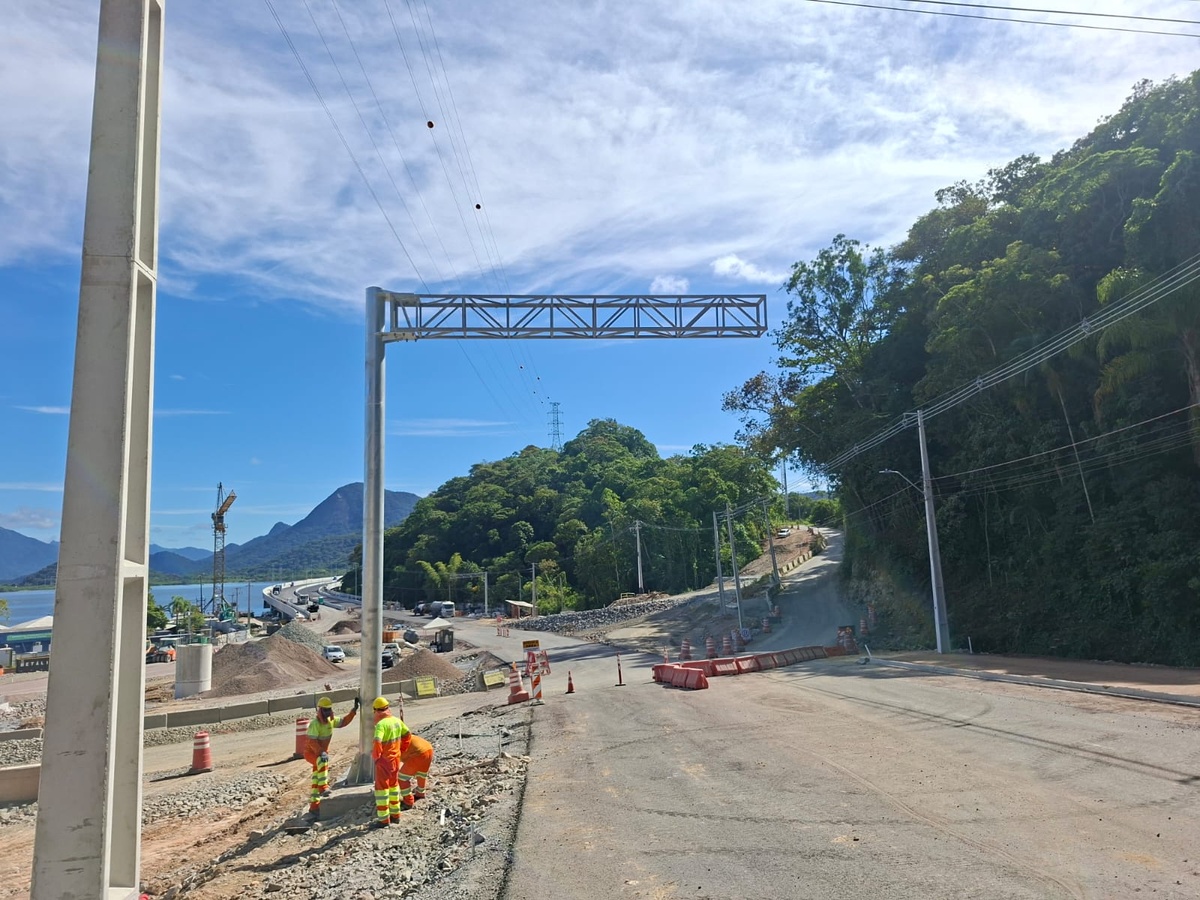
Guaratuba Bridge enters the final phase with high-standard road signage implemented by IASIN and inauguration scheduled for April 2026.
“The redefinition of byproducts derived from copper can result, among other things, in solutions to be employed in domestic and industrial use, such as application in livestock, agriculture, and cosmetics, as well as for the production of paints,” Rodrigues adds.
Social Responsibility in Focus
Social and environmental responsibility is a matter of collective interest, involving society, public bodies, and private companies. Not by chance, this topic has specific legislation, Law No. 12,305/10, which instructs that the disposal of solid byproducts must have an environmentally correct destination.
One of the paths that follow according to environmental concern and responsibility involves the reuse of byproducts with practical value for society. According to Rodrigues, this is also one of the purposes of the research. “This action reinforces Termomecanica’s commitment to promoting a sustainable reality, ecologically responsible, and that finds, through science, ways to contribute positively to the relationship between ecology and industrial production,” he emphasizes.
About the Research, Development and Testing Center of Termomecanica (CPDE)
The Research, Development and Testing Center of Termomecanica (CPDE) is a center for attracting innovation opportunities within Termomecanica and its affiliates, and has 26 employees in 3 laboratories located in São Bernardo do Campo/SP. It has ISO 17025 certification granted by Cgcre-INMETRO and provides external analysis services.
About Termomecanica
Termomecanica is a leader in the copper and its alloys transformation sector, in semi-finished and finished products, and has also been engaged, since 2016, in the manufacture of aluminum products. Founded in 1942 by engineer Salvador Arena, it is highly capitalized, with a net worth exceeding 2 billion reais. Committed to sustainable development, it maintains modernization and expansion programs that define its traditional strategy of profit reinvestment and job creation. Termomecanica stands out in the Brazilian scenario as part of its results are directed towards social transformation through its controlling entity, the Salvador Arena Foundation.
It has four factories in Brazil (three in São Bernardo do Campo – SP and one in Manaus – AM), one in Chile (Santiago) and one in Argentina (Greater Buenos Aires), in addition to three Distribution Centers (São Bernardo do Campo – SP, Joinville – SC and North Carolina – USA) and around 2,000 employees.
One of the largest private industries in Brazil, it has been among the “Largest and Best” of Exame Magazine since 1974 and, for two years (2017 and 2018), in first place in the ranking “The Best of Dinheiro” in the Mining, Metallurgy, and Metalworking sector.






Seja o primeiro a reagir!