





 Portuguese
  English
  Spanish
  3 min of reading
  10 comments


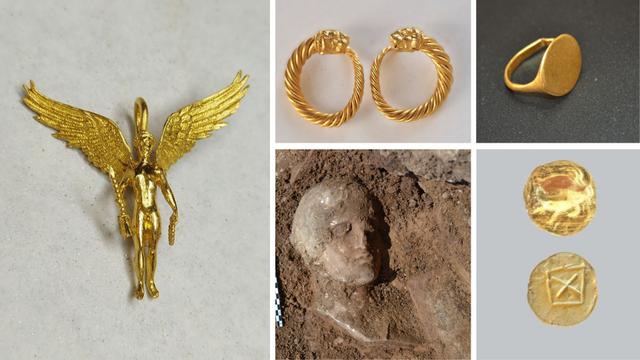


Archeologists Discovered An Amazing Treasure Of Jewels In A 2,300-Year-Old Building, Including Earrings With Lions And Winged Cupids, Rings, Funeral Coins, And Necklaces With Lion Heads.
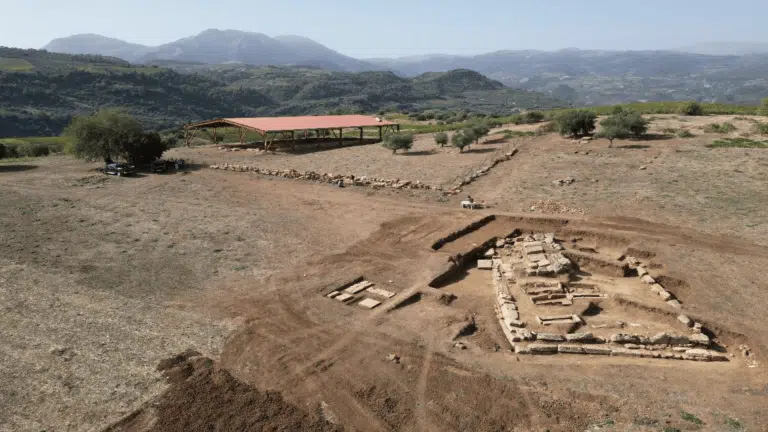
An archaeological discovery in Greece has excited history experts. Hidden in the depths of a heroon, a type of sanctuary dedicated to the heroes of Greek mythology, a treasure of gold jewelry was revealed.
This find occurred during an excavation on the Trapeza plateau, near the city of Aegio, in the Peloponnese.
The heroon, a structure traditionally erected to honor borrowed figures, likely marks the location where a Greek hero would have achieved some significant feat or, possibly, where he would have died.
-
They were brilliant! Scientists discover that our ancestors in China were already making super advanced tools 160,000 years ago, changing everything we knew.

-
Scientists unveil 3 million years of climate secrets hidden in the ice of Antarctica.

-
Ancient farmers created “aggressive plants” that changed nature forever.

-
Astronomers find a “backward” solar system that ignores all the rules of space and leaves scientists scratching their heads!


The identity of the hero in question remains a mystery, but the discovery provides valuable clues about the glorious past of the region.
Gold Jewelry
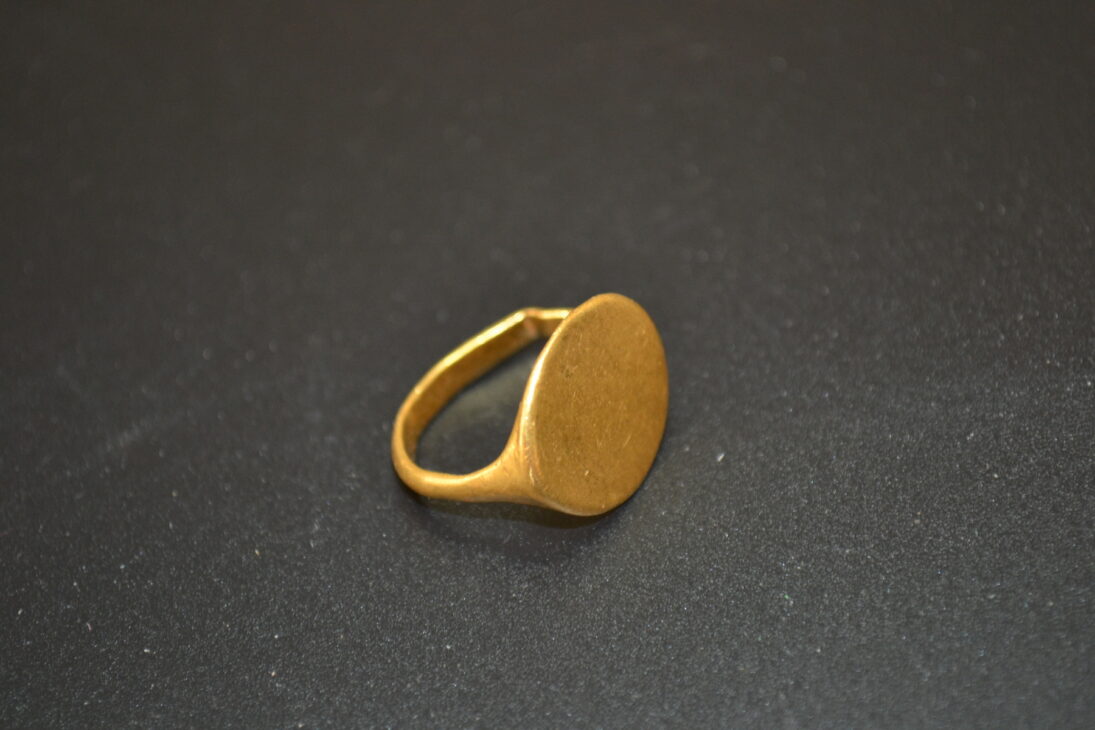
Among the most notable finds are gold earrings and a winged cupid, as well as rings, funeral coins, and a necklace with lion head terminals.
These items, in addition to their impressive beauty, indicate the high social class and wealth of the individuals buried at the site.
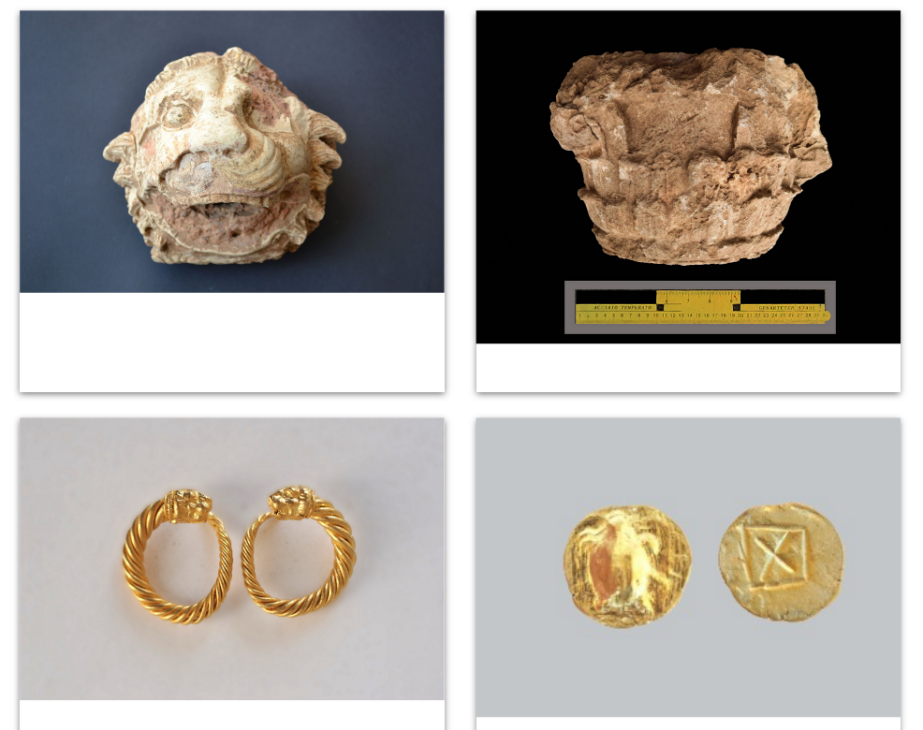
The jewelry was found in perfect condition, showcasing the exceptional craftsmanship of the time.
The excavation also revealed statues and reliefs of great value, including figures of crouching lions and a representation of a young man, all carved in Pentelic marble. This marble, known for its durability and quality, was used to build iconic landmarks, such as the Acropolis of Athens.
Trapeza
The excavations on the Trapeza plateau continue to surprise archaeologists.
The building, known as “Building Γ” (Gamma), was hidden under limestone and conglomerate ruins.
Upon excavation, it revealed a façade with Corinthian half-columns and a simple cornice. Further inside, the interior uncovered the oldest Corinthian architectural composition associated with funerary practices, as well as an intact tomb and a sarcophagus of great historical value.
These discoveries are highlighting Trapeza as a site of growing historical relevance, with the promise of more surprises in the future.
The excavation project, which is expected to extend for another five years, sheds new light on the architecture and funerary rites of ancient Achaea, a region that played a key role in the founding of the Greek colony of Croton in Magna Graecia.
The Wealth Of Ancient Greece: More Than Gold
The treasure of Trapeza is not only a glimpse into the luxury of Ancient Greece but also an indicator of the forests and the historical importance of the region.
The gold jewelry, along with architectural and peculiar evidence, reveals a long history of the site, with remnants dating back to the 8th century BC.
The focus of the excavations is now turning to better understand the funerary and religious practices of the region’s ancient inhabitants. The discovery of such a well-preserved hero, along with his treasures and high-value architects, offers a rare glimpse into the life and status of the elites in Ancient Greece.








Cuidado com Lula, caso ele for visitar. Redobrar a vihilancia
Impressionante, fabuloso
Trabalho fascinante dos arqueólogos!! Amo esta profissão! Costumes, jóias, utensílios de 500, 1000, 2000 anos superam tecnologias atuais, mesmo sendo tão importantes, é claro.