





 Portuguese
  English
  Spanish
  3 min of reading
  0 comments


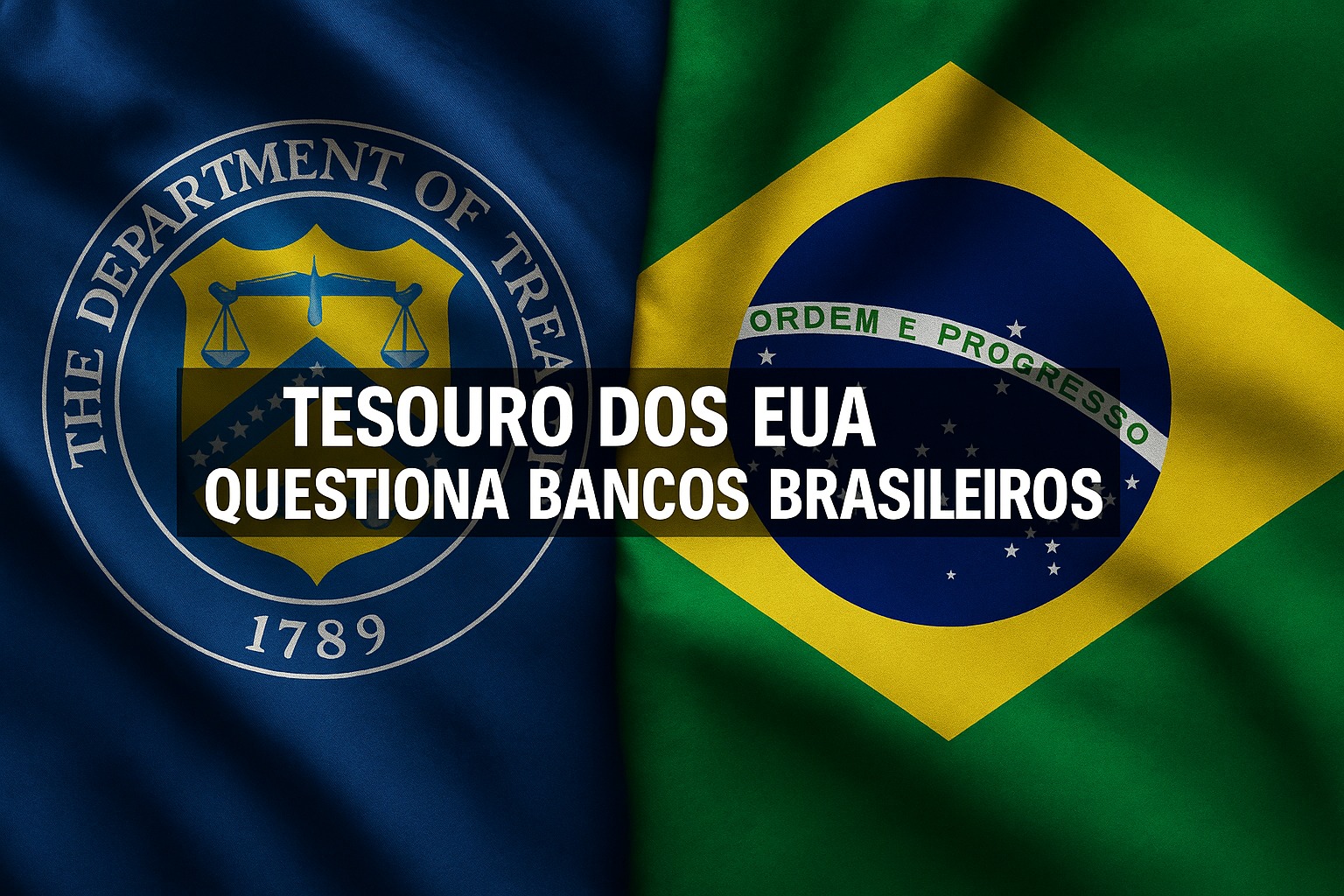
Major Brazilian Banks Receive Letter From U.S. Treasury Regarding Magnitsky Act Sanctions, Raising Questions, Regulatory Risks, and Potential Future Impacts
Major Brazilian banks have confirmed receiving a letter from the U.S. Treasury Department United States with questions regarding the enforcement of the sanctions outlined in the Magnitsky Act. According to the newspaper Valor, the letter sent is standard, lacks specific details, and does not suggest that Brazilian institutions are violating any regulations.
According to the Valor Econômico portal, the letter seeks information about actions already taken, without indicating any immediate penalties.
Despite this, the move has garnered attention among financial institutions and international law experts.
-
SUS surpasses Brazil and inspires a revolution in health: agreement with Mexico could bring universal, free, and more accessible care to millions of people outside the country.

-
With a total blockade of software, data, and connected systems, the U.S. has completely closed its doors to Chinese cars and transformed vehicles into geopolitical weapons, creating a new technological battlefield that could reshape the global automotive industry.

-
With US$ 65.8 billion and 34 new ships, the U.S. launches a mega naval plan that prioritizes nuclear submarines, strengthens military logistics, and repositions the strategy for prolonged conflicts in the Pacific.

-
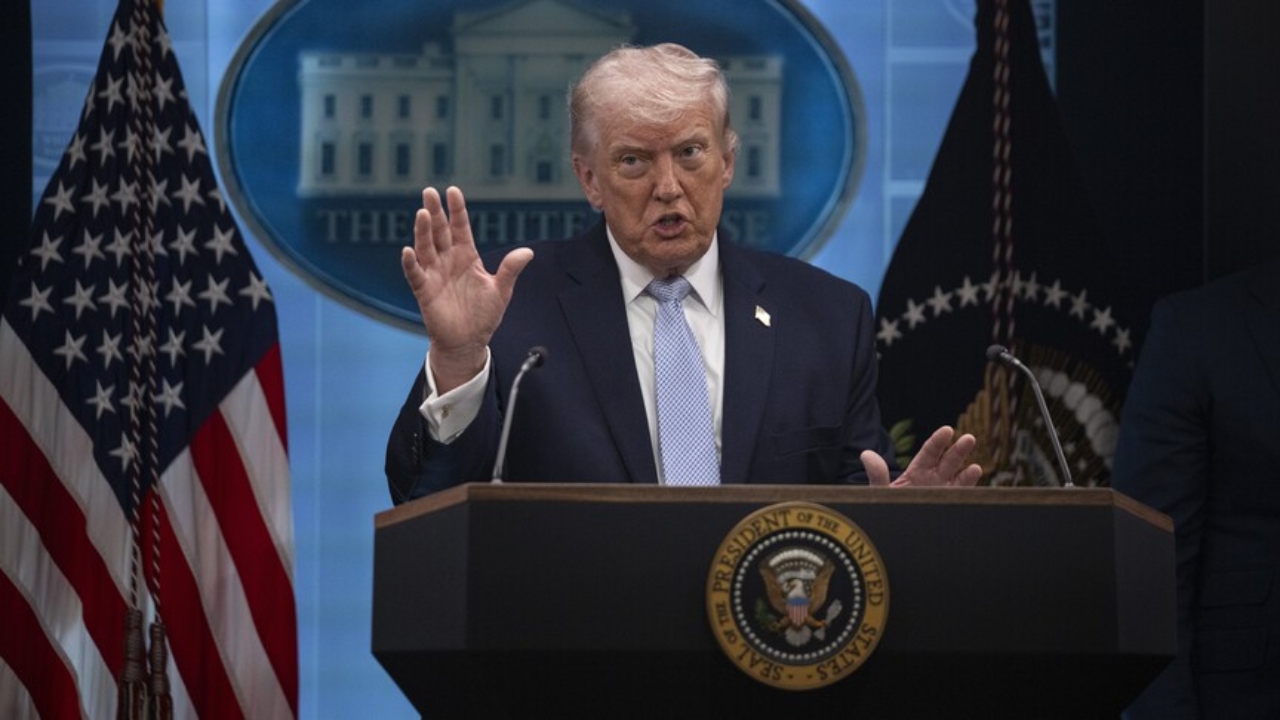
Trump pressures NATO in Europe with threats regarding bases and the use of troops in Spain and Germany to punish allies and change the military balance in the bloc.
Banks’ Responses
Itaú, Banco do Brasil, Bradesco, and BTG did not comment on the U.S. request. Santander reported that it does not provide information on regulatory matters involving banking secrecy.
In a statement, it declared that it operates with “rigorous adherence to all applicable local and international laws and regulations, and maintains its governance processes aligned with the best global practices.”
The Brazilian Federation of Banks (Febraban) stated that it has not received any communication from OFAC, the U.S. Treasury office responsible for foreign asset control.
The entity also emphasized that such communications are confidential and are not usually forwarded to the federation itself.
The notification was initially published by Folha de S.Paulo and later confirmed by other reports.
The Alexandre de Moraes Case
The episode occurs following the inclusion of Alexandre de Moraes, on July 30, in the list of “Specially Designated and Blocked Individuals” by the U.S. Treasury.
Among the sanctions applied are the freezing of assets in the United States and a prohibition on entry into the country.
On August 22, Valor reported that Banco do Brasil blocked a Moraes international card. The bank did not comment on the case, citing banking secrecy issues.
Therefore, the measure has reignited debates about the scope of the Magnitsky Act and the risks for banks and companies that engage with sanctioned individuals or entities.
Risks and Scope of the Law
Experts in American law highlight that the “enforcement” of the Magnitsky Act, that is, its implementation and oversight, is discretionary.
This means that OFAC can choose not to apply penalties in cases considered minor lapses in compliance.
Additionally, the very structure of the American financial system ensures part of the oversight. Institutions in the United States consult sanction lists before processing transactions.
Thus, foreign banks are also indirectly impacted by the restrictions.
According to experts, legislation prohibits any company from providing “material support” to sanctioned individuals or entities.
This can occur even in transactions that do not involve U.S. dollars. “If you do business with a sanctioned entity, even in another currency, it may be considered providing material support,” explained one of the consulted experts.
Ambiguity and Uncertainties
The debate also revolves around the ambiguity of some points in the regulation. Companies dealing with Magnitsky sanctions must accept that there is no complete clarity on the limits of “enforcement.”
Moreover, there is always legal concern. OFAC, according to experts, takes additional precautions to ensure that all imposed sanctions are legally defensible, as it may face lawsuits in U.S. court.
This scenario leaves open questions about how Brazilian banks should act in light of potential impacts from the law.
Meanwhile, there is growing anticipation that new developments may occur, as the enforcement of these measures may vary depending on the interpretations of each case.
With information from Valor Econômico.









Seja o primeiro a reagir!