





 Portuguese
  English
  Spanish
  6 min of reading
  0 comments


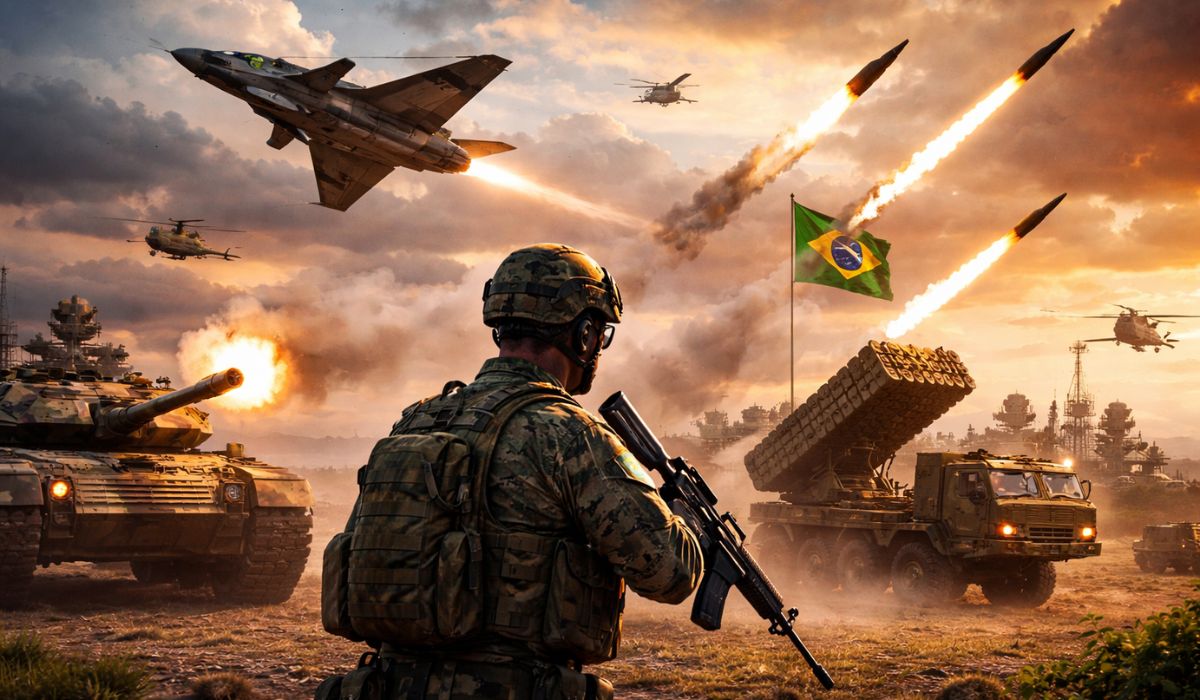
Billion-dollar plan places Brazilian defense at the center of the debate, amid pressures for technology, surveillance, and response capability. In the background, the topic involves budget, national industry, and the extent of accumulated vulnerabilities.
The Brazilian Army presented to President Luiz Inácio Lula da Silva a plan that foresees R$ 456 billion in investments between 2026 and 2040 to enhance the country’s defense capacity.
The proposal was developed with a focus on areas such as air defense, drones, surveillance, missiles, and electronic warfare, amid the advancement of technologies that have changed the profile of armed conflicts.
The topic gained space in public debate following the disclosure of the plan and analyses regarding the scope of the projected amount.
-
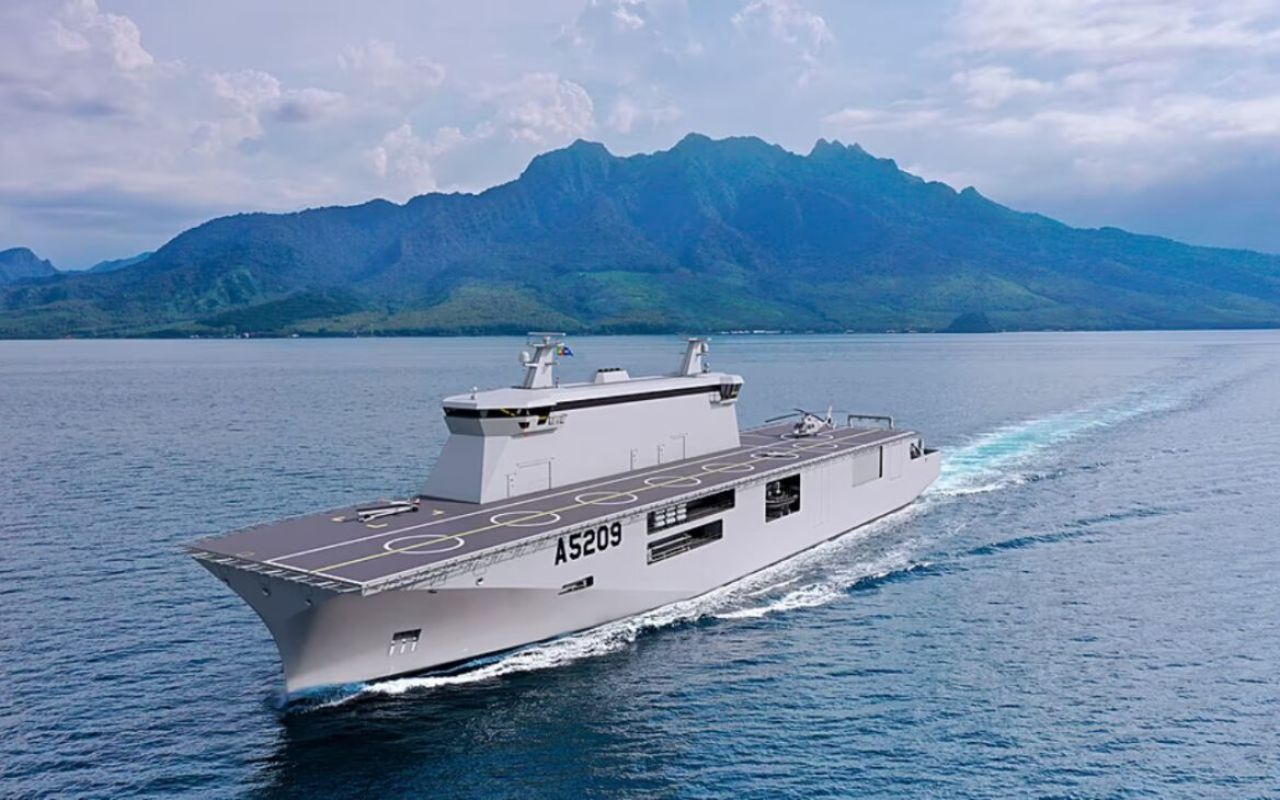
With 7,000 tons and 107 meters, the first drone carrier in Europe was launched into the sea and will be operated by the Portuguese Navy after the testing phase; meet the NRP D. João II.
-
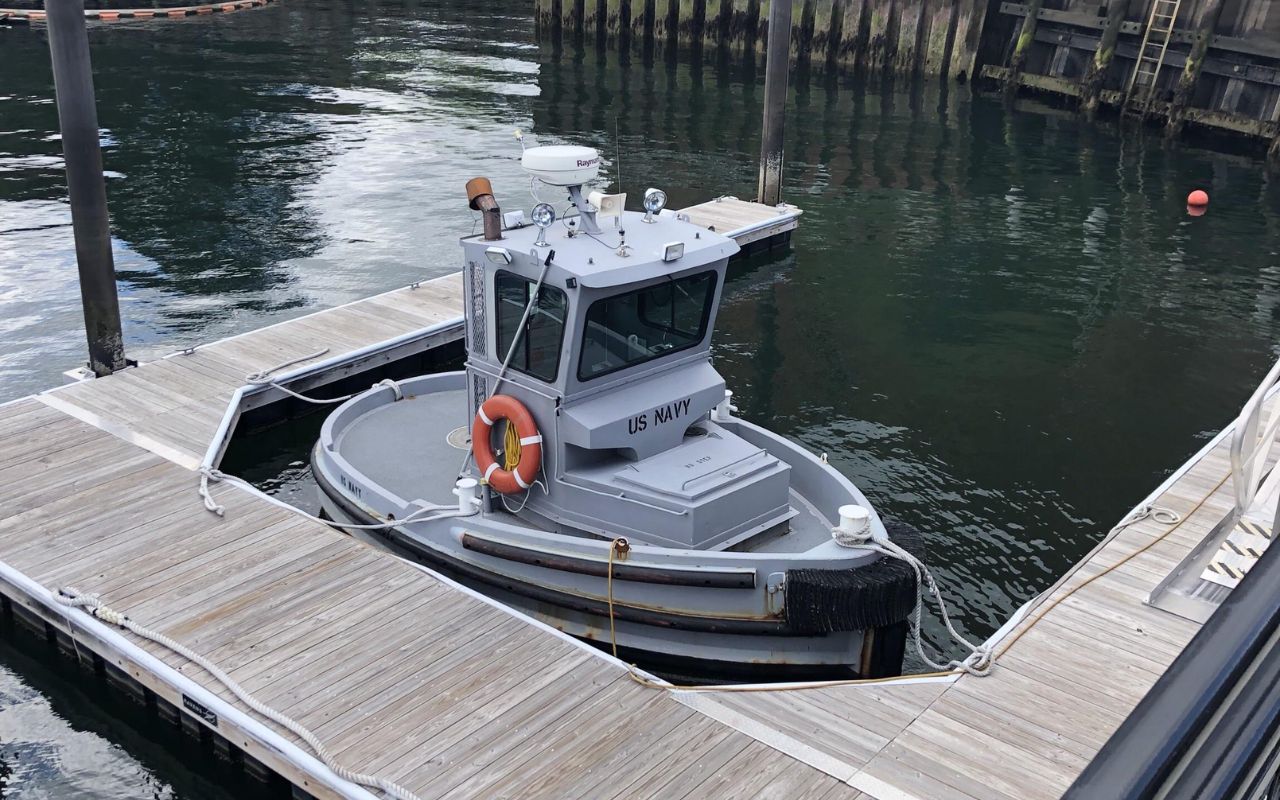
Measuring less than 6 meters, the smallest boat in the U.S. Navy proves that size isn’t everything, being essential for naval operations; meet the Boomin Beaver.
-
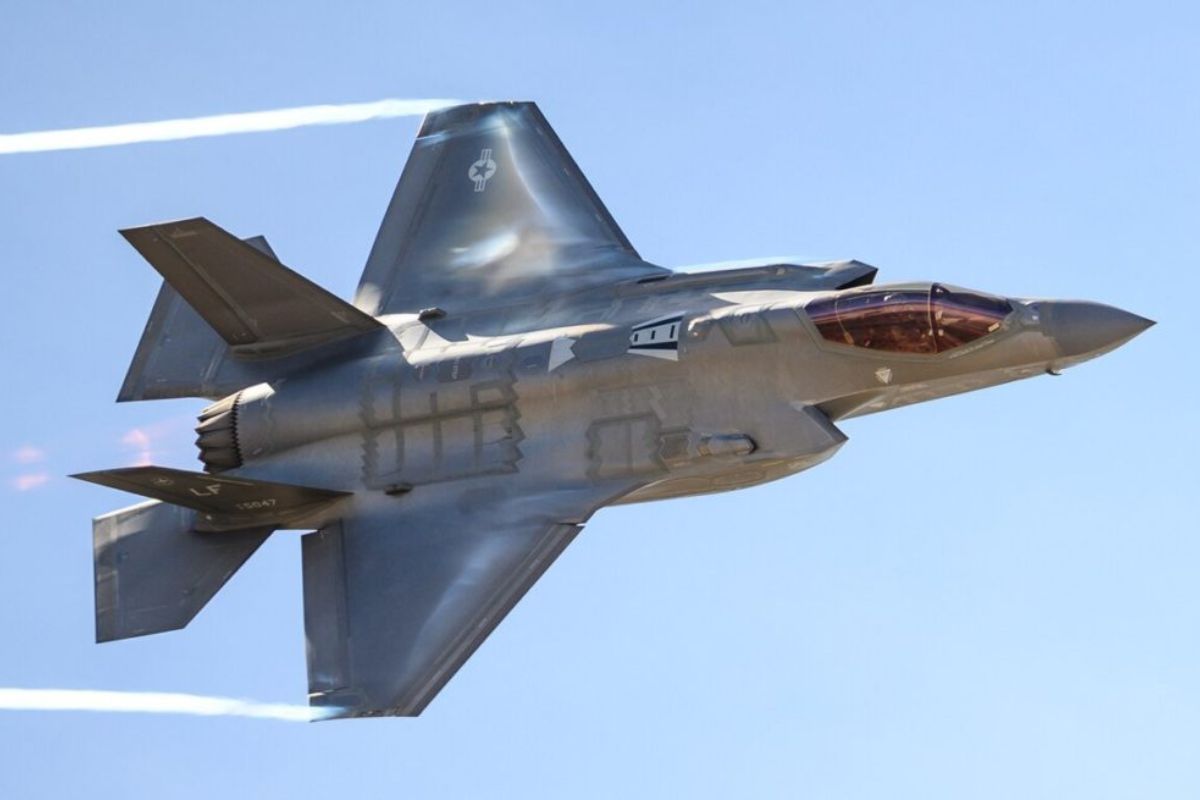
The U.S. focused on the more advanced F-35, but cannot produce it in volume; China accelerates industrial scale and aims for up to 300 fighters per year. With a smaller and aging American fleet, air superiority is no longer guaranteed, and deterrence against Beijing is under pressure.
-
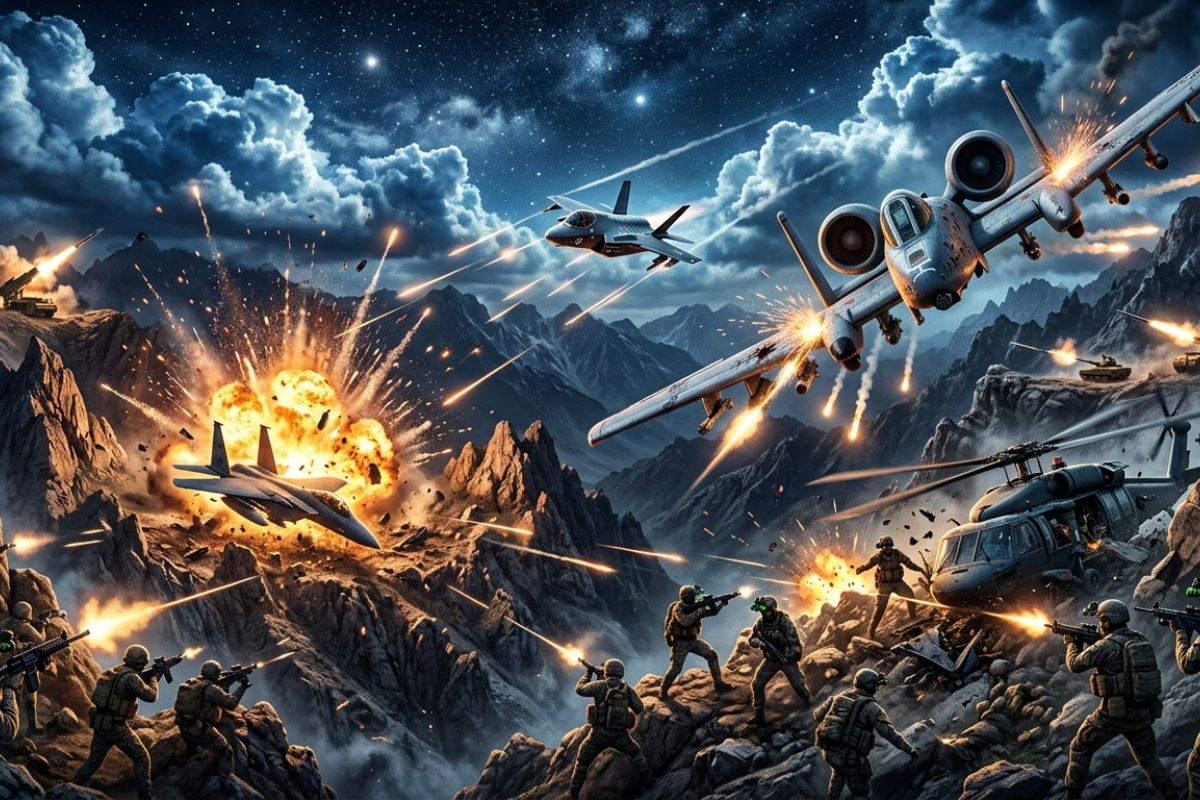
Total night of chaos in the Zagros mountains: Iran shoots down an F15 Strike Eagle, damages an A10 during the rescue, and hits an F35; helicopters fall into an ambush while the US insists: no one gets left behind, ever.
In an interview with Record News, reported by R7 on April 7, 2026, expert Ricardo Cabral stated that the figure seems high at first glance but appears limited when spread over 14 years and compared to the accumulated delays in Brazil’s strategic defense programs.
According to this diagnosis, the amount needs to be understood within the context of modernization required by contemporary wars.
In recent conflicts, the use of drones, guided munitions, sensors, protected communication systems, and electronic interference resources has become increasingly significant in military operations.
It is in this scenario that the Army attempts to direct planning towards areas deemed priorities.
Army plan targets air defense, drones, and surveillance
The proposal presented to the government seeks to reinforce capabilities that have long been at the center of discussions about defense in Brazil.
Reports published in March 2026 indicated that the planning includes expansion of air defense, purchase of missiles, incorporation of national drones, expansion of surveillance systems, and investments in electronic warfare.
More than just increasing the number of equipment, the intention is to adapt the Brazilian structure to a military environment where aerial, digital, and high-precision threats have gained prominence.
Today, armed forces from different countries combine real-time monitoring, sensor integration, and rapid response to protect strategic areas and respond to attacks.
In this context, the discussion has expanded beyond armored vehicles, aircraft, or conventional armaments.
Also included are software, secure communication networks, target detection capabilities, and command and control systems.

The change in profile helps explain why the Army has begun to treat these fronts as a central part of the modernization effort.
At the same time, programs of this magnitude depend on budget continuity.
Without predictability, long-term projects tend to be delayed, become more expensive, or lose effectiveness.
This is a recurring point in the history of Brazilian defense and appears again in the discussion about the viability of the new investment package.
Value of R$ 456 billion loses strength when distributed until 2040
The figure of R$ 456 billion draws attention for its total volume, but the assessment of experts consulted in reports on the topic is that the impact of the number changes when it is distributed over the period from 2026 to 2040.
In this regard, Ricardo Cabral classified the amount as insufficient given the accumulated backlog in the sector.
According to the analysis presented by him, Brazil would need to consistently increase the weight of defense within the national budget.
In the interview, Cabral stated that the country should consider investments above 2.5% of GDP to keep pace with the international environment and reduce delays in areas deemed critical.
This assessment is attributed to the expert and does not reflect an official position of the government.
Still, it helps to frame the debate around the plan.
The discussion does not focus solely on the absolute number, but on the pace of execution, the rising costs of military technologies, and the liabilities left by years of limited or discontinuous investments.
Moreover, the modernization of defense involves long cycles of contracting, development, and delivery.
Even when there is a forecast of resources, results do not appear immediately.
Therefore, part of the controversy surrounding the proposal centers on the state’s ability to sustain planning until 2040 without significant interruptions.


Continental territory increases pressure on Brazilian defense
The territorial dimension of Brazil is one of the factors frequently cited in this debate.
The country has an extensive coastline, broad land borders, large airspace, strategic areas in the Amazon, and critical infrastructure spread across different regions.
This set of factors requires permanent monitoring and large-scale response capability.
Even without living in a neighborhood marked by open warfare, Brazil needs to maintain surveillance systems, logistics, and state presence in vast areas.
According to experts, this characteristic raises the cost of any modernization project and complicates the task of reducing vulnerabilities on different fronts simultaneously.
It was in this context that Ricardo Cabral stated that “it only takes one foreign aircraft carrier to arrive here, and they will have an air force larger than ours.”
The phrase was used by the analyst as a comparison to illustrate, according to his assessment, the degree of backlog existing in a hypothetical high-intensity scenario.
This is not an official government data point but an analysis attributed to the source.
The repercussion of the statement is explained because it synthesizes a recurring concern among defense experts: the scale difference between Brazil and the military forces of major powers.
In recent conflicts, countries have begun to reassess stockpiles, air defense systems, and surveillance means after observing the speed with which armed operations consume munitions, unmanned aircraft, and monitoring resources.
Defense, technology, and industry enter the same equation
The debate about the Army’s plan is also connected to industrial policy aimed at strategic technologies.
In February 2025, the federal government announced R$ 112.9 billion for Mission 6 of the New Brazil Industry, an initiative focused on areas associated with sovereignty and national defense.

In the official presentation of the policy, the goal stated was to increase Brazilian dominance over critical technologies from 42.7% to 55% by 2026 and to 75% by 2033.
These data show that the defense agenda does not appear in isolation but is linked to the country’s ability to develop and produce systems considered sensitive.
This connection with industry is relevant because part of the equipment and systems necessary for modernization depends on research, engineering, local production, and technology transfer.
Without this foundation, the country tends to maintain greater dependence on external suppliers, which interferes with timelines, costs, and operational autonomy.
Still, the existence of industrial targets does not eliminate the main question surrounding the military plan: how much of the projected value will actually be executed regularly over the coming years.
The discussion, therefore, involves both the need pointed out by the Armed Forces and the capacity of the public budget to sustain long-term projects.
At the center of the debate is the gap between what the Army considers necessary to update strategic capabilities and what the Brazilian state has historically been able to maintain continuously.
It is within this interval that experts, the government, and the defense sector begin to discuss not only figures but also political priority, planning, and execution.








Seja o primeiro a reagir!