





 Portuguese
  English
  Spanish
  5 min of reading
  0 comments


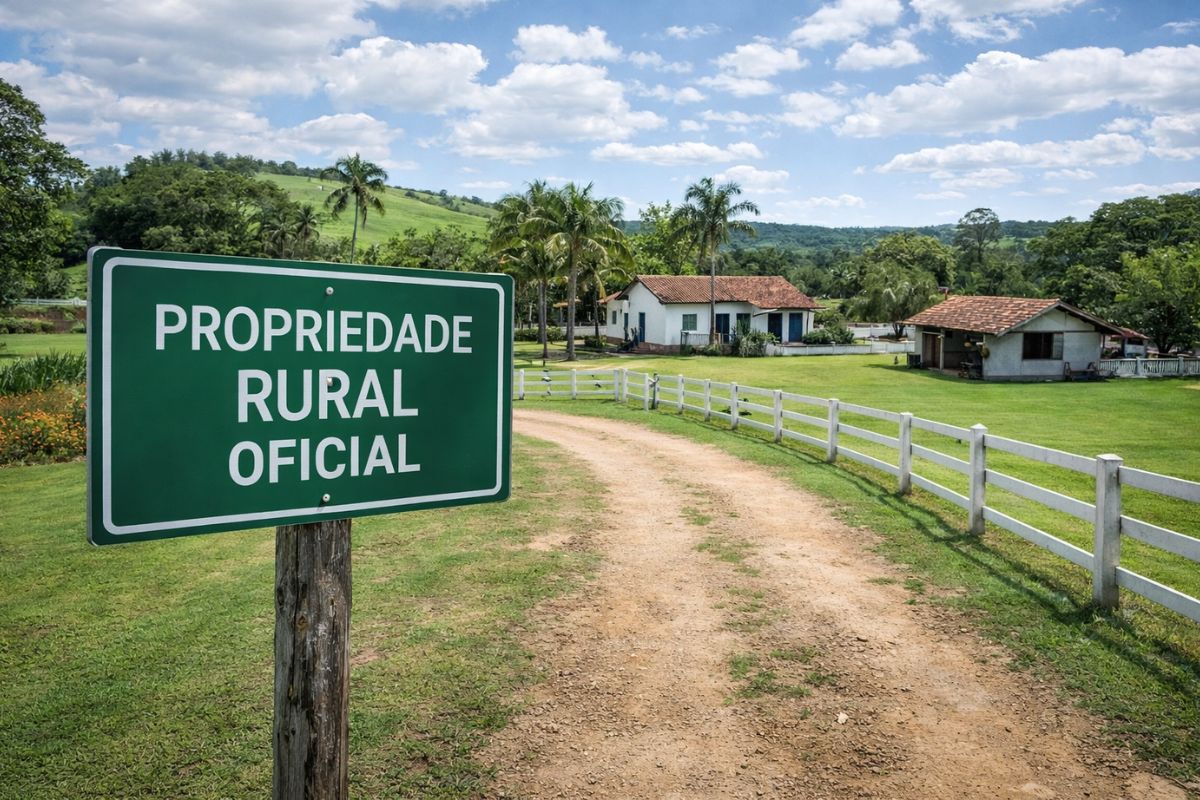
The Chamber of Deputies approved a bill that recognizes small farms of up to 2 thousand square meters as rural properties, opening the way for thousands of small producers to access rural credit, tax exemptions, and technical assistance that were previously restricted to formally rural areas.
A bill that could change the reality of thousands of small producers spread across Brazil has advanced in the Chamber of Deputies. The Bill 918/2025 establishes that small farms of up to 2 thousand square meters can be recognized as rural properties, provided they prove agricultural activity, whether for subsistence or commercialization. The proposal was approved by the Agriculture Committee and is now moving to analysis by the Constitution and Justice Committee (CCJ), potentially followed by the Senate.
The change corrects a historical distortion that directly affected family farming. Many productive small farms, even generating food and income, were not officially classified as rural properties and therefore were excluded from essential programs for rural development. Without this legal classification, small producers could not access credit with special conditions, did not participate in public policies aimed at agriculture, and did not receive technical assistance. The new definition provides legal support to these areas and opens doors that have been closed for decades.
What changes in practice for those who have small farms that become rural properties
The main consequence of the project is the formal inclusion of thousands of small producers in the official system of Brazilian agribusiness.
-
Factory 52, in the USA, cost over $5 billion, covers 270,000 square meters, and manufactures cutting-edge chips: it was named Project of the Year by the world’s largest engineering magazine, marking the global race for semiconductors.

-
While BYD lays off 100,000 in China due to falling profits, the factory in Brazil remains strong: the unit in Camaçari, Bahia, could generate up to 20,000 jobs and become an export hub for all of Latin America.

-
The two largest powers of BRICS are putting rivalries aside: China and India are making historic advances in rapprochement and plan to use their consecutive presidencies of the bloc to deepen ties and reshape the global balance of power.

-
China alone accounts for 70% of trade within the BRICS, while Brazil establishes itself as an essential supplier of food and minerals: understand how the group, which already represents nearly 40% of the world’s GDP, is changing the game.

With the recognition of their small farms as rural properties, these producers gain access to rural credit with specific conditions for small producers, including subsidized interest rates and longer payment terms. Before the project, these same individuals had to seek financing as urban individuals, with much higher costs.
In addition to credit, the classification as rural properties opens up the possibility of tax incentives and municipal exemptions, participation in technical assistance and rural extension programs, and inclusion in public policies aimed at family farming.
For producers operating in small areas, often near urban centers, this change represents the official recognition of a productive activity that already existed in practice, but that the State simply did not see.
Why so many small producers were invisible to the government until now
The problem that the project addresses is old and structural. Brazilian legislation has always treated rural properties based on criteria that excluded very small areas, even if these areas produced food and generated income.
A small farm of 1,500 square meters that produces vegetables, eggs, and honey for local sale directly contributes to regional supply, but until now it did not have legal backing to be classified among rural properties.
Experts point out that many producers in small productive areas remained invisible to the State, without access to any official support programs. Without credit, technical assistance, and tax incentives, these producers operated informally and with low investment capacity.
Deputy Murillo Gouvea, the author of the proposal, argues that recognizing small farms as rural properties values family farming and enhances its economic and social relevance throughout the country.
The direct impact on family farming and the economy of cities
The formalization of small farms as rural properties tends to generate significant impacts both in rural areas and in peri-urban areas. With access to credit, technology, and assistance, small producers can increase productivity, improve property management, and invest in sustainable practices.
These gains translate into more food available in local markets, more competitive prices, and strengthening the food security of neighboring communities.
The strengthening of these productive units directly contributes to the development of local economies, especially in regions where productive small farms supply fairs, municipal markets, and school feeding programs.
Another relevant point is that formalization can encourage producers to remain in agricultural activities, reducing pressure on urban centers and strengthening regional production chains. For many families, having the small farm recognized as a rural property represents the difference between continuing to produce or abandoning the land.
What is still needed for the rural properties bill to become law
Despite the progress in the Agriculture Committee, the project still does not have the force of law. It is currently being processed in a conclusive manner in the Chamber and is now awaiting the report from the rapporteur in the Constitution and Justice Committee (CCJ). If approved at this stage, the text will proceed to the Federal Senate.
Only after approval in both legislative houses and presidential sanction will small farms be officially classified as rural properties.
After eventual approval, the federal government will have a deadline to regulate the practical application of the law, defining technical and operational criteria for classification. The central requirement remains: the small farm must prove agricultural activity to be classified among rural properties. It is not enough to have the land.
It is necessary to demonstrate that it is used for agricultural or livestock production, which prevents the mechanism from being used by owners of leisure areas without any link to productive activity.
What the recognition of small farms as rural properties means for the future of agriculture
If the project becomes law, Brazil expands the reach of essential agribusiness instruments to a group of producers that has always been on the margins of the official system.
The recognition of small farms of up to 2 thousand square meters as rural properties strengthens the productive base of family farming at a time of growing demand for food and appreciation of local production. Credit, technical assistance, and tax incentives cease to be privileges of large and medium properties and begin to reach those who produce on a smaller scale.
The measure can be decisive in integrating small producers into the formal production system, ensuring competitiveness, legal security, and opportunities that did not exist before.
Deputy Coronel Meira, the rapporteur of the project, stated that the proposal creates a solid legal basis to include these producers in official programs and strengthen sustainable production. If approved, the project marks a turning point for those who have always produced without recognition, proving that the size of the land does not define the value of what is cultivated on it.
Do you have or know someone who produces on a small farm and has never been able to access rural credit? Do you think the recognition of these areas as rural properties will make a real difference or is it just another law that won’t be implemented? Leave your comments. This is the type of project that directly affects those who live from the land and deserves close monitoring.








Seja o primeiro a reagir!