





 Portuguese
  English
  Spanish
  5 min of reading
  0 comments


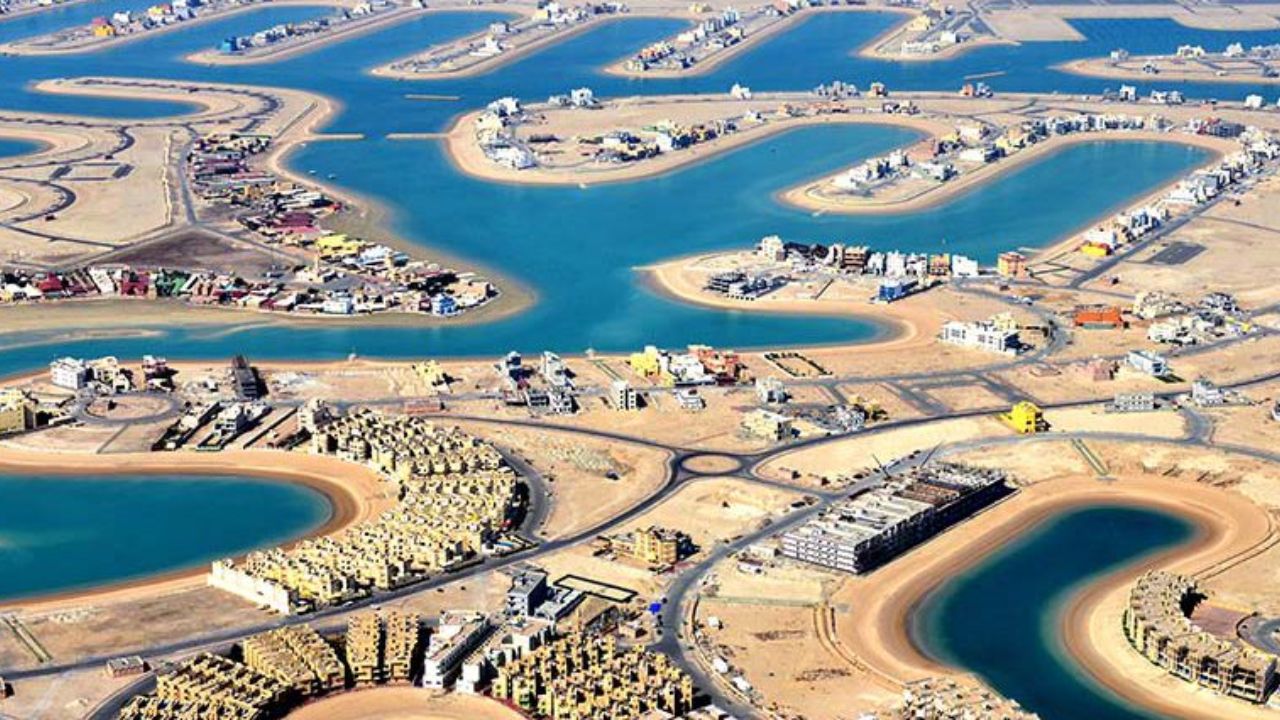
In The Heart Of Kuwait, A Monumental Construction Work Transformed The Desert: Sabah Al Ahmad Sea City Is Not Just Luxury, But An Ingenious Response To Geographical, Environmental And Historical Challenges.
In the midst of the desert of one of the hottest countries on the planet, the Arabs decided to build a peculiar city. Almost every resident of Sabah Al Ahmad, in Kuwait, has access to their own private beach. No, it is not Dubai, nor are there artificial islands. It is a construction project as ambitious as it is eccentric, carved out of the desert itself. Canals connected to the sea, artificial beaches, and a hydrodynamic system with limited use of auxiliary pumps define this city. It may seem like an exaggeration, but there is an explanation. It involves oil, war, environmental solutions, and cutting-edge engineering. This is the story of why Kuwait decided to bring the sea into the desert.
The Kuwaiti Dream For More Coastline: A Challenge In The Desert
In the 1980s, Kuwait was one of the richest countries in the world per capita. Oil fueled rapid population growth and urbanization. As a result, the demand for high-end housing exploded. The desire for seaside homes grew alongside the population’s income.
However, there was a crucial physical limit. Coastal space was scarce, measuring only 160 km from north to south. Much of it was already occupied by ports, industrial areas, military zones, and dense neighborhoods. The only solution seemed to be to grow inland. However, this option faced the desert itself. Construction in the Arab desert is extremely challenging. Temperatures above 50°C, fine sandy winds, nearly zero humidity, and unstable soil are common. The absence of natural shade and basic resources like water and vegetation made urban expansion unappealing.
-
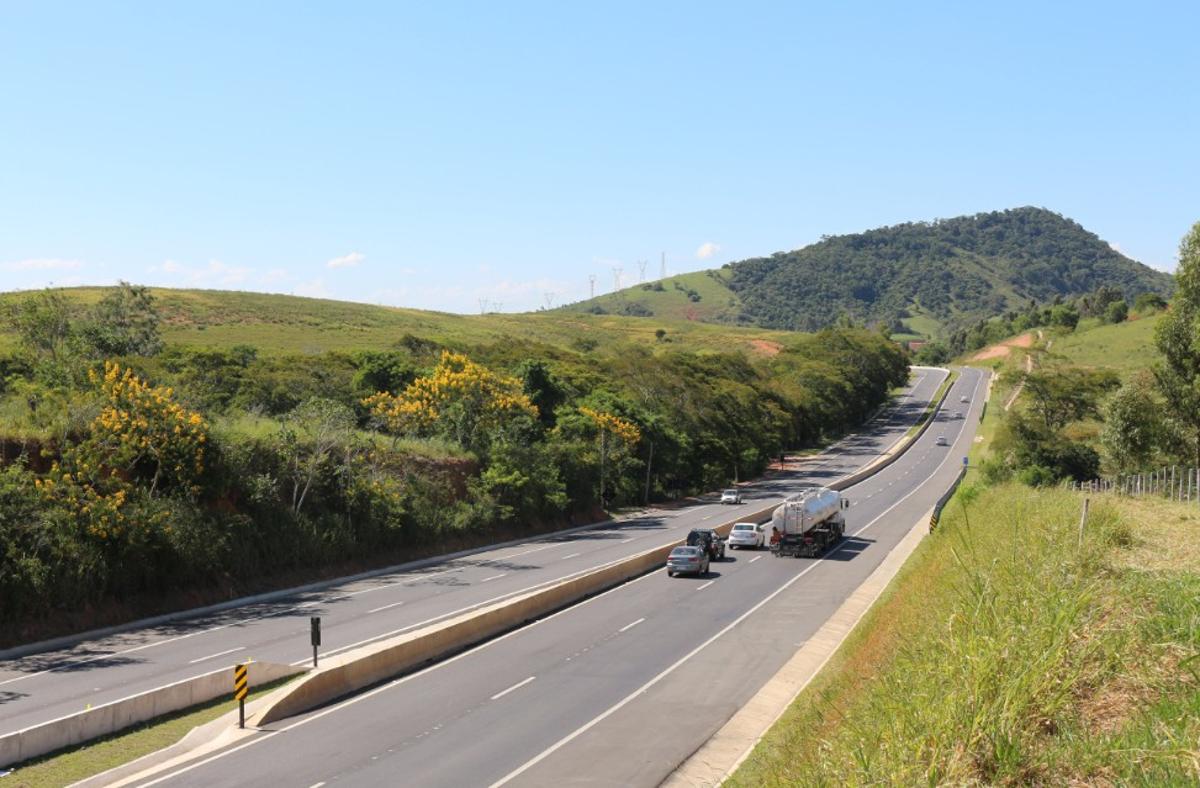
Firjan proposes to ANTT the acceleration of works on BR-101 in Northern Fluminense to improve logistics, urban mobility, and regional competitiveness.
-
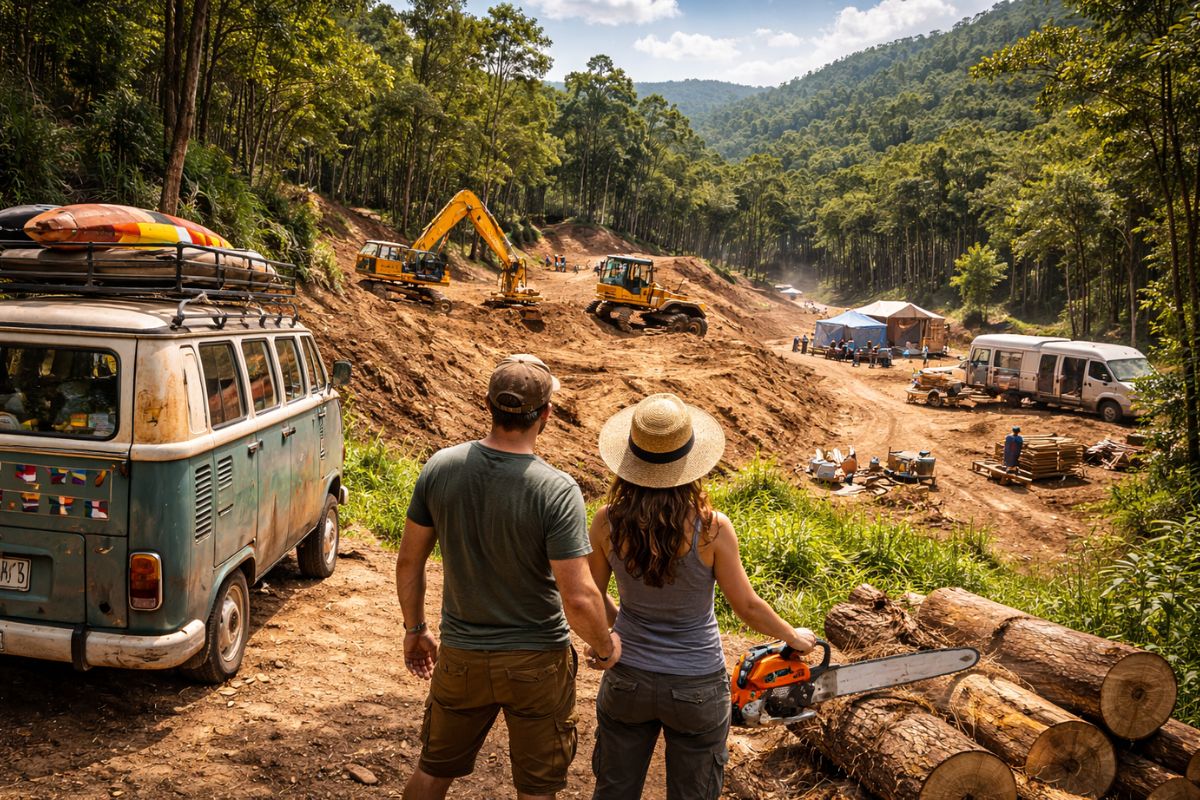
Couple that traveled by Kombi through many countries moves forward with the land in the south of SC: machines level the refuge in the woods, reinforce embankments, set up a construction camp, and train chainsaw operators to speed up the building process.
-
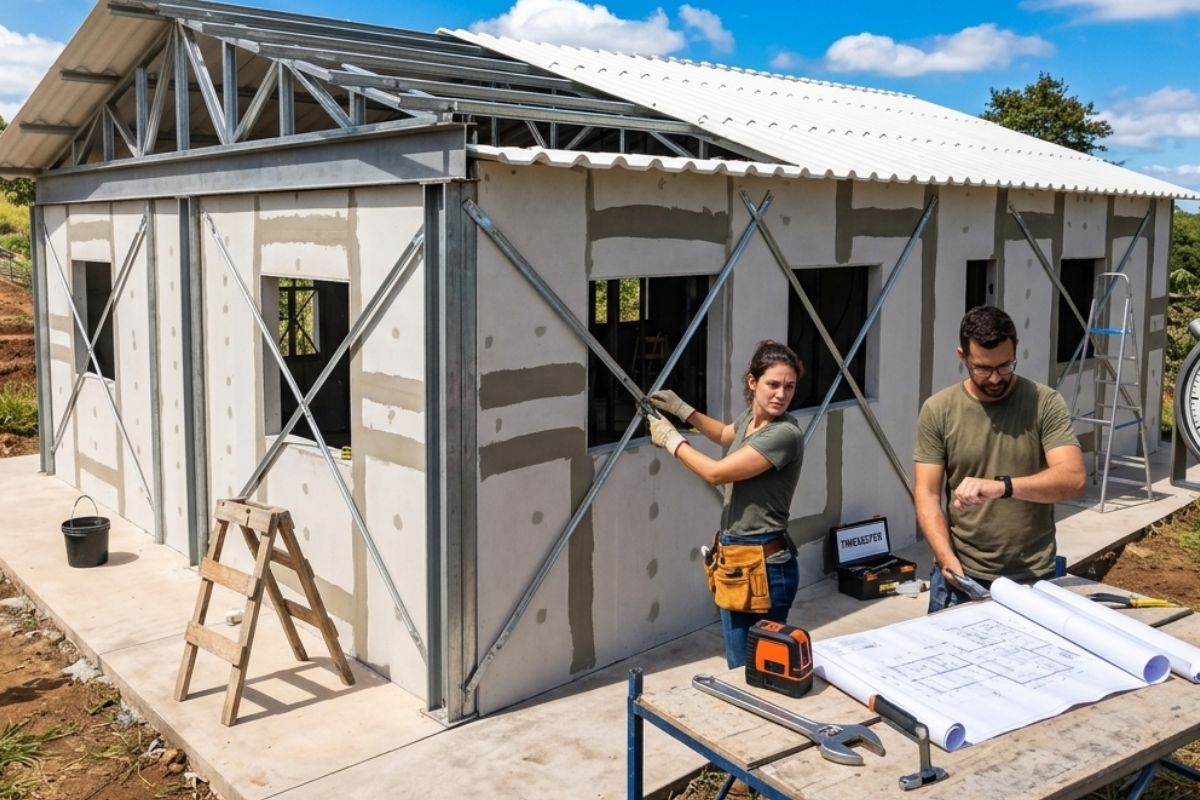
Couple leaves the city and builds a steel frame house in the countryside: sandwich roof, beams and columns secure the roof, X-braces prevent the walls from moving, and the 3-month deadline tightens.
-
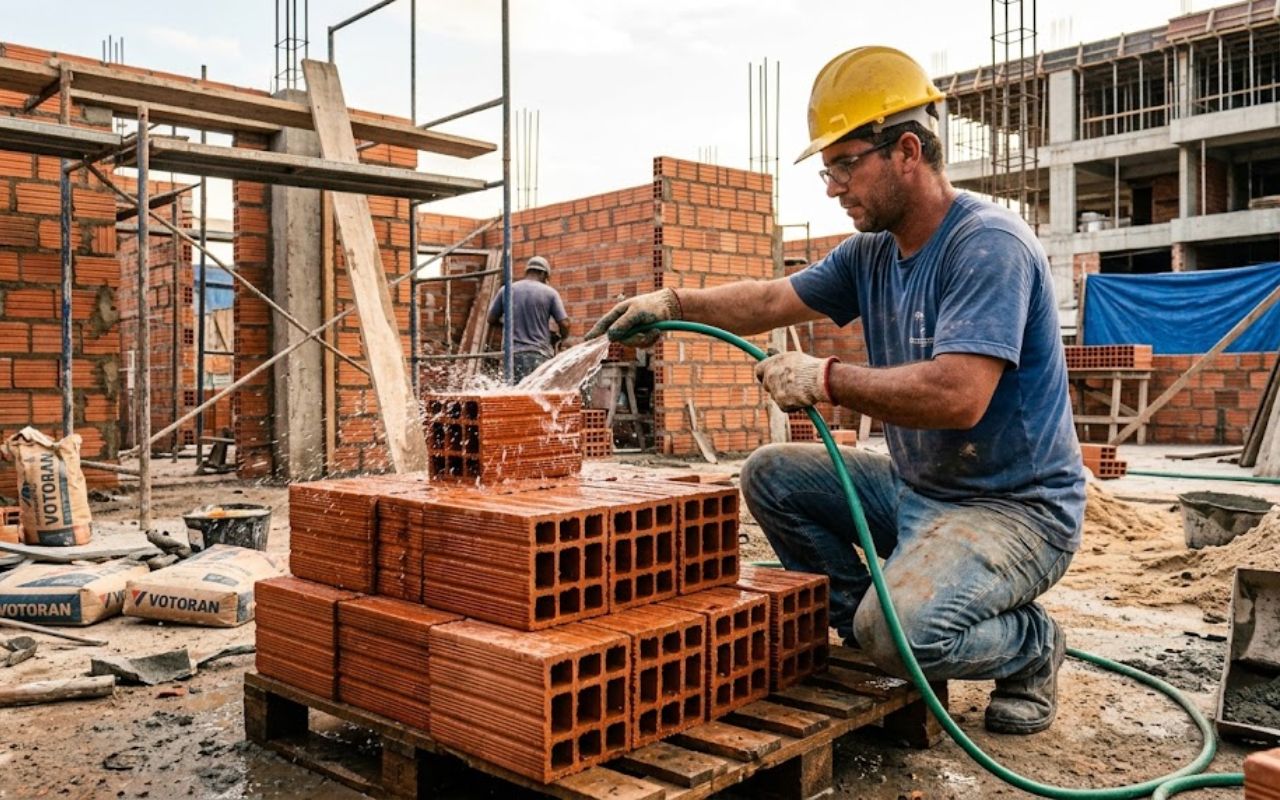
A simple technique of wetting the brick before laying it prevents cracks, improves the adhesion of the mortar, reduces fissures, and ensures stronger walls and more durable constructions.
The Bold Solution To Bring The Sea To The Desert
Then, a bold idea emerged. Instead of competing for the few remaining meters of coastline, why not multiply the coastline? The plan was to bring the sea to the people. This would be done by sculpting a network of navigable canals within the desert. Each canal would open up space for new shores. Thousands of lots would have direct contact with the water. The logic was simple: if there is no more coastline, construct more coastline. This idea shaped the birth of the maritime city of Sabah Al Ahmad.
The concept of the city is ingenious and radical. Kuwait decided to create its own artificial coastline. It is important to note that the project was built on an existing marshy coastal area with tidal movements, Alkhiran. This area in the south of the country, near the border with Saudi Arabia, was ideal. It had two natural tidal channels and relatively flat topography, facilitating excavation and water circulation. The aim of the construction was to transform this dry land into a mosaic of winding canals and artificial lakes.
How The Maritime City Was Built To Work With Nature
Transforming desert into a navigable city required surgical precision. The biggest obstacle was water. How to ensure that artificial canals would not turn into salty, stagnant puddles? To avoid expensive and inefficient pumping stations, engineers simulated nature. A computer hydrodynamic model predicted the behavior of water.
Based on the results, the construction system was adjusted. Massive tidal gates open and close by themselves, using only water pressure. Relief channels were added where the flow was too strong, preventing erosion. Openings in the breakwater allow for constant water renewal and the entry of marine life. The gates function as natural valves, with no electronic parts, in a 100% passive system. To prevent the deformation of the canals, the layouts distribute hydraulic pressure evenly. Salt-tolerant vegetation is also part of the engineering, stabilizing the soil and contributing to the microclimate. Sabah Al Ahmad was designed to work with the environment.
Distinct Approaches To Coastal City Construction
While Kuwait chose to work with nature, Dubai took a different path. Kuwait excavated the desert to pull the sea in. Dubai took sand out to the sea, creating land where none existed. Projects such as Palm Jumeirah and The World transformed the coastline of the Emirates, but at a high technical and environmental cost.
The islands of Dubai were the result of massive sand dredging. The visual spectacle, however, faced contradictions. The barriers protecting the islands hinder the natural flow of water. This creates challenges such as stagnation and erosion. In contrast, the construction of the maritime city of Kuwait was shaped by the actual behavior of nature. Information from the portal “Construction Time” indicates that its canals respect the curves of the tides, with wide openings that facilitate water renewal. While Dubai built a symbol, Kuwait built a system aligned with environmental logic.
More Than Luxury, An Answer To Traumas And Needs
The maritime city of Sabah Al Ahmad reflects Kuwait’s choices after a period of trauma. After the Gulf War, the country saw its oil wells burn. Rebuilding with environmental awareness became a necessity. The project proposes a new type of Arab city, combining luxury and ecological engineering.
However, the city has limitations. It is predominantly residential and car-dependent. It has few public spaces and low real urban density. It is a response to the desert for quality of life, but not necessarily a vibrant urban life. Even so, transforming desert into a clean, navigable, and self-regulating city is a remarkable achievement. Engineering, geopolitics, and nature come together in this territory. In the end, Sabah Al Ahmad shows that progress in the Persian Gulf can be a careful adaptation to nature, not a confrontation. Perhaps that is the true lesson of this city.





-

Uma pessoa reagiu a isso.