





 Portuguese
  English
  Spanish
  4 min of reading
  0 comments


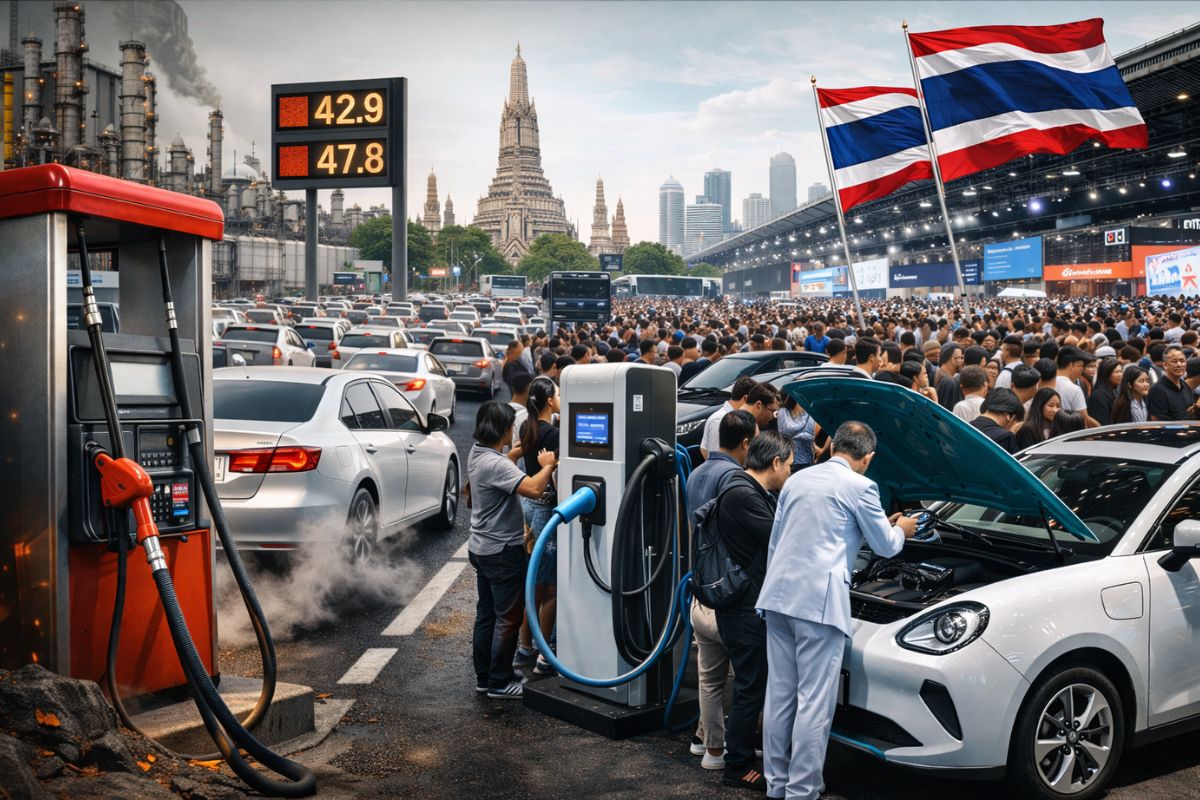
The rise in fuel prices combined with Thailand’s dependence on oil imports is pushing consumers towards competitively priced Chinese electric vehicles as queues form at gas stations and electric car reservation forms pile up at the Bangkok International Motor Show
Queues of kilometers on highways, engines idling, dry pumps at gas stations, and fuel prices that keep rising. According to a report from the CGTN Español, Thailand, which imports most of the oil it consumes, is on the front lines of global energy shocks, and the pressure on drivers’ wallets is causing a behavioral shift that environmental campaigns have never achieved. At the Bangkok International Motor Show, Chinese electric vehicles dominate the space and reservation forms are piling up.
What is happening in Thailand is not an ideological movement in favor of the environment. It is a direct economic reaction to the fuel crisis. Consumers are doing the math: fuel costs versus electricity, monthly payments versus long-term savings, uncertainty at gas stations versus something more predictable at home outlet. And the calculations are favoring electric vehicles, especially with Chinese automakers flooding the market with competitive models that cost a fraction of their European or Japanese counterparts.
Why the fuel crisis is accelerating the electric transition in Thailand

Thailand, like much of Southeast Asia, heavily depends on oil imports to power its fleet.
-
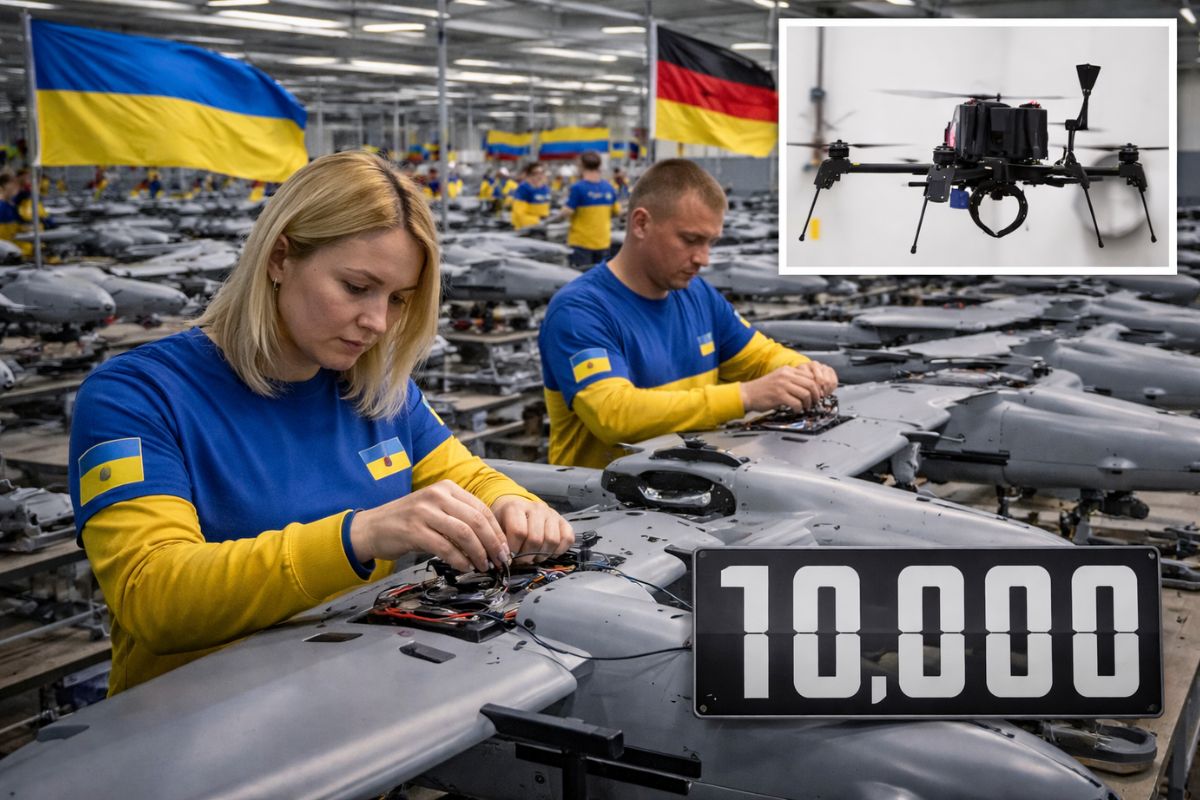
Ukrainian refugees in Germany are assembling war drones in a factory near Munich to send back to their own country, aiming to produce 10,000 units by the end of 2026, and some have already returned to the front lines hundreds of times.
-
Cardboard drone created in Japan reaches 120 km/h, has up to 80 km of range, low-cost design can be assembled in a few minutes and stands out for its simplicity and mass production.

-
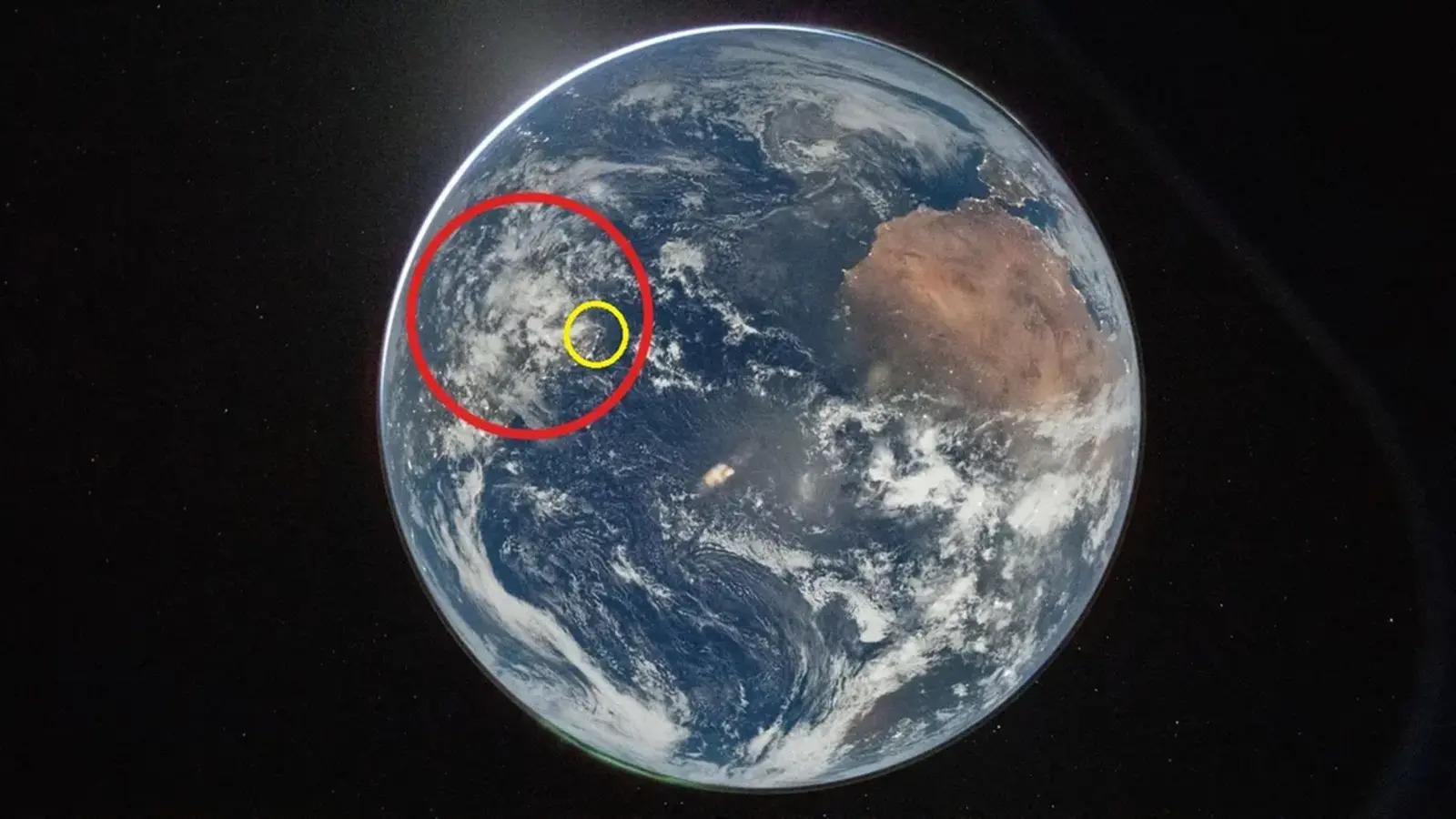
Ceará stands out in the world: it appears in the first photo of Earth taken by Artemis II, and a detail in the Brazilian Northeast catches attention even with clouds covering part of the state.
-
With a 6-liter tank and a door that opens by itself, the Midea countertop dishwasher cleans 30+ items without installation, promises up to 70% less water usage, and 30% faster drying, featuring a display, child lock, and anti-leak system.

When prices rise in the international market due to wars, OPEC production cuts, or geopolitical instability, the pass-through to Thai gas stations is quick and brutal. Drivers feel it in their wallets almost immediately, without the cushion of subsidies that oil-producing countries can offer.
This vulnerability has created the perfect scenario for the adoption of electric vehicles. It is not about ecological conviction; it is financial survival.
“At first, I had no interest, but recently I became concerned because gasoline and fuels are expensive. That’s why I changed my mind and decided to buy an electric car,” explained a visitor at the Bangkok Show.
The fuel crisis is doing in months what decades of environmental campaigns could not: changing mass buying behavior.
The Bangkok Motor Show and the avalanche of Chinese electric vehicles

This year’s Bangkok International Motor Show has a visibly different atmosphere from previous editions.
Electric vehicles have moved from a niche to the center of attention, with dozens of Chinese brands showcasing new models at prices that make the transition from fossil fuels financially accessible. Organizers expect over a million visitors throughout the event.
Chinese automakers have understood the opportunity. While traditional Japanese and European manufacturers still price their electric vehicles as premium products, Chinese brands are offering competitive electric vehicles that directly compete with combustion cars in price range, eliminating the main barrier that prevented cost-sensitive consumers from making the switch.
In the exhibition hall corridors, the change is visible: electric booths are crowded, and reservation forms are multiplying.
Consumers are doing the math and abandoning fuels


The decision to switch from a gasoline car to an electric one in Thailand is not being driven by IPCC reports or government climate targets.
It is a simple calculation that any driver can make: how much do I spend per month on fossil fuels versus how much would I spend on electricity. With fuel prices constantly rising and electricity relatively stable, the math increasingly favors electric vehicles.
Industry representatives at the Bangkok Show confirm the trend. “I believe this will be a crucial point in customers’ decision-making process. We expect above-average growth,” said an executive during the event.
Another industry analyst added that the fuel crisis not only drives demand but can be “the determining factor that makes people want to opt for electric vehicles even more.” The uncertainty about fuel prices is reshaping demand in real-time.
What Thailand reveals about the global future of fossil fuel transition
The Thai case is a microcosm of what can happen in any country that depends on fuel imports and faces price shocks.
The lesson is that the energy transition in transportation does not need to be led by environmental conviction; it just needs fuel prices to be high enough for consumers to seek alternatives on their own. The economy does the work that ideology could not.
For automakers, governments, and consumers, the message from Bangkok is clear: change is already happening, and it is being accelerated not by government incentives or carbon targets, but by the price at the gas station.
The fuel crisis is transforming Southeast Asia into a laboratory for accelerated electric vehicle adoption, and what works in Thailand today could be the reality for dozens of other oil-importing countries tomorrow. The question is no longer if the transition will happen, but how fast.
Would you switch your gasoline car for an electric one if fuels became even more expensive? Is the price crisis what was needed to accelerate the transition? Let us know in the comments.






Seja o primeiro a reagir!