





 Portuguese
  English
  Spanish
  4 min of reading
  0 comments



Plan under discussion aims to reduce family debts and expand access to cheaper credit, focusing on low income, informals, MEIs, and small businesses; economic team announces in the coming days
The government is considering allowing the use of FGTS to pay off debts as part of a new credit package being developed, according to Finance Minister Dario Durigan. The proposal is still under analysis and has not been finalized, but the economic team treats the topic as a front to reduce debts and ease family budgets.
The initiative is being discussed with the Ministry of Labor and Employment, led by Luiz Marinho, who expresses concern about possible impacts on the fund. Despite the progress in discussions, the package has not yet been finalized, and the announcement may come in the coming days.
FGTS for debt settlement is still under analysis
Durigan stated that the use of FGTS to finance debts is still under evaluation and depends on the final design of the program.
-
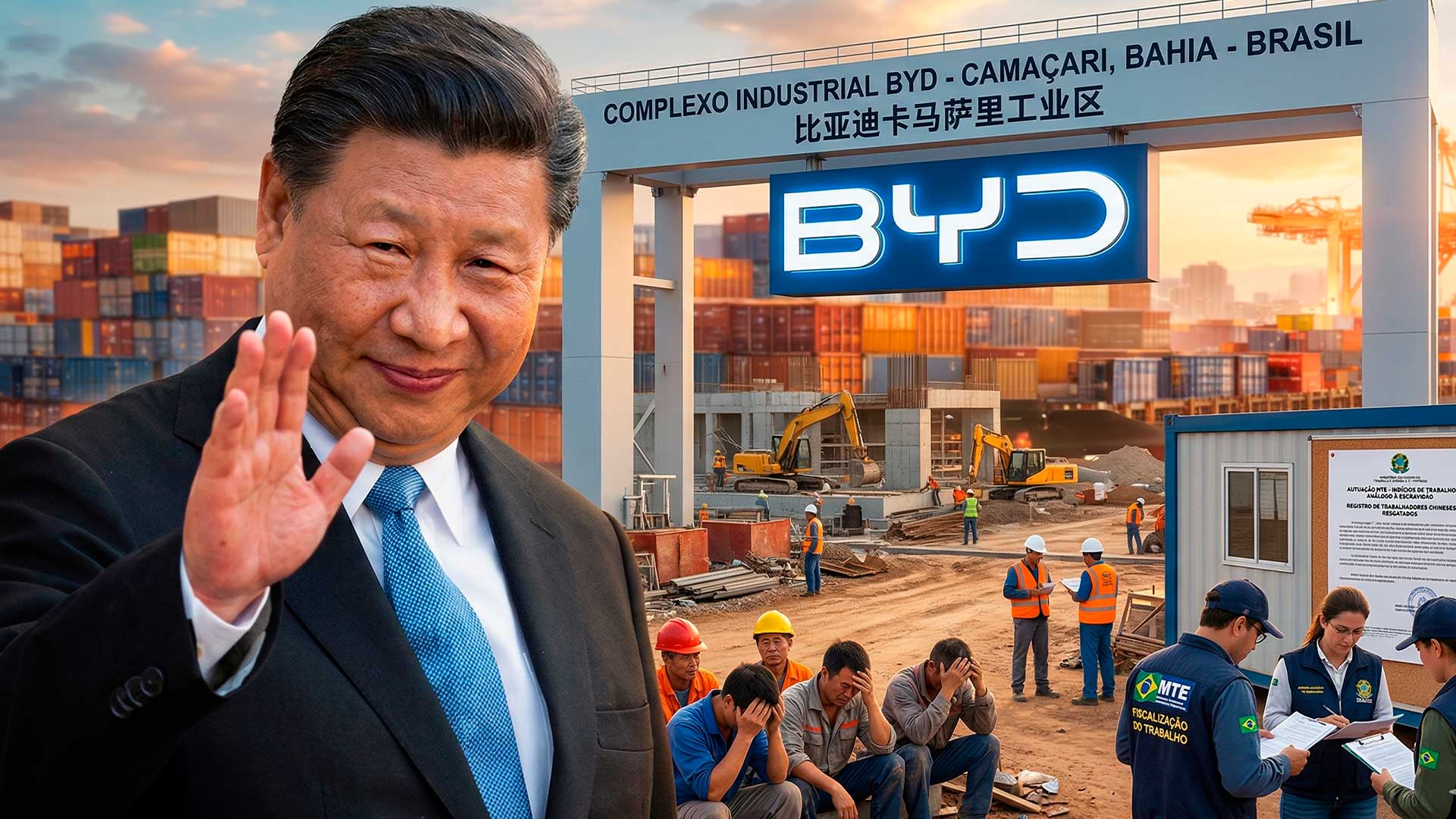
China reacts after BYD enters the dirty list of slave labor in Brazil, case exposes work in Bahia and increases pressure on the electric vehicle manufacturer.
-
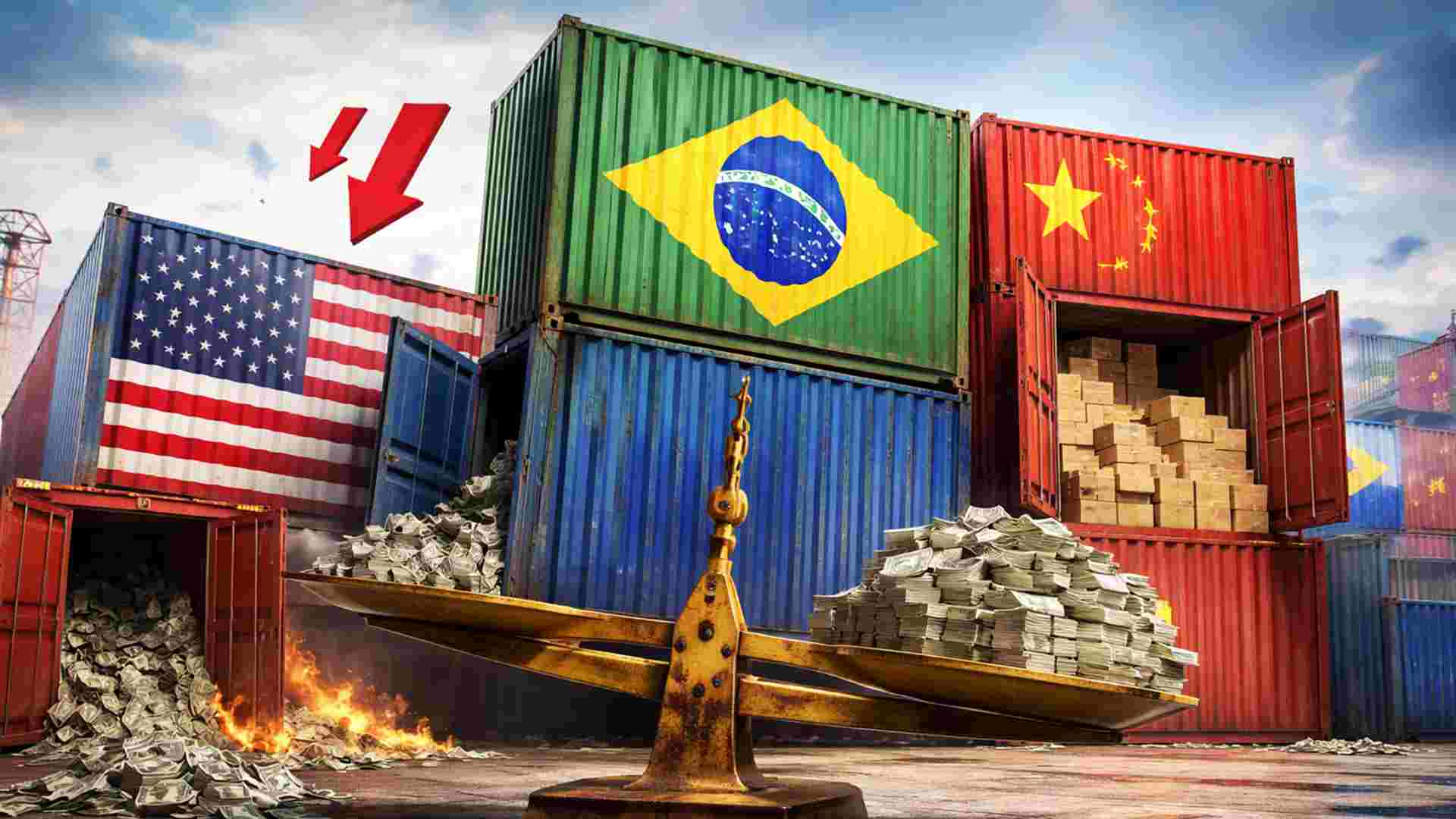
Brazilian product exports to the U.S. plummet, accumulating 8 consecutive declines after Trump’s tariff hike, resulting in a deficit of $420 million, while China buys more and becomes the great savior of the Brazilian trade balance.
-
Boa Safra (SOJA3) targets Nigeria: $10 million JV brings corn technology to Africa and challenges expensive credit in 2026.

-
Russia and China already conduct 99% of their trade with each other without using the dollar, and BRICS is creating a digital tool on blockchain so that other countries in the bloc can do the same soon.

The idea, according to him, is to allow this possibility if the government considers the measure reasonable for the settlement and renegotiation of debts, but without detailing what the access rules would be.
The discussion with the Ministry of Labor and Employment is precisely to measure effects and limits, as any change in the use of the fund requires caution regarding impacts and sustainability.
Credit package with federal guarantee seeks to reduce cost of money
In addition to FGTS, the government is preparing a credit package that may include federal guarantee for debt renegotiation.
The logic is that this guarantee helps improve payment conditions, with lower interest rates and more viable terms, especially for those who currently find credit expensive or difficult to obtain.
The declared goal is to reduce indebtedness and expand access to cheaper lines, with a model that the government intends to make simpler than previous initiatives.
Who the program can attend
The plan under study focuses on groups more pressured by debts and with less access to credit on favorable terms.
Among the mentioned groups are low-income individuals, informal workers, individual micro-entrepreneurs (MEIs), and small businesses.
There is also discussion about including people with accounts up to date but with high income commitment. In this case, the proposal would be to allow migration to cheaper credit, reducing the risk of turning a controlled situation into new debts.
Discounts of up to 80% and which debts can enter


The program may provide for discounts of up to 80% on the total amount of debts, depending on the type of renegotiation and the defined conditions.
The mentioned list includes debts such as credit card, overdraft, and personal loans, which tend to have higher interest rates and quickly worsen indebtedness.
The proposal, however, still depends on a final format, and the government has not confirmed which categories will have priority, nor what criteria will be used to apply discounts and guarantees.
Possible restriction for bets and attempt to avoid new indebtedness
Another front under discussion is to create restrictions for online betting, the bets, for beneficiaries of the program. The justification would be to avoid new indebtedness after renegotiation, reducing the risk that people will accumulate debts again shortly after receiving better conditions.
There is still no confirmation on how this restriction would work, but the topic is part of the package that the economic team is discussing.
High default rate pressures solution for debts
The debate occurs in a context of high indebtedness. Recent data indicates that more than 80% of Brazilian families have some type of debt, and almost a third are behind on payments.
This context reinforces the urgency of measures that reorganize debts without pushing the cost to unpayable installments.
To make the program feasible, the government says it is in dialogue with banks, fintechs, and financial institutions, seeking a simpler operational design with greater reach.
When the announcement may come out
Despite the progress, the package has not yet been finalized. The government’s expectation is to announce the measures in the coming days, but the final content depends on alignment between ministries and the conditions agreed upon with the financial system.
If the FGTS for debt settlement is approved, do you think it really helps to reorganize families’ debts or could it bring new risks for those already at the budget limit?
With information from Agência Brasil.









Seja o primeiro a reagir!