





 Portuguese
  English
  Spanish
  4 min of reading
  38 comments


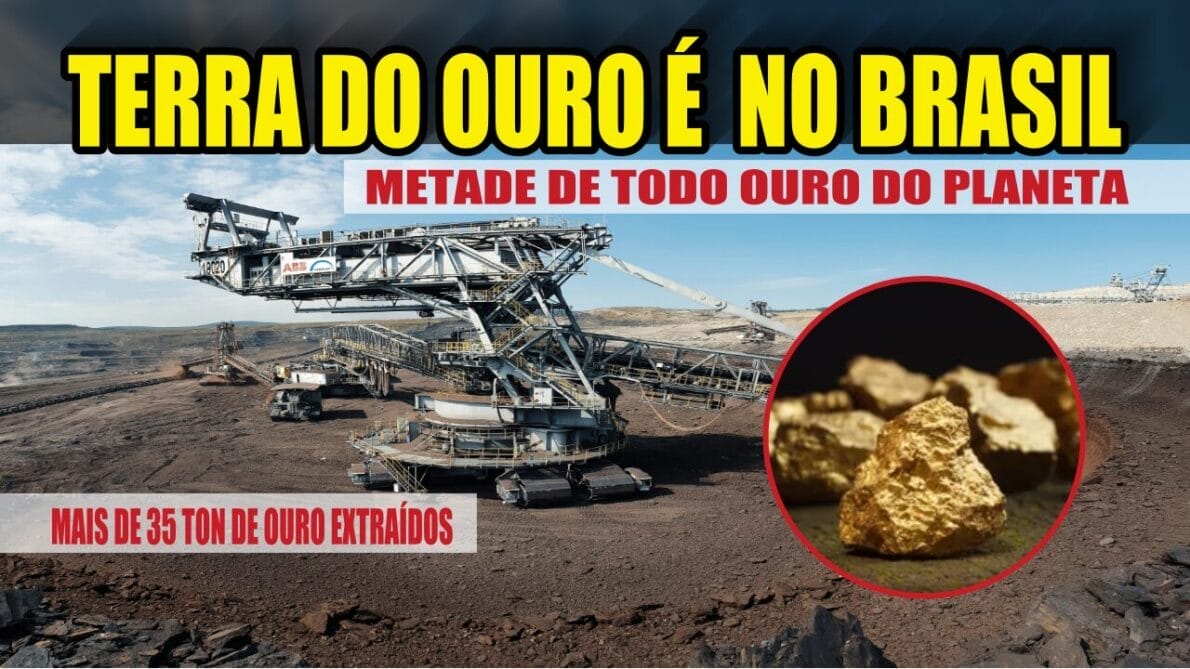


Discovery of the Passage Mine Changed the History of Minas Gerais and Mining in Brazil, Making the Country One of the Main Producers and Exporters of Gold in the World!
Relive the Gold Rush! In the 18th century, gold extraction was the most profitable activity in Brazil. Everyone wanted to go to Minas Gerais in search of this valuable metal, in rivers, in the mountains, and even underground. But did you know there is still a place where you can relive the gold cycle and feel like you’re in the past?
If you want to know this place, keep reading and come visit the Passage Mine, one of the most important gold deposits in the history of Brazil.
PASSAGE MINE: Meet the LARGEST GOLD DEPOSIT in the World Located in Brazil!
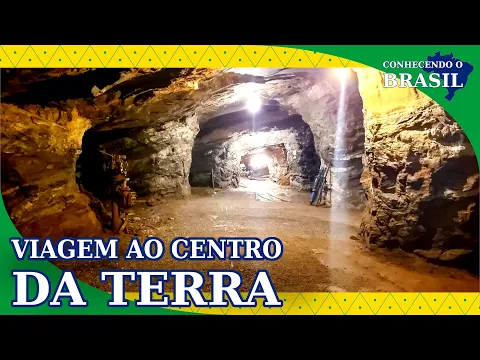

Giant Gold Mine: About 35 Tons of Gold Were Extracted
The Passage Mine is a giant gold deposit located in the municipality of Mariana, in Minas Gerais. It is considered the largest gold mine open for visitation in the entire world. Since its foundation in the 19th century until the end of operations, about 35 tons of gold were extracted.
-
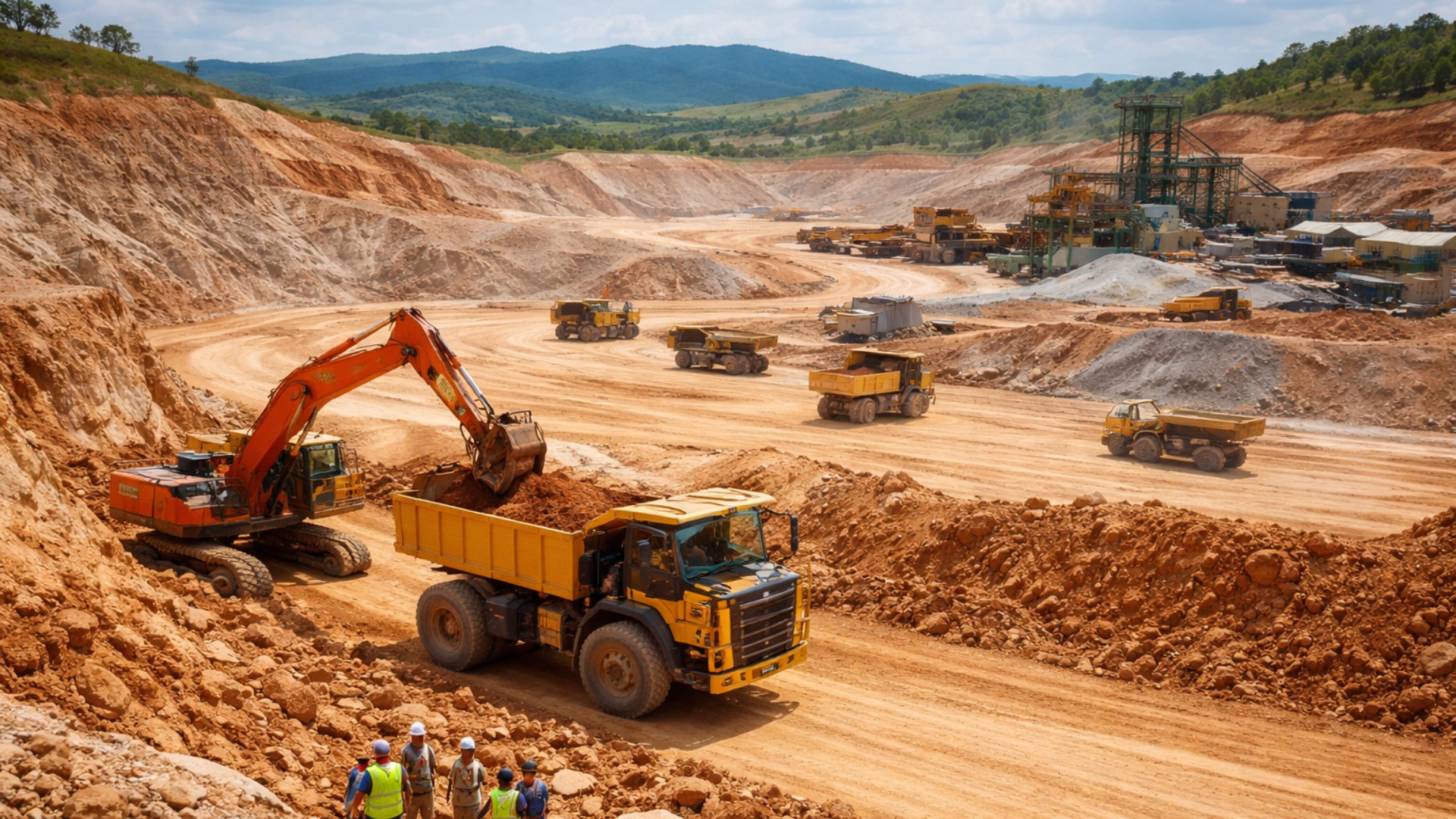
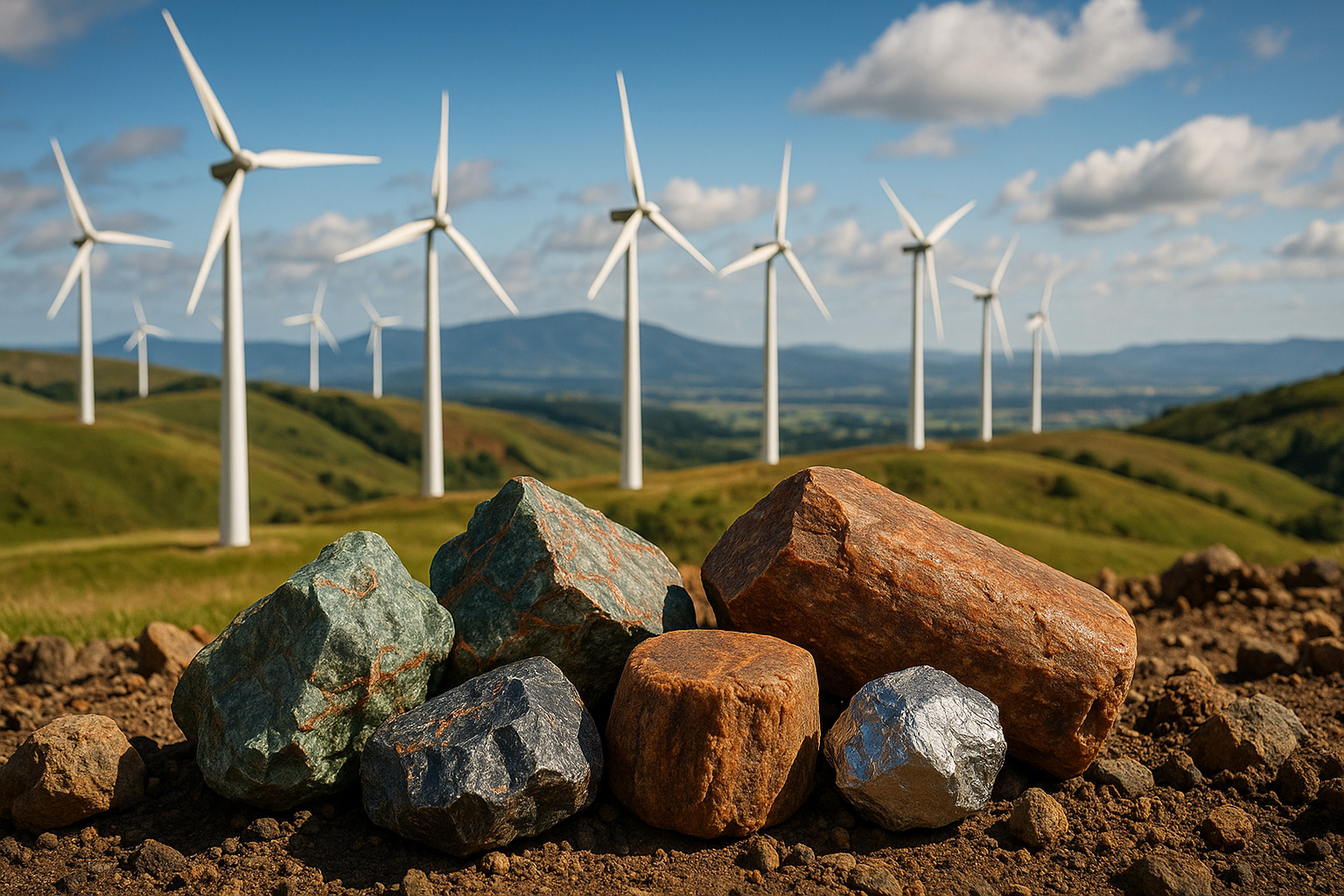
After China, it’s now the turn of the USA to ‘secure’ a share of Brazil’s natural resources: the country buys critical rare earths for R$ 3 billion and enters the center of the global technology dispute.
-
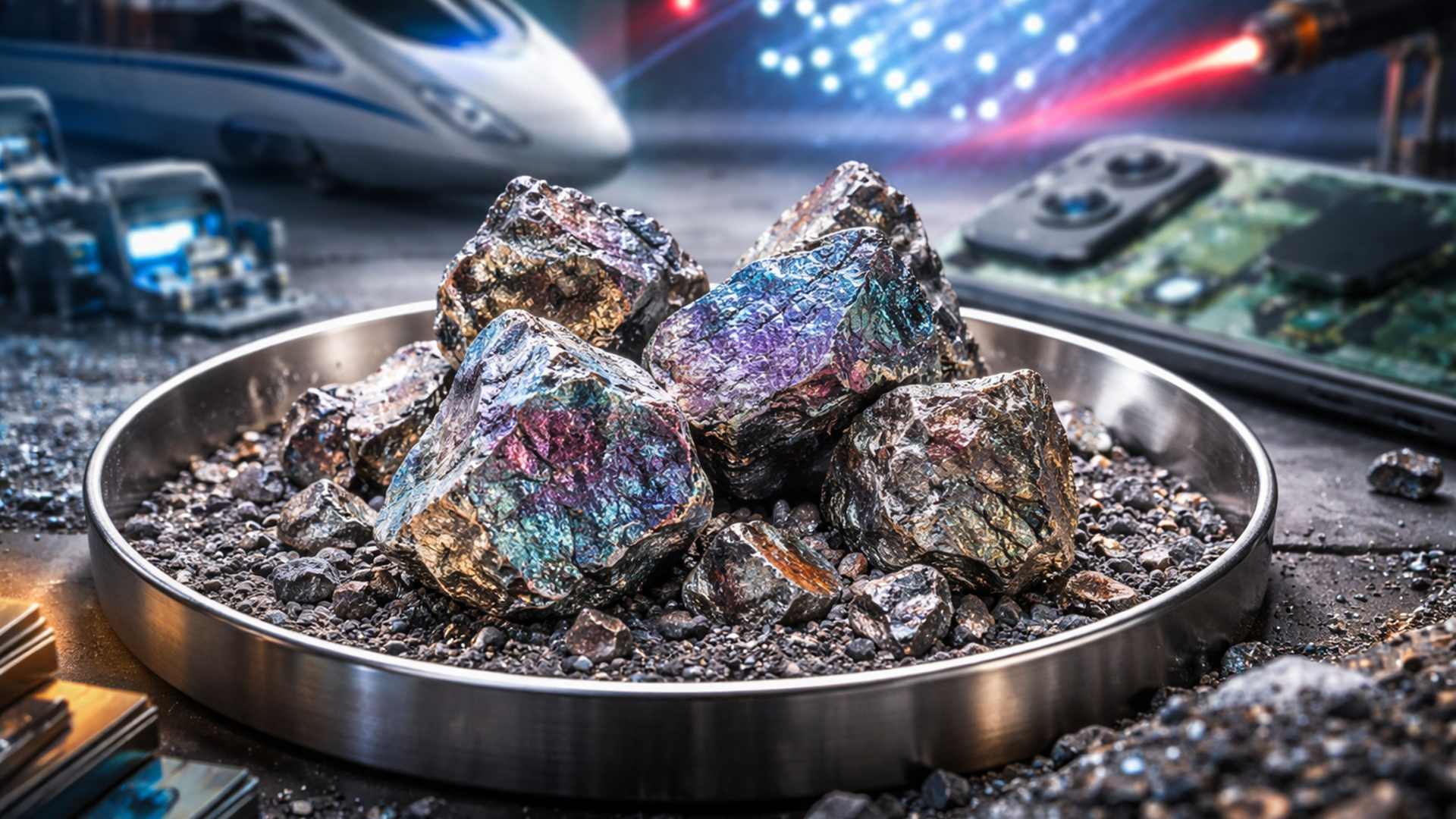
Rare earths are in everything, from cell phones to bullet trains, and what almost no one realizes is why they have become the target of such a delicate global war.
-
Historic bankruptcy of Centauro shocks the market, and the century-old company puts more than 500,000 products, machines, and complete infrastructure up for online auction.

-
Brazil extracts 26.3 million tons of ore from what was previously treated as waste, transforming residues into wealth, producing over 3 million tons of sand, and demonstrating how national mining is relearning to generate value.
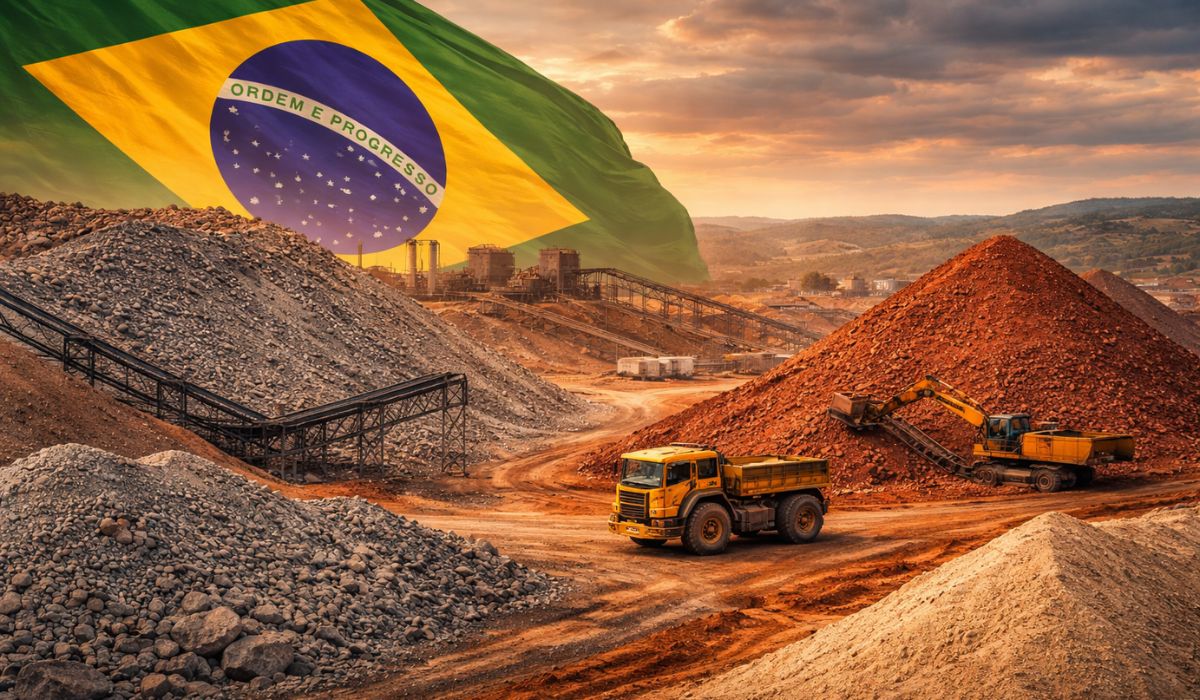
Imagine all the wealth that came out of this place! Even deactivated, the Passage Mine continues to generate profit, receiving approximately 300 visitors every day.
Minas Gerais Once Produced Almost Half of All Gold in the World
The history of the Passage Mine dates back to the 17th century when bandeirantes explored the interior in search of gold and precious stones. In 1695, a group of bandeirantes began to explore the Tripuí region, where the city of Ouro Preto is located today, and found granite blocks embedded with gold particles. This discovery attracted many people to the region, initiating the so-called Gold Cycle.
Minas Gerais once produced almost half of all the gold in the world, making many people wealthy. The mansions and churches of the first villages in the region, such as Vila Rica (now Ouro Preto) and Vila do Carmo (now Mariana), are testimonies to this period of luxury.
The Passage Mine Had More Than 30 Kilometers of Underground Tunnels, Occupying an Area of Over 7 Thousand Square Meters.
The Passage Mine had different owners over the years. In 1819, Baron de Eschwege, a German geologist, purchased the mines to form the first mining company in Brazil, the Sociedade Mineradora de Passagem. It was during this period that the industrial phase of gold exploration began, using modern machines to dig increasingly deeper tunnels.
The mine was controlled by the English for a time, who brought new technologies and expanded the tunnels to neighboring mines. At its peak, the Passage Mine had more than 30 kilometers of underground tunnels, occupying an area of over 7 thousand square meters.
With the low price of gold and high inflation, mining became unfeasible. In 1954, operations were practically halted. However, in 1976, the mine was sold to a controlling group that transformed the site into a tourist attraction. Since then, visits to the Fundão Mine, part of the Passage Mine, have become a popular activity.
Explore the Passage Mine
The access to the Passage Mine is easy, being just a 10-minute drive from Ouro Preto and five minutes from Mariana. Upon entering the space, visitors encounter a small shop selling handicrafts and precious stones, as well as a small museum with items used during the height of gold exploration in the mine.
The main attraction of the deposit is the underground galleries. Visitors are transported by a railway cart to a point that is 120 meters below ground. From this point, it is possible to explore the halls and galleries of the mine, which are larger and more spacious than those in other mines in the region.
It Is Possible to Notice the Golden Glow on the Walls of the Mine, Caused by the Presence of Pyrite
Visitors are accompanied by guides who narrate the history of the mine, the gold cycle, and share local legends. During the tour, it is possible to notice the golden glow on the walls of the mine, caused by the presence of pyrite, a mineral of iron disulfide.
Another highlight is the underground lake with crystal-clear waters. This lake formed when excavations reached the water table. Currently, the lake is explored by certified divers and has become one of the largest meeting points for cave divers in Brazil.
At the end of the tour, visitors have the opportunity to participate in a panning demonstration with the pans that were used to separate the gold from other materials in the water. This activity was part of the routine of miners at the Passage Mine.
Gold Mine in Minas Gerais Significantly Contributed to the History of Brazil
The Passage Mine is a place that needs to be preserved so that its historical importance is not forgotten. Despite all the difficulties faced by the workers of the time, mining significantly contributed to the history of Minas Gerais and Brazil.
I would love to know if you already knew the story of the Passage Mine. Tell us in the comments section if you are a resident of the region or if you have personally visited this incredible gold deposit. Don’t forget to leave 5 stars and activate the CPG notifications to keep up with all the news from the mining world. See you next time!




Ok
Sou fanático por garimpo gostaria muito de visitar esse local. Parauapebas PA
Para que serve o ouro? Entao me falem agora .pensem nas maiores riquesasque sao as terras onde produzimo o que comer vestir calcar morar e tranportar e mais .
Gostei muito da estória ainda não tinha visto falar mais um dia pretendo conhecer