





 Portuguese
  English
  Spanish
  4 min of reading
  0 comments


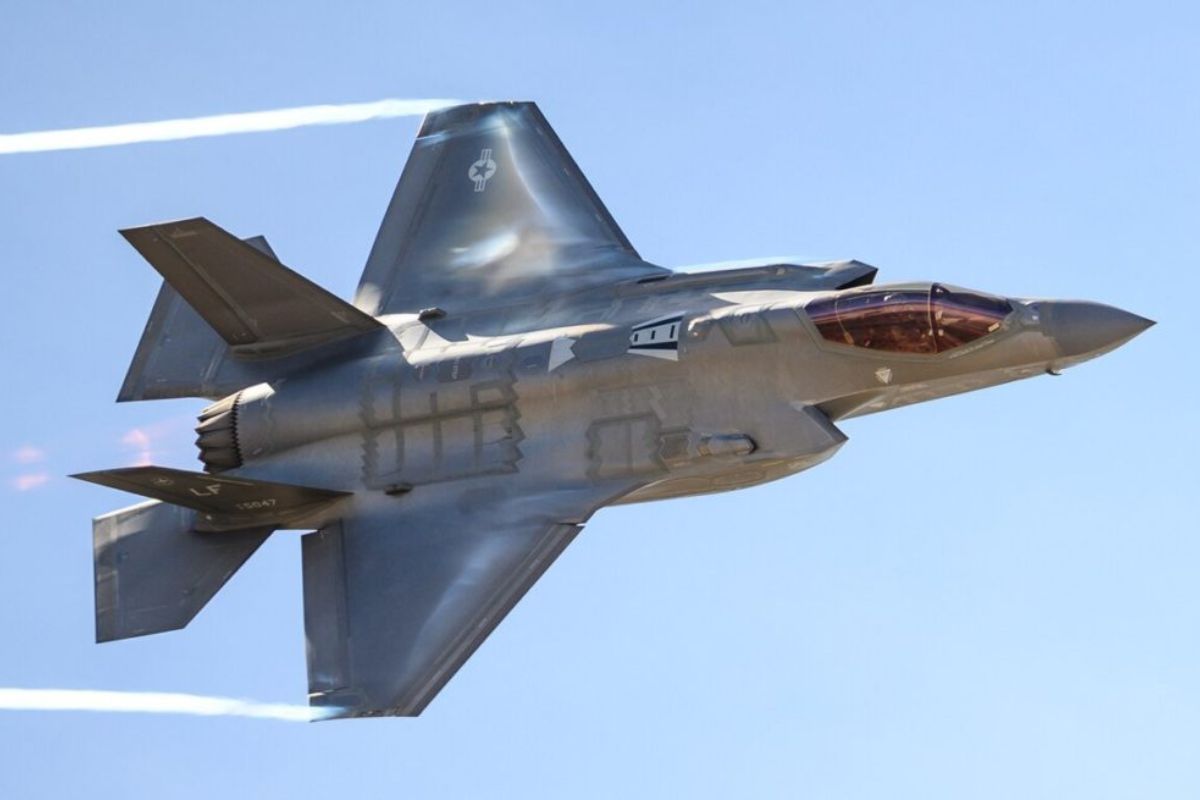
With the F-35 at the center of the strategy, the United States maintains technological superiority but faces an industrial bottleneck, while Beijing bets on volume and pressures aerial deterrence.
The U.S. has bet on quality and made the F-35 the centerpiece of its combat aviation, but now it encounters a problem that cannot be solved with software or sensors: it cannot produce in sufficient volume. The consequence is strategic because a smaller and aging fleet reduces the margin for maneuver in simultaneous crises and weakens the idea that air superiority is guaranteed.
On the other side, China follows an opposite path, with industrial expansion and a production rate exceeding that of the current U.S., aiming for up to 300 aircraft per year before the end of the decade. This contrast changes the game because the competition is no longer just about “who has the best fighter” but also includes “who can sustain the scale.”
The industrial dilemma of the U.S. after the Cold War
Washington faces a double dilemma. First, the country produced hundreds of fighters per year during the Cold War, with factories capable of maintaining a pace close to that of a wartime economy. Today, that level has become an exception, and the industrial replacement capacity is no longer the same.
-
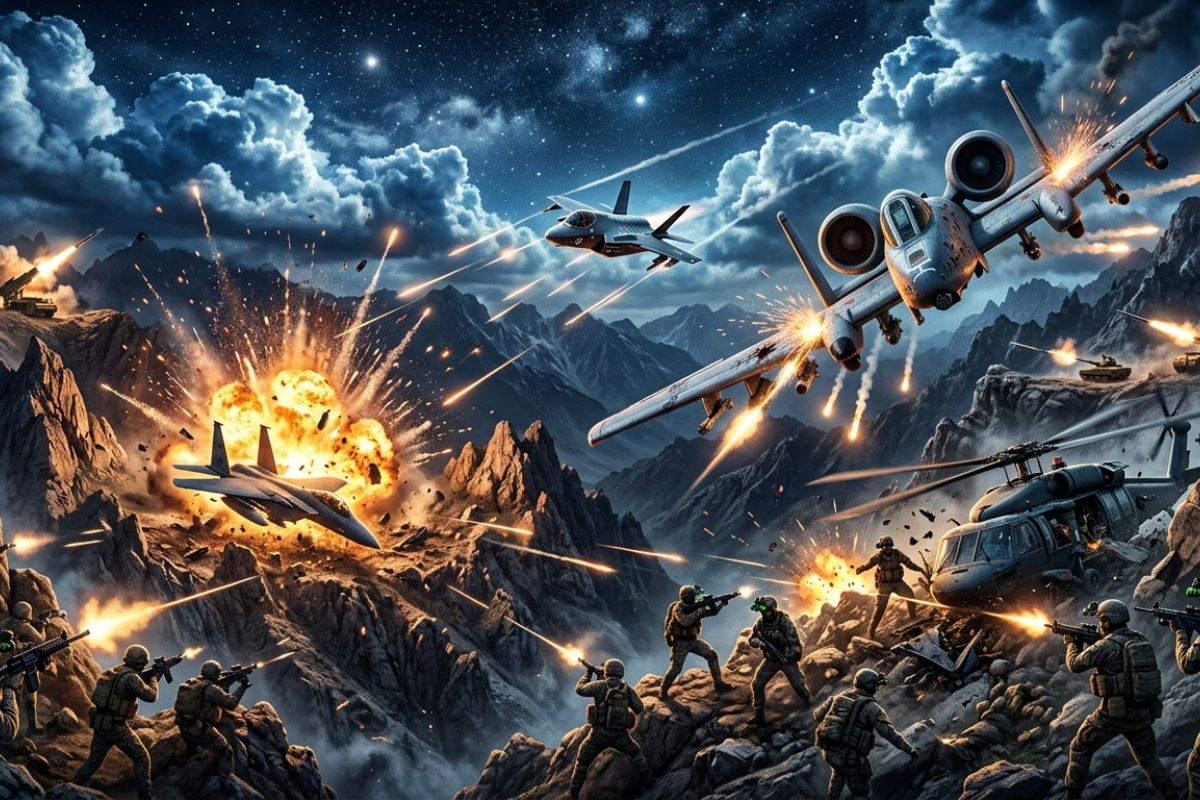
Total night of chaos in the Zagros mountains: Iran shoots down an F15 Strike Eagle, damages an A10 during the rescue, and hits an F35; helicopters fall into an ambush while the US insists: no one gets left behind, ever.
-
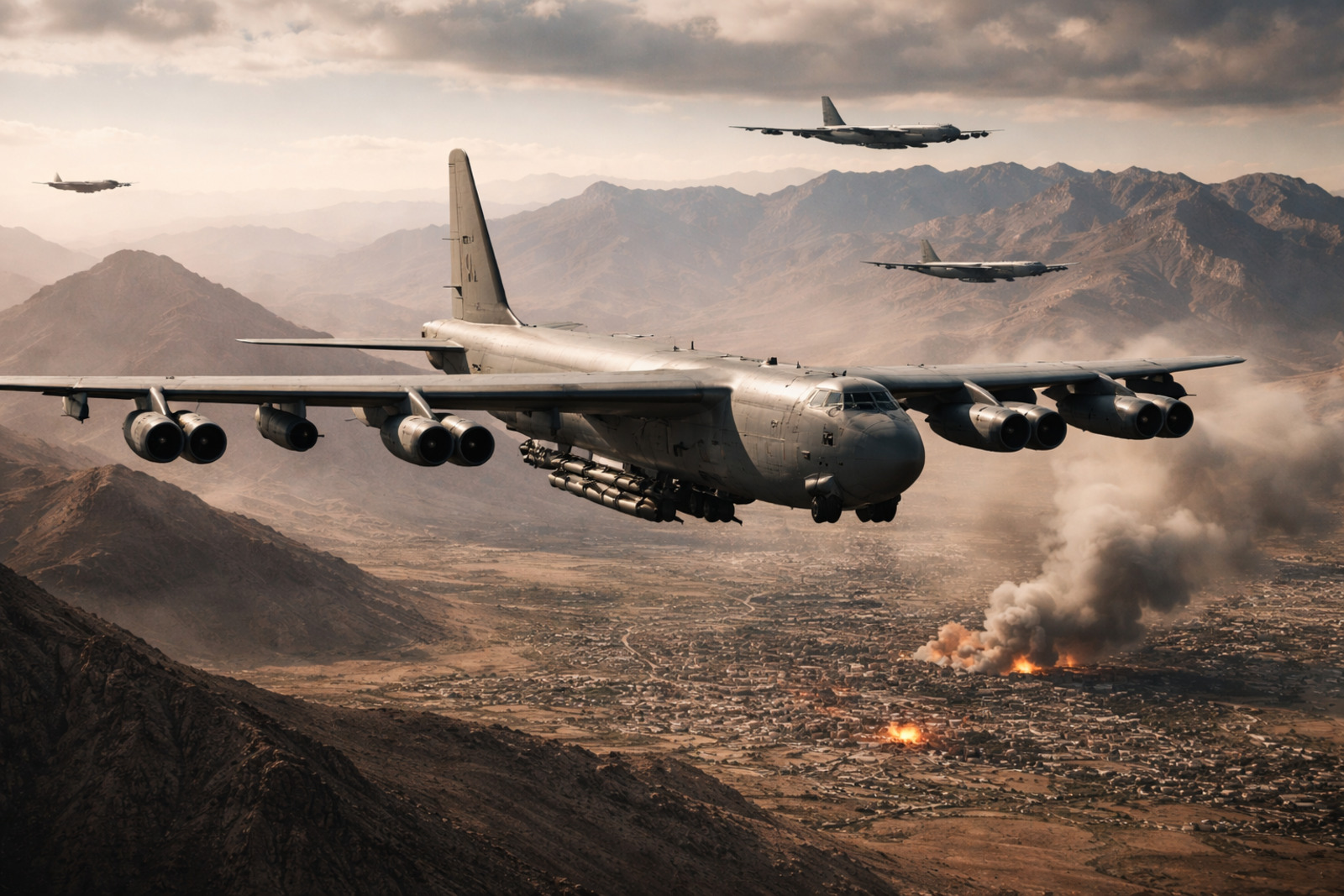
The USA is “filling” the skies of Iran with B-52 bombers just to show that they have “annihilated” the enemy air forces.
-
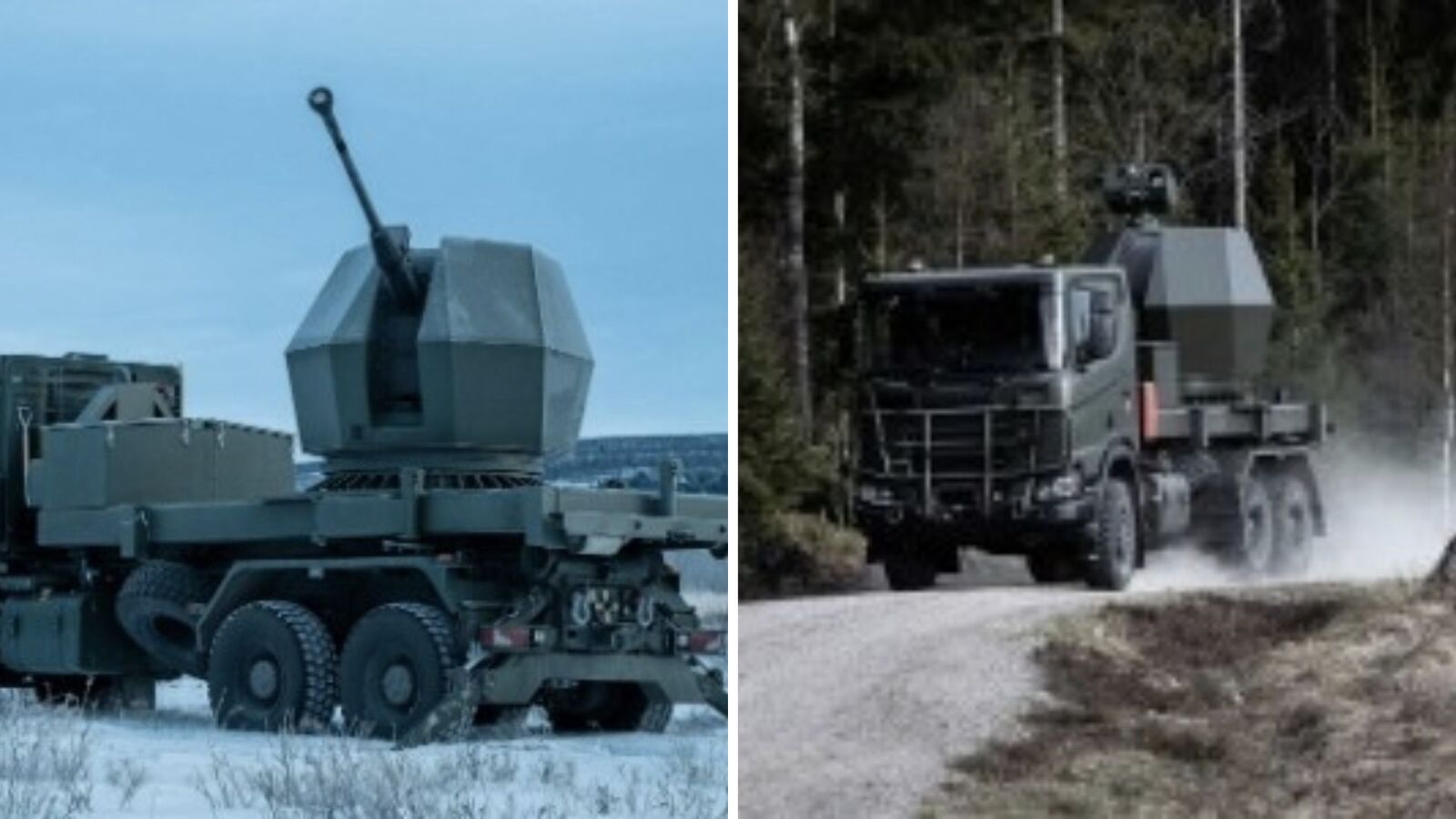
Mounted on a truck, this super 40 mm anti-aircraft cannon faces everything, taking down drones, cruise missiles, aircraft, and can even hit armored vehicles up to 12 km away with mastery.
-
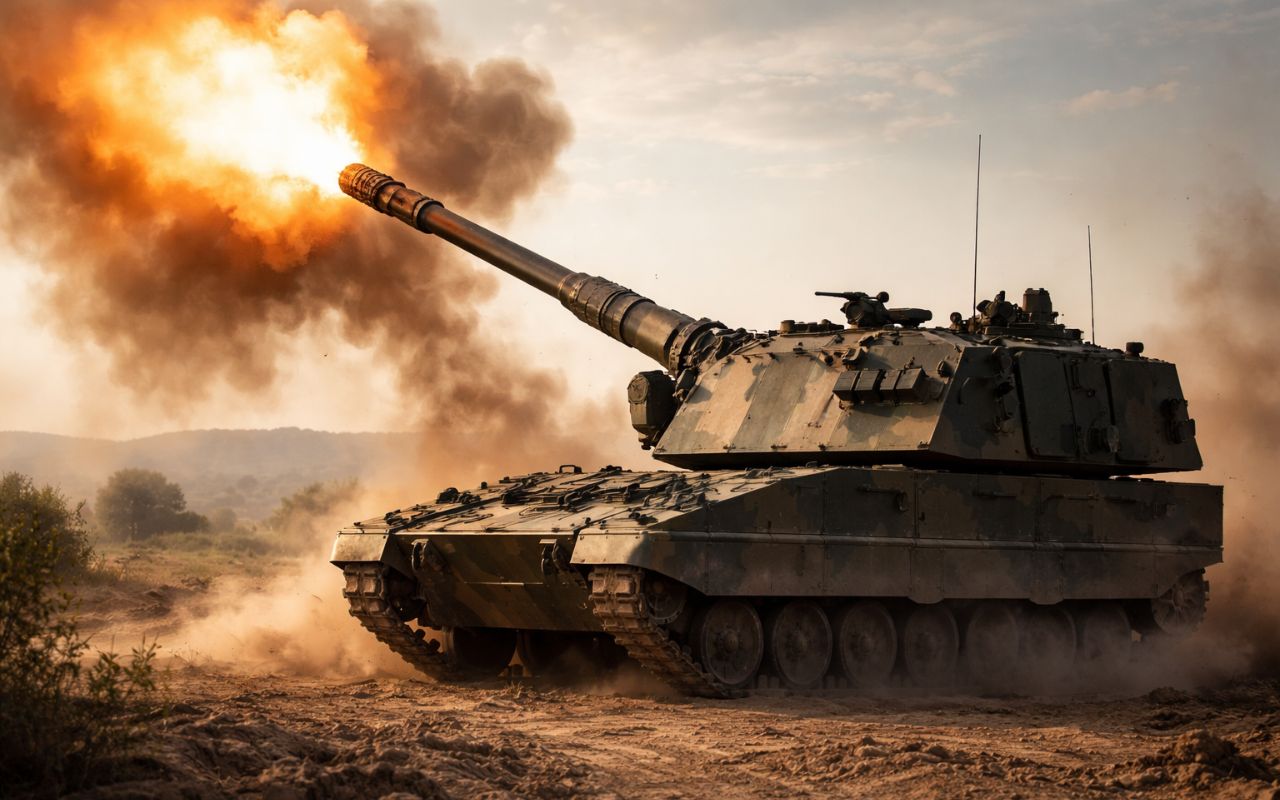
The German “steel monster” weighing 55 tons fires up to 10 projectiles per minute at over 40 km and avoids counterattacks on the battlefield by moving quickly to escape enemy attacks; meet the Panzerhaubitze 2000.
The second dilemma is China. With a rival expanding its industrial base, the American problem is no longer just internal. The direct comparison of scale now weighs as much as technology.
A smaller and older fleet reduces operational flexibility
The United States is dealing with a growing challenge because its fleet of fighters has shrunk by more than 60% since the end of the Cold War and many aircraft have decades of service.
Even maintaining dominant air power, the combination of aging, operational wear, and global demands pushes the system to its limits.
The result is a more “stretched” force, with a reduced capacity to absorb crises in more than one theater at the same time. It’s not a lack of quality, it’s a lack of depth.
China operates on another scale and threatens to turn the tide
The most sensitive point is comparative. Beijing produces fighters at a rate that exceeds the current U.S. capacity and sustains its bet on volume with industrial expansion.
The cited projections mention up to 300 aircraft per year before the end of the decade, a pace that accelerates modernization and reduces the gap in quantity.
This alters the balance because volume is not just a statistic. Volume means presence, rotation, replacement, and the ability to maintain prolonged operations.
Why the F-35 is powerful yet insufficient

The F-35 is not just treated as a fighter. It is described as an information hub, capable of coordinating complex operations in real-time. This technological superiority, however, exposes the weak point: there is excessive dependence on a platform that does not arrive in sufficient quantity.
When production does not keep up, the strategic impact of the F-35 becomes limited. The advantage exists, but it does not multiply at the necessary pace to replace retirements and sustain fleet size.
The purchasing pace does not cover retirements and creates gaps
While China accelerates acquisitions, the U.S. maintains an irregular and insufficient pace, below the minimum necessary to preserve fleet size. Annual purchases do not compensate for the retirement of old aircraft, progressively reducing operational capacity.
Here, the root of the problem appears clearly. The issue is not technological; it is industrial and budgetary.
Modern war demands scale, not just excellence
Recent conflicts reinforce an uncomfortable reality: air superiority depends on better aircraft and also on sufficient numbers.
Sustaining operations, covering multiple theaters, and absorbing losses requires scale. And it is precisely at this point that the U.S. begins to fall behind against a rival that bets on volume.
In other words, it is not enough to have the best fighter if the structure cannot produce and maintain the whole in critical mass.
The decision of the next 10 years and the weight on deterrence
The global air balance enters a more critical phase, where the historical advantage of the U.S. is no longer automatic.
If production does not accelerate, if the industry does not stabilize, and if the fleet is not reinforced with more F-35 and other systems over time, the deterrent capacity against China comes under pressure.
The central question is no longer whether the F-35 is sufficient as a platform. It becomes whether there will be enough F-35s to sustain superiority.
In the air power competition, do you think the decisive factor now is having the best F-35 or being able to produce fighters at scale for many consecutive years?







Seja o primeiro a reagir!