





 Portuguese
  English
  Spanish
  4 min of reading
  0 comments


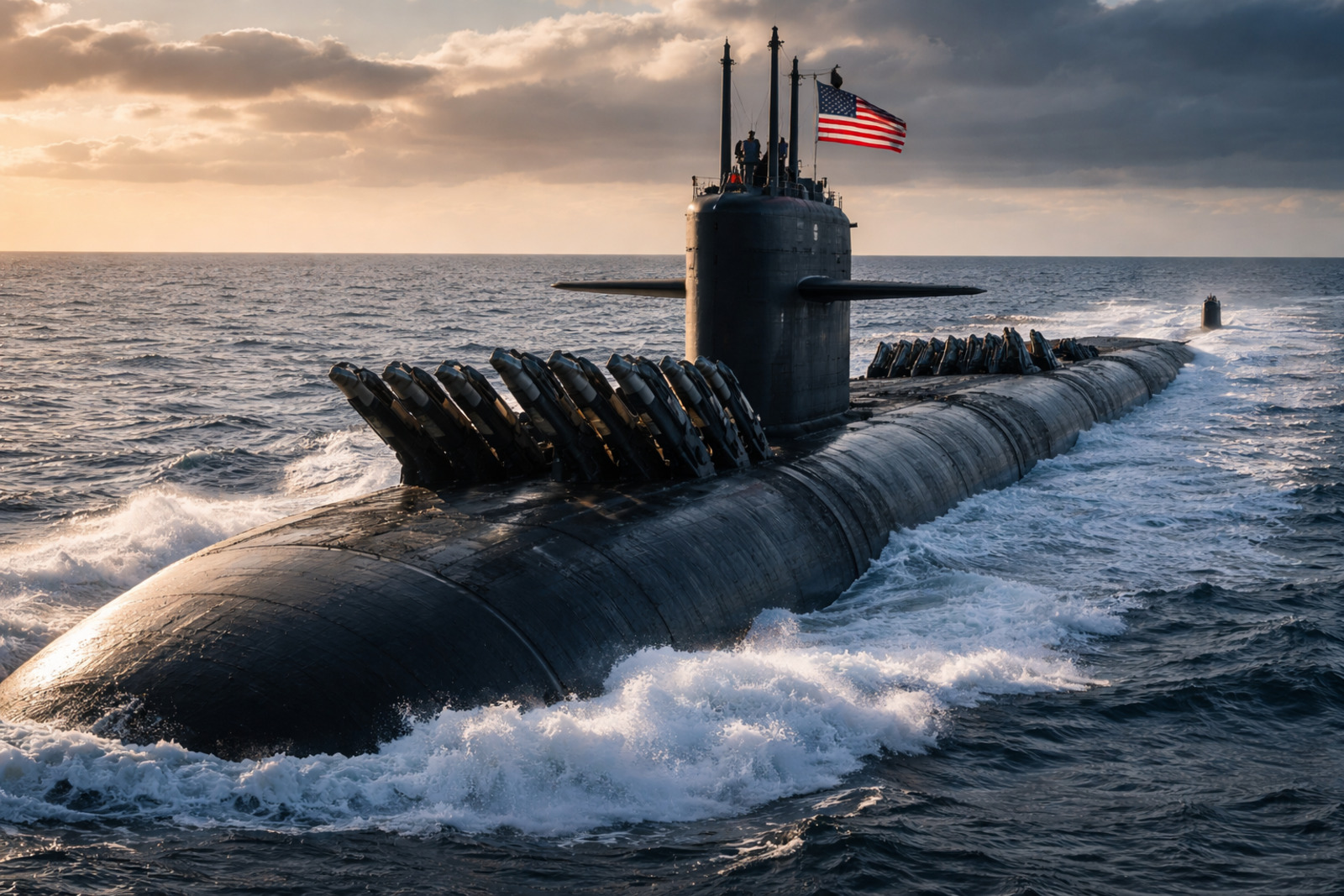
US Navy faces loss of 2,080 VLS cells with retirement of Ohio-class submarines and cruisers, while industrial delays hinder military capacity replacement
The US Navy identified, in March 2026, a projected loss of 2,080 vertical launch system cells with the retirement of four converted Ohio-class submarines and 12 Ticonderoga-class cruisers, pressuring its strike capacity.
Missile launch cell deficit becomes internal alert
The number 2,080 has become the focus of internal debate. It represents the total number of vertical launch system cells that will disappear from the fleet with the retirement of the four converted submarines and the 12 cruisers.
The discovery emerged during the fleet modernization planning. The assessment revealed a concentration of firepower that cannot be replenished within the expected timeframe, amid shipbuilding delays and a lack of labor.
-
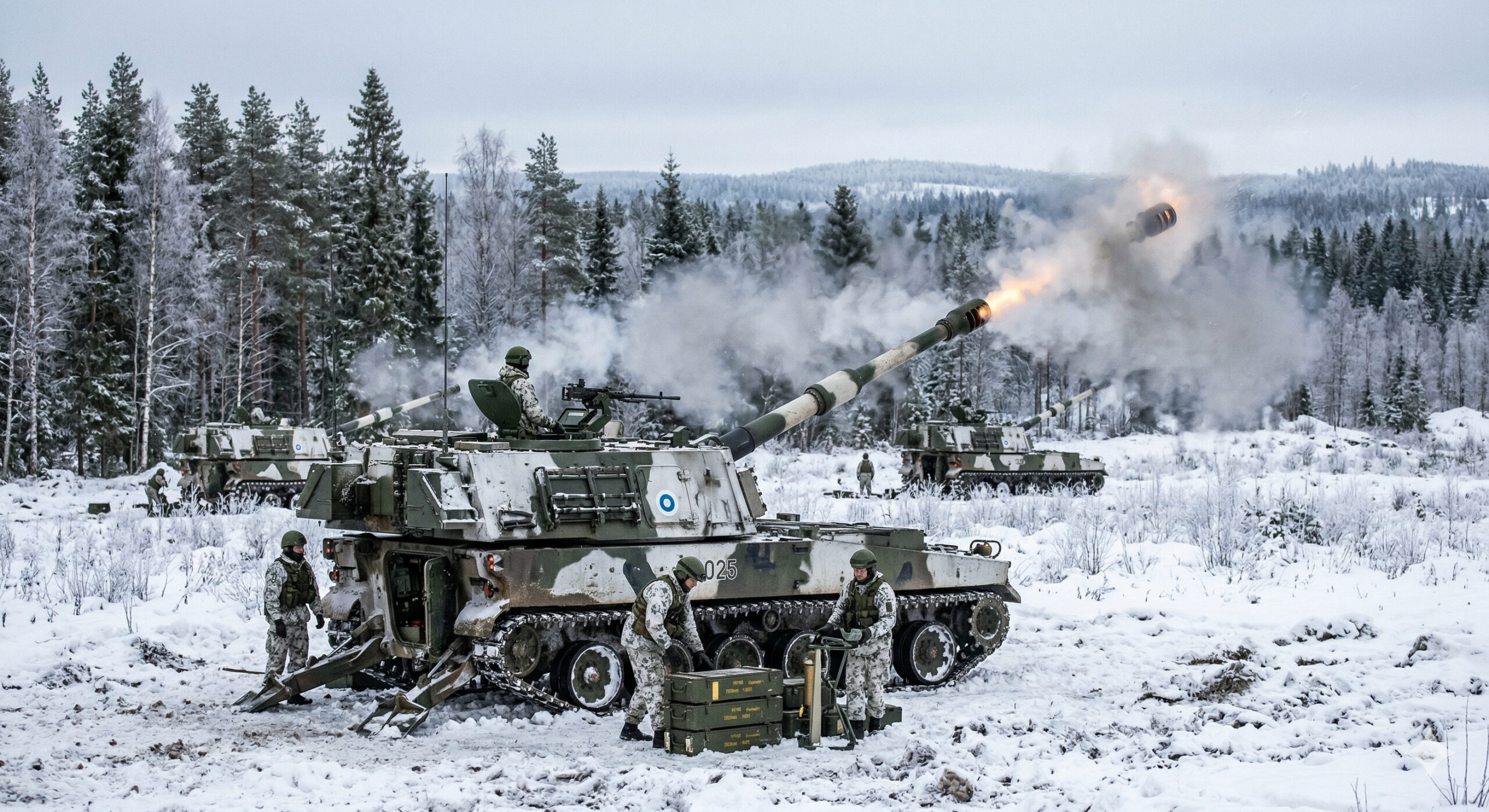
With a range of up to 40 km, automated firing in less than 30 seconds, and the ability to operate in any weather, Finland has signed a $642 million deal for 112 K9 howitzers, establishing one of the largest heavy artillery forces in Europe amid the new military race on the continent.
-
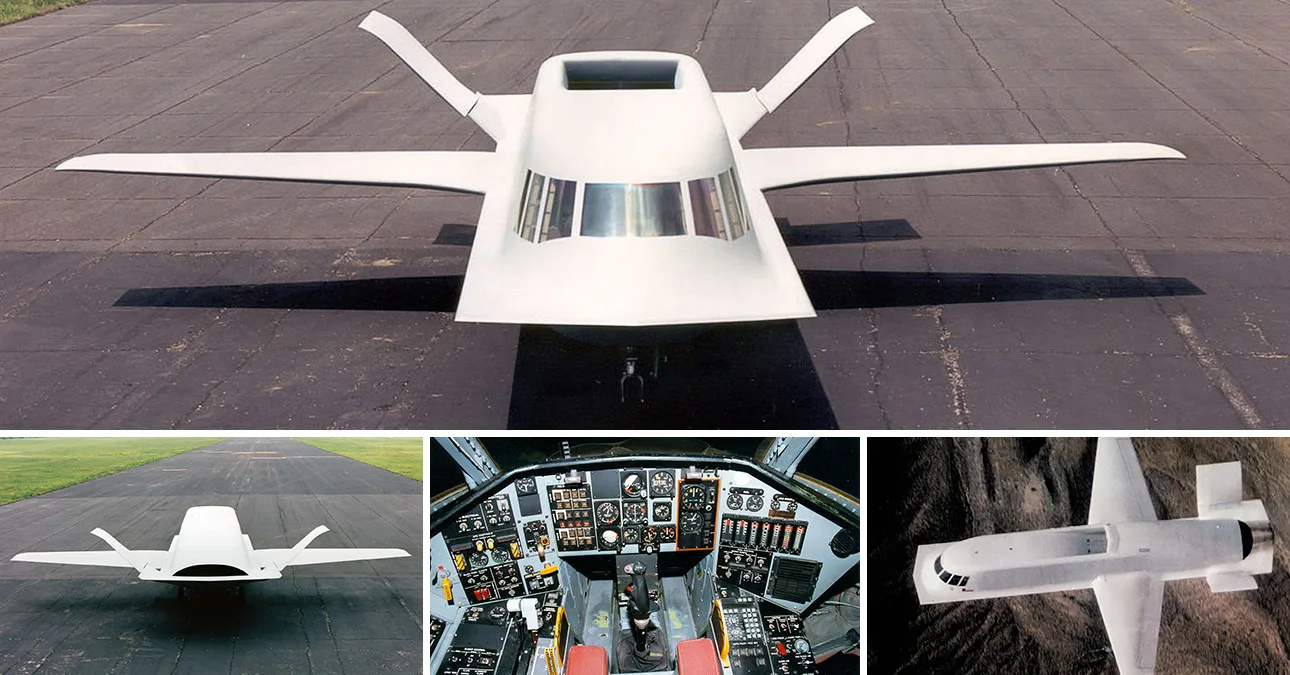
With a length of 17.7 meters, a wingspan of 14.7 meters, and more than 130 test flights, the secret aircraft “invisible whale” Tacit Blue used a completely curved shape to reduce its radar signature even while operating active sensors and proved that it was possible to detect targets without being seen, paving the way directly for the stealth bomber B-2.
-
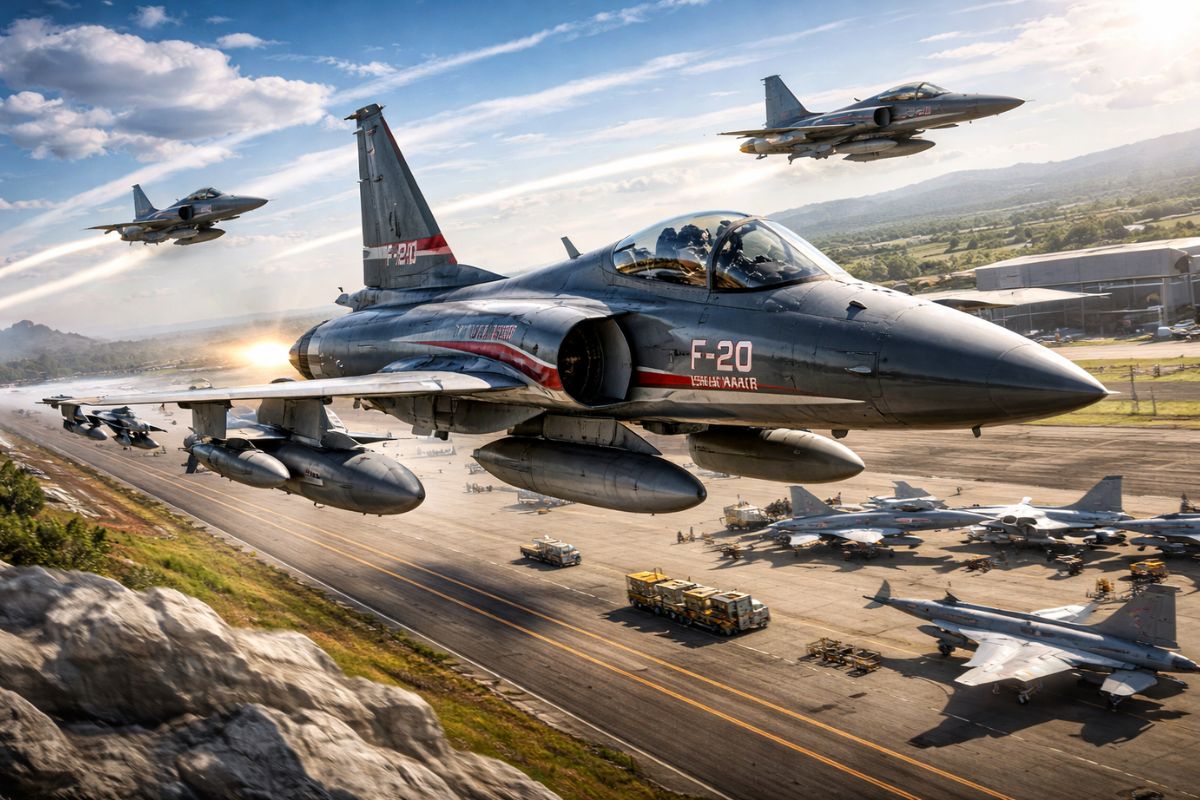
F-20 Tiger Shark: the light fighter that could rival the F-16, it was to be the successor to the F-5 and cost less, but it died due to politics, without support from the U.S., after 1 billion invested.
-
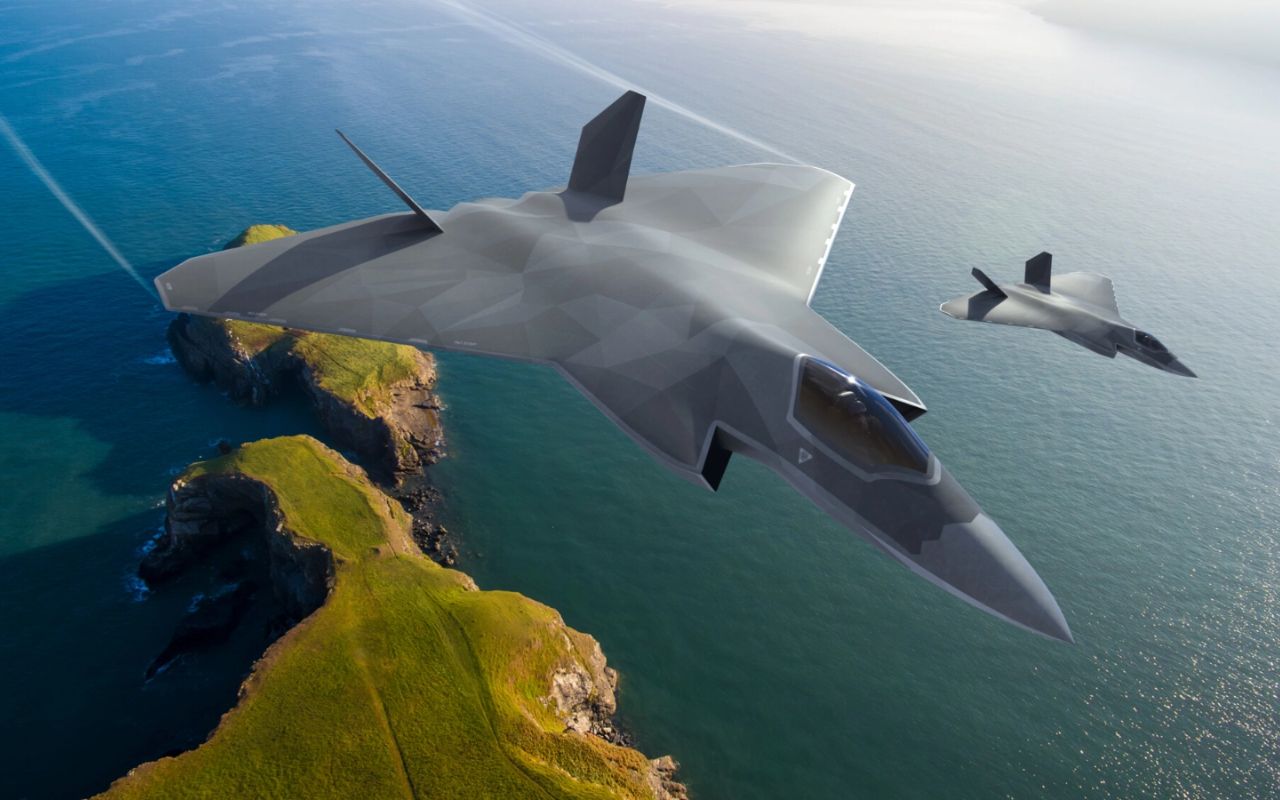
£686 million military project unites Europe and Asia to create one of the world’s most advanced fighter jets.
The ships at the center of the issue are the USS Ohio, USS Michigan, USS Florida, and USS Georgia.
Built as ballistic missile submarines, they were converted in the early 2000s to carry Tomahawk missiles.
Each conversion accommodated 154 launch cells in a single hull. This created the largest concentration of long-range strike weapons in the submarine fleet, a capability that no other individual platform replicates today.
Together, the four submarines house 616 tubes capable of launching Tomahawk missiles. The loss occurs as shipyards struggle to deliver new vessels, deepening the gap between retirement and replacement.
Attack concentration remains unmatched
This density produces unmatched capabilities in the fleet. Attack submarines maintain stealth but carry fewer weapons.
Surface ships offer volume but do not have the same survivability as a submerged platform.
An SSGN of the Ohio class can launch a massive salvo from positions inaccessible to most ships and aircraft.
Then, it can disappear without being detected, maintaining independent operation off the radar.
Submarines also support special operations forces. During the conversion, they received entry and exit chambers and mission compartments.
Two tubes in the bow were adapted for clandestine insertion and recovery of Navy SEALs.
According to the Commander of the US Pacific Fleet Submarine Force, these platforms deploy unmanned systems and gather intelligence while remaining on the front lines for extended periods, enhancing the value of the Tomahawk.
Expected replacement does not cover the loss
The Navy plans to replace this capability with Virginia-class Block V submarines equipped with the Virginia Payload Module.
The modification adds a 25-meter hull section and increases capacity to 40 tubes.
Even with this improvement, the numbers remain unfavorable. A Virginia-class submarine carries 28 additional Tomahawk cells compared to earlier variants.
An Ohio-class SSGN carries 154, requiring multiple expedited deliveries to close the gap.
This schedule, however, does not fit within the current capacity of the shipyards. The simultaneous construction of the Columbia and Virginia classes strains an industrial base already suffering from a shortage of skilled workers and persistent delays.
19FortyFive noted that the Columbia class program, budgeted at approximately $130 billion for 12 units, continues to face delays and budget overruns.
These vessels carry Trident missiles and are intended for nuclear deterrence.
Therefore, they will not compensate for the deficiency in conventional strikes opened by the retirement of the SSGNs. The first Columbia-class submarine needs to enter service by 2030 to avoid a gap in nuclear coverage.
Shipyards pressured and aging hulls
According to analysis by 19FortyFive, the capacity of American shipyards has dropped by about 30% since the Gulf War.
The Navy is investing in suppliers and increasing production, but these efforts take years to yield concrete results.
Meanwhile, the Ohio-class hulls are over 30 years old. Their reactors are approaching operational safety limits, while metal fatigue and hull weakening require constant monitoring and ongoing attention.
The report also cited General Anthony Cotton, commander of US Strategic Command, advocating that the naval force should expand its fleet beyond the 12 planned Columbia-class submarines.
Reduction already affects simulations and readiness
Fleet planners have already begun to incorporate the reduction of 2,080 VLS cells into their operational models.
The change impacts war simulations, deployment schedules, and ammunition capacity calculations across various theaters of operation.
According to the Indian Defence Review, Peter Ong, a correspondent for Naval News, calculated the combined loss at 1,464 VLS cells from the cruisers and 616 VLS cells from the SSGNs, totaling 2,080 VLS cells for the fleet.
The cruisers carry Standard missiles, Evolved Sea Sparrows, anti-submarine rockets, and also Tomahawk, making their cells more versatile.
Still, the absence of the submarines weighs disproportionately due to the concentrated volume.
A single Ohio-class SSGN alters the balance of firepower in a region. Without it, several surface ships or attack submarines need to perform the same function, directly impacting naval planning.
In internal assessments, the deficiency is already evident in acquisition strategies and readiness schedules.
No official change has been announced. The four submarines remain in service, each still carrying 154 Tomahawk missiles.
With information from Daily Galaxy.





Seja o primeiro a reagir!