





 Portuguese
  English
  Spanish
  5 min of reading
  0 comments


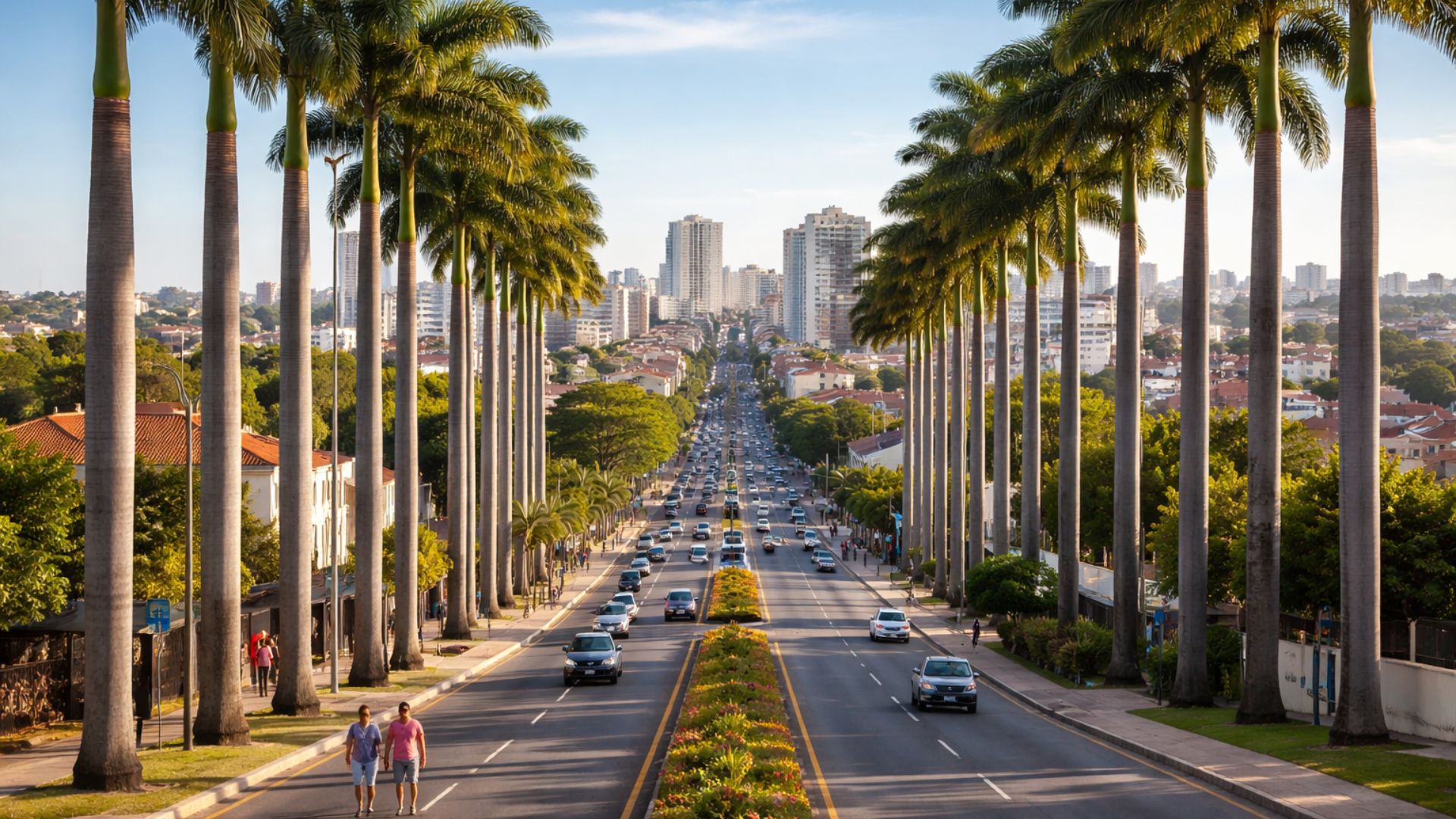
The city of interior São Paulo brings historical heritage linked to North American immigrants, a strong textile industrial tradition, and social indicators above the average, with highlights for education, income, and safety, in addition to consolidated urban infrastructure and leisure options that attract residents and visitors throughout the year.
Americana, in the Metropolitan Region of Campinas, was not born from a military invasion from the United States, but from the arrival of ex-Confederates to the interior of São Paulo after the American Civil War.
Today, with an estimated population of 247,571 residents and 237,240 inhabitants in the 2022 Census, the municipality brings together social indicators above the average, industrial tradition, and a leisure network that helps explain its prominent position in the interior of São Paulo.
The main calling card is in the numbers.
-
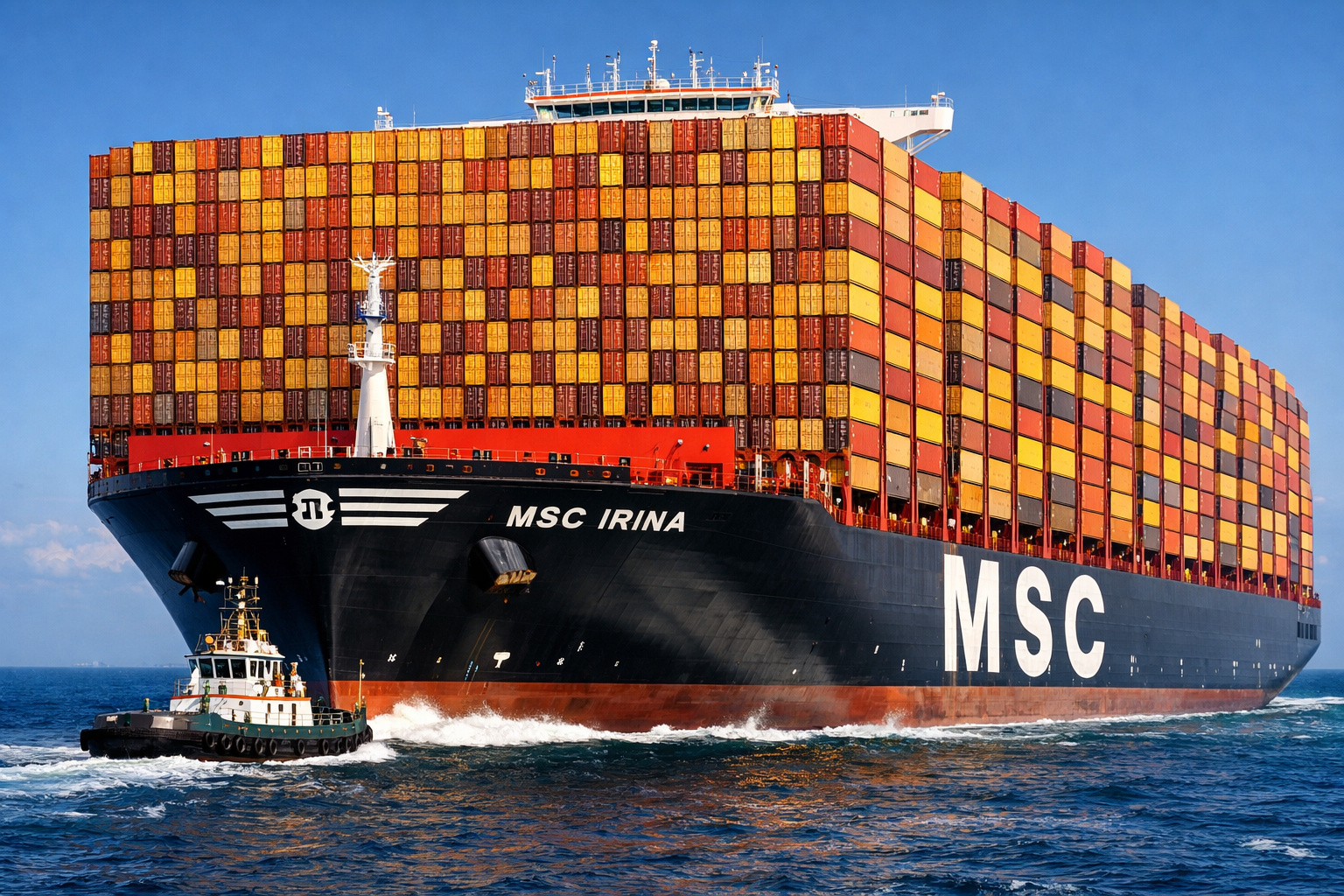
With a length of 399.9 meters and a capacity for over 24,346 containers, the MSC Irina becomes the largest ship in the world and revolutionizes global maritime transport.
-
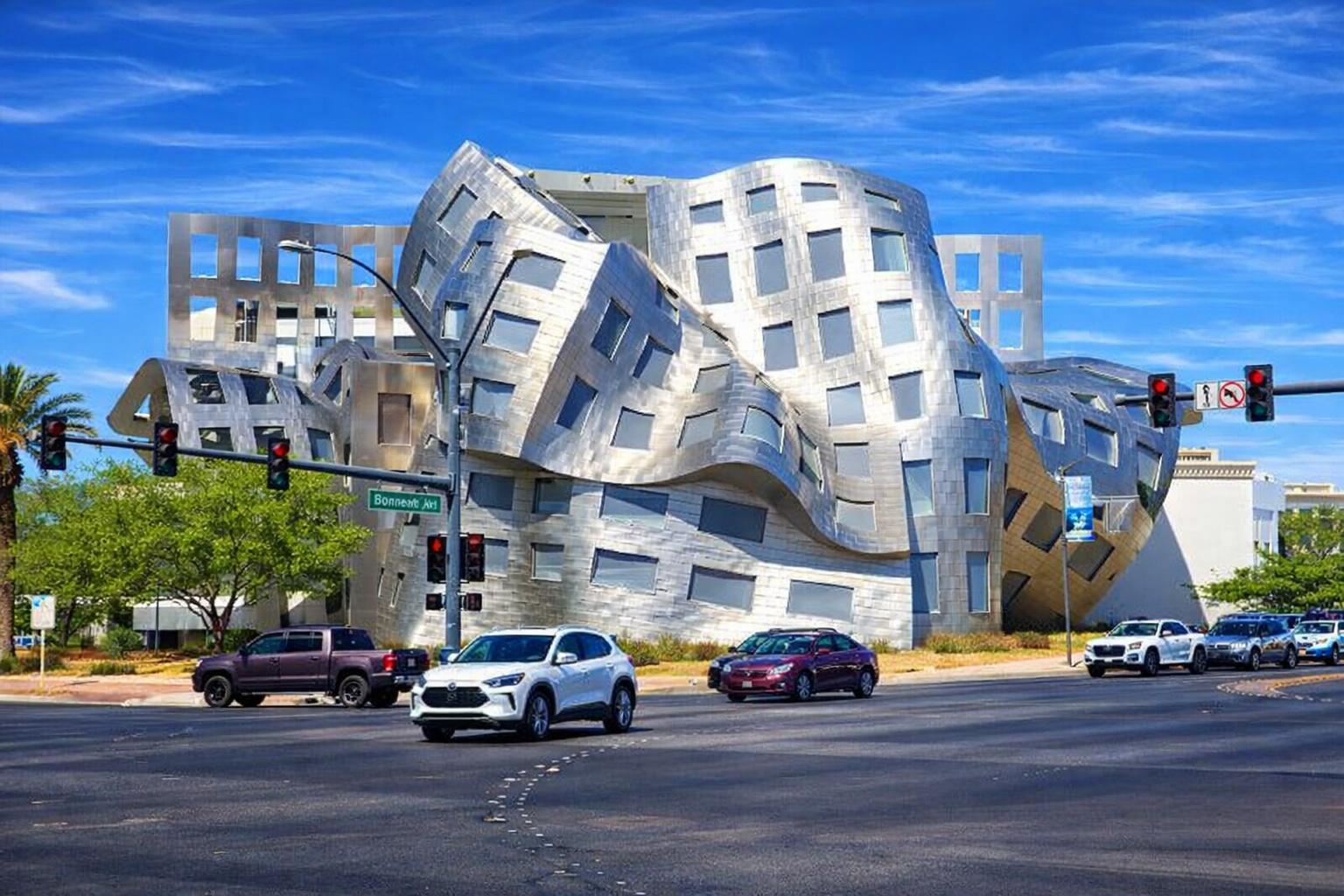
With nearly 6,000 square meters and an investment of $100 million, the building that seems to move in Las Vegas has a reflective stainless steel façade, creates optical illusions, and has become a symbol of creativity worldwide.
-
From Florianópolis to Antarctica non-stop at 60 years old: 1st Brazilian woman to sail solo makes history by facing one of the most dangerous routes on the planet.

-
A Brazilian recounted how a sudden malaise triggered the entire hospital machinery in the United States, with emergency protocols, tests to rule out a heart attack, and a bill that could reach $40,000.


The IBGE reports that Americana has a HDI of 0.811, schooling of 98.64% among children and adolescents aged 6 to 14 years, and a per capita GDP of R$ 74,188.86, with performance superior to that of the capital of São Paulo in the human development index.
These data place the city among the best-positioned municipalities in São Paulo in terms of income, education, and quality of life.
Historical origin of Americana and confederate influence
The local history dates back to the 19th century, when Colonel William Hutchinson Norris, a former senator from Alabama and ex-combatant of the Civil War, settled in the region in 1866.
After him, other Southern families arrived around the Quilombo stream, which consolidated the presence of North American immigrants in the area that still belonged to Santa Bárbara.
It was this migratory movement, and not any armed occupation, that marked the initial formation of the settlement.
The name Americana gained strength with the expansion of the railway.
The small village grew around the station inaugurated in 1875 and began to be called “Villa Americana” in 1900, when the Paulista Company adopted the new identification to differentiate the stop from neighboring Santa Bárbara and reduce confusion in mail delivery.
The change solved a practical problem and ended up defining the identity of the future municipality.
At the same time, the economic profile of the locality began to transform.
The Carioba Textile Factory, founded in 1875, played a decisive role in the industrial advancement of the city.
From this impetus, Americana consolidated its textile vocation that still today sustains a significant part of its economic and historical image, including the nickname Weaving Princess.
Social indicators and quality of life in Americana
The combination of medium size and infrastructure helps explain the perception of urban well-being.
In addition to the IBGE indicators, Americana appeared in a study released in 2023 by the Urban Studies Center, with participation from researchers from USP and UFSCar, as the best positioned in the state among municipalities with more than 200,000 inhabitants.
The highlight was especially for safety and the environment, with a leading position in the analyzed segment.
In practice, this performance is reflected in services and mobility.
Since November 2023, the municipal administration reports that 100% of public roads have been equipped with LED lighting, a measure presented as a reinforcement of safety, economy, and urban standardization.
In a city with a relatively compact area, this coverage adds to wide avenues, shorter commutes than those in the capital, and the availability of public facilities spread across different neighborhoods.
Another favorable point is the location.
Americana is about 129 kilometers from the city of São Paulo and 51 kilometers from Viracopos International Airport.
Road access via Anhanguera and Bandeirantes facilitates both the routine of those who work in the Campinas region and the movement of visitors.
What to do in Americana: parks, culture, and leisure
The most well-known leisure circuit is concentrated in the Ecological Complex, at the end of Avenida Brasil.
There are the Municipal Ecological Park “Engenheiro Cid Almeida Franco”, the Botanical Garden, and the Municipal Observatory of Americana.
The set brings together nature, environmental education, and activities aimed at the public in the same urban axis.
In the case of the municipal zoo, the most recent update indicates more than 244,000 visitors between January and November 2025. The park houses around 400 animals and maintains a regular opening calendar.
Next to it, the Botanical Garden enhances the vocation of the space with walking areas and frequent use by families.
The observatory also helps differentiate Americana on the regional map of scientific tourism.
Founded in 1985, the facility welcomes the public for visits by appointment on Wednesdays, Thursdays, and Fridays.
The proposal combines scientific dissemination and popular access to astronomy. In the religious heritage, the Basilica of Santo Antônio de Pádua occupies a central place.
The temple is described as the largest church in the Diocese of Limeira and a national reference in neoclassical style.
The cultural agenda gains greater scale in June when the Rodeo Festival transforms the city into a regional entertainment hub.
In the 2025 edition, the program included shows with names like Henrique & Juliano, Ana Castela, and Luan Santana.
In addition to musical performances, the event maintains the traditional rodeo competitions.
Outside this period, the old train station houses the Culture Station, a space dedicated to exhibitions, handicrafts, and cultural activities.
The climate also influences the occupation of these spaces.
The rainier summer regime and less rainy winter favor outdoor activities in the drier months.
Therefore, parks, walks, and events in June usually coincide with milder temperatures and lower rainfall.
With roots linked to Confederate immigration, industrialization driven by Carioba, and social indicators above the average, Americana has built its own trajectory in the interior of São Paulo.
The municipality combines historical heritage, traditional economic base, urban infrastructure, and leisure offerings, consolidating its reputation as one of the most valued addresses in the interior of São Paulo.





Seja o primeiro a reagir!