





 Portuguese
  English
  Spanish
  5 min of reading
  0 comments


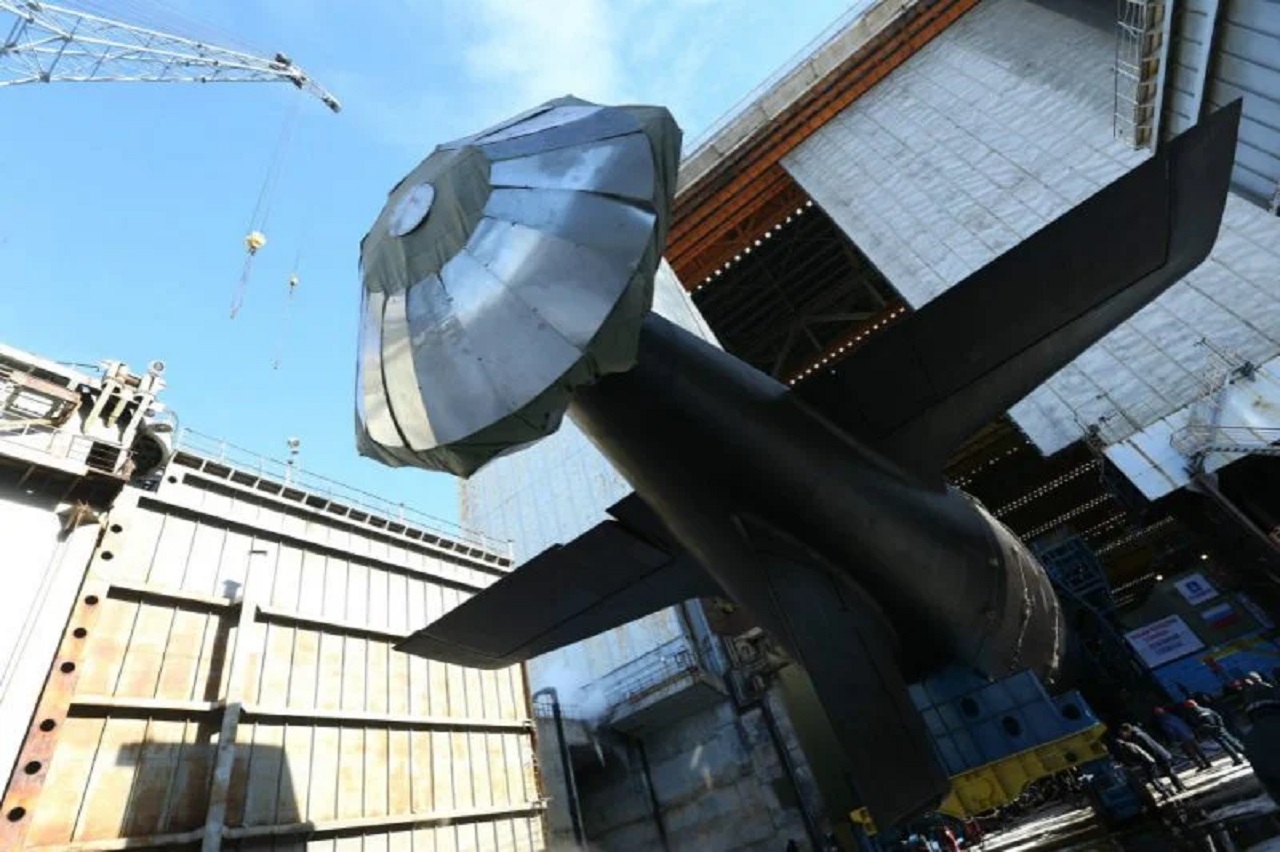
Designed For Long-Range Missions, The Nuclear Submarine Kazan Represents The Most Advanced In Propulsion, Autonomy And Armament. With A Reactor That Can Last Up To 30 Years Without Refueling, It Marks A New Level In Russian Naval Technology.
Imagine a vessel capable of sailing for 25 years without needing to refuel its propulsion system. This is the proposal of Kazan, the new nuclear submarine of Russia, recently incorporated into the country’s Navy fleet. Equipped with a fourth-generation reactor, the model is the first of the modernized Yasen-M project and promises to operate with unprecedented autonomy in naval history.
According to the Russian Ministry of Defense, the reactor core does not need refueling for up to 30 years, which reduces operational costs and the need for maintenance in ports. Practically, this means that the submarine can serve for decades in continuous operation, with stops only for supplies and minor repairs.
This type of innovation positions the Kazan as a strategic vessel for extended and covert missions, especially in times of increasing global geopolitical tensions.
-
Rio Pardo, the most mysterious city in Rio Grande do Sul: untouched Pampas castle, the missing treasure of the Devil Boy, bride’s saint, invisible tunnels, and a 200-year curse today.

-
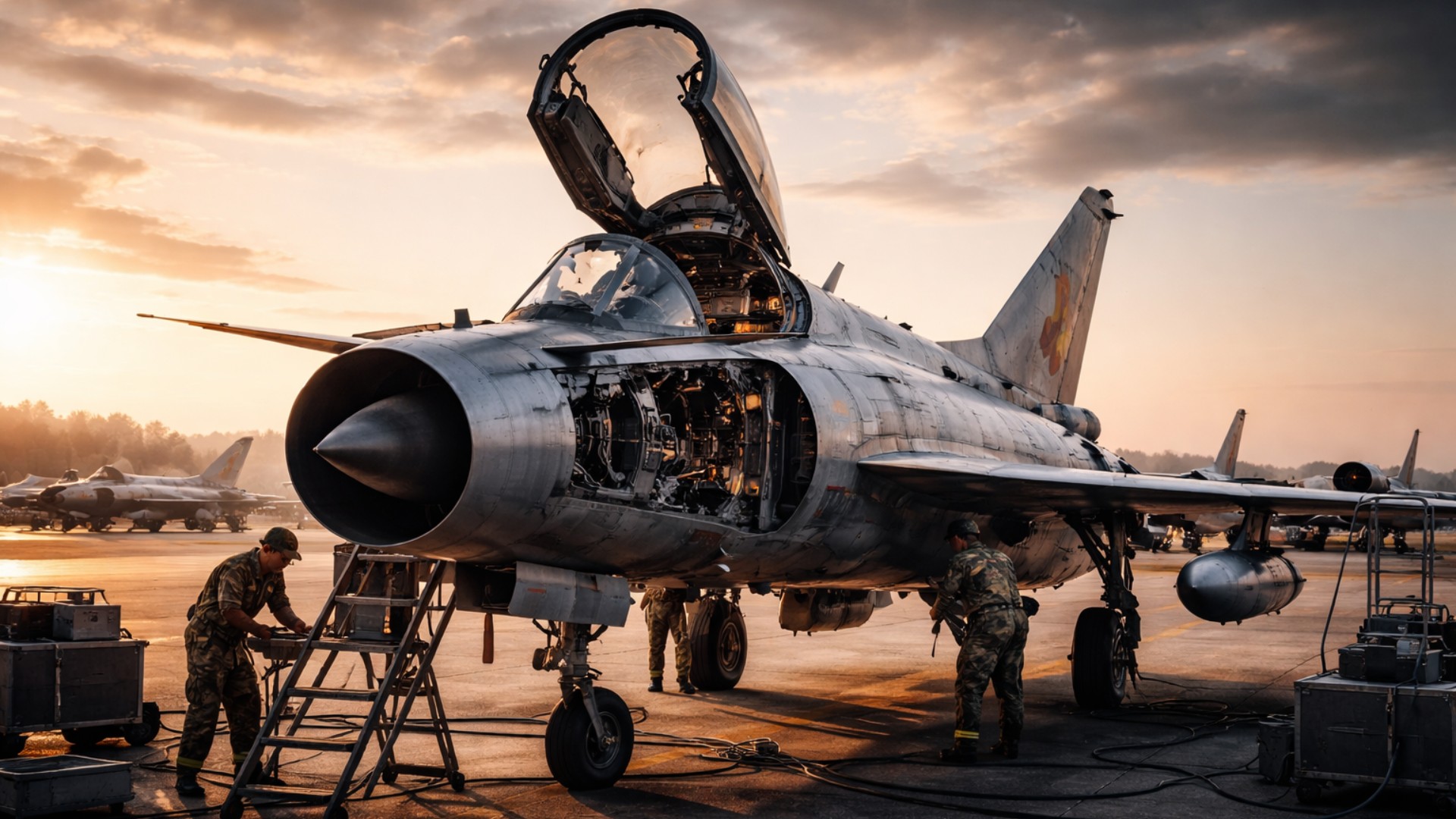
China retires the J-7 fighter after years of military protection and can now transform military items into drones, following more than 60 years of operation of the J-7, derived from the MiG-21, with thousands of units produced and strategic use in the PLAAF and PLANAF.
-
Volunteers are sought to live in the mountains for a month: a study pays people to stay at 2,500 meters, with 24-hour monitoring of sleep, metabolism, and blood pressure.

-
Goodbye to kitchen cabinets: innovation retires the traditional furniture of Brazilian kitchens by introducing modern pantries with modules of up to 2.40 m, 40% more organization, ergonomic access, adjustable shelves, and smart lighting in 2026.


Official Inauguration: Ceremony And Military Symbolism
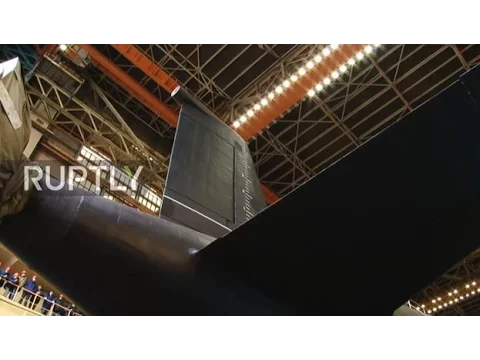

The official launch of the Kazan took place at the shipyard of Sevmash, located in the city of Severodvinsk, in northern Russia. The ceremony was attended by high-ranking naval officials, including the commander of the Russian fleet, Admiral Nikolai Yevmenov, who presented the captain Aleksander Beketov with the traditional St. Andrew’s flag, a symbol of the Russian Navy.
“I am confident that the crew of the nuclear submarine Kazan will enhance Russia’s defense capabilities with dignity and high quality,” Yevmenov stated.
In addition to its strategic function, the event marks the advancement of the Russian naval program and the beginning of a new generation of vessels with the ability for prolonged presence at sea.
Nuclear Submarine Kazan: Impressive Technical Data
The Kazan is a nuclear attack submarine of the Yasen-M class, developed to operate on multiple fronts — from patrolling deep waters to launching cruise missiles and torpedoes.
Check out the most relevant specifications:
- Displacement: 13,800 tons
- Maximum Speed: 31 knots (about 57 km/h)
- Dive Depth: up to 520 meters
- Crew: 64 men
- Operational Autonomy: 100 days without surfacing
- Propulsion System: fourth-generation nuclear reactor (without refueling for up to 25 to 30 years)
Furthermore, the submarine that does not require refueling for up to 25 years is designed with low noise emissions, an essential factor to ensure stealth during military operations and surveillance missions.
Advanced Armament: Hypersonic Missiles And Torpedoes
The Kazan is not only durable — it is also lethal. The submarine is equipped with an advanced arsenal, which includes:
- 533 mm Torpedoes
- Kalibr Cruise Missiles
- Oniks Supersonic Missiles
- Integration Capability With Tsirkon Hypersonic Missiles
This armament allows the nuclear submarine to execute a wide variety of missions — from ground attacks, destroying surface ships, to defense against aerial threats. The highlight is the Tsirkon, a hypersonic missile capable of reaching speeds above Mach 8 (eight times the speed of sound), making it virtually impossible to intercept.
What Is A Nuclear Submarine And Why Is It So Strategic?
A nuclear submarine uses energy produced by an atomic reactor to power its propulsion system. The great advantage over conventional submarines (driven by diesel-electric) is its practically unlimited autonomy, in addition to higher submerged speed and lower need to surface for oxygenation.

This capability allows submarines like the Kazan to remain invisible for long periods, operating in strategic areas without alerting adversaries. In practice, this ensures deterrence power and tactical advantage in war or geopolitical conflict scenarios.
Submarine That Does Not Require Refueling For Up To 25 Years: The Advancement Of The Fourth-Generation Reactor
The heart of the Kazan is its fourth-generation nuclear reactor, developed with technology that allows continuous use of the same core for up to three decades. The innovation drastically reduces the need to open the hull for fuel replacement — a costly, complex, and risky process.
Furthermore, the new reactor features very low noise levels, enhancing the vessel’s stealth capability. In underwater warfare, being “invisible” to enemy sonars is one of the biggest advantages a submarine can have.
Comparative With Other Naval Powers
The Kazan submarine places the Russian Navy on par with the technological level of Western naval powers. By way of comparison, the Virginia-class submarines, from the United States, also have reactors with a lifespan of 30 years and similar capabilities.
However, the Kazan presents some distinguishing features that set it apart, such as integration with hypersonic missiles and state-of-the-art onboard electronic systems.
Countries like China, the United Kingdom, and France are also developing long-range nuclear submarines, but few match the level of autonomy and versatility of the Kazan.
The Role Of Nuclear Submarines In The 21st Century
The launch of the Kazan reinforces a growing trend in the 21st century: the return of the submarine arms race. With rising tensions between military blocs, nuclear attack submarines become essential tools for maritime control, naval blockades, and silent retaliation actions.
Additionally, they are used for:
- Monitoring underwater communication cables
- Tracking enemy fleets
- Launching precision weapons in localized conflicts
The ability to sail for 25 years without needing to refuel makes these vessels even more critical in prolonged warfare or international embargo situations.
The Technology For Decades — And To Deter Threats
The Kazan nuclear submarine is not just a marvel of Russian engineering. It represents a new chapter in how nations prepare to protect their territories in an increasingly unstable world.
Its reactor that does not need refueling for up to 25 years, its stealth, its autonomy, and its advanced armament make it a key piece in Russian defense and a silent threat to any potential adversary.
In times of geopolitical reconfiguration and rising international tensions, the Kazan is not just a submarine. It is a symbol of power — and deterrence — underwater.







Seja o primeiro a reagir!