





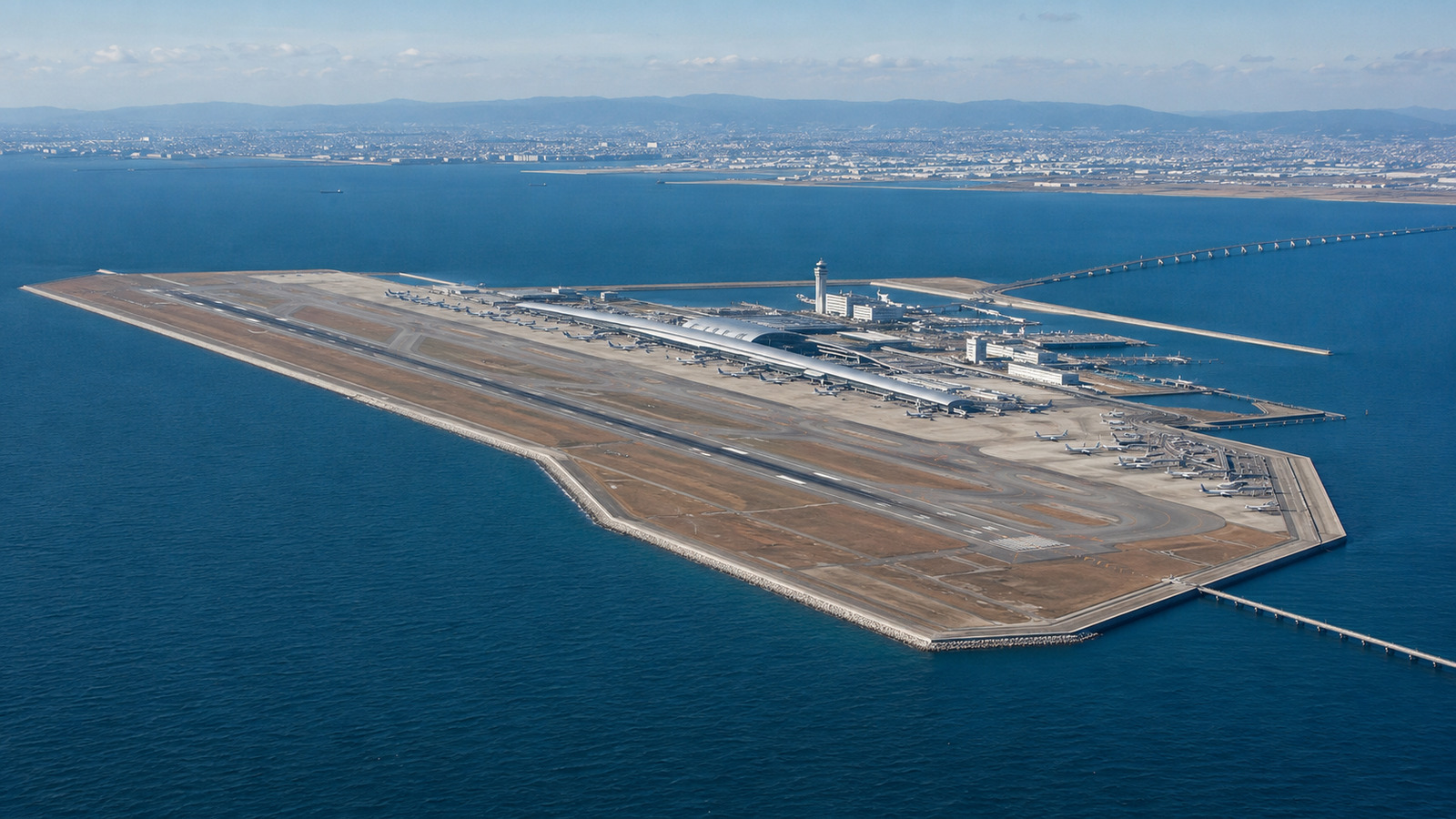

Built on a four-kilometer artificial island in Osaka Bay, the airport faces unstable ground, typhoons, earthquakes, and floods, while hydraulic systems adjust the level of terminals, pillars, and runways every day
Kansai Airport was built on a four-kilometer artificial island in Osaka Bay to expand the region’s air capacity and move the noise away from urban centers. Valued at R$ 100 billion, the structure faces the gradual sinking of the ground and needed to be adapted against earthquakes, typhoons, and floods.


Kansai emerged from the lack of space in Osaka and Kobe
The scarcity of flat land in Osaka and Kobe made it difficult to expand flights. At the same time, residents near airport areas complained about the constant noise caused by aircraft.
The solution found by Japanese engineers was to take the airport to the sea. Ships transported and dumped large volumes of rocks and sand into the bay, forming the platform that would receive runways, terminals, and other facilities.
-
British couple spent 14 months transforming an 1886 Victorian church-school into an unlikely home, restored Gothic sliding doors that hadn’t been touched since 1905, and installed a hanging capsule, creating the two-bedroom residence where they now live.

-
California stops withdrawing 65.2 billion gallons of water to try to prevent its gigantic reservoir, the largest of them, from reaching a concerning low.

-
What seemed like just a hole in a hill in France led four young people to a world hidden for millennia: inside the Lascaux Cave, hundreds of cave paintings awaited in the dark to transform everything experts knew about creativity, symbolism, and prehistoric art.

-
A 17-year-old teenager was buried about 2,500 years ago with more than 4,000 gold pieces, but DNA analysis of the Golden Man revealed evidence that elite Scythian families passed power and prestige between generations and controlled territories and resources.


The work required years of preparation because the artificial island was built on a seabed formed by thick layers of soft soil. The first runway was surrounded by water on all sides.
A two-story bridge began to connect the airport to the mainland. The structure includes railway lines and lanes for automobiles, allowing the movement of passengers, workers, and cargo between the terminal and the urban area.
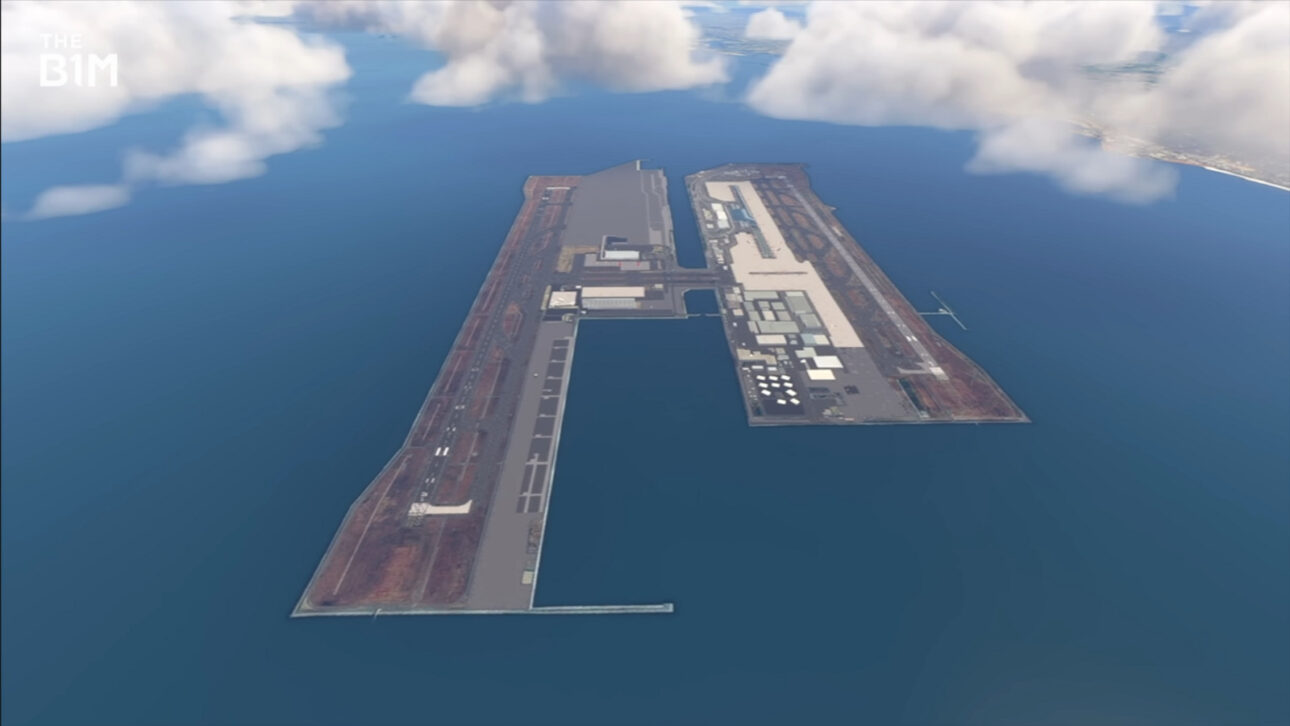
Artificial island sank faster than expected
The designers already expected that the weight of the island would compress the layers of mud existing at the bottom of the sea.
The sinking, therefore, was part of the project’s calculations, but it occurred at a faster rate than initially estimated.
The problem also does not occur uniformly. Some parts of the terrain may sink more than others, causing height differences that can affect floors, pillars, and structures of the terminal.
To control this movement, hydraulic jacks were installed under the building pillars. The equipment allows for raising or adjusting specific points whenever the ground shows uneven subsidence.
Laser sensors also monitor the inclination of the terrain. Continuous monitoring provides information for corrections, while reinforced retaining walls help protect the island against rising waters.
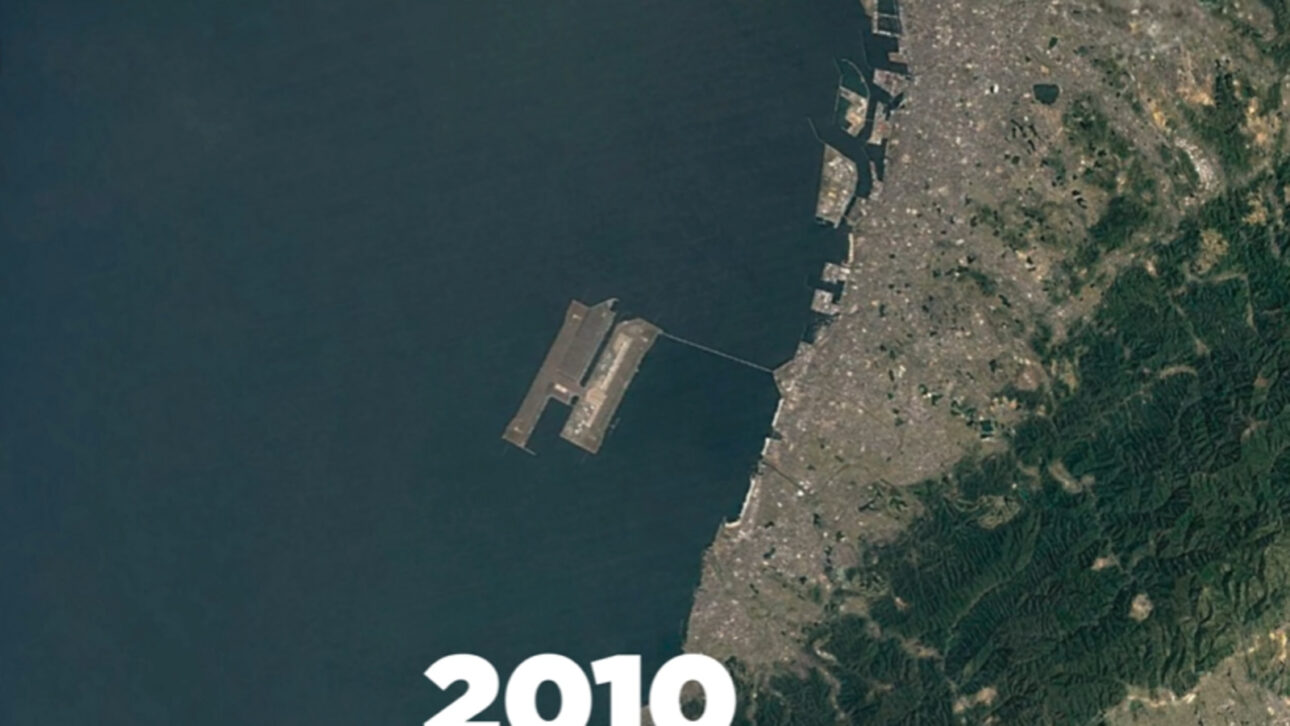
Typhoon of 2018 exposed the vulnerability of the airport
The location in the sea leaves Kansai Airport directly exposed to the winds, waves, and storms that hit the Japanese coast.
In 2018, a cyclone threw large volumes of water over the runways and caused a severe flood.
After the episode, the protective dikes were reinforced, and new pumping and drainage systems were integrated into the measures intended to remove accumulated water from the platform.
The structure was also designed to withstand seismic shocks. The soil beneath the island and the platform’s flexing capacity help distribute energy during tremors, reducing the risk of cracks in the pavement.
These adaptations have turned the maintenance of the airport into a permanent operation. In addition to the common activities of an international terminal, teams need to monitor the ground level, the stability of the buildings, and the conditions of the maritime barriers.
R$ 100 billion project also changed the passenger terminal
The reported cost of R$ 100 billion includes the formation of the island, the transport of millions of tons of materials, the access bridge, and the solutions developed to withstand the maritime environment.
Constant exposure to salt required corrosion-resistant materials. Support, containment, and monitoring systems also increased the financial and technical complexity of the construction.
The main terminal was designed in the shape of an open wing. Its curved roof naturally conducts air through the environments, while glass walls allow daylight to enter.
Internal trains transport passengers to more distant gates. The building also has soundproofing and floors prepared to withstand the intense circulation of people, luggage, and airport equipment.
This article was prepared based on the information, technical data, numbers, and descriptions present in the source material provided, preserved as per the content consulted.


