





 Portuguese
  English
  Spanish
 3 min of reading


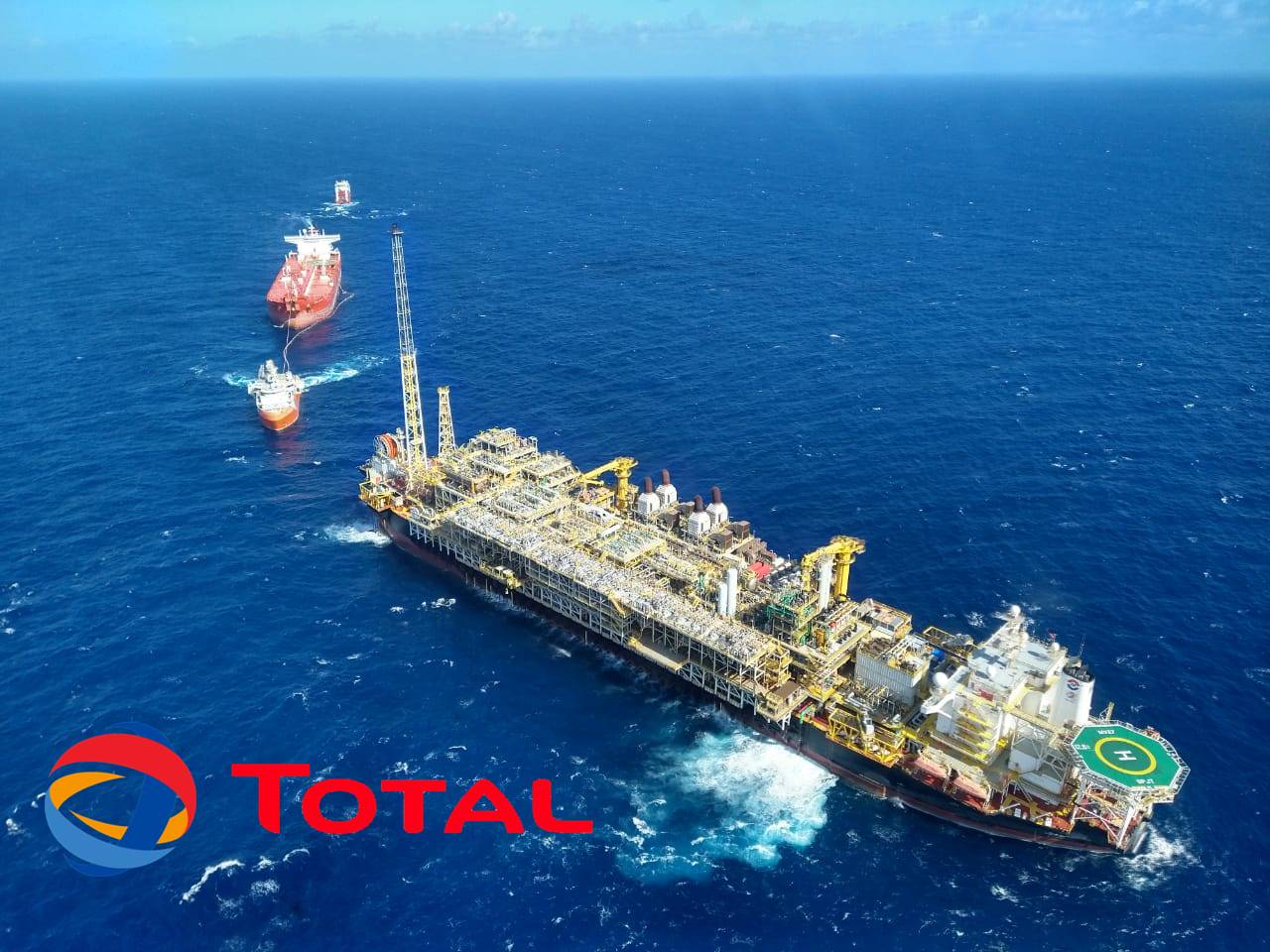
Total is testing an innovative system for oil transfer operations (offloading) using a Cargo Transfer Vessel (CTV), the Sealoader-1, which was specifically built for this activity. The project is in the operational testing phase that began this month in the Lapa Field (pre-salt of the Santos Basin), the first producing asset operated by Total in Brazil. The goal is to analyze the integration and functionality of the CTV in oil transfer operations from the FPSO Cidade de Caraguatatuba.
- Bureau Veritas Develops Digital Platform Bringing Together Solutions from the Restart Your Business Program with BV
- PUC-Rio: Free Registrations for Four Engineering Programs – Computer Science, Mathematics, Physics, and Chemistry in Master’s and Doctorate Graduate Programs
- According to EPE, gasoline consumption is not expected to return to pre-pandemic levels until 2022
The operational concept of the CTV is at the forefront of offshore oil transfer operations. In the new offloading method being tested by Total in the Lapa Field, the entire operation is conducted at the field location: the oil is transferred from the FPSO through the CTV to the tanker that takes the load to its final destination.
-
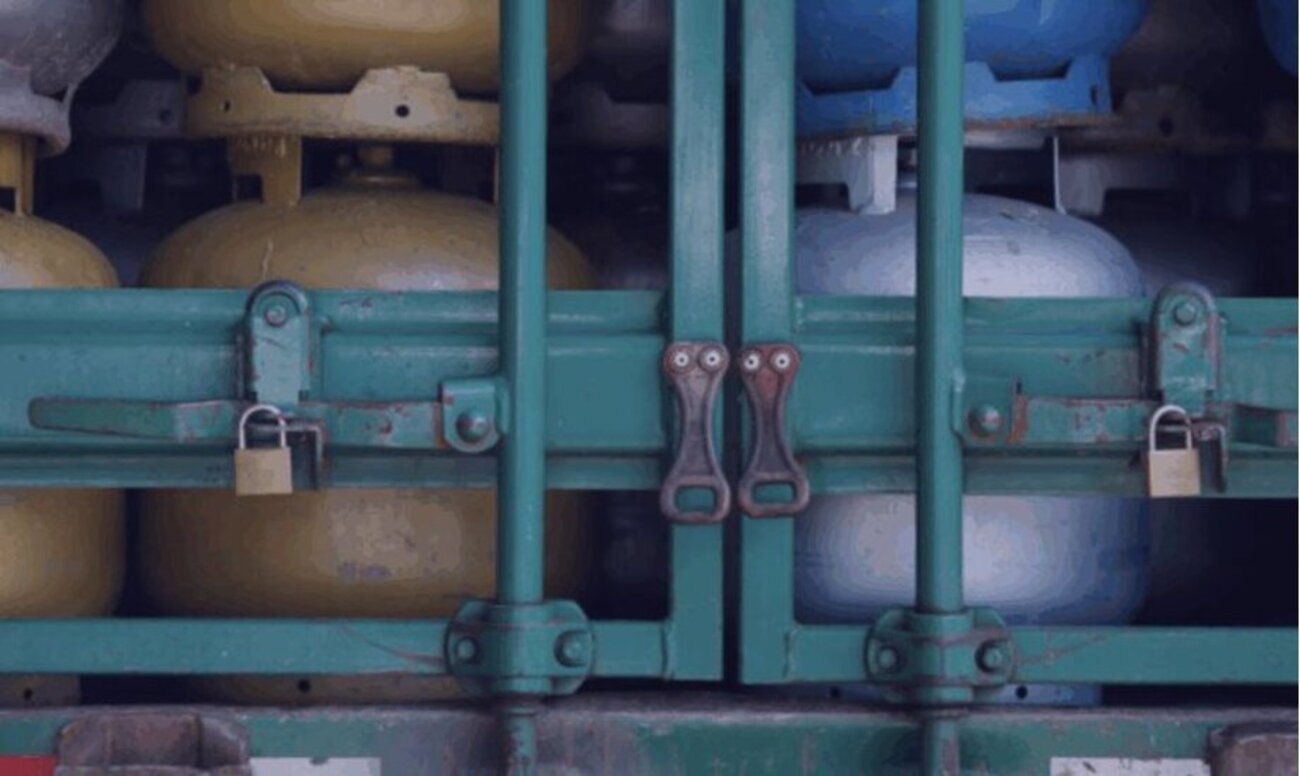
Petrobras evaluates suspension of sales to distributors and considers canceling the cooking gas auction following guidelines from the Federal Government.
-
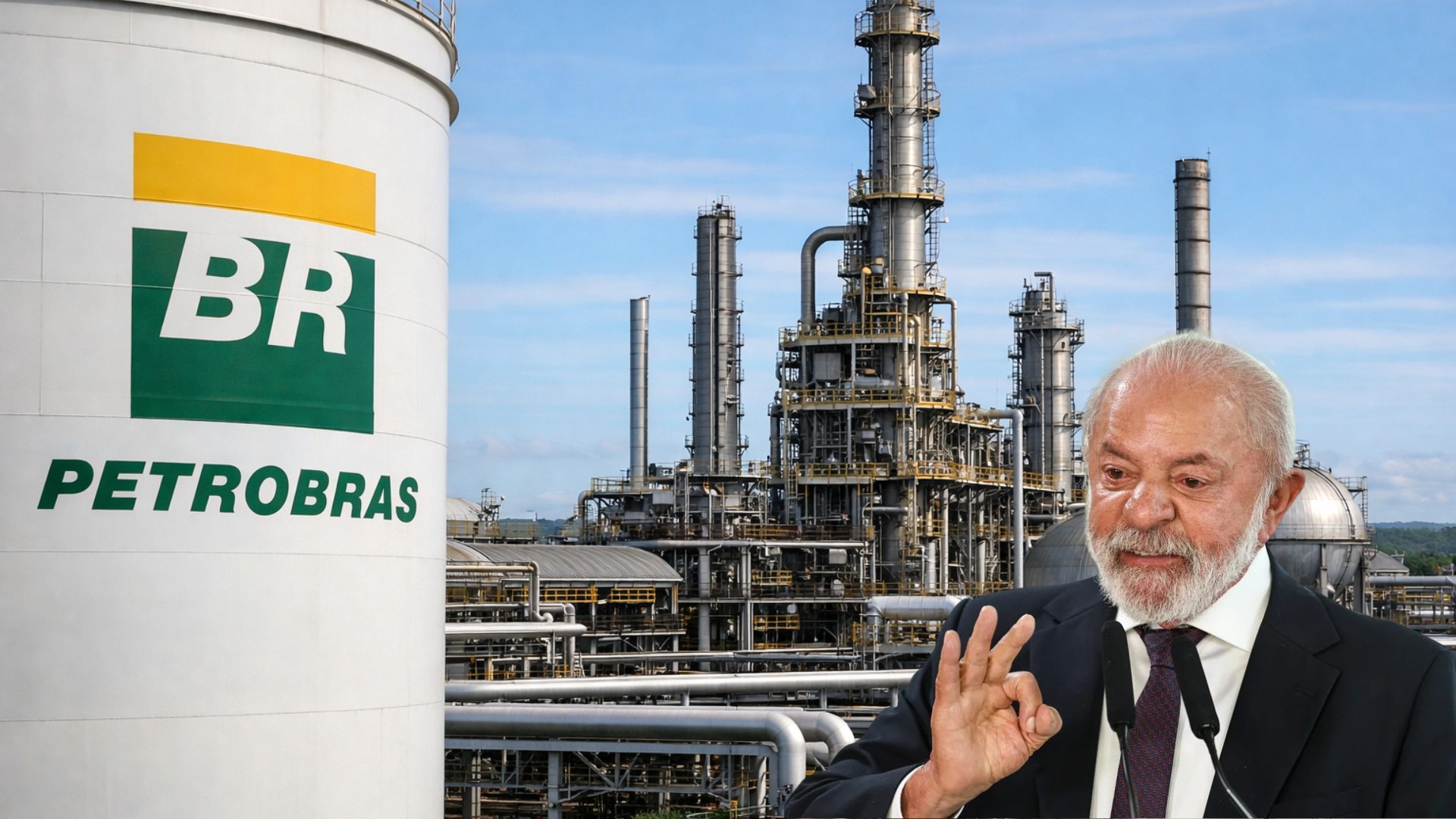
Lula reveals a masterstroke by Petrobras to undo a deal made by Bolsonaro, which involves the return of an important refinery that currently produces less than half of what was expected and makes Brazil dependent on international diesel.
-
A study confirms that the natural gas sector will reduce greenhouse gas emissions in Brazil by 0.5% and accelerate the energy transition by 2026.

-
Petrobras implements a severe adjustment and confirms a 55% increase in the price of aviation kerosene with a proposal for installment payments for the companies.


While in the conventional operation using a Dynamic Positioning Shuttle Tanker (DPST), currently one of the most used by E&P companies in Brazil, the oil is transferred from the FPSO to the DPST at the field location, and then a ship-to-ship transfer operation is performed to transfer the oil to the tanker.
Thus, if successful in all its testing phases, the operation with the CTV will eliminate the need for a complete tanker journey in the logistics of exporting crude oil, bringing important advantages such as: minimizing risks of a loading/unloading operation, avoiding emissions from an average 7-day tanker trip, reducing vessel chartering costs, and decreasing the marketing time of production.
“Total is a pioneer in evaluating the use of the CTV for oil transfer in Brazil, marking the first time the vessel is utilized for this type of operation in the country. This is a multidisciplinary project that involved our teams of specialists in Logistics, Commercial, and Operations, both in Brazil and abroad, along with partner companies, in a collaborative effort developed since 2015 to study the technical aspects and safely plan the tests.
The start of the testing phase in Lapa is an important milestone, and we are confident in the success of this operation,” says Philippe Blanchard, General Director of Total E&P Brazil and representative of the Total Group in the country.
This is the second testing stage of the CTV. This phase includes, among different activities, field tests, telemetry system tests, and emergency simulations. The CTV was built in China and approved in sea tests completed in July 2018.
The scheduled tests follow current Brazilian regulations and international safety protocols, which are one of the pillars of Total’s E&P activities worldwide. The planning of this project also provides operational sustainability by promoting a reduction in CO2 emissions. The technology present is also an ally for the safety and sustainability of the operation: the CTV’s battery allows for emission control and reduction in energy consumption.









Seja o primeiro a reagir!