





 Portuguese
  English
  Spanish
  4 min of reading
  0 comments


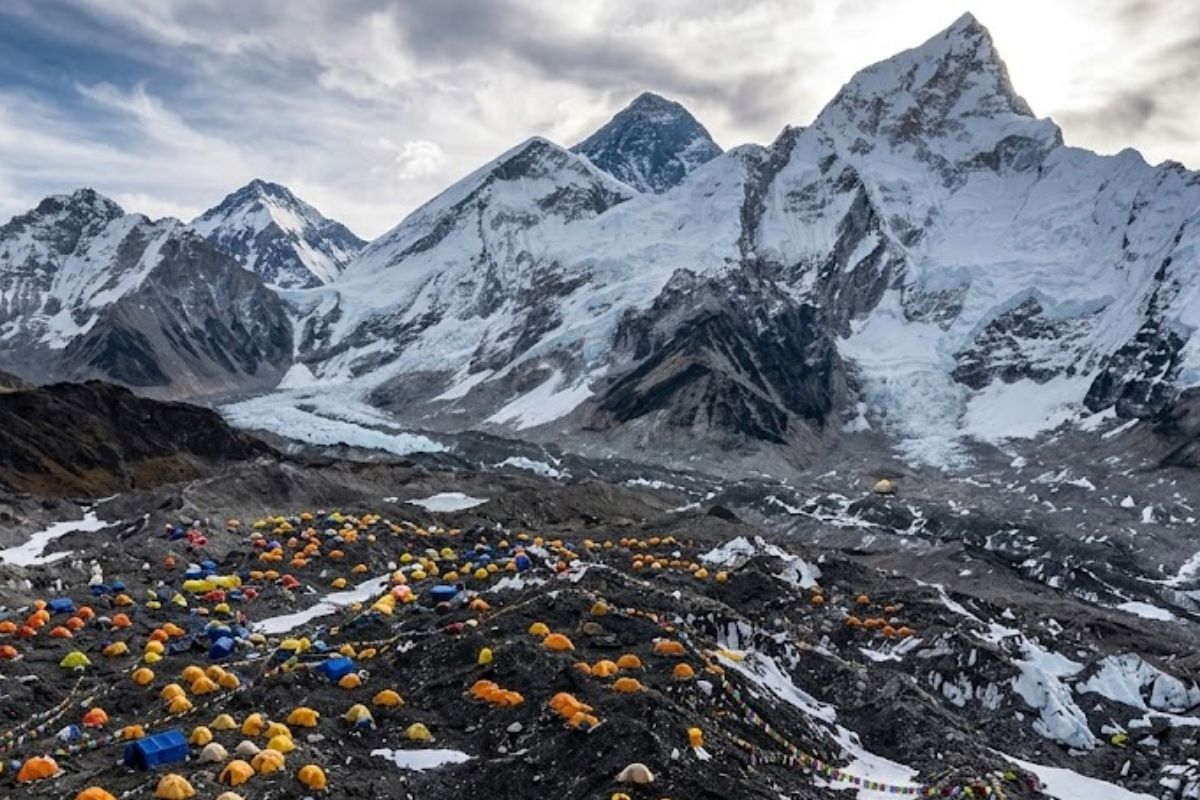
A police investigation in Nepal indicted 33 people for a scheme that poisoned tourists in the Himalayas with baking soda, raw meat, and even rat feces to cause false symptoms of altitude sickness, force overpriced helicopter rescues, and charge fraudulent hospitalizations from insurers; at least 4,782 tourists were affected between 2022 and 2025.
Thousands of tourists who went to the Himalayas in search of one of the world’s most epic experiences were poisoned by those who were supposed to protect them. According to an investigation by the Central Investigation Department (CIB) of the Nepal Police, guides deliberately contaminated tourists’ food with substances that caused symptoms similar to altitude sickness, forcing unnecessary medical rescues that fueled a multimillion-dollar fraud scheme against insurers. The report, which spans over 1,200 pages, was completed in March 2026 and indicted 33 people.
According to the G1 portal, the scheme involved trekking agency owners, helicopter operators, and hospital executives who, together, moved around R$ 100 million between 2022 and 2025. Authorities estimate that at least 4,782 foreign tourists were affected. International insurers are already threatening to suspend coverage for trips to the region, and of the 33 indicted, 23 are fugitives. The case jeopardizes Nepal’s image as a tourist destination, a sector that supports over a million jobs in the country.
What the guides put in the food of tourists to cause false symptoms

According to the investigation, the guides contaminated tourists’ food with substances that caused gastrointestinal problems similar to the symptoms of altitude sickness.
-
Few people know this, but Neil Armstrong, one of the most famous NASA astronauts in history, survived the Korean War after jumping from the plane during his seventh combat mission aboard the USS Essex aircraft carrier of the United States.

-
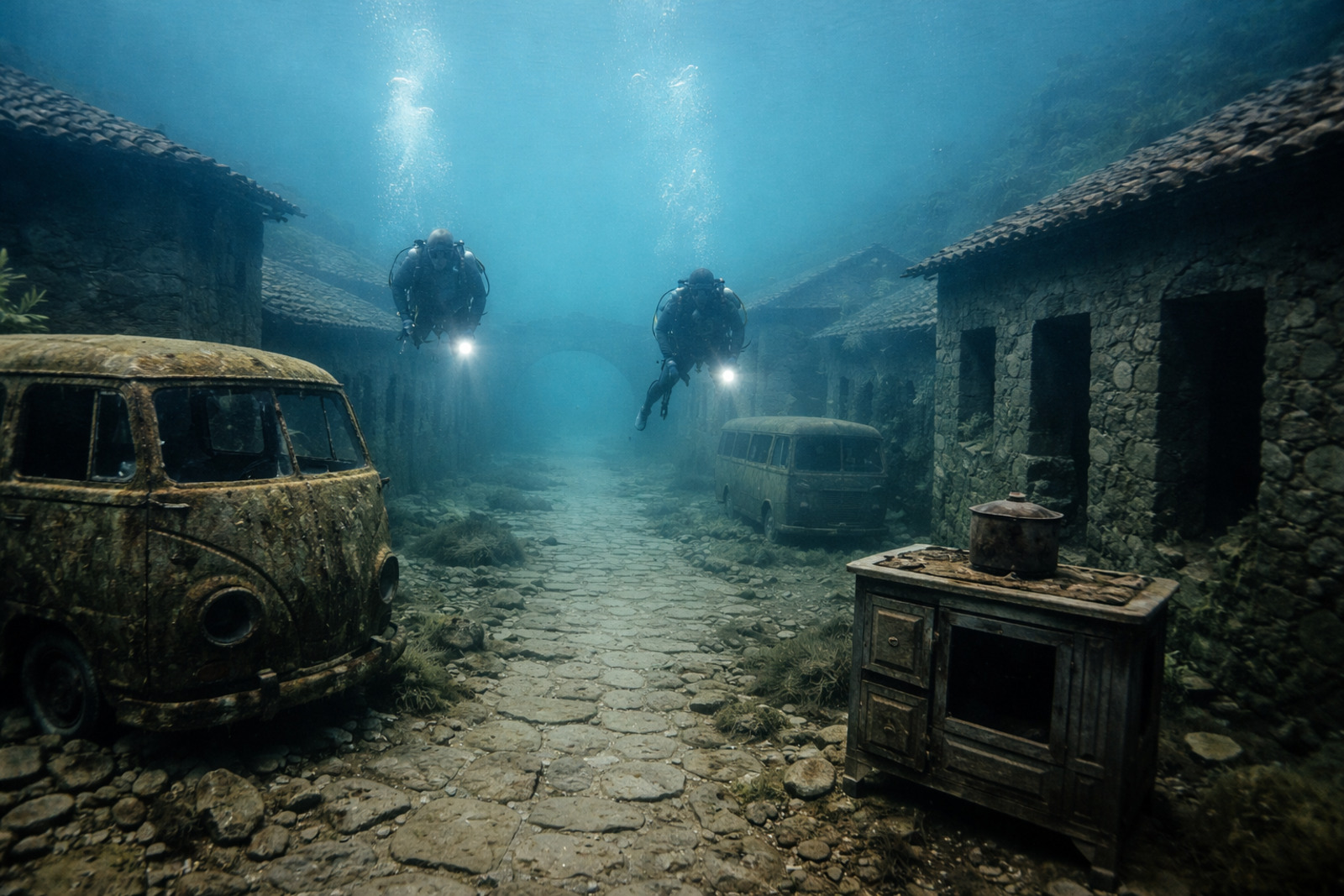
Diving with a camera in Lake Furnas reveals a submerged city with an entire street, almost intact houses, a preserved bridge, a wood stove, a Kombi, and even a bus at the bottom of the largest lake in the Southeast.
-
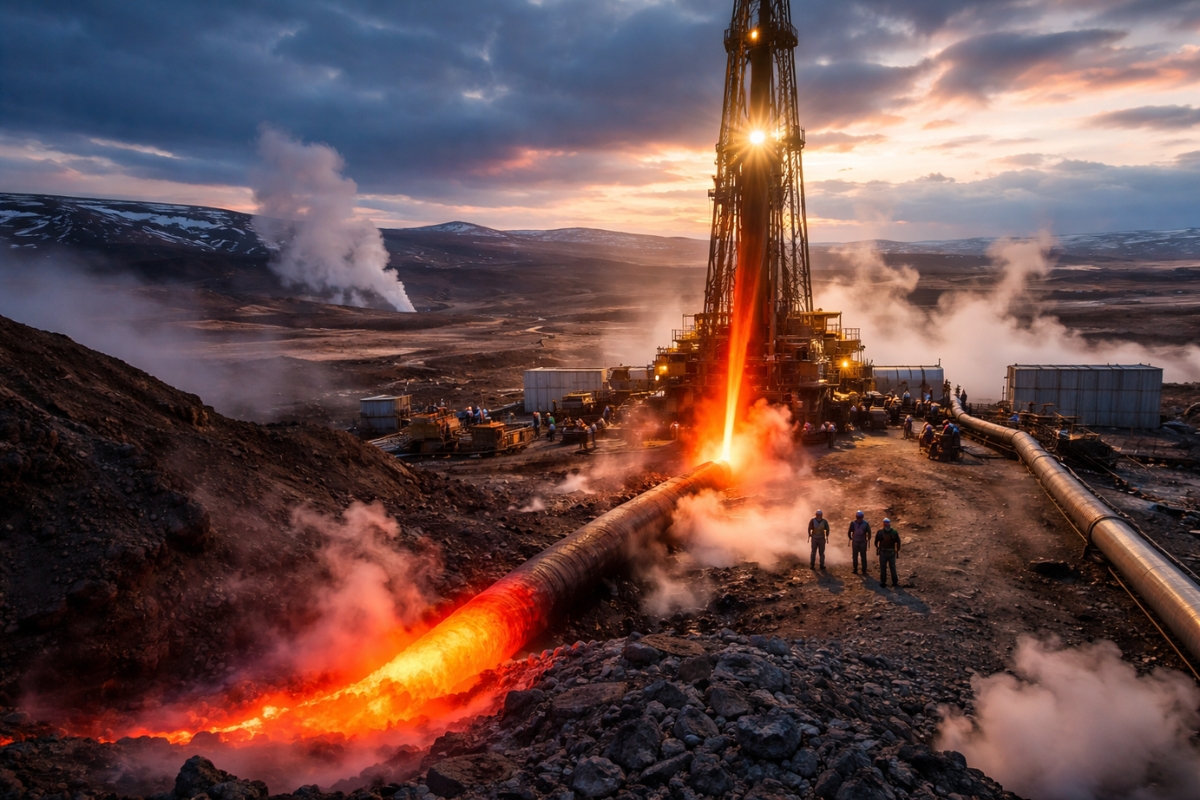
Iceland accidentally drilled into a magma pocket at 2,100 meters and revealed that the extreme heat beneath the crust could pave the way for a new source of continuous energy.
-
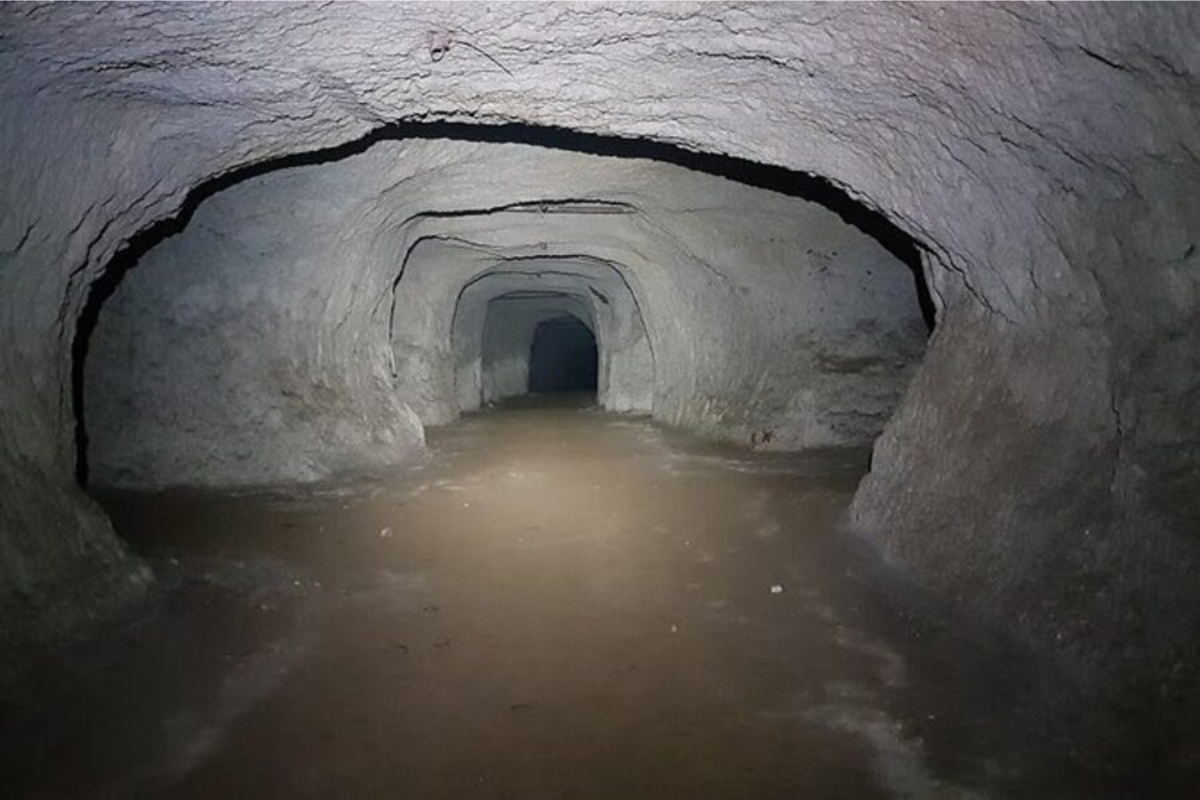
Discovery of a 15-kilometer labyrinth beneath the buildings of Rome raises alarm for collapses and reveals the largest underground network ever found in the Italian capital.
Among the substances used were excessive baking soda, raw meat, and even rat feces—materials that caused diarrhea, vomiting, and dehydration, conditions that, at the altitude of the Himalayas, are easily confused with real altitude sickness.
In addition to direct poisoning, the guides used another tactic: tourists who showed mild symptoms were psychologically pressured, with warnings about the risk of imminent death, to convince them to accept helicopter rescues.
In some cases, medications used to prevent altitude sickness were administered to tourists with excessive water, which caused side effects that reinforced the false need for evacuation. The tourists, scared and weakened, were unable to question.
How helicopter rescue turned into a money-making machine against tourists
The scheme did not end with the poisoning. The next step was evacuation, and here the profit multiplied.
Helicopter rescue flights were overpriced: a single helicopter transported several tourists at the same time, but the total cost was charged individually to each insurer. In practice, a flight that cost $4,000 generated charges of up to $12,000—three times the actual value.
The helicopter operators worked in conjunction with the trekking agencies and hospitals in the region.
Each rescue of tourists fed a chain of fraud that went from the guide who contaminated the food to the hospital that fabricated the diagnosis, passing through the pilot who charged the insurer triple for the rescue.
The report from the Nepalese police indicates that hospitals paid commissions of 20% to 25% to agencies and operators for each patient referred.
Hospitals created fake medical records: “severely ill” tourists were filmed in cafes
The hospitals played a central role in the scheme against tourists. The investigation indicates that health units created false medical records to justify hospitalizations and charge insurers for treatments that were never necessary.
The records described tourists as “severely ill,” but security camera footage told another story.
The cameras showed that tourists officially registered as seriously ill were moving normally around the facilities and were even filmed in nearby cafes.
Meanwhile, insurers received bills for hospitalizations, exams, and procedures that justified inflated amounts. The scheme was well orchestrated: each link in the chain—guide, helicopter operator, hospital—earned their share of the fraud against tourists.
R$ 100 million in fraud, 33 indicted and 23 fugitives: the numbers of the scheme against tourists
The numbers revealed by the investigation are impressive. The scheme is said to have moved around R$ 100 million between 2022 and 2025, affected at least 4,782 foreign tourists, and resulted in the indictment of 33 people including owners of trekking agencies, helicopter operators, and hospital executives.
Of those indicted, 23 are fugitives. The crimes include organized crime, fraud, document forgery, and crimes against national interest.
The impact goes beyond the tourists directly affected. International insurers are already threatening to suspend coverage for trips to Nepal, which, if it happens, could devastate the country’s tourism sector, which supports over a million jobs.
The Nepalese government claims it is trying to recover the diverted funds and punish those responsible, but the damage to the reputation of one of the most iconic adventure tourism destinations in the world has already been done.
The Everest is still there, but the confidence of tourists may not return so soon
The scheme revealed by the Nepal police is disturbing because it targeted tourists at their most vulnerable moment: sick, at extreme altitude, depending on guides they trusted. Instead of protection, they received poison.
Instead of rescue, they were victims of fraud. Instead of medical treatment, they had fabricated records to enrich those who were supposed to care for them.
Mount Everest remains the dream destination for thousands of tourists. But trust—the invisible ingredient that makes someone hand over their life to a guide at 5,000 meters altitude—may take longer to rebuild than any mountain.
Have you ever gone trekking or do you want to go to Everest? Does this case change your perception of tourist safety in Nepal? And what do you think should be done to protect those traveling to remote places? Leave your comments.





Seja o primeiro a reagir!