





 Portuguese
  English
  Spanish
  4 min of reading
  0 comments


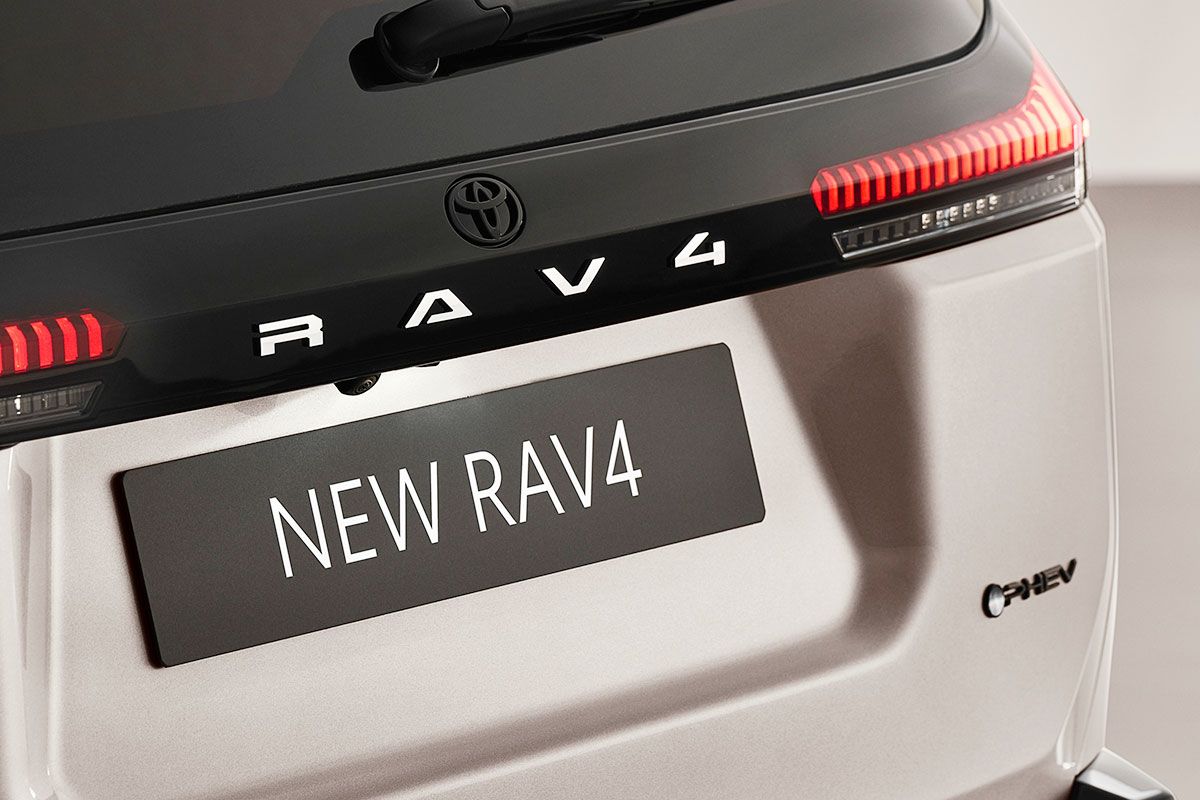
Despite Being a Globally Recognized SUV, the Toyota RAV4 Arrives in Brazil as an Expensive Imported Hybrid, Pressured by Taxes and a Historical Preference for Flex-Fuel. Between Maintenance, Parts, and Tax Incentives for Local Models, Toyota Faces a Market that Rewards Adaptation, Not Reputation at the Point of Sale.
Toyota has strong global sales numbers with the RAV4, often cited as the best-selling car in the world in various markets, but in Brazil the same SUV belongs to a different shelf: that of models that need to justify every penny. The contrast does not arise from a flaw in the product itself, but from the intersection of taxes, importation, and consumer expectations.
When a vehicle arrives as an imported hybrid, the final price tends to rise and the buyer base shrinks, even if the technical package is modern. At the same time, local competition from SUVs manufactured in the country, combined with a preference for flex-fuel and sensitivity to recurring costs, creates an additional filter that redefines Toyota’s game in retail.
Why the Toyota RAV4 is Giant Abroad and Shy in Brazil

On the global stage, Toyota pushes the RAV4 with a combination of scale, reputation, and a proposal for efficiency.
-
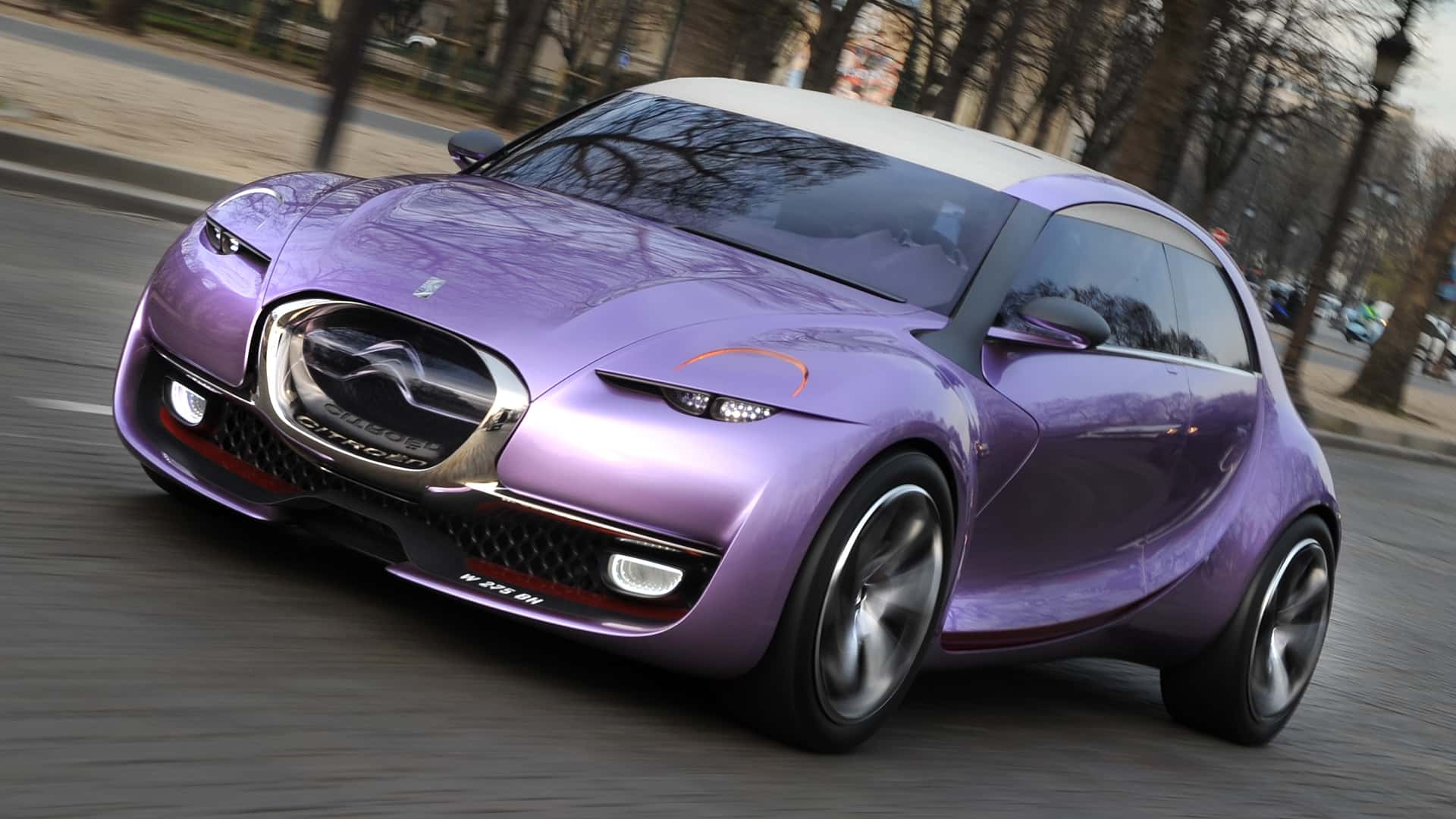
After decades out of the spotlight, Citroën is preparing to bring back the legendary 2CV as a low-cost electric vehicle, betting on the revival of one of the most popular cars in history and aiming to enter the race for affordable compact cars.
-
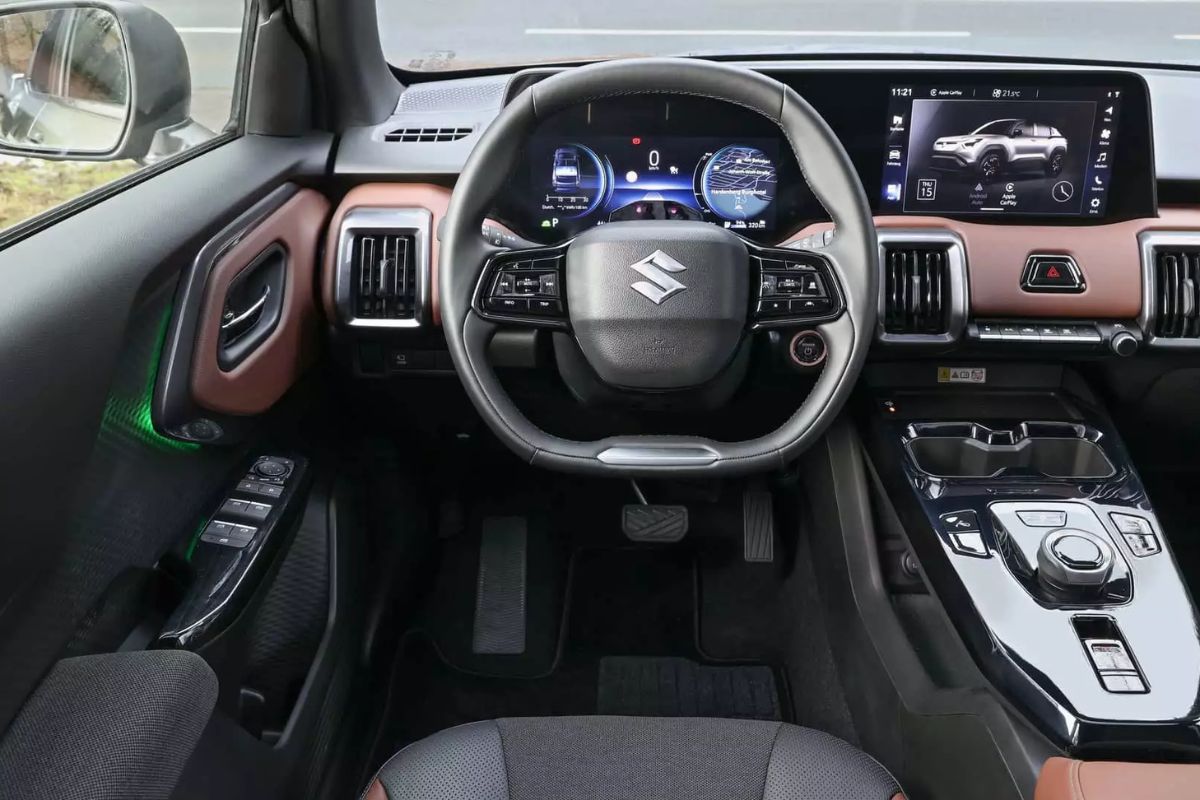
The 2026 electric Vitara arrives in Brazil and proves that Suzuki is not leaving: 4×4 traction, 184 hp, 61 kWh LFP battery, 293 km range, R$ 259,000, and a trunk capacity of 224 L.
-
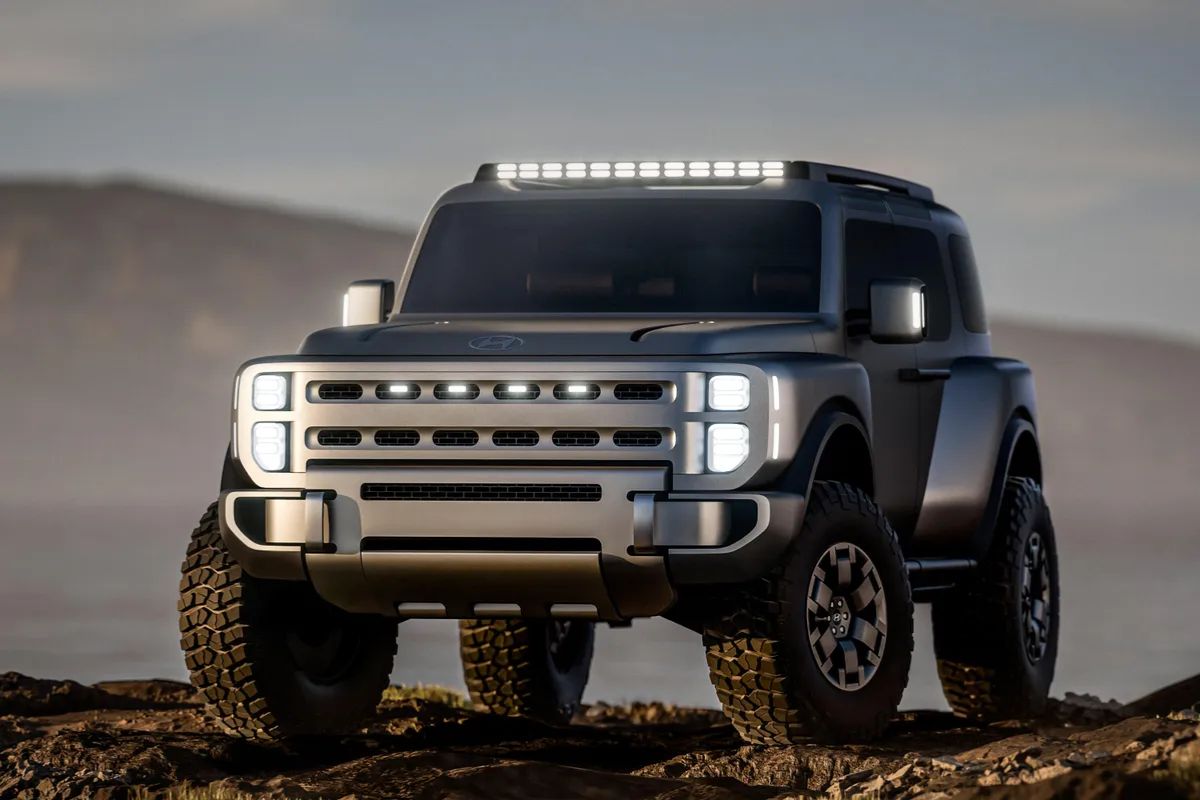
Hyundai has unveiled the Boulder, a square SUV with a body-on-frame design, 37-inch mud tires, and carriage-style doors that seems to be made to take on the Ford Bronco and the Scout Traveller in the United States.
-
The Toyota Hilux is R$ 75.5 thousand cheaper and bets on the 2.8 turbodiesel engine with up to 204 hp and 50.9 kgfm to catch up with the VW Saveiro, which leads with 4,472 sales.
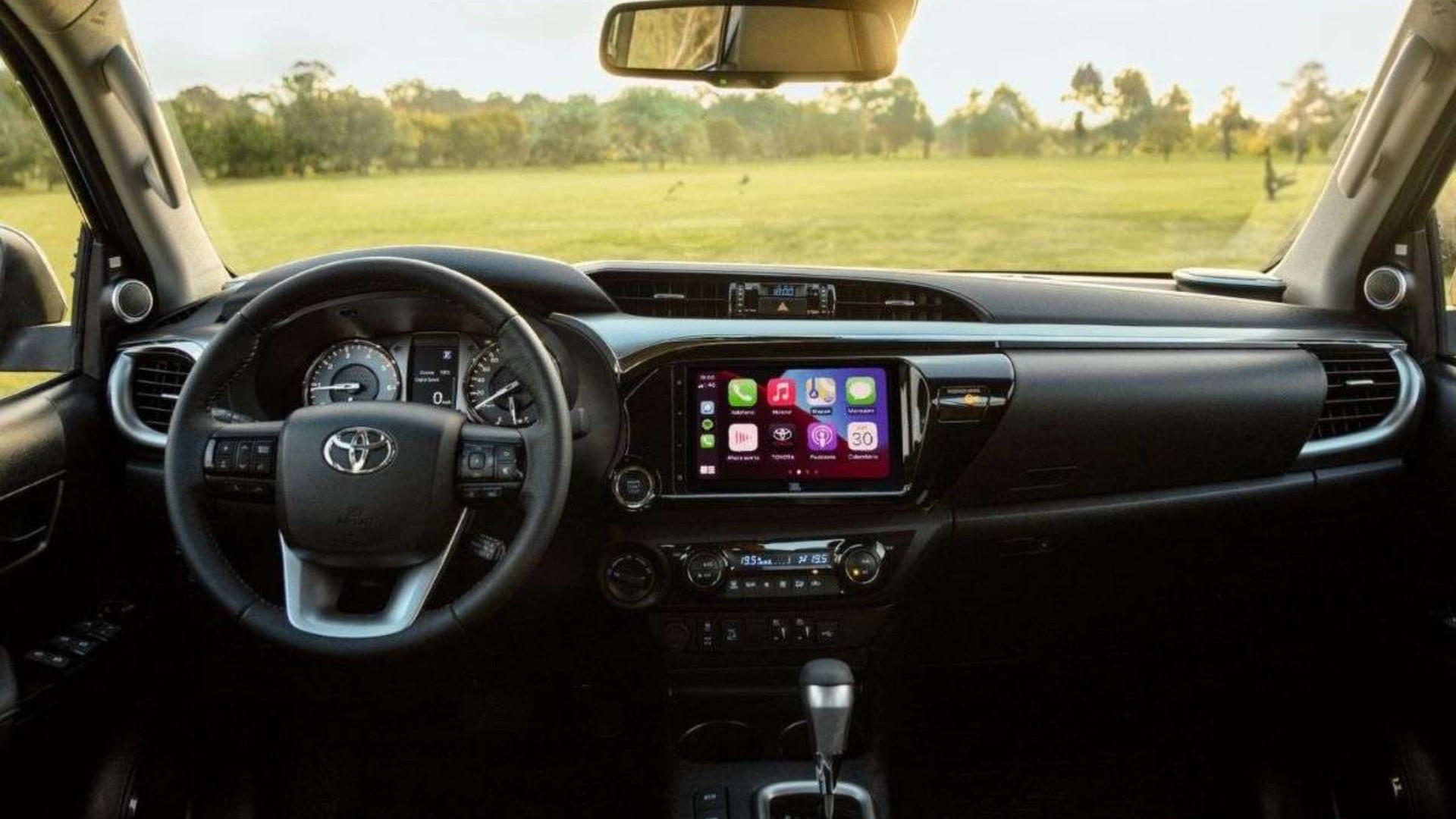
In 2025, the brand recorded strong performance outside of Brazil, driven by technology and a sustainability narrative that aligns with environmental regulations and corporate fleets.
This context gives the SUV a status of a safe choice: there is price predictability, stable supply, and an ecosystem of support that reduces perceived risk.
When the environment is predictable, the consumer compares performance and comfort before comparing the cost spreadsheet.
In Brazil, however, the comparison usually starts with the budget.
The RAV4 is viewed through different lenses because the purchase price, availability, and total cost come into play early in the decision.
The model ceases to be just a desired SUV and turns into a test of financial viability.
Tax, Importation, and the Cascading Effect on SUV Costs
The RAV4 arrives in Brazil as an imported vehicle and, in this condition, carries import taxes and layers of taxation that push the price up.
This effect is not limited to the sticker price: it alters financing, insurance, and even the profile of those considering the SUV on their shopping list.
The consequence is a funnel: the higher the entry price, the more the purchase shifts to niches and consumers who tolerate cost variations.
This changes the scale of the RAV4 in Brazil and reduces the model’s presence on the streets, which also affects popularity perception.
When the product is hybrid, the technology package becomes part of the problem and part of the solution.
Efficiency can reduce fuel expenditure and improve comfort in urban use, but the initial outlay weighs more for much of the public, especially compared to national SUVs that benefit from tax incentives and usually have perceived maintenance as simpler.
The Brazilian Consumer and the Logic of Flex-Fuel
The SUV market in Brazil is competitive and draws the consumer towards locally manufactured compact models, with more aggressive pricing and sales strategies designed for volume.
In this scenario, an imported SUV like the RAV4 needs to be excellent and, moreover, seem rational in direct comparison.
Flex-fuel engines come in as a practical advantage. They provide the freedom to alternate between ethanol and gasoline depending on budget and region, and this influences the mental calculation of monthly costs.
It is not just a technical choice; it is a way to reduce uncertainty in a country with frequent price variations.
In this context, the Toyota RAV4 faces an obstacle that is not just technological but behavioral.
Available parts, service network, and cost predictability enter the trust package, and this bears weight when the buyer compares an imported hybrid to local SUVs already integrated into the routine and post-sale infrastructure.
What Toyota Can Change to Turn the Game Around in Brazil
Toyota has clear pathways to reduce friction: a local assembly plant or a nationalization strategy could lower some of the costs associated with imports.
Another front could be adjusting the offer to better align with Brazil, preserving the hybrid proposal without losing competitiveness in price and maintenance.
There is also a point of technical communication.
Many buyers understand hybrids as something sophisticated, but not necessarily as something easy to maintain.
Explaining maintenance cycles, parts availability, and repair time can reduce the fear of unexpected costs and make the SUV more comparable to its rivals.
Even so, there is no one-size-fits-all solution.
The real competition is for perceived value, and it involves price, availability, total cost, and suitability for everyday use in cities and on highways.
For the RAV4, the central question is whether Toyota wants to compete for volume in Brazil or accepts a niche role.
In the end, the story of the Toyota RAV4 in Brazil shows that an SUV can dominate abroad and still stumble over taxes, importation, preference for flex-fuel, and perception of hybrid costs. In your region, what matters most when deciding between Toyota and competitors: price, fuel, maintenance, or resale?









-

2 pessoas reagiram a isso.