





 Portuguese
  English
  Spanish
  3 min of reading


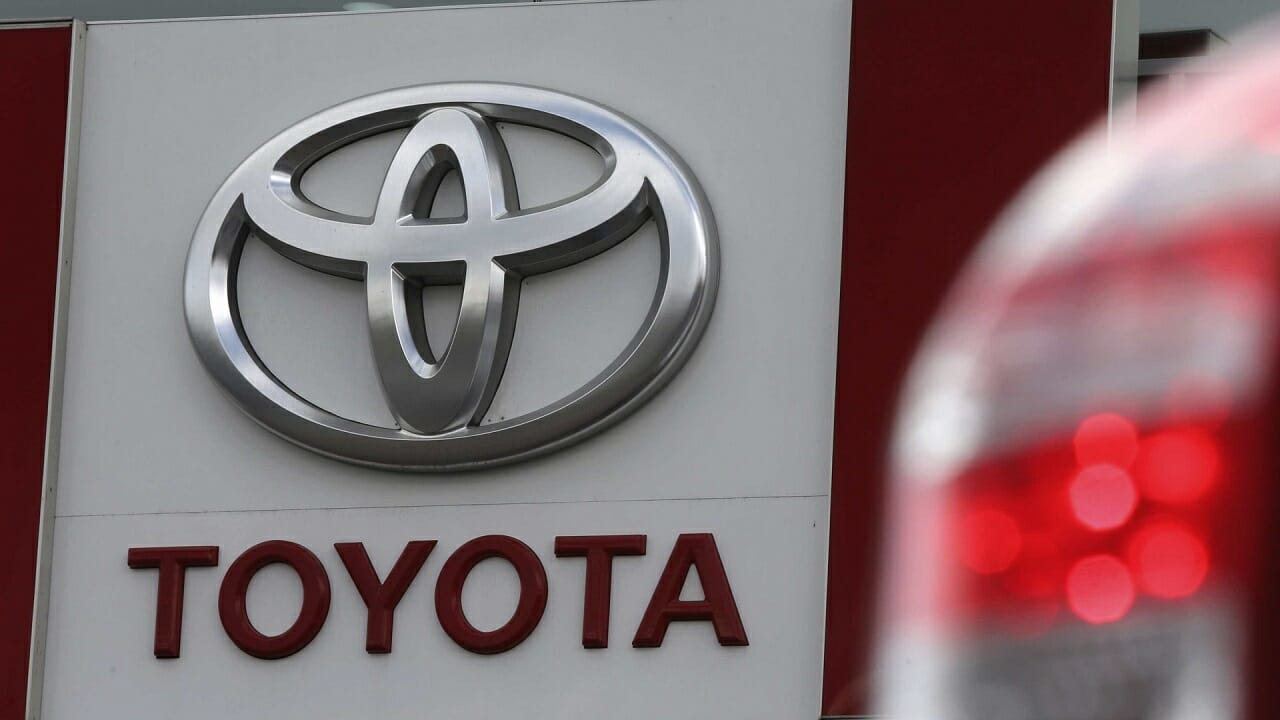
Toyota Ends Production of the Etios to Make Room for the Yaris. Toyota Etios Was on the Market Since 2012, Brazilians Will Have to Say Goodbye to Both the Hatch and Sedan Versions.
Another one of the beloved cars in Brazil has left the dealerships this year. The Toyota Etios, one of the most well-known and sold models from Toyota, has said goodbye to customers after 11 years of success. The automaker officially confirmed the farewell of one of its cars that gained notable attention in recent years.
Understand Why Toyota Ended Production of the Etios
Through an official statement, the company explained the reason behind the drastic decision to end the Etios. According to the automaker, the manufacturer has the flexibility to adjust production capacity based on internal and external demand and market movements.
Toyota ended production of the Etios for both hatch and sedan models at the Sorocaba (SP) factory on August 31. Despite the announcement, the company hadn’t been producing the Etios since 2021, when it began to only export the vehicle to other countries in Latin America.
-
Experts warn: a dirty car air conditioning filter in winter can accumulate fungi and bacteria, causing allergies, fatigue, and even loss of attention while driving.

-
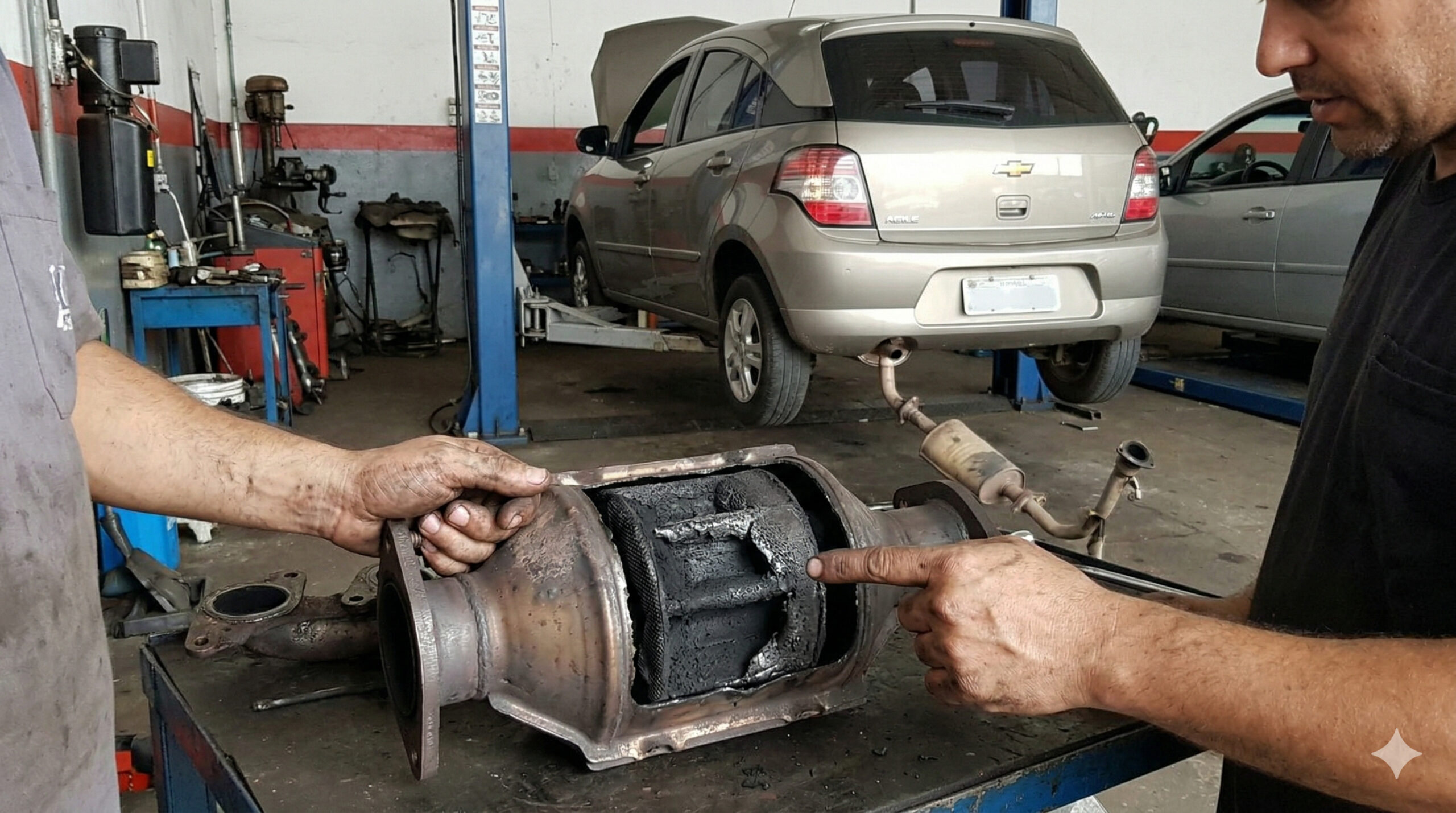
Owners of Chevrolet Agile discover a problem with the catalytic converter that can lead to a bill of up to R$ 4,000, steal engine power, increase fuel consumption, trigger the injection light, and worsen quickly when the first signs are ignored.
-
Thefts of catalytic converters are increasing in Brazil, a component that contains platinum, palladium, and rhodium, metals that can be worth more than gold, and can be removed from under a car in less than 2 minutes, causing losses of up to R$ 8,000 and only being noticed when the driver starts the vehicle and hears an extreme noise from the exhaust.

-
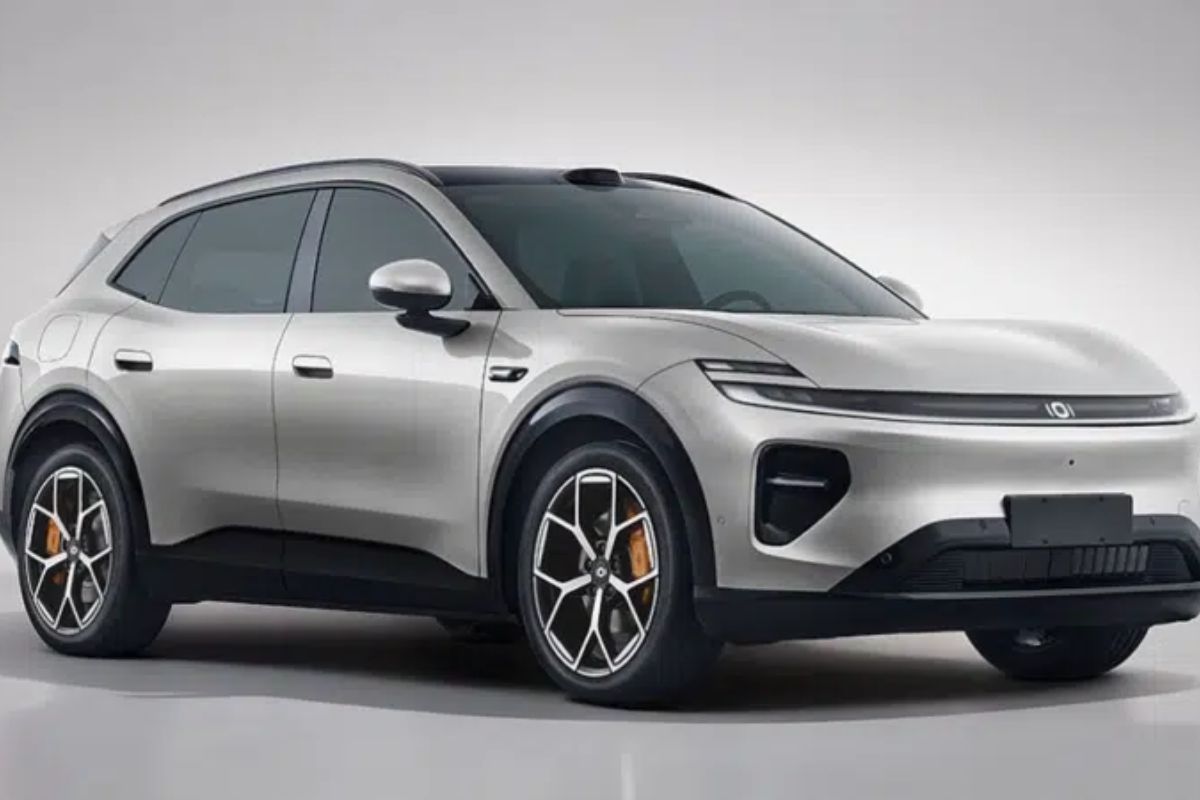
Changan launches Nevo Q06 with 800V architecture and 6C ultra-fast charging, AWD option with two rear motors, EV and EREV versions, LiDAR on the roof, and up to 14 different wheels now.
According to data from Jornal do Carro, the Toyota Etios had already surpassed the average cycle period, which generally lasts 8 years. Its end also served to make room for adjustments at the plant in São Paulo’s interior. The space in the production unit was important for the development of a new compact SUV from Toyota.
The launch of the model with hybrid flex engine is scheduled for 2024. The car that the Japanese manufacturer provided to replace the Toyota Etios in Brazil was the Yaris, which has a significant lineup in the Brazilian automotive market.
Get to Know the Toyota Etios


The Etios was Toyota’s response to the booming compact segment that emerged in the early 2010s. The vehicle arrived alongside the Chevrolet Onix and Hyundai HB20 at the end of 2012.
However, even with the backing of the Japanese brand, the Etios did not take off for two reasons: its unattractive design and the indefensible central instrument panel. There is a plausible argument for having the instrumentation positioned in the middle of the dashboard. The Etios was developed for the East Asian market, where many drive on the left.
However, it was also meant to be distributed in other emerging markets, such as Latin America, which uses conventional driving. Therefore, the central dashboard reduced development and production costs. It would have been sufficient to simply change its position.
Interestingly, the Etios X currently costs more than it did when it was new. Its launch price at the end of 2012 was 33,490. Currently, according to Fipe, its valuation is nearly R$ 36,000. Of course, it should be taken into account that the R$ 36,000 today has much less purchasing power than the R$ 33,500 from 10 years ago.
Toyota Corolla 2024 Arrives on the Market
The Toyota Corolla 2024 is now in stores and has its price ranges released, going from R$ 150,000 to R$ 200,000, according to the automaker itself. It was also reported that the new Corolla’s fuel consumption in the Brazilian Vehicle Labeling Program (PBEV) from Inmetro shows that the mid-size sedan is much more economical in both engine options, even without having updated its power and torque.
The new Corolla will continue to be equipped with a 2.0 Dynamic Force naturally aspirated flex engine in the entry-level versions and with a 1.8 hybrid flex engine in the top-of-the-line versions. The model’s fuel consumption has improved between 2% and 10% depending on the configuration and cycle, reaching a peak of 18.5 km/l in the Hybrid configuration with gasoline in urban cycles.










Seja o primeiro a reagir!