





 Portuguese
  English
  Spanish
  3 min of reading


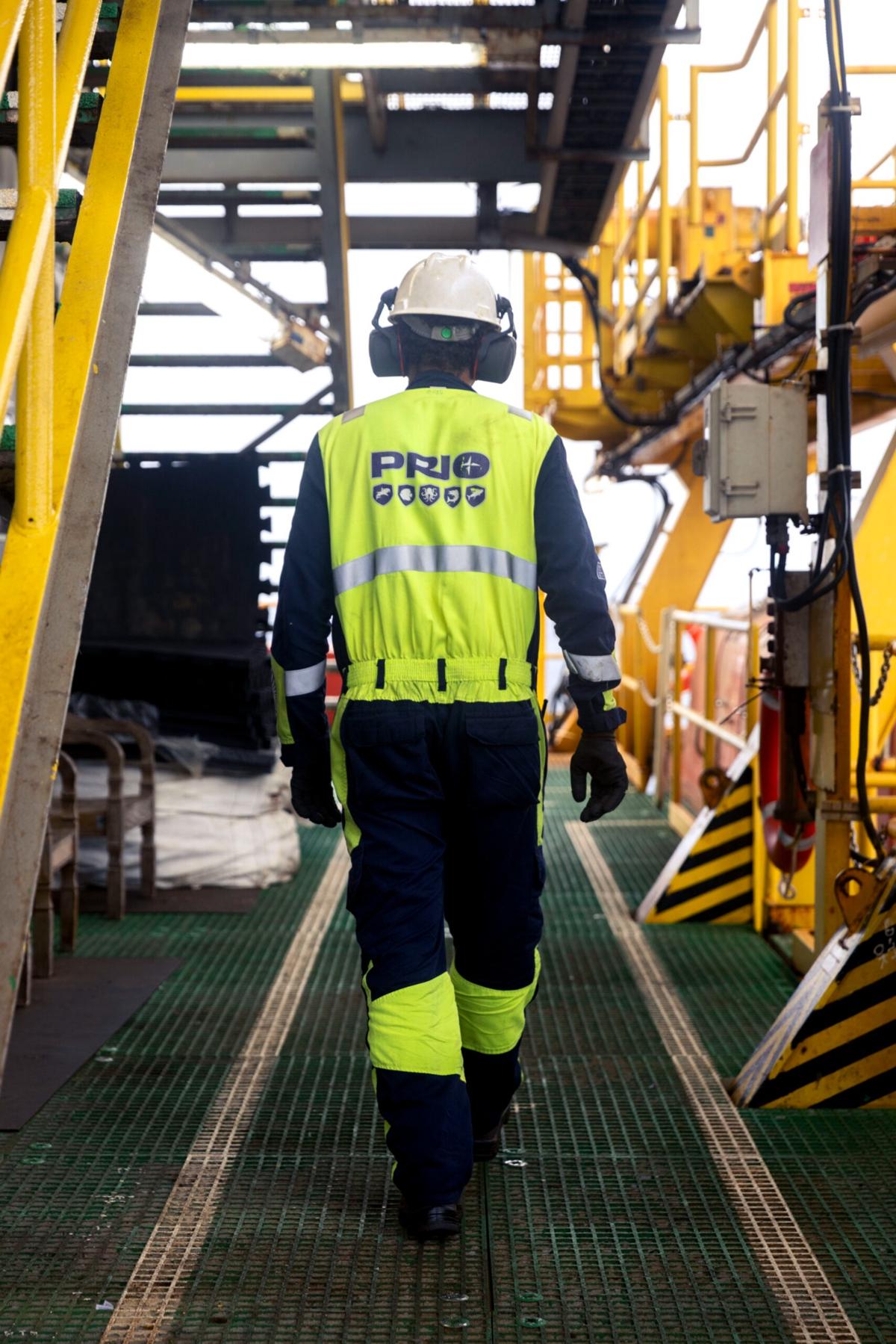
According to data collected by Reuters during this Tuesday, June 7, it is estimated that one in ten workers from a Norwegian offshore is interested in striking for better working conditions. Protests against the company began last Sunday, June 5, but did not gain much traction.
If the strike in Norway does indeed happen, analysts estimate that the price of oil may rise again in Brazil. However, it is important to note that there is little information about the protest, as it is recent and a very small part of the professionals working in offshores are interested in carrying out the stoppage. In other words, only 11% of them.
Currently, the price of oil is being traded at $120.18 and has accumulated a rise of at least 61% over the last 52 weeks. In Brazil, Petrobras has already argued that the prices charged, which exceed R$ 7 per liter of gasoline in about twenty states, are outdated. The state-owned company has had permission since 2016, during Temer’s government, to monitor the foreign market and, therefore, raise its refinery prices as necessary. Bolsonaro’s idea to contain prices is to remove taxes from refineries.
Strike in Offshore: Oil Price Is One of the Highest Ever Seen and Is Worrying Brazilians
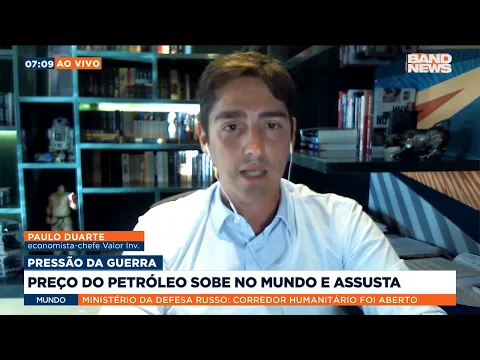

The price of oil has reached one of the highest values ever seen, and the crisis occurring in companies in Norway may exacerbate the situation. Price increases began to occur exponentially since the pandemic, but the price surge started after Russia’s invasion of Ukraine.
-
New opportunity to work offshore in 2026: Forship opens vacancies for offshore and onshore positions in various areas in states like RJ, CE, RN, and much more.

-
The Brazilian Army calls for interested individuals to join the organization with 227 vacancies.

-
Offshore vacancy open this April: Foresea has a new job opening in Macaé (RJ) for those who wish to work on board as Platform Supervisor.

-
Wilson Sons hiring: the company has several job openings onshore and offshore in various areas and Brazilian states; find out how to participate in the selection process.

Russia’s invasion of Ukraine reportedly occurred at the end of February, and Putin’s argument was that the Ukrainian president was not adhering to the rules outlined in the contract signed between the two powers during the 1990s.
Many countries in Europe and the Americas have ceased trading oil with the Russians, causing the country to have large unsold stocks. What is happening is that international stocks have started to decrease due to the lack of negotiations with the world’s largest exporters, resulting in hyperinflation of fuels.
Some Nations Are Already Considering Lifting The Venezuela Embargo To Control Prices and Avoid Double-Digit Inflation That Has Arrived In Brazil
The European Union decided this week that it intended to start negotiating again the purchase of oil from Venezuela, a country governed by Maduro, in order to control the price fluctuations occurring due to the lack of Russian oil. Biden had already suggested lifting sanctions against the country to control American prices and constant inflation. The Venezuela embargo occurred during Trump’s administration due to socialist ideologies and Maduro’s “undemocratic impositions.”
While there is a global oil crisis, the shares of Petrobras (PETR4) are experiencing constant growth: investors believe that shares will increase in value by 80%. The accumulated variation has already surpassed the mark of 55% over the last 52 weeks.
Despite the awareness of the impacts of Russian invasions globally, Putin insists on saying that they are not being economically impacted and that they were already anticipating the blockades. However, the Russian president claims that he will only stop the attacks on the neighboring country when they give up their NATO military group membership, as was previously outlined in the contract signed between the two countries in 1991. It is estimated that China and India are exporting commodities to the Russians.








Seja o primeiro a reagir!