





 Portuguese
  English
  Spanish
  3 min of reading


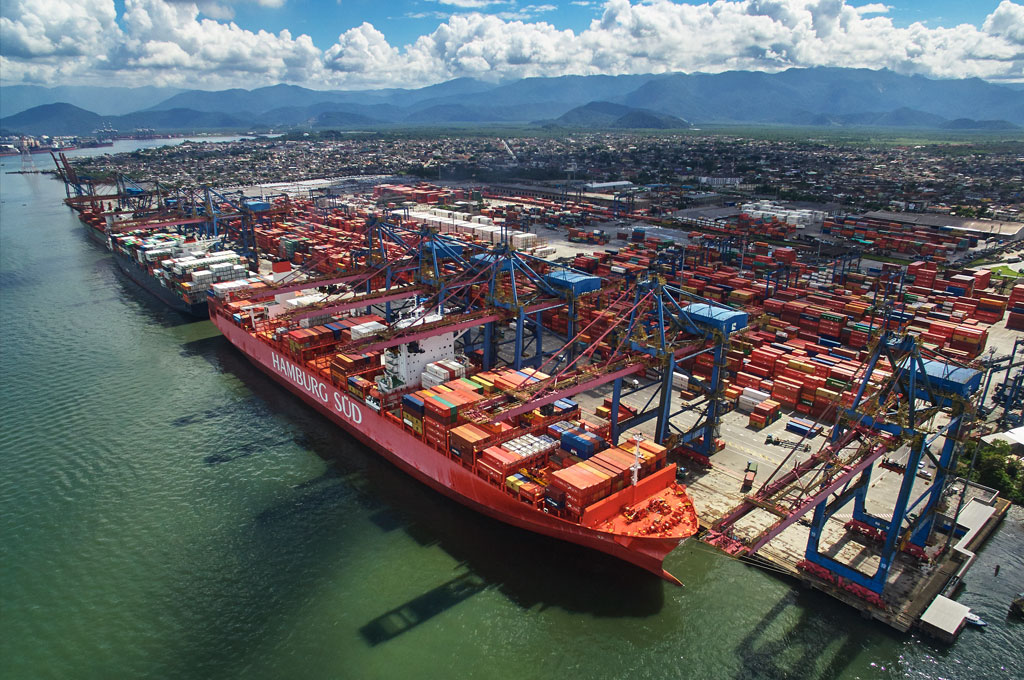
At The Port of Santos, Workers Announced a 24h Strike This Week, But Decided to Wait for a Position on Vaccination Until the End of May
Yesterday (05/11), workers at the largest port in Latin America, the Port of Santos, were planning to hold a 24-hour strike this week due to the lack of a vaccination schedule against Covid-19, according to a statement sent yesterday to clients by Commodities/Unimar Shipping and seen by Reuters. However, the workers at the Port of Santos decided to wait until the end of this month to decide on the strike.
- Centec Opens 600 Spots in Free Online and EAD Courses in Electrical Mechanics, Metallurgy, Gastronomy, and More
- World’s Largest Offshore Wind Farm Receives Investment of 164 Million and Promises to Revolutionize the Offshore Industry
- New Wind Turbine Generates Energy Just from Vehicle Movement on the Road and Promises to Revolutionize Renewable Energy Generation Worldwide
- Ethanol Prices Soar at Pumps with Increasing Demand and Mills Producing More Sugar; Consumers Are Paying the Price, According to Unica
- Do You Have Technical Training? Quality Technicians, Boiler Mechanics, Occupational Safety, Constructions, Electrical, and Others Are Needed for Job Vacancies
Strike Decision at the Port of Santos Due to Vaccination Against Covid-19
Bruno José dos Santos, president of the Stevedores Union of Santos, São Vicente, Guarujá, and Cubatão (Sindestiva), told Reuters yesterday that if the workers at the Port of Santos are not vaccinated against Covid-19 by June 1st, another meeting will be held to decide on a more robust national stoppage.
If the workers at the Port of Santos went on strike, the action could directly affect the berthing and unberthing of ships, in addition to cargo operations, said SA Commodities/Unimar Shipping. There was an expectation that the workers’ decision about a possible strike would occur yesterday; however, the president of Sindestiva also confirmed a meeting to define the movement.
-
With 74% of companies facing difficulties in hiring, technicians and engineers in renewable energy are becoming scarce in Brazil and are essential to support the expansion of solar, wind, and green hydrogen projects.

-
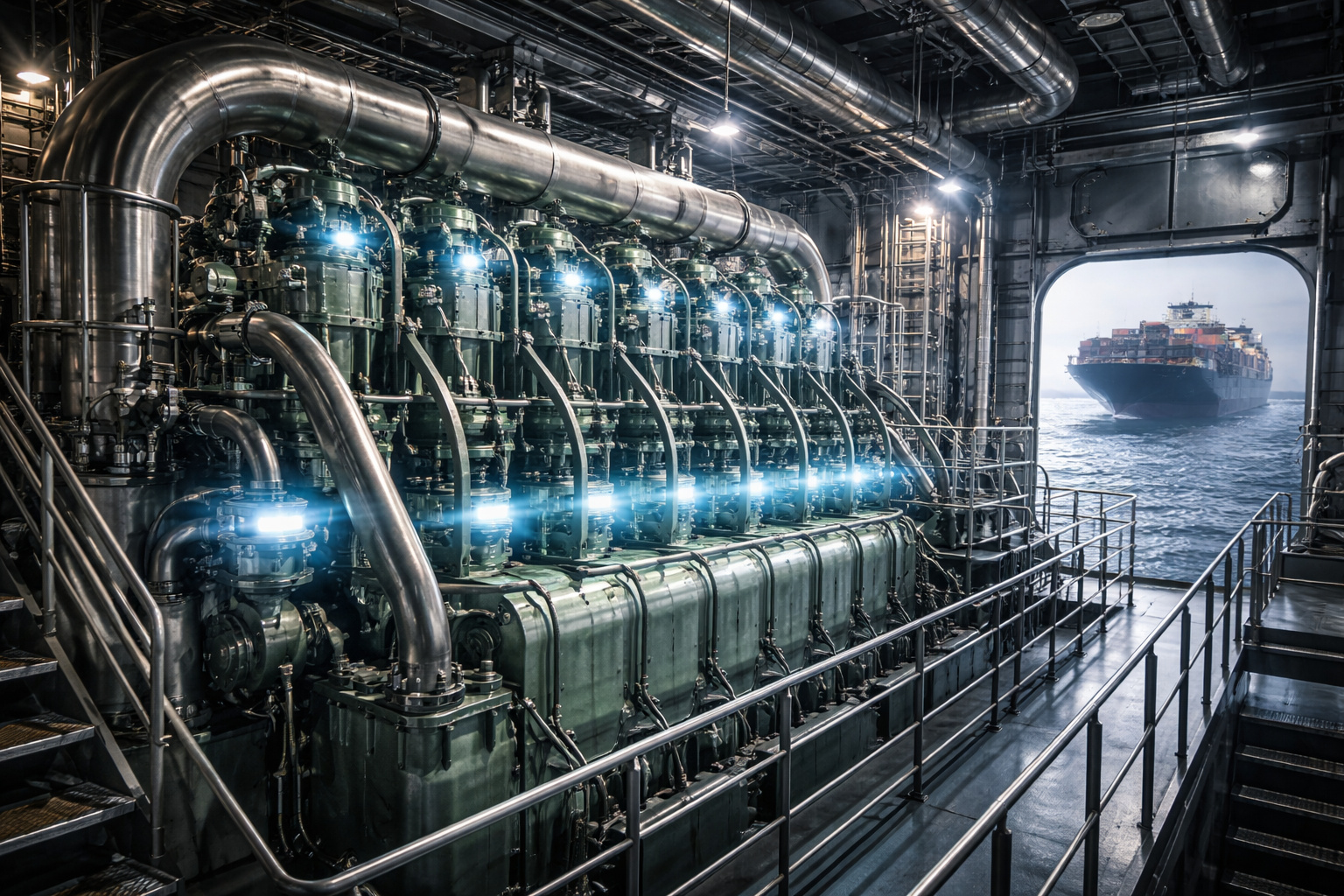
Europe is trying to create an ammonia-powered marine engine without auxiliary fuel, which could unlock the race for giant emission-free ships. The technology aims to eliminate one of the biggest obstacles to clean maritime propulsion.
-
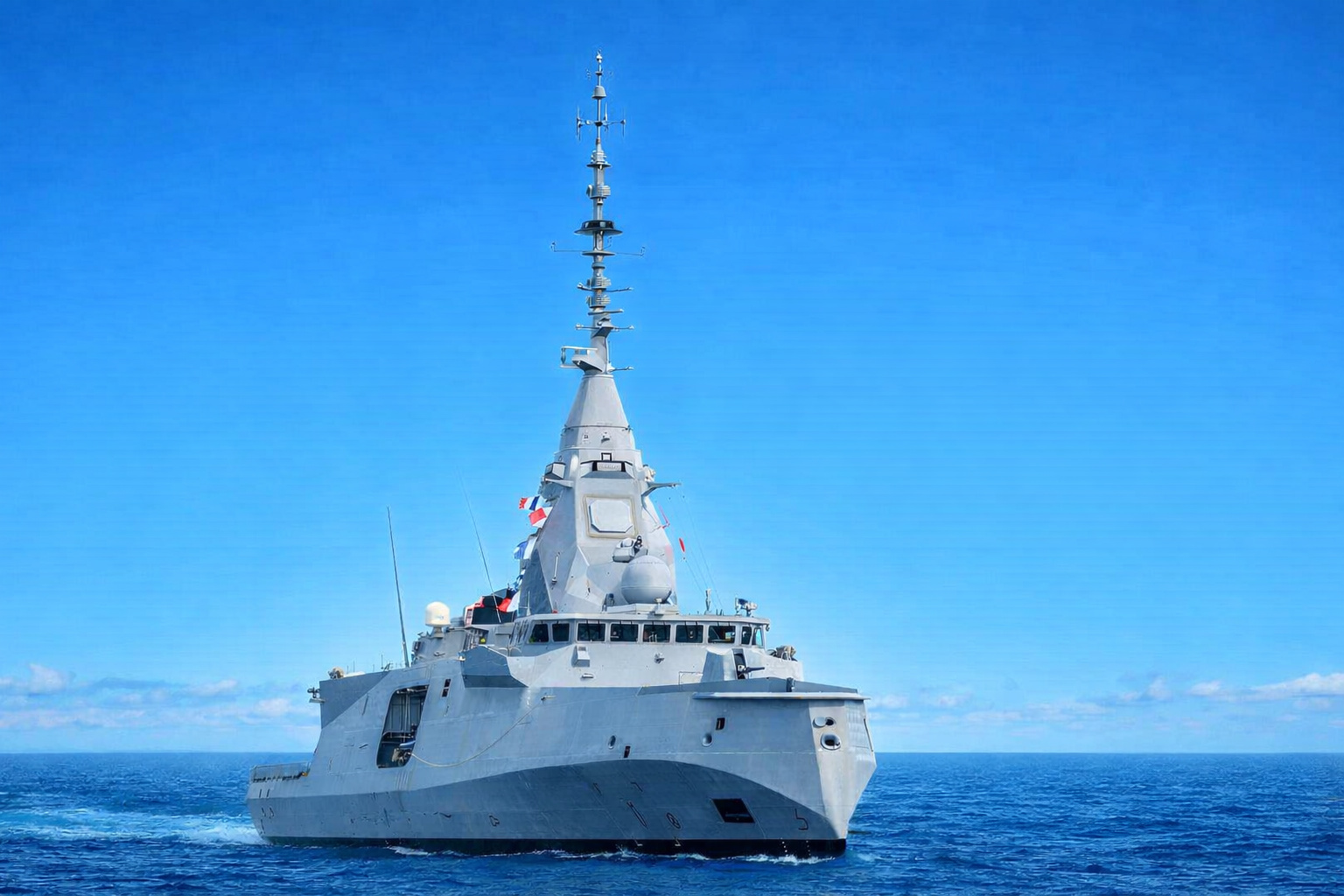
A 4,500-ton frigate with just over 100 crew members, state-of-the-art radar, and cruise missiles is being touted as the new standard of naval warfare in the 21st century.
-
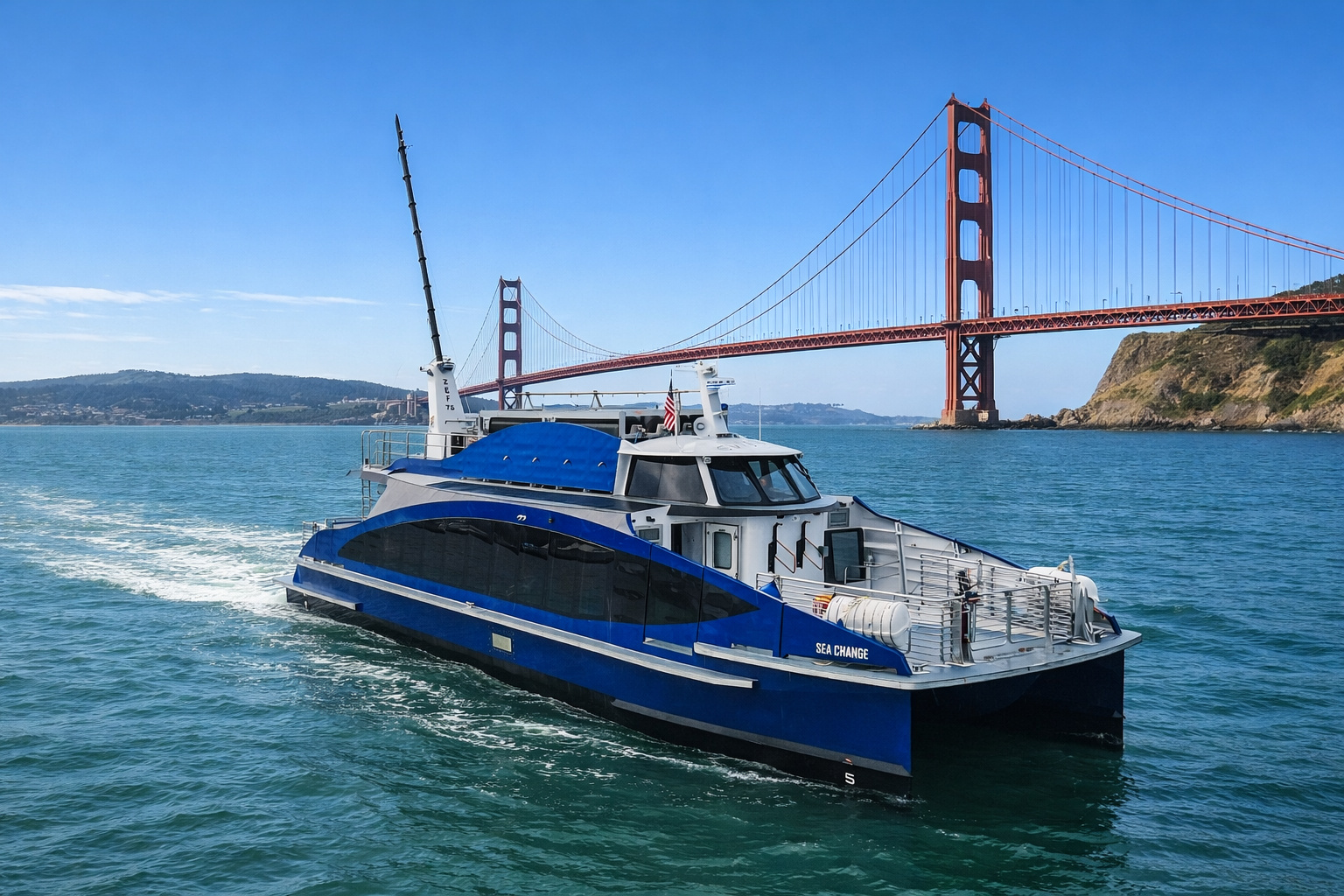
The first commercial hydrogen-powered ferry enters operation in the U.S., eliminates the use of diesel, uses fuel cells to generate clean energy on board, and transforms San Francisco Bay into a landmark of the new era of emission-free navigation.

Port Workers Are in the Priority Group for Covid-19 Immunization
The federal government classifies port workers, such as those at the Port of Santos, as a priority group for Covid-19 immunization; however, the timeline for them to receive the vaccines has not yet been determined. According to the note from AS Commodities/Unimar Shipping, many of the maritime terminals would not be affected by the strike, as they have some type of private operation.
See Below the Note from Unimar Maritime Agency
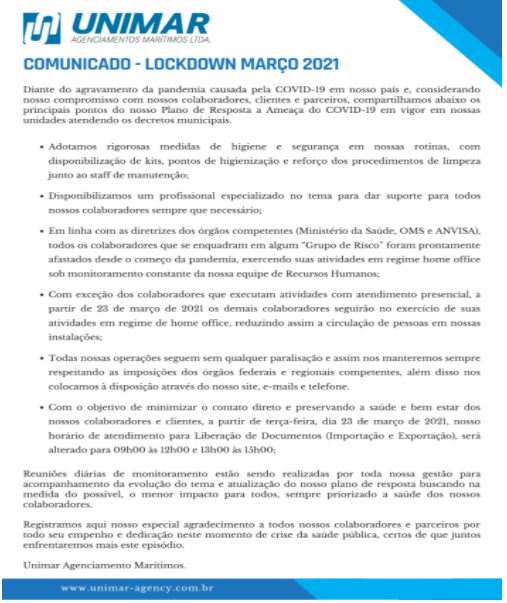
Also See: Port of Santos Will Have Stricter Regulatory Framework in Its Privatization, Says Tarcísio Freitas
When compared to other privatizations by the federal government, the privatization of the largest port complex in Latin America, the Port of Santos, will have stricter regulatory measures and there should be “greater obstacles” for port operators to participate in the franchises. This information came from the Minister of Infrastructure, Tarcísio de Freitas. The event is scheduled to take place in 2022 and involves the largest port complex in Latin America, the Port of Santos.
While regulatory and participation adjustments are specific for each port, the Minister of Infrastructure reminds that the privatization model (as with the Port of Santos) should generally follow the results of the company’s sales and allow the operation of the port.
The Minister of Infrastructure, Tarcísio de Freitas, also commented that the profiles of the participants interested in these assets vary. He also emphasized that the consortium, which could be controversial in the auction, may consist of investment funds and port operators, and these companies have shown great interest in these privatizations that will be carried out by the federal government.







Seja o primeiro a reagir!