





 Portuguese
  English
  Spanish
  3 min of reading


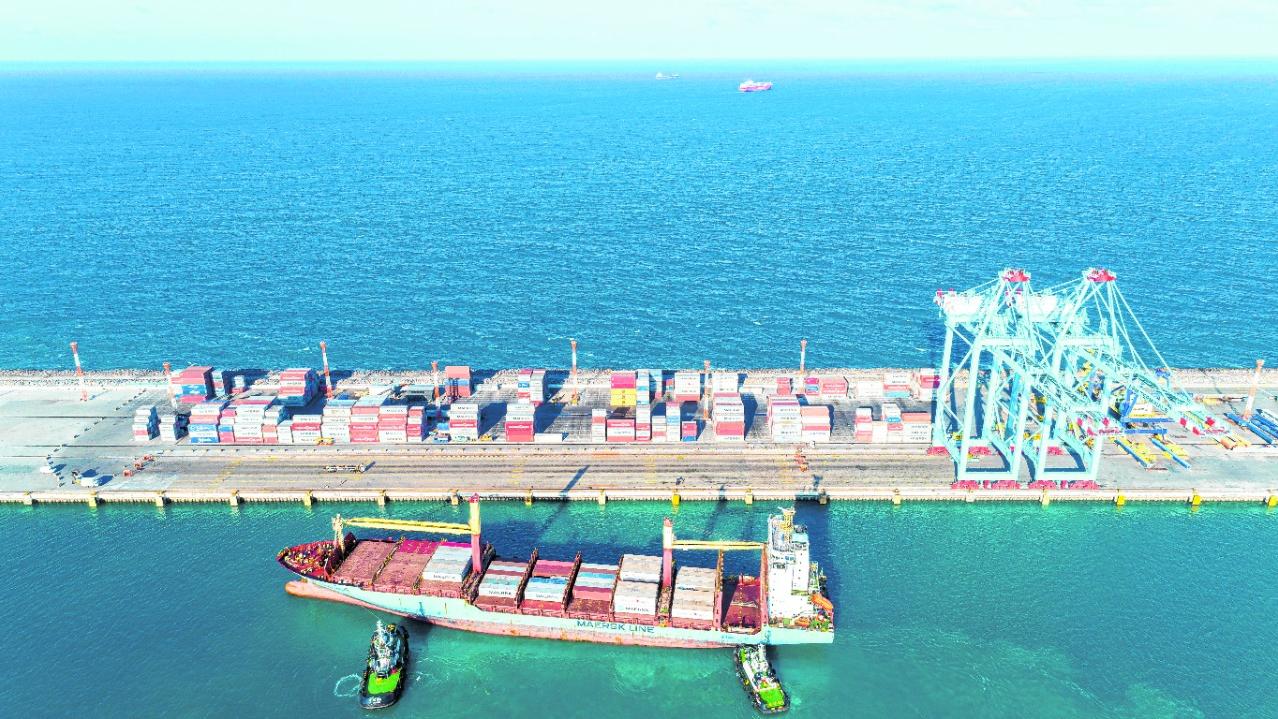
In February, Petrobras Will Resume Ship-to-Ship Operations That Were Suspended Since 2014 at the Port of Pecém. Fuel Will Arrive on Large Ships and Be Distributed to Smaller Vessels, Which Will Transport It to Northern and Northeastern States
After six years, the Port of Pecém will again receive ship-to-ship operations from Petrobras carrying liquid fuel for transshipment — a modality known as ship to ship — starting next February.
Also Read
Resumption of Petrobras Ship Transshipment at the Port of Pecém
The resumption of Petrobras’ ship transshipment operations at the Port of Pecém announced yesterday (17) by Governor Camilo Santana is expected to boost the state’s tax revenue. The operation, which had been suspended since 2014 by Petrobras, will resume in February next year and will allow for the distribution of fuels from larger ships to smaller vessels, which will transport the fuel to other states in the North and Northeast.
“We were able to license this operation with Ibama (Brazilian Institute of Environment and Renewable Natural Resources) and starting from February next year, Petrobras will resume this operation with us,” said Danilo Serpa, president of the Pecém Complex (Cipp S/A).
-
With 74% of companies facing difficulties in hiring, technicians and engineers in renewable energy are becoming scarce in Brazil and are essential to support the expansion of solar, wind, and green hydrogen projects.

-
Petrobras evaluates suspension of sales to distributors and considers canceling the cooking gas auction following guidelines from the Federal Government.
-
Europe is trying to create an ammonia-powered marine engine without auxiliary fuel, which could unlock the race for giant emission-free ships. The technology aims to eliminate one of the biggest obstacles to clean maritime propulsion.
-
A 4,500-ton frigate with just over 100 crew members, state-of-the-art radar, and cruise missiles is being touted as the new standard of naval warfare in the 21st century.
Consumer Price
He states that the transshipment operation by Petrobras at the Port of Pecém will impact the state’s revenue, but it should not influence the price of fuel for consumers in Ceará, as the transport logistics will remain the same.
“The product intended for the gas stations is, was, and will be supplied by the Port of Fortaleza. It is important to say: the supply logistics will continue to be the same as it has been. This fuel will not be unloaded at the Port of Pecém,” explains Iughetti.
“Larger ships will arrive in Brazil with liquid fuel and will pass it to smaller ships to take to the states in the North and Northeast regions. It’s a very important operation for the port because, at the same berth, you can dock two ships – the smaller one next to the larger one,” Serpa detailed. The Secretary of Economic Development of Ceará, Maia Júnior, and the president of Transpetro, Gustavo Raposo, also participated in the meeting.






Seja o primeiro a reagir!