





 Portuguese
  English
  Spanish
  2 min of reading


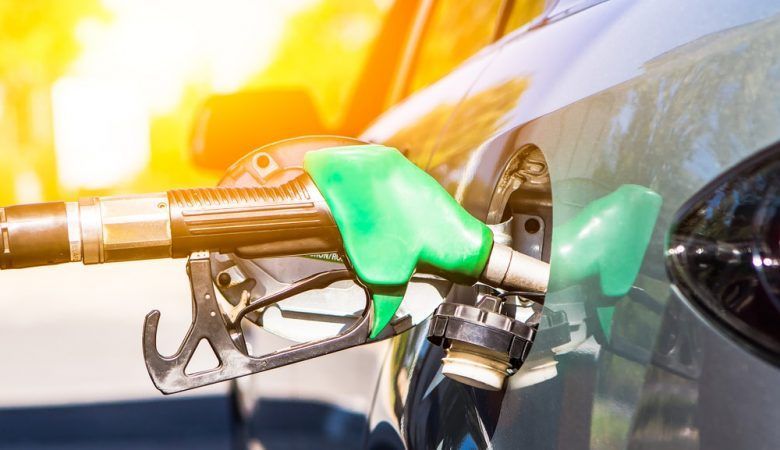
President of the Union of Sugarcane Industry, Evandro Gussi, Evaluates the Stay of Diesel and Gasoline for the Next 10 Years in the Automotive Sector
According to the president of the Union of Sugarcane Industry (Única), Evandro Gussi, the energy transition in the automotive sector will require coexistence with diesel and gasoline for the next 10 years in the Brazilian market.
- Oil and Gas Giant, Shell, Announced That It Is Looking for an Engineer in Rio de Janeiro
- Energy Company Opens Positions for Engineer, Technician, and More in the Campinas, São Paulo Region
- Eneva Is Seeking Professionals from the IT, Chemical, and Tax Areas for Onshore and Offshore Positions
Recently, there has been and there is still debate about the prohibition of selling fossil fuel vehicles. Bill 304/2017 was approved by the Senate’s Constitution and Justice Committee (CCJ), surprising the entire fuel production sector, including both the ethanol and oil and gas markets. The approval served as a warning of the need to address emissions throughout the industry.
-
The next exploration auction in the pre-salt will offer 23 blocks in the Campos and Santos basins and may change the interest of oil companies in Brazil.

-
The next exploration auction in the pre-salt will offer 23 blocks in the Campos and Santos basins and could change the interest of oil companies in Brazil.

-
Red Sea, from biblical site to oil hope: South Korea reveals ambitious plan to create new oil routes through the Red Sea with the dispatch of 5 ships, agreements with 3 countries, and a focus on the strategic port of Yanbu.

-
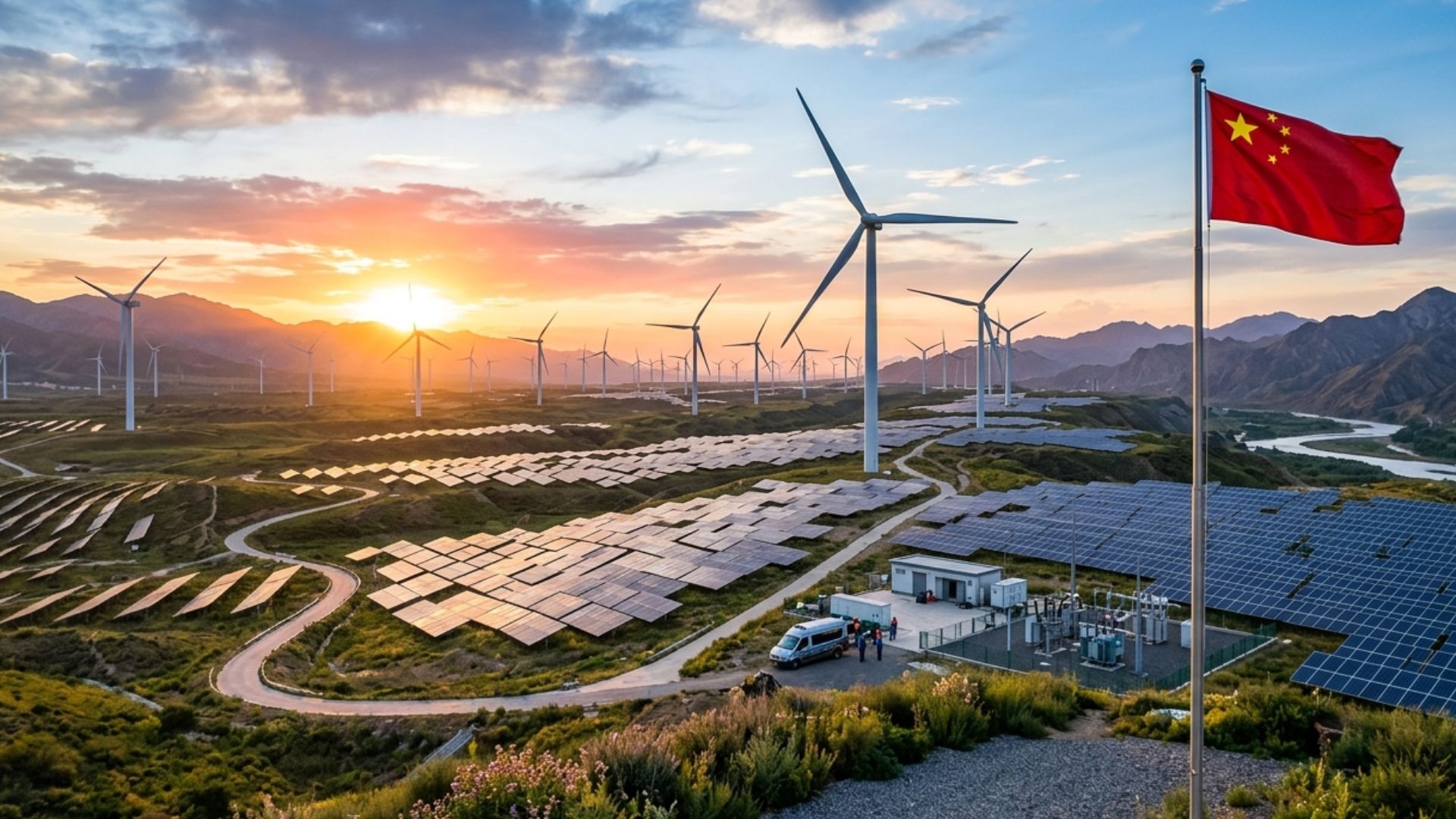
Renewable energy advances globally with Asia taking the lead; Irena’s analysis indicates a strategic progress that drives the energy transition and reduces generation costs.
According to Evandro, “There is global concern about the need to reduce emissions, but what is defensible about Brazilian gasoline is its composition with ethanol. Brazilian gasoline only stands up because it has 27% ethanol, which makes it cleaner compared to other gasolines around the world.”
In the current scenario, ethanol is not able to meet Brazilian demand to replace gasoline. The sector produced 32 billion liters of ethanol in 2019. The expectation is that, with the implementation of RenovaBio, by 2030 the production will be 50 billion liters. But even so, the amount will not be enough to completely displace the demand for gasoline.
According to the National Agency of Petroleum, Natural Gas and Biofuels (ANP), the consumption of type C gasoline in Brazil in 2019 was 38.2 billion liters, a decrease of 0.56% compared to 38.3 billion in the previous year. The consumption of ethanol was 22.5 billion liters, an increase of 16.2% compared to 19.3 billion liters in 2018.








Seja o primeiro a reagir!