





 Portuguese
  English
  Spanish
 3 min of reading
  0 comments


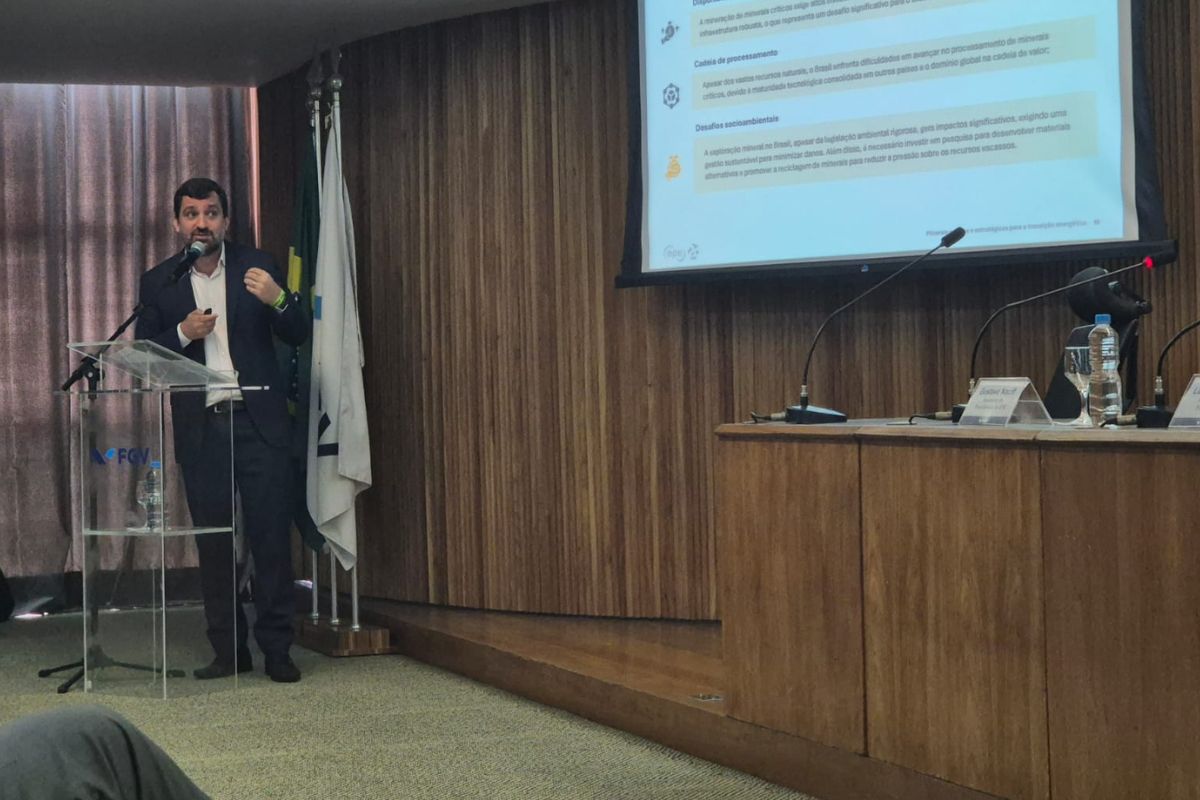
With A Focus On The Energy Transition In Brazil, EPE And FGV Energia Highlight Opportunities In Strategic Minerals, Sustainable Investments And Global Integration In Clean Energy Production Chains
The energy transition in Brazil has consolidated itself as one of the central themes for the future of the economy and national sustainability, according to an article published.
On Wednesday, October 8, the Brazilian Energy Research Company (EPE) participated in the launch of the booklet “Strategic Minerals in Brazil: Opportunities for Production and Insertion in the Global Market,” promoted by FGV Energia in partnership with Hub EnergyC.
The event brought together representatives from the government, academia, and the productive sector, reinforcing the importance of critical minerals for economic growth and advancing a low-emission energy matrix.
-
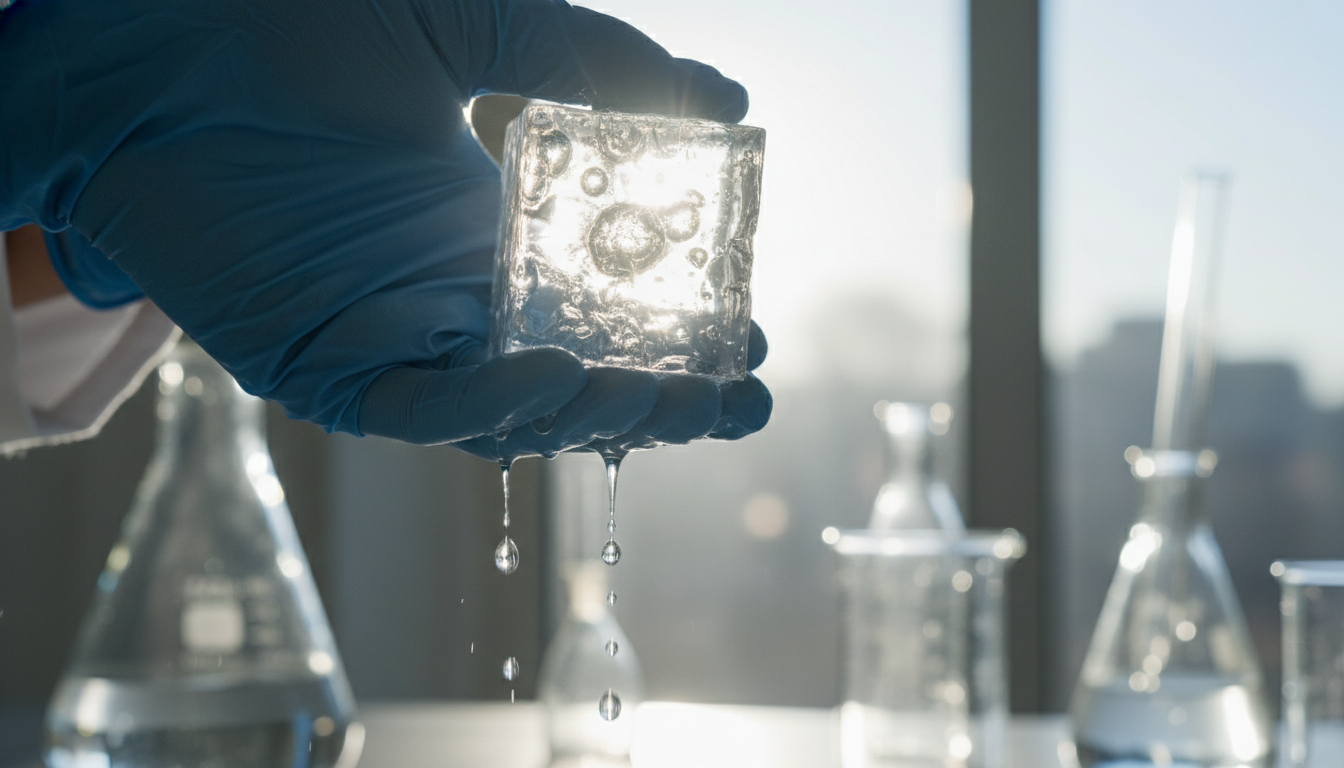
Scientists create a “molecular sponge” that transforms dirty water and even water from the Dead Sea into potable water using only sunlight and without consuming any electrical energy.
-
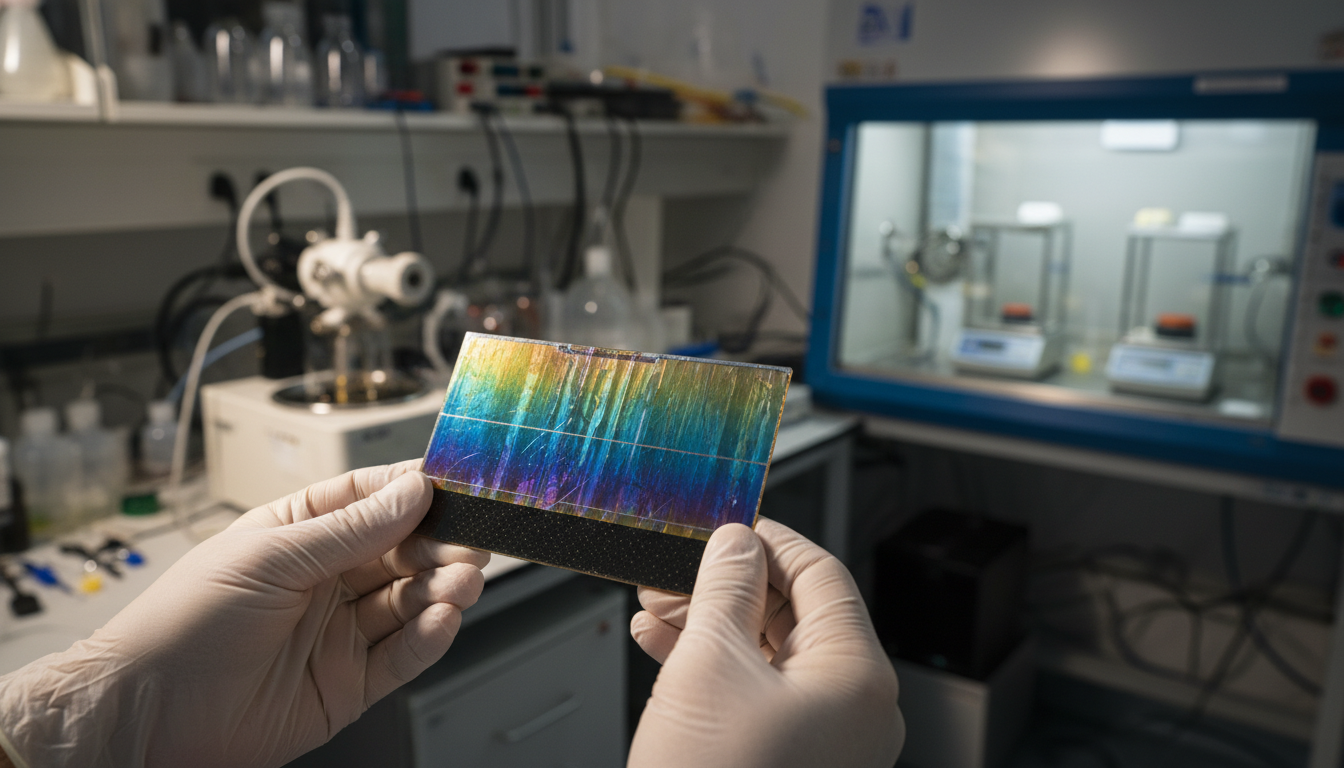
Chinese company creates solar cell that breaks the physical limit of silicon with 34.85% efficiency and promises to revolutionize electricity bills with panels that generate 20% more energy starting in 2026.
-
Supply crisis in the Colorado River Basin raises concerns about the limits of consumption reduction amid extreme drought.
-
Big techs plan US$ 635 billion in AI data centers by 2026, but the crisis in the Middle East threatens investments, and Brazil is betting on natural gas to attract megacomplexes of up to 1,500 MW in Rio de Janeiro, Rio Grande do Sul, and Paraná.
The study launched aims to strengthen the country’s positioning in the international scenario, leveraging its vast geological potential and the competitiveness of a predominantly renewable matrix.
The proposal is to attract sustainable investments and expand the development of value-added production chains capable of boosting Brazil in the global energy supply chains.
Critical Minerals And Clean Energy: Pillars Of The New Global Market
During the event, Gustavo Naciff, advisor to the presidency of EPE, emphasized that critical minerals are essential for the energy transition in Brazil.
According to estimates based on the Ten-Year Energy Expansion Plan (PDE 2034), the mineral composition of the national electric matrix is expected to grow by 54% between 2024 and 2034, driven by the expansion of renewable sources like solar and wind.
This advancement reinforces the interdependence between the mineral and energy sectors, requiring public policies and industrial strategies that unite energy security, sustainability, and competitiveness.
The integration of mining and clean energy is seen as a fundamental step to ensure the supply of critical inputs, such as lithium, nickel, and copper, essential for battery technologies and electromobility.
Sustainable Investments And Green Industrial Development In Brazil
EPE has strategically contributed to the debate on critical minerals through studies such as the Critical and Strategic Minerals for the Energy Transition booklet, launched in 2025.
These analyses are integrated into the PDE and PNE plans, which estimate the need for mineral resources associated with the expansion of generation, transmission, and electric mobility in the country.
With the expansion of sustainable investments, Brazil seeks to establish itself as a leader in green industrial development, promoting more technological production chains with higher added value.
This integration strengthens the country’s commitment to a safe, inclusive, and sustainable energy transition, connecting innovation, environmental responsibility, and international competitiveness.
Value-Added Production Chains And The Role Of EPE In Energy Integration
The presence of EPE at the launch of the booklet reaffirms its essential role in formulating public policies that support the energy transition in Brazil.
The agency works to align energy planning with the agenda of strategic minerals, promoting synergies between the mining, energy, and industry sectors.
With initiatives that unite clean energy, value-added production chains, and sustainable investments, EPE contributes to building an ecosystem capable of positioning Brazil as a global leader in the new green economy, a movement in which the energy transition in Brazil becomes a vector of economic, technological, and environmental prosperity.






Seja o primeiro a reagir!