





 Portuguese
  English
  Spanish
  3 min of reading


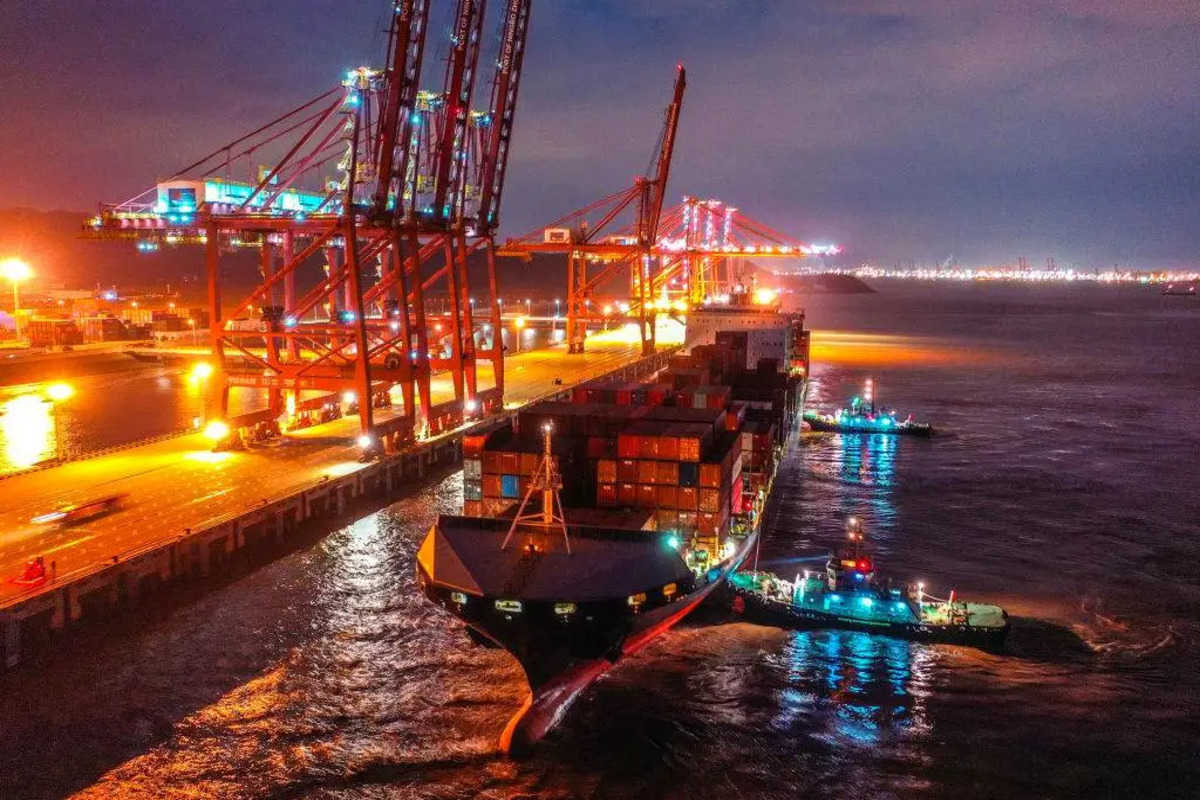
Although Brazil has denounced bilateral agreements with Chile, Uruguay, and Argentina for joining the OECD and agreements between MERCOSUL and EU countries, in the last 20 years without new agreements, internal navigation has faced a substantial reduction.
In light of this situation, Argentinian and Brazilian shipowners and seafarers from the maritime transport sector between Brazil and Argentina gathered in February 2023 with the intention of resuming negotiations for a multilateral agreement aimed at resolving issues and stimulating growth in the maritime sector of Mercosur, in which:
- Negotiation of freight rates;
- Feeder cargo, the service of transporting and distributing goods from hub ports that are transshipped in any Contracting State;
- Adoption of a uniform statistical system to monitor each;
- Involvement of each Contracting State in maritime shipments and the possibility of “abandoning” cargo in situations such as deadline releases.
Learn More About Maritime Transport Between Brazil and Argentina
Domestic cabotage will be exclusively reserved for each contracting party, regardless of the finalization of the respective contract, except for oil and its derivatives; shipowners licensed and registered in one of the member States of MERCOSUL may obtain cargo, with priority given to the country of origin and having a ship registered in the country and flag treatment; and priority will be given to the employment of national seafarers in accordance with the current regulations of the member state.
In addition to the guidelines established for the multilateral agreement, the Federative Republic of Brazil and the Republic of Argentina signed a new maritime agreement that encompasses the points outlined in the Mercosur agreement.
-
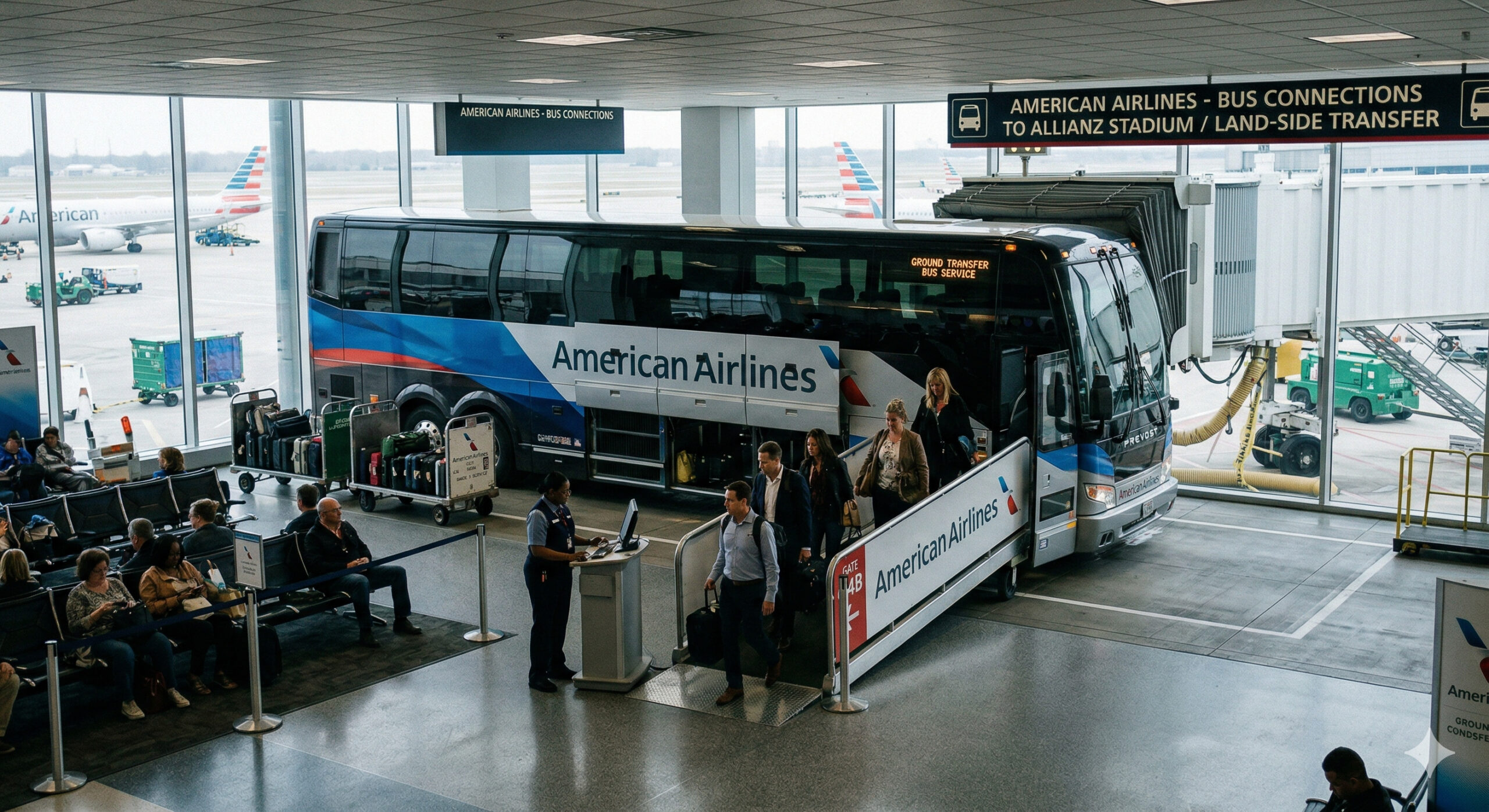
American Airlines starts selling trips as if they were flights, with check-in and baggage check at the airport, but on short routes, passengers board luxury buses connecting cities to major hubs in the U.S.
-
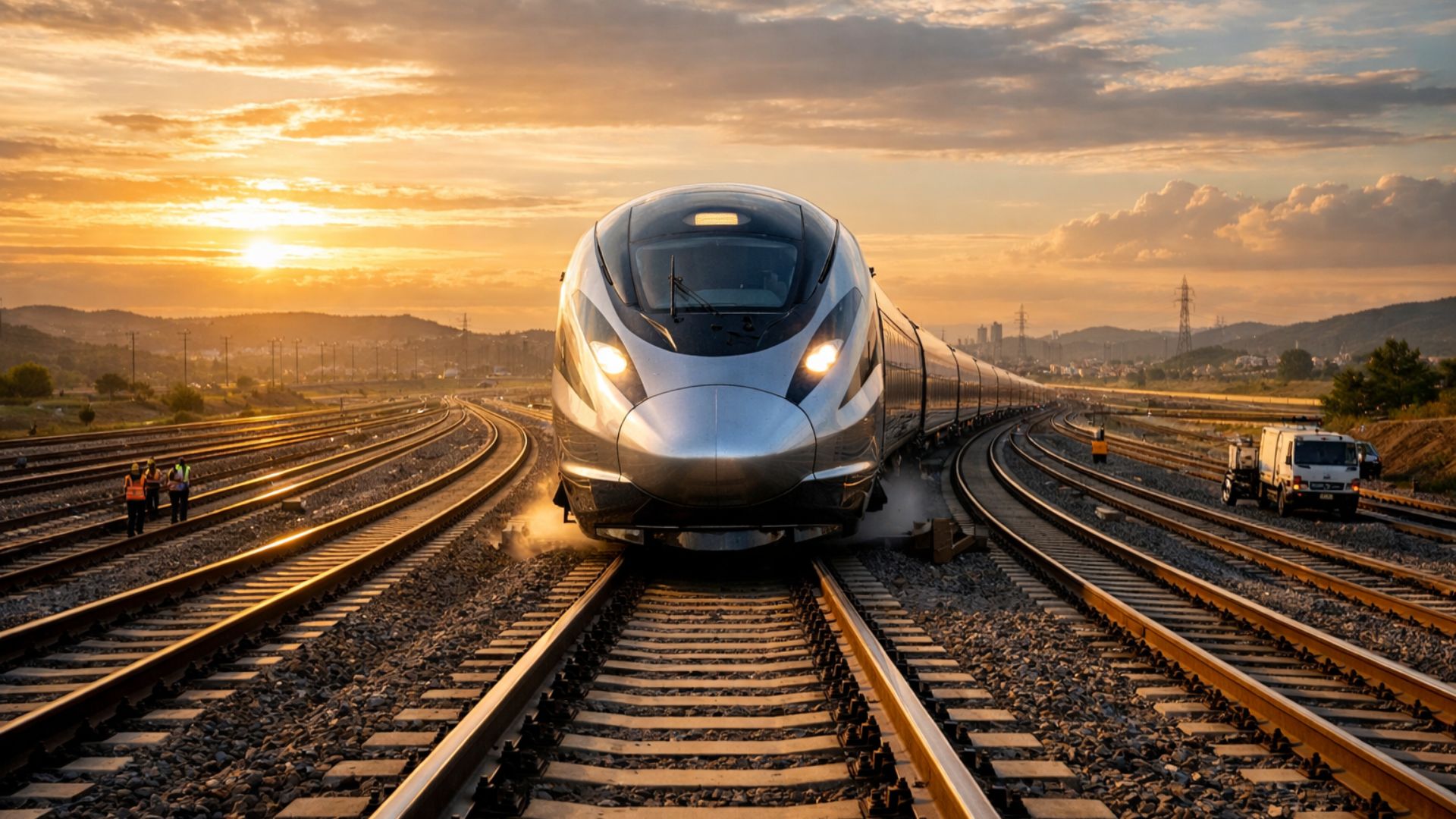
São Paulo surprises the world with a colossal railway network project that promises over 1,000 km of tracks, R$ 194 billion in investments, and 40 projects connecting the capital to the interior with fast and sustainable trains.
-
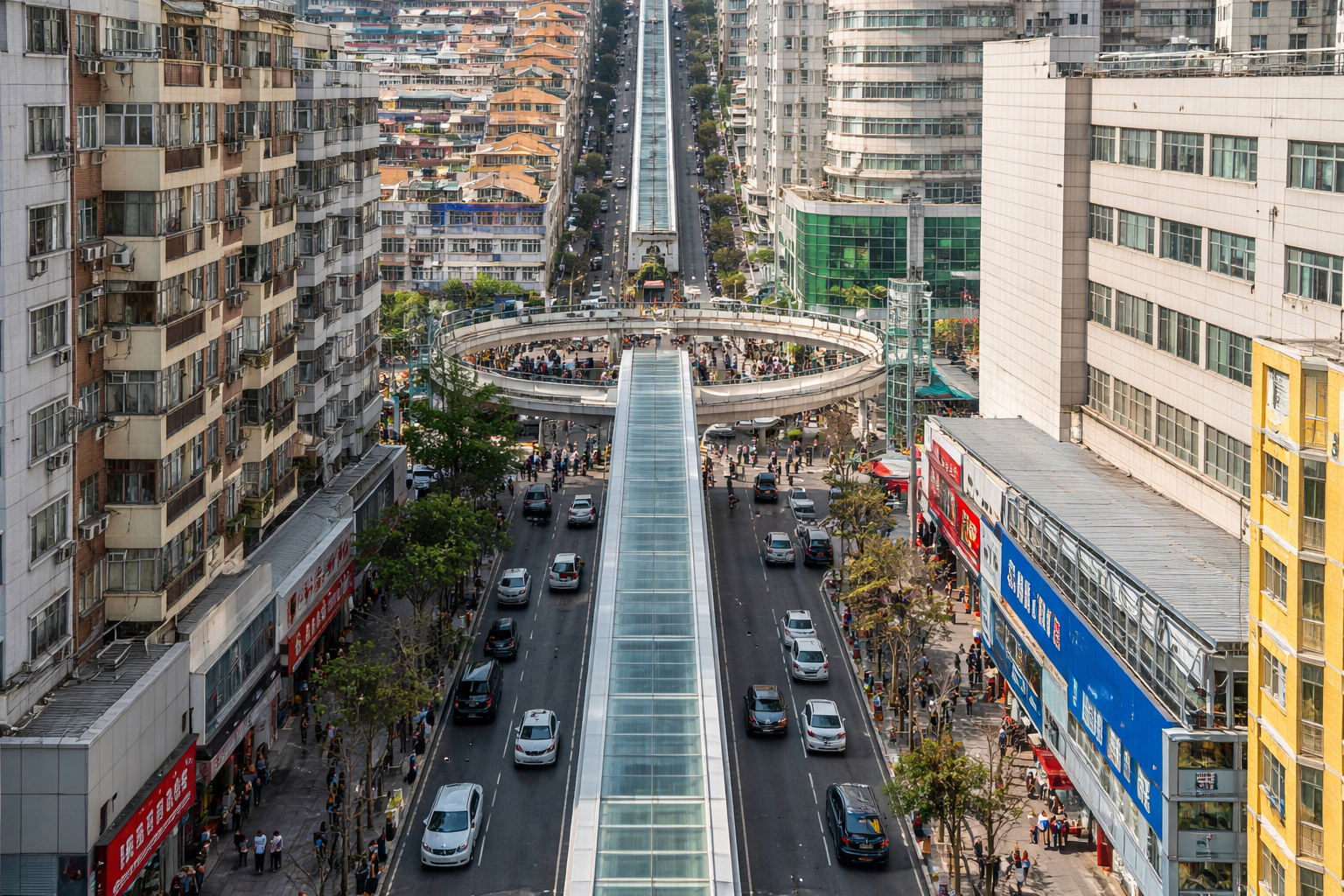
The world’s largest escalator, measuring 905 meters in China, reduces urban travel time from 1 hour to about 20 minutes and transforms mobility in mountainous regions with an engineering solution adapted to the terrain.
-
A R$ 300 million logistics giant is taking shape in Serra with over 100,000 m² and raises a question: how can this transform e-commerce and distribution in the state?
Entities Request New Maritime Agreement Between Brazil and Argentina
Some chambers of commerce and unions from Argentina and Brazil are demanding that their respective governments establish the navigation agreement between the two countries. In February of last year, former president Jair Bolsonaro abandoned the agreement between the two countries.
The request was made during a bilateral maritime meeting held at the headquarters of the National Federation of Merchant Marine Officers (Sindmar) in Rio de Janeiro on February 9. At that time, representatives of shipowners and unions from Argentina and Brazil signed the Rio Declaration, referring to the integration of maritime cargo transport in Mercosur.
In addition to analyzing the situation of the national merchant fleets of both countries, the meeting also contributed to continuing the work carried out under the MERCOSUL Transport Group No. 5 – Commission of Experts in Maritime Transport.
The focus is to strengthen common actions to enable the multilateral maritime agreement of Mercosur and take into account the interests of the member countries. Otherwise, the idea is to propose concrete actions to urgently restore bilateral maritime traffic.









Seja o primeiro a reagir!