Portuguese
  Spanish


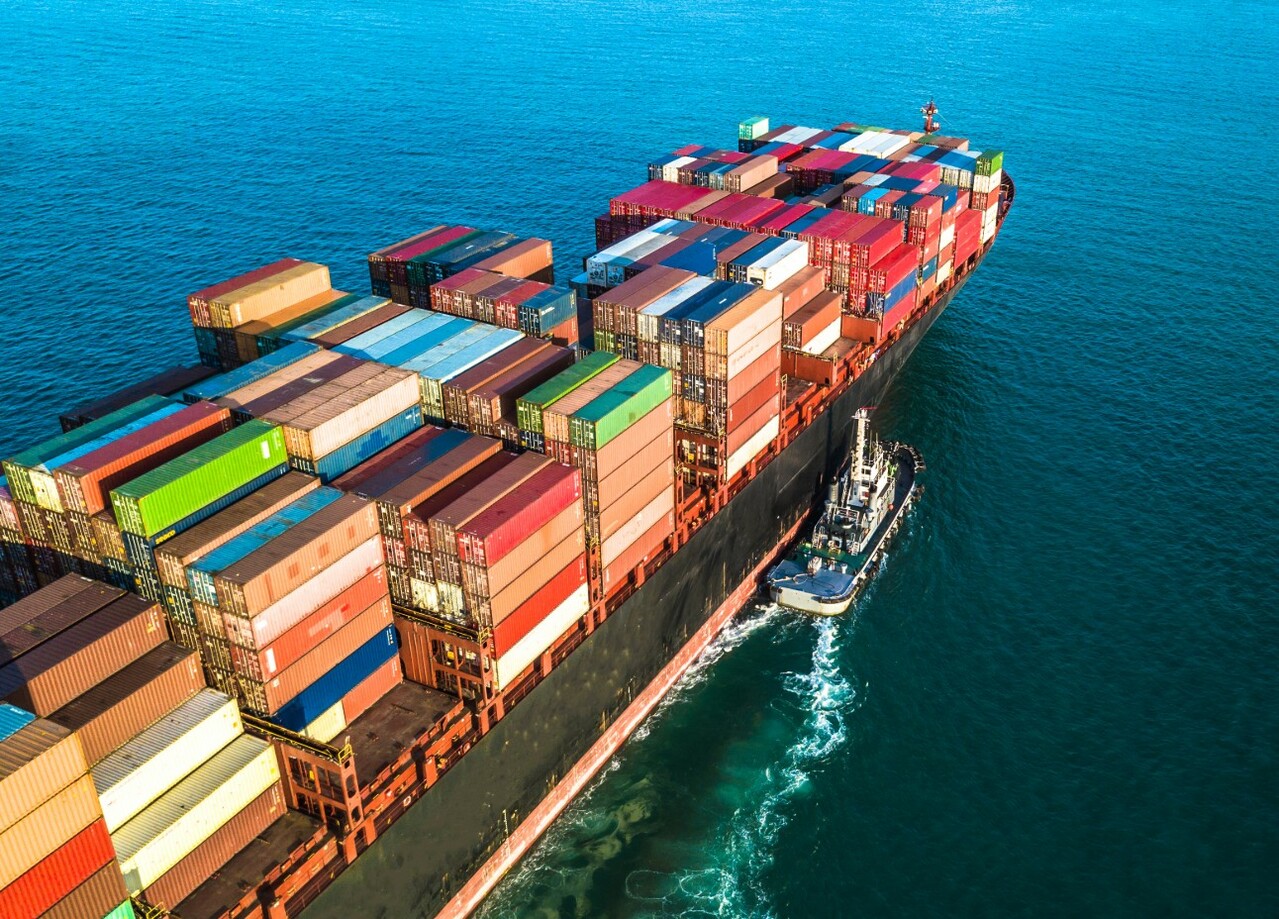

Maritime Cargo Transport Treaty Between Brazil and Argentina May Be Coming to an End
The measure should put an end to maritime cargo transport with Argentina that has been in effect since 1985, under which it was agreed that maritime foreign trade between the two nations would be carried out exclusively on vessels flying the Argentine or Brazilian flag.
Also Read
A Possible Extension of the Maritime Cargo Transport Contract Between Brazil and Argentina
Without any advance notice from the Itamaraty regarding the change in maritime cargo transport between Brazil and Argentina, the Brazilian Embassy in Buenos Aires informed a few hours ago the Undersecretary of the Ministry of Foreign Affairs, International Trade, and Worship of Mercosur that, due to the provisions of the Brazilian Commercial Strategy Council, the neighboring country will terminate the “Maritime Transport Agreement” between the two republics as of February 9, 2022.
Thus, and complying with the notification period set forth in the same instrument, the Jair Bolsonaro government adopts a decision that jeopardizes the survival of what little remains of the Argentine Merchant Navy.
-
Indonesia Plans to Build 5,000 Suspension Bridges by 2026 to Connect Rural Communities to Schools, Health Centers, and Markets

-
U.S. Invests $75 Million in Projects to Extract Rare Earths, Gallium, Germanium, and Aluminum from Coal Waste
-
Eni Acquires 25% Stake in Chilean Lithium Project, Plans to Invest Up to $225 Million in Eco-Friendly Extraction Method
-
French Brand Transforms 6 Million Brazilian PET Bottles into Sustainable Sneakers for Global Fashion Market




Although, as already mentioned, the annulled treaty dates back to 1985, this was a continuation of various previous agreements originating in 1959 with the so-called Maritime Conference of Argentine and Brazilian Shipowners.
Port Connections Between Brazil and Argentina Are Arrival and Departure Points for Ships
The container terminals at the Port of Buenos Aires are one of the arrival or departure points for ships that are part of the bilateral agreement.
After the deregulation of port and maritime activities ordered by former President Carlos Menem, in addition to the dismantling of large state-owned merchant fleets belonging to the companies ELMA and YPF, many private shipping companies ceased their operations.
Subsequently, after a few years of uncertainty in the sector, Decree 1010/04 was enacted, allowing foreign-flagged vessels to operate on certain traffics, provided they were crewed by Argentine sailors, thus obtaining tax treatment identical to that of the national flag.
Although it was valid for two years pending specific legislation for the activity, the measure has been in effect to this day, and national maritime activity has been reduced to coastal and river cabotage with a regional aggregate supported by only 5% of the cargo transported by the Paraná-Paraguay Waterway, since 95% of river transport is in the hands of Paraguay, Brazil, and Bolivia, and the cargo transported on national ships or with such treatment is carried to and from Brazilian ports under the agreement currently denounced by the neighboring country.