





 Portuguese
  English
  Spanish
  3 min of reading


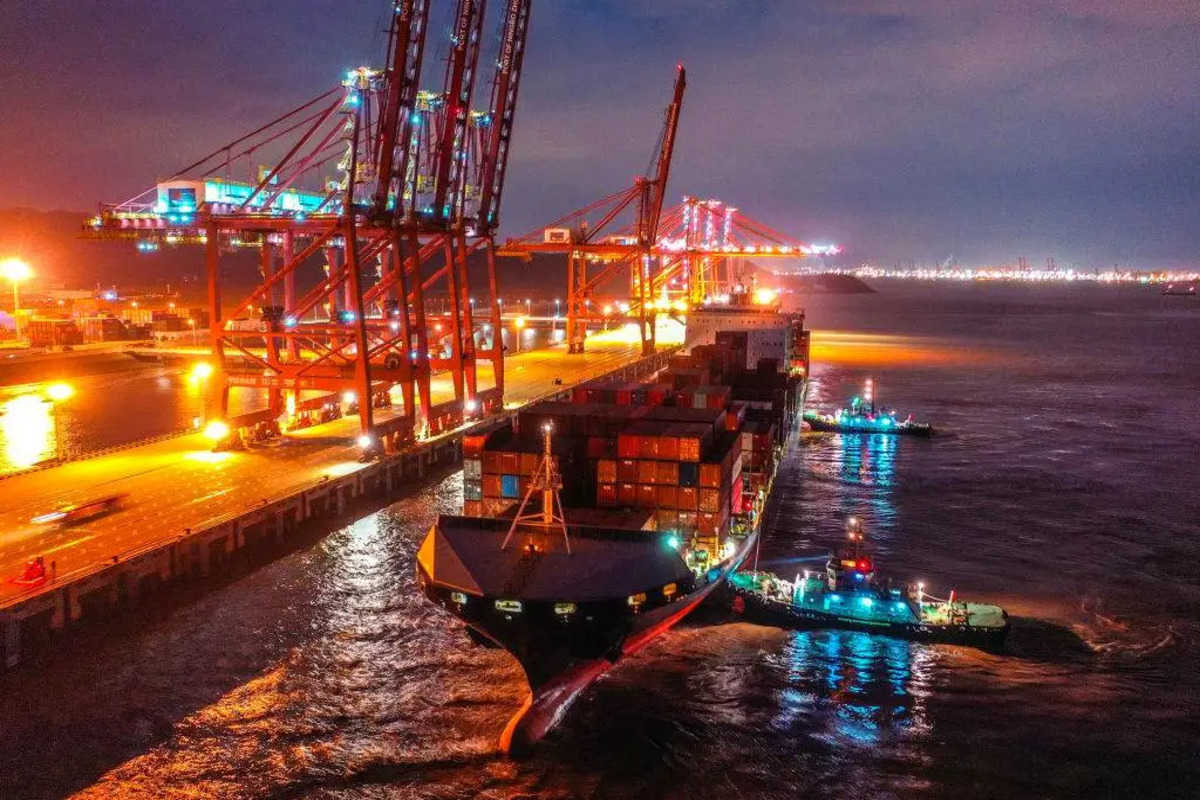
Although Brazil has denounced bilateral agreements with Chile, Uruguay, and Argentina for joining the OECD and agreements between MERCOSUL and EU countries, in the last 20 years without new agreements, internal navigation has faced a substantial reduction.
In light of this situation, Argentinian and Brazilian shipowners and seafarers from the maritime transport sector between Brazil and Argentina gathered in February 2023 with the intention of resuming negotiations for a multilateral agreement aimed at resolving issues and stimulating growth in the maritime sector of Mercosur, in which:
- Negotiation of freight rates;
- Feeder cargo, the service of transporting and distributing goods from hub ports that are transshipped in any Contracting State;
- Adoption of a uniform statistical system to monitor each;
- Involvement of each Contracting State in maritime shipments and the possibility of “abandoning” cargo in situations such as deadline releases.
Learn More About Maritime Transport Between Brazil and Argentina
Domestic cabotage will be exclusively reserved for each contracting party, regardless of the finalization of the respective contract, except for oil and its derivatives; shipowners licensed and registered in one of the member States of MERCOSUL may obtain cargo, with priority given to the country of origin and having a ship registered in the country and flag treatment; and priority will be given to the employment of national seafarers in accordance with the current regulations of the member state.
In addition to the guidelines established for the multilateral agreement, the Federative Republic of Brazil and the Republic of Argentina signed a new maritime agreement that encompasses the points outlined in the Mercosur agreement.
-
Three Chinese companies manufacture more than 96% of the world’s dry cargo containers and 100% of refrigerated ones, in a dominance built over 40 years that has made it almost impossible for the West to compete in this market.

-
Argentina confirms Belgian giant to lead strategic Paraná River waterway and promises to reduce logistical costs on one of South America’s most important routes

-
MBRF surprises the logistics sector by demonstrating how Artificial Intelligence can directly influence deliveries throughout Brazil by reorganizing distribution routes in seconds, optimizing fleet usage, reducing logistics costs, and speeding up product arrivals even in the face of unforeseen road incidents.
-
With deep ports and strategic railway, Espírito Santo advances to compete with Santos and attract foreign trade cargo.

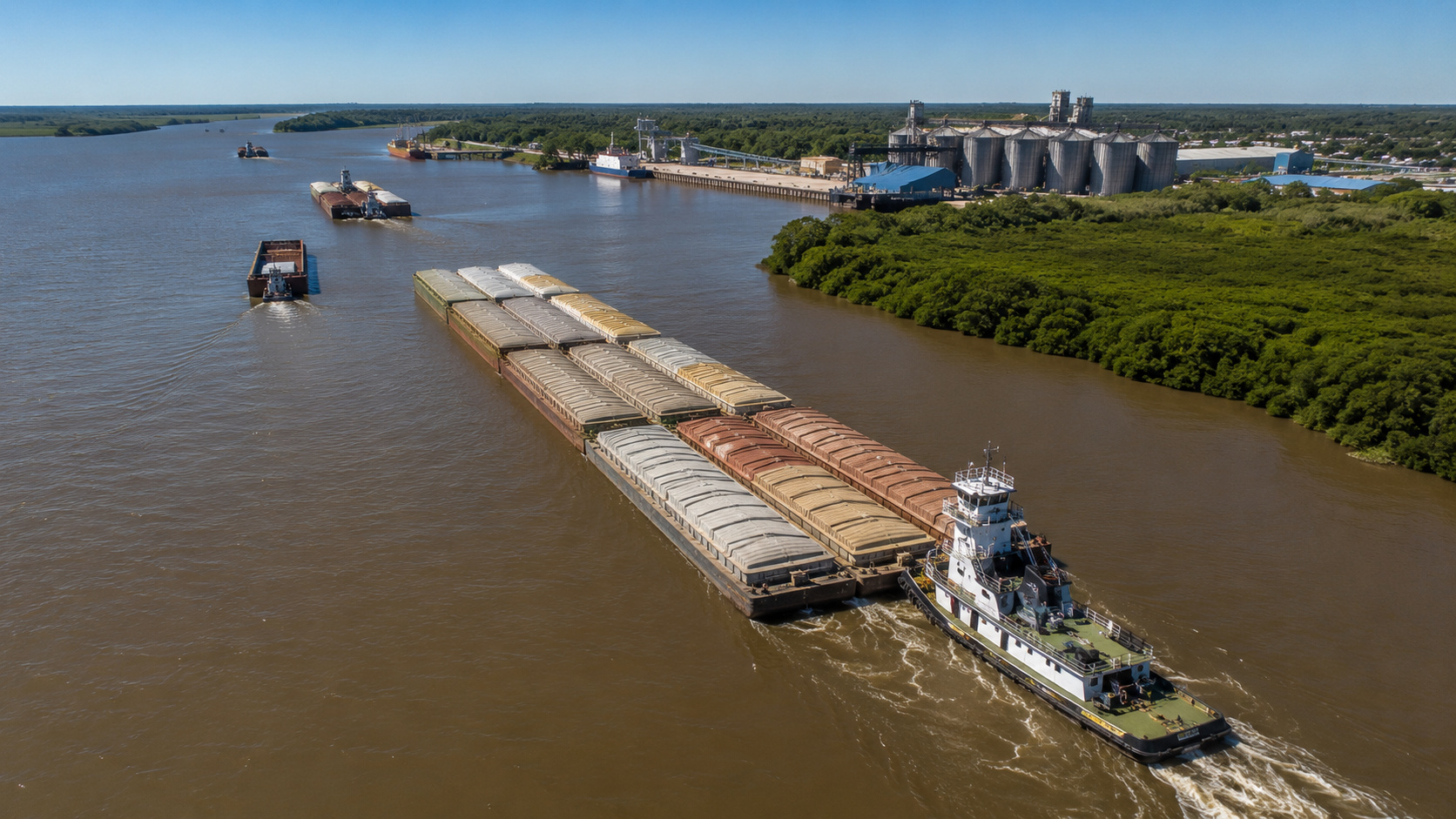



Entities Request New Maritime Agreement Between Brazil and Argentina
Some chambers of commerce and unions from Argentina and Brazil are demanding that their respective governments establish the navigation agreement between the two countries. In February of last year, former president Jair Bolsonaro abandoned the agreement between the two countries.
The request was made during a bilateral maritime meeting held at the headquarters of the National Federation of Merchant Marine Officers (Sindmar) in Rio de Janeiro on February 9. At that time, representatives of shipowners and unions from Argentina and Brazil signed the Rio Declaration, referring to the integration of maritime cargo transport in Mercosur.
In addition to analyzing the situation of the national merchant fleets of both countries, the meeting also contributed to continuing the work carried out under the MERCOSUL Transport Group No. 5 – Commission of Experts in Maritime Transport.
The focus is to strengthen common actions to enable the multilateral maritime agreement of Mercosur and take into account the interests of the member countries. Otherwise, the idea is to propose concrete actions to urgently restore bilateral maritime traffic.







Be the first to react!