





 Portuguese
  English
  Spanish
  5 min of reading
  0 comments


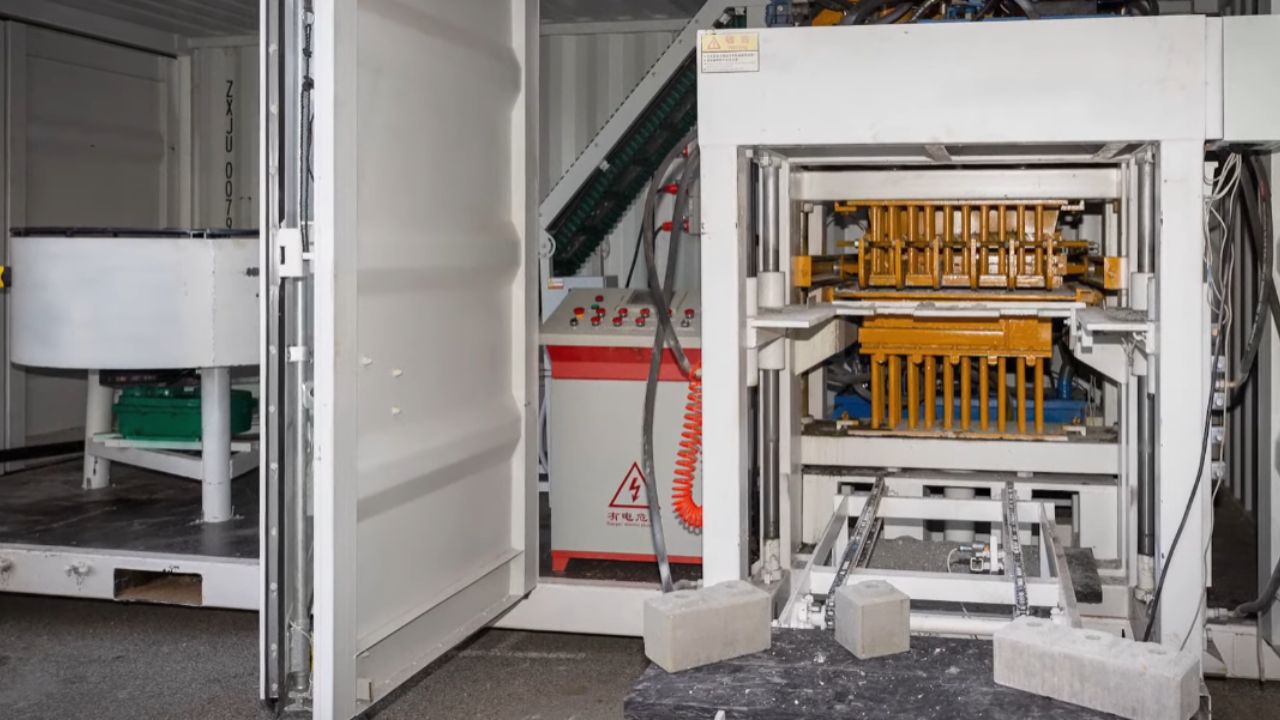
Mobile Systems Process Debris On-Site To Create High-Strength Interlocking Blocks, Challenging Traditional Logistics In Construction And Drastically Reducing Carbon Footprint.
The global engineering sector is at a critical turning point, where the scarcity of virgin resources collides with the urgent need for reconstruction in disaster and conflict areas. In this scenario, 30-ton crushers emerge as key components of a new mobile industrial ecosystem capable of ingesting construction and demolition debris (CDD) and converting it, in situ, into new materials. Unlike the traditional linear model that involves extracting, transporting, building, and then discarding into landfills, this new technology proposes a closed-loop cycle, transforming environmental liabilities into strategic assets.
The promise of these mobile factories, commonly referred to as “monster machines,” goes beyond simple recycling. The efficiency of the 30-ton crushers lies in their ability to operate as the “stomach” of a larger system, pulverizing concrete, ceramics, and glass to feed high-precision hydraulic presses. According to data compiled on reconstruction in Ukraine and technical engineering analyses, this innovation not only accelerates the humanitarian response time but also introduces a new class of interlocking blocks that challenge the age-old dependence on Portland cement.
The Anatomy Of The “Monster Machine” And The Real Metric Of Production
To understand the real impact of this technology, it is essential to dissect the technical functioning of the equipment, often targeted by sensationalist headlines. The technical analysis by New Atlas clarifies that the “factory” is not a single piece, but an integrated system. The heart of the operation is the molding unit, but the flow necessarily starts at the mobile jaw or impact crushers. These industrial machines have the robustness required to achieve a crushing output of 30 to up to 250 tons per hour, depending on the hardness of the material, preparing the “raw material” from raw ruins.
-
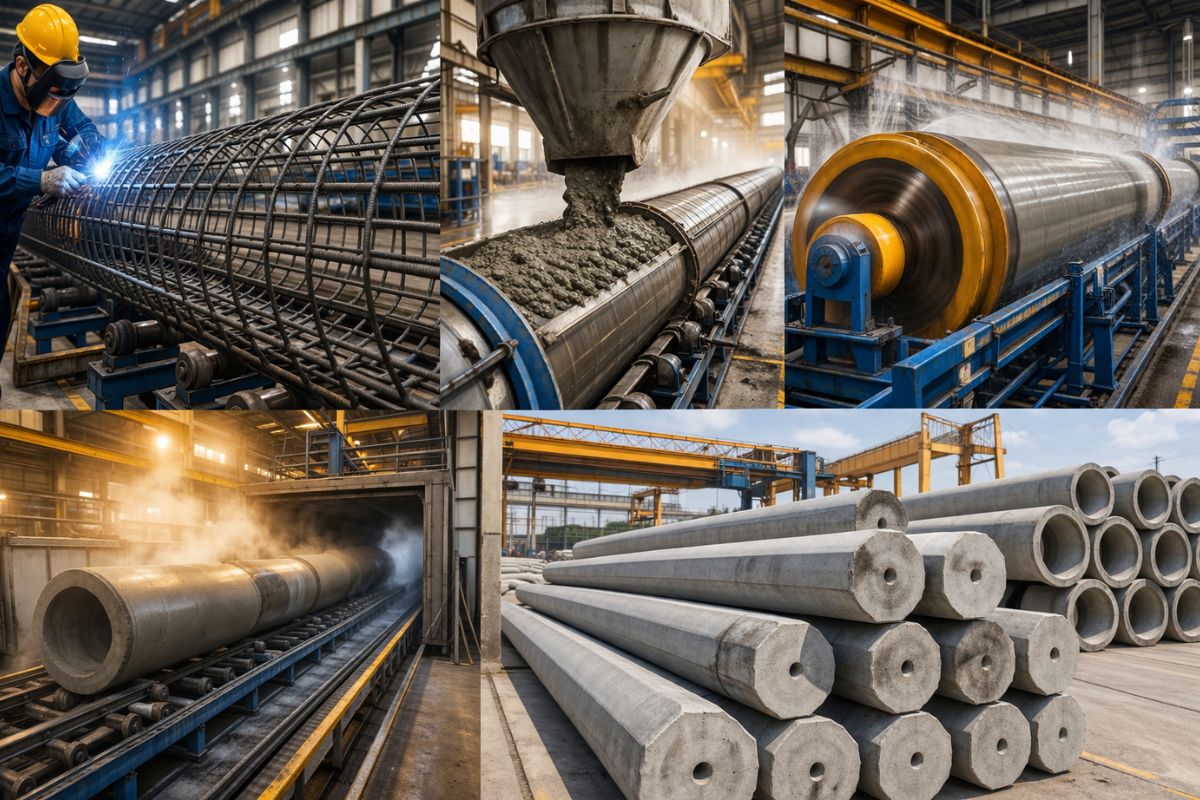
The factory shows how PHC piles and precast tubes are made; steel turns into a welded cage, high-strength concrete enters the mold, spins in centrifugation, cures in steam, and is ready in hours.
-
Small house with natural light becomes a trend in sustainable architecture and reveals how smart designs reduce energy consumption and enhance comfort in compact spaces.

-
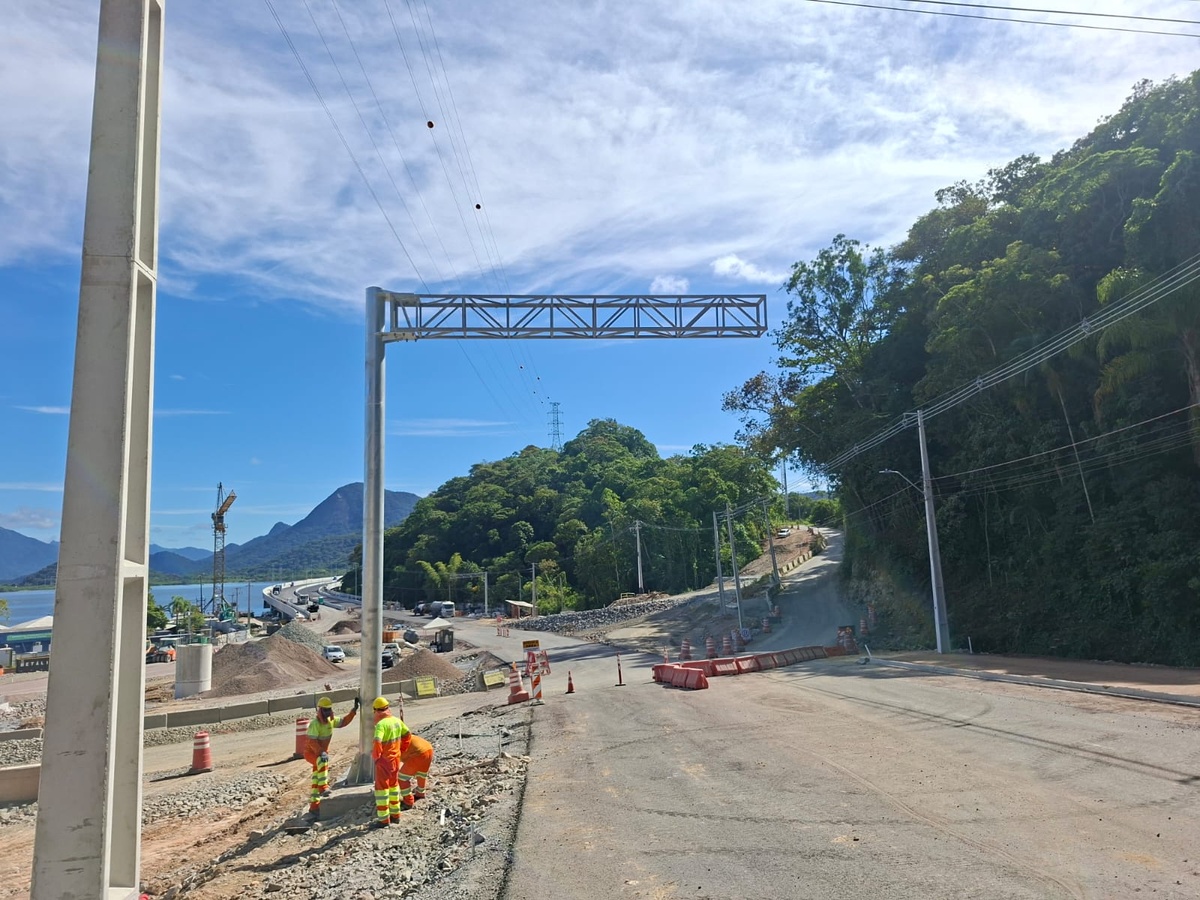
Guaratuba Bridge enters the final phase with high-standard road signage implemented by IASIN and inauguration scheduled for April 2026.
-
A homeless person in Los Angeles built their own wooden house with a garden at the entrance, a bed, a television, and a bathing area, and is now selling identical mini houses for $150 to other homeless individuals who prefer anything over returning to plastic tents.

The production of the blocks themselves operates at a distinct cadence, focused on the precision of structural curing. According to Mobile Crisis Construction (MCC), the primary source and developer of the technology, the pressing unit produces between 30 to 40 tons of bricks per shift (approximately 8,000 blocks), not per hour. The system uses an independent hammer mill to pulverize the debris into a fine powder, which is then subjected to massive hydraulic compression. This distinction is vital: while the crusher ingests debris at industrial speed, the press ensures that each “LayGo” block has the structural integrity necessary for safe construction.
The “Goodbye Cement” Paradigm: Myths And Chemical Reality
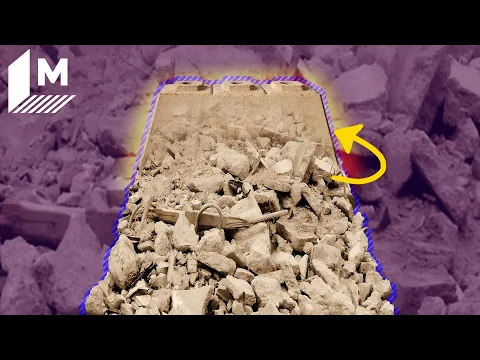

The narrative that these machines completely eliminate cement requires scientific scrutiny, validated by the WIPO Green Technology Book of WIPO (World Intellectual Property Organization). There are two distinct technological pathways operating in this market. The first, used by MCC and by eco-brick machines in Brazil, is Hydraulic Stabilization. In this method, cement is not eliminated but drastically reduced to serve merely as a chemical stabilizer (around 5-8% of the mix), while the brute force of the press compacts the recycled aggregates to eliminate porosity.
The second pathway, represented by companies like Polycare, truly fulfills the promise of “zero cement.” This technology is based on the chemistry of geopolymers and resins, where binders react with silica- and alumina-rich waste to form a three-dimensional polymer network. These blocks, often molded rather than pressed, can contain up to 95% secondary raw materials and offer a reduction of up to 70% in CO2 emissions. Thus, the revolution of 30-ton crushers serves both purposes: feeding both low-cement systems and cement-free polymer innovations.
“Lego” Engineering: Seismic Resistance And Assembly Speed
The final product of this process, the interlocking block, represents a structural change designed for resilience. Unlike traditional masonry, which relies on the chemistry of mortar, these blocks utilize a mechanical interlocking system (male and female), similar to Lego pieces. Technical data indicates that the self-aligning mechanism allows unskilled labor or volunteers to erect walls with minimal training, a crucial factor in disaster zones where skilled masons are scarce.
In addition to logistical ease, the structure offers technical superiority in seismic events. Walls built without mortar (dry-stacking) possess ductility, a calculated flexibility that allows the blocks to micro-shift to dissipate earthquake energy without suffering catastrophic fractures. To ensure final stability, the system utilizes vertical reinforcement with steel rebar and grouting in aligned voids, creating a “confined masonry” capable of withstanding cyclonic winds and stresses that would destroy conventional rigid constructions.
The Testing Ground: From Ukraine To Brazilian Legislation
The practical application of this technology is already visible in Ukraine, where Mobile Crisis Construction uses debris generated by artillery attacks to reconstruct schools and hospitals. A single mobile unit can produce enough bricks in a week for three large houses, with equipment costs (ROI) that pay off in just a few months of continuous operation by eliminating the need to import materials. Beyond the roof, the process also has a profound psychological impact, allowing communities to transform physical destruction into new beginnings.
In Brazil, the scenario is favored by a mature eco-brick market and by CONAMA Resolution No. 307, which encourages the recycling of construction waste (Class A). National manufacturers such as Eco Máquinas and Verde Equipamentos are already developing presses adapted to the abrasiveness of tropical debris. Although on a smaller scale than the international “monster factories” (about 3,000 blocks/day), national technology validates the concept that debris is an economic asset, especially when processed by crushers and presses that eliminate the costs of landfill and transportation.
Does the idea of living in a house made from the debris of old buildings seem safe and feasible for the Brazilian reality? Do you believe that 30-ton crushers and mobile factories can solve the housing deficit, or is bureaucracy still a greater barrier? Share your technical or personal opinion in the comments below; we want to know the views of those living in the market.







Seja o primeiro a reagir!