





 Portuguese
  English
  Spanish
  3 min of reading
  0 comments


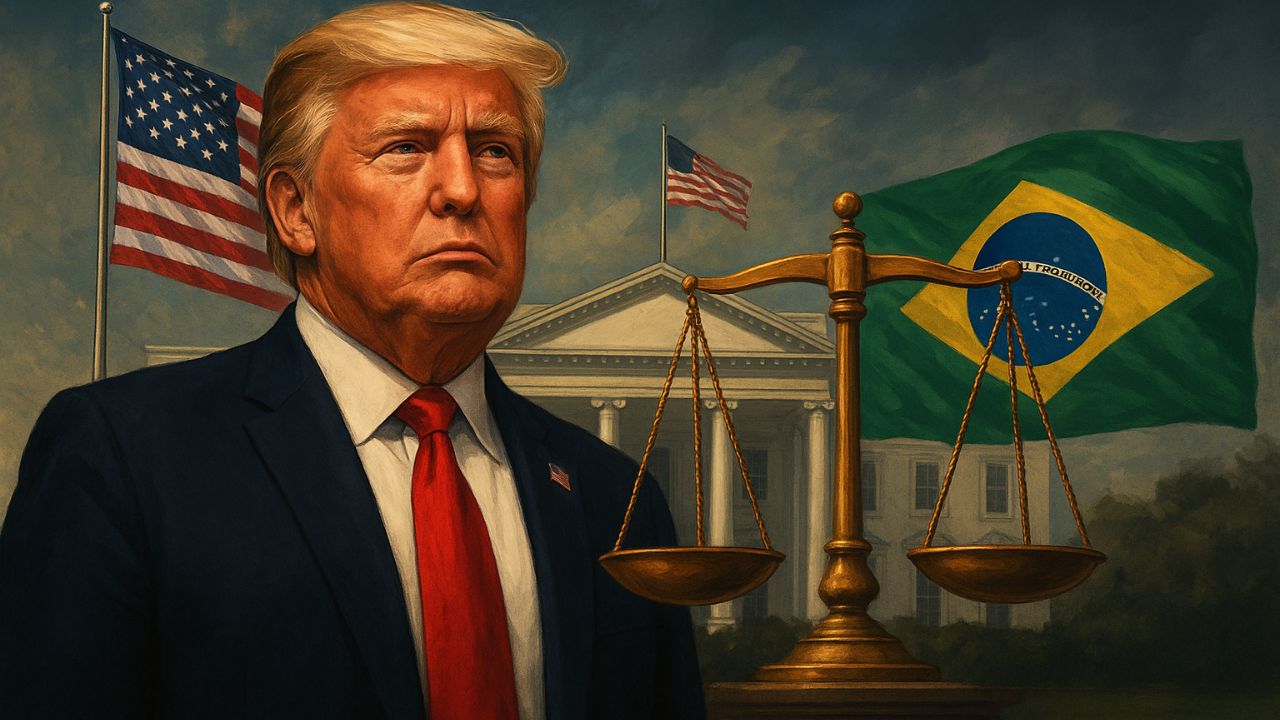
White House States That Donald Trump May Turn to Military Means to Defend Jair Bolsonaro in Supreme Court Trial.
The White House declared on Tuesday (09/09/25) that the President of the United States, Donald Trump, does not rule out the use of military and economic means to protect freedom of expression worldwide.
The statement was made in response to a question about the trial of former President Jair Bolsonaro, who may face condemnation in the Supreme Federal Court (STF) for attempted coup d’état.
The declaration generated a strong reaction from the Brazilian government, which condemned any form of threat to national sovereignty.
-
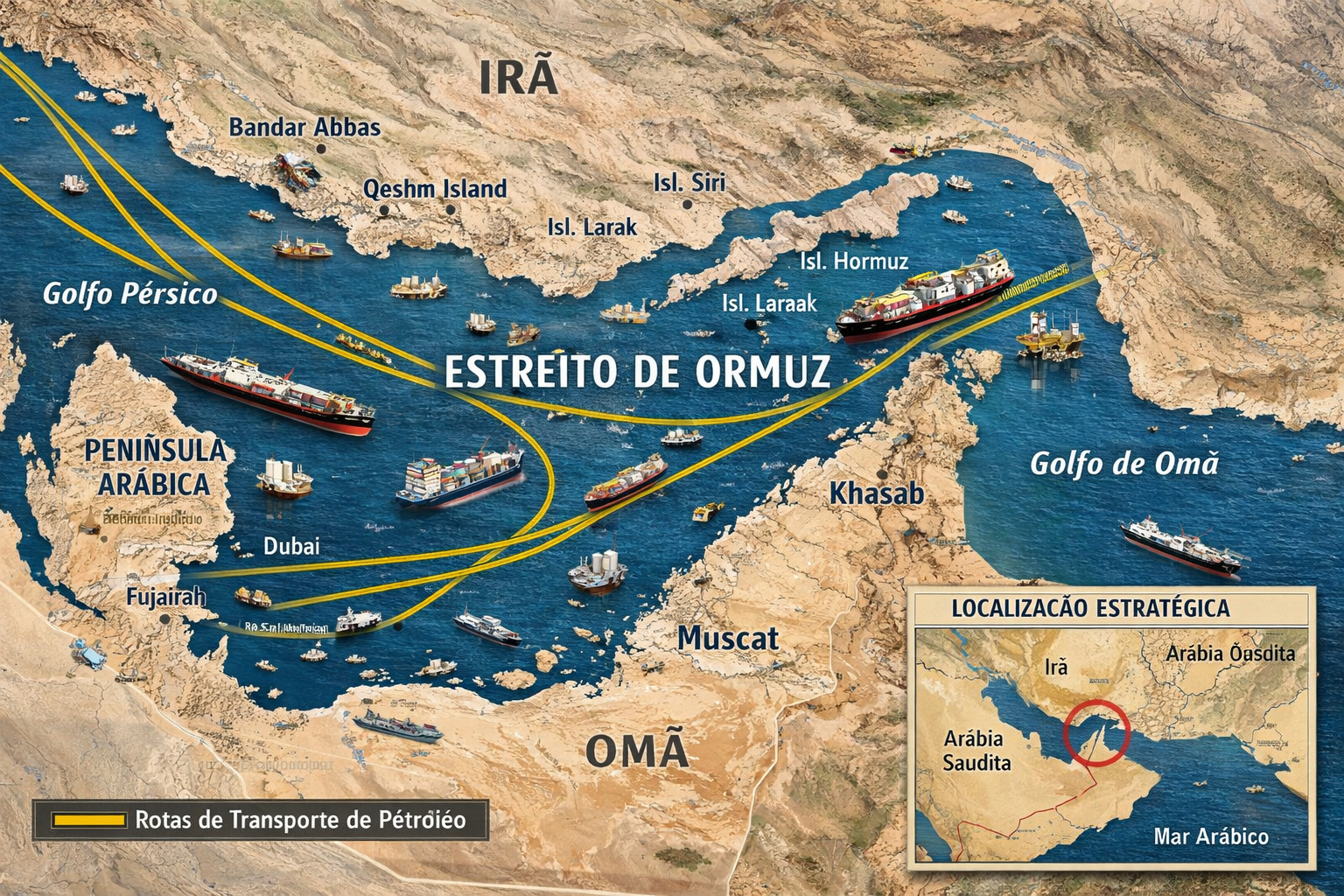
Global summit with over 40 countries pressures Iran for a blockade in the Strait of Hormuz and warns of direct impact on oil, food, and the global economy.
-
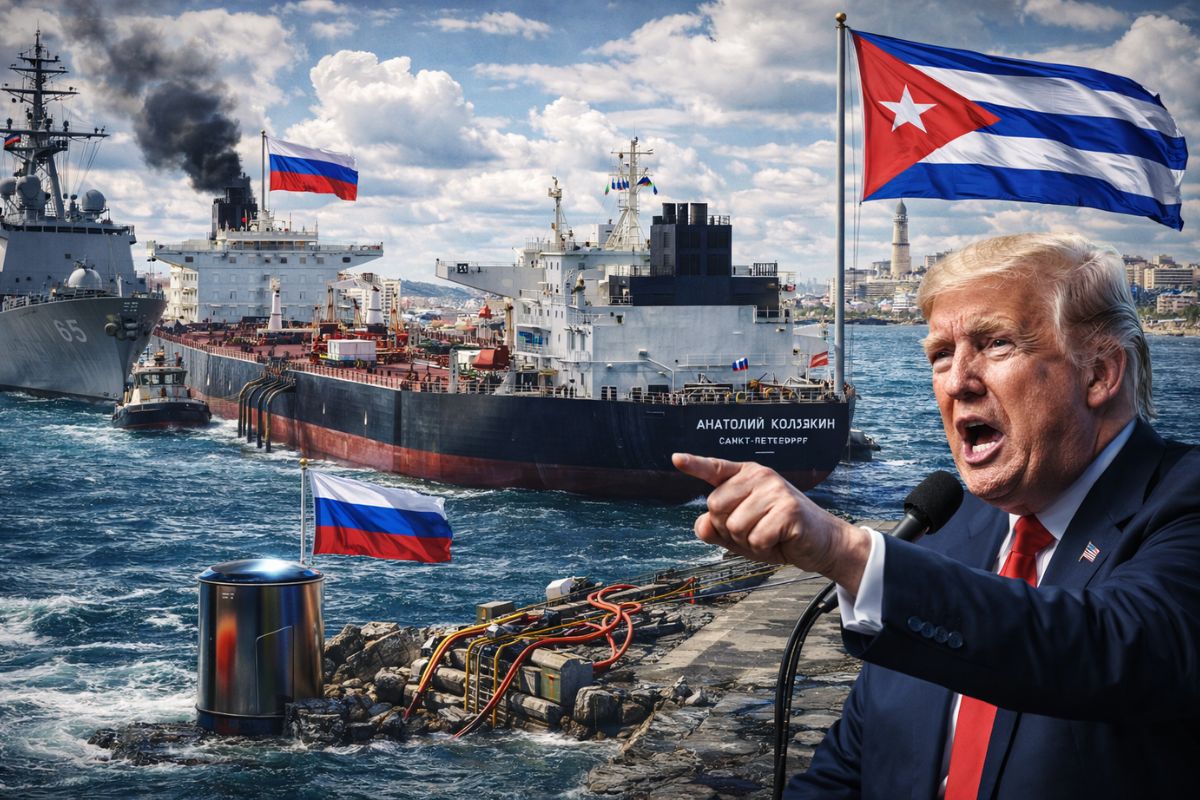
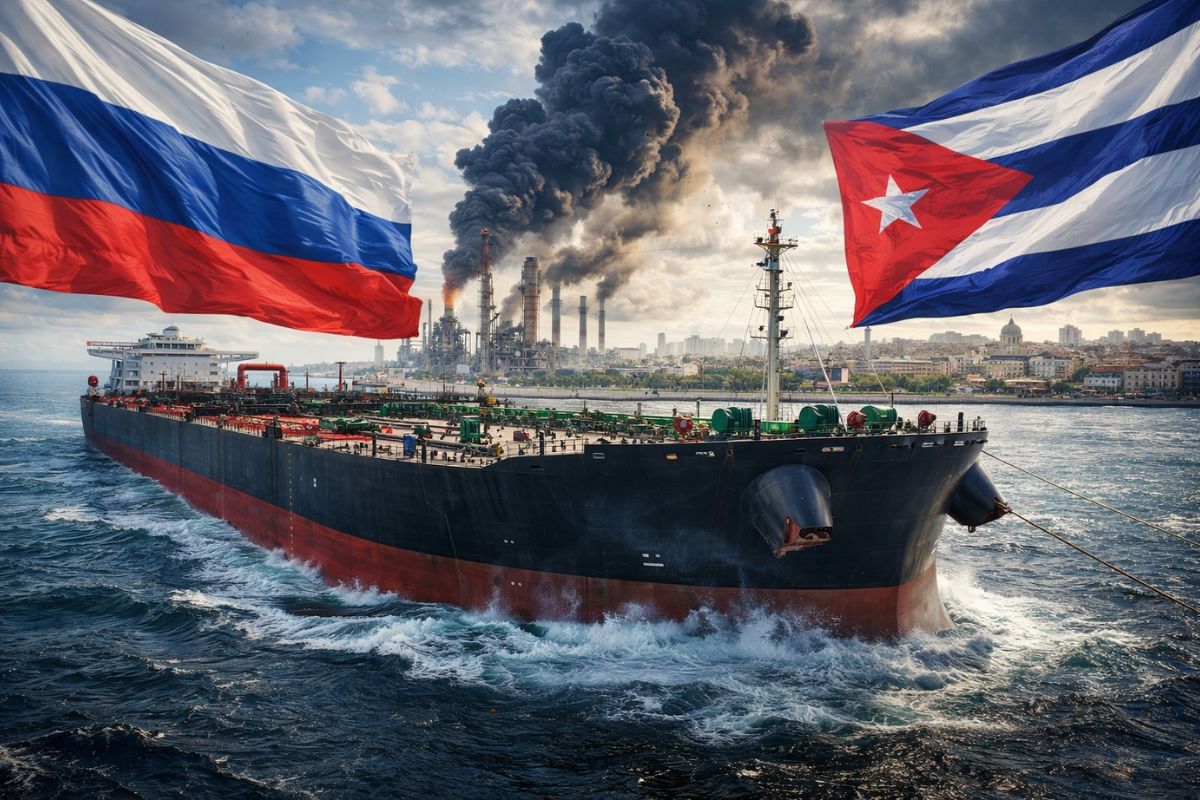
Russia has broken the U.S. maritime blockade to send oil to Cuba and is now loading a second ship while Trump says that “Cuba is next” in a possible military action against the island.
-
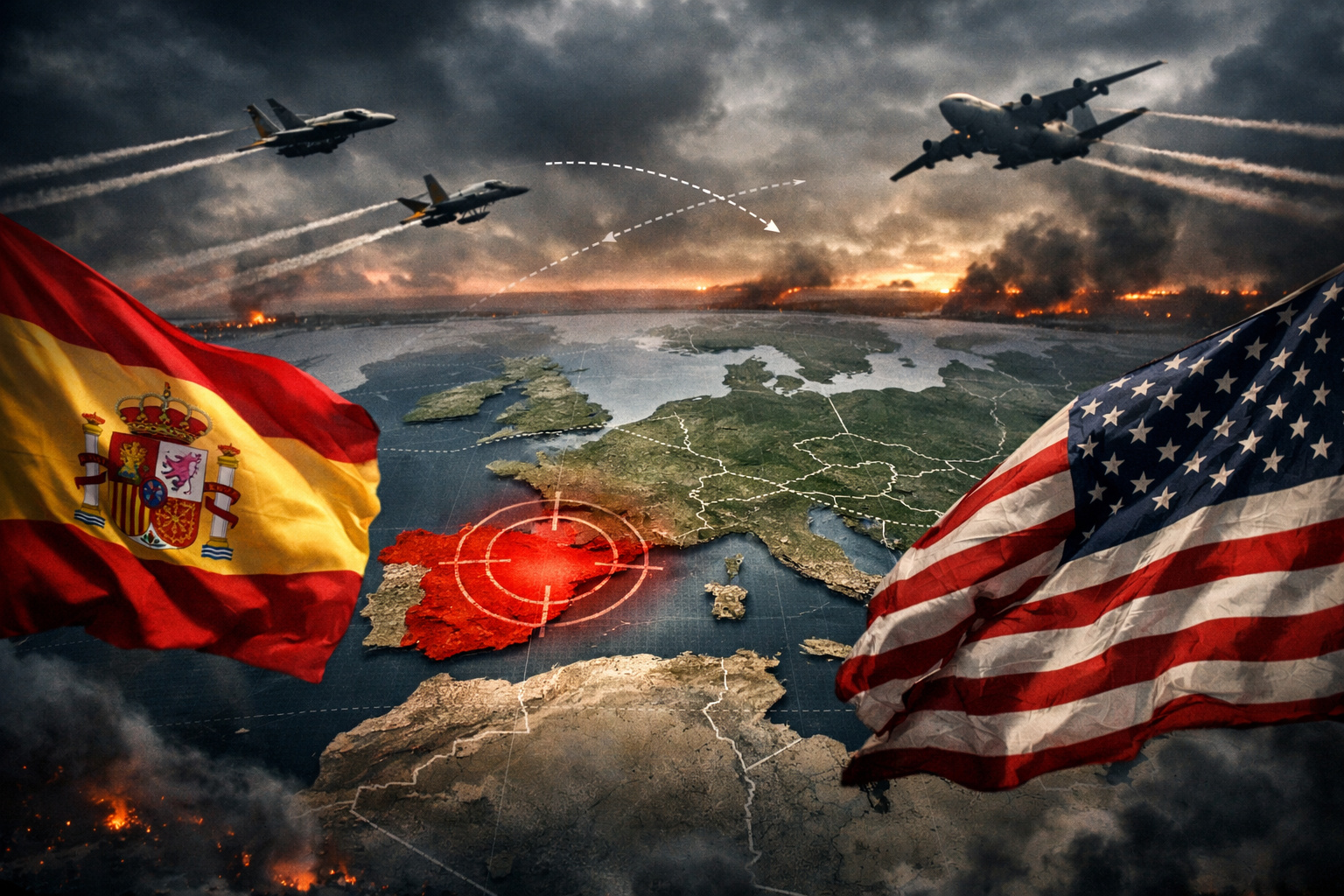
Spain challenges the USA and closes its airspace for operations against Iran, raising global tension and provoking the threat of a trade rupture.
-
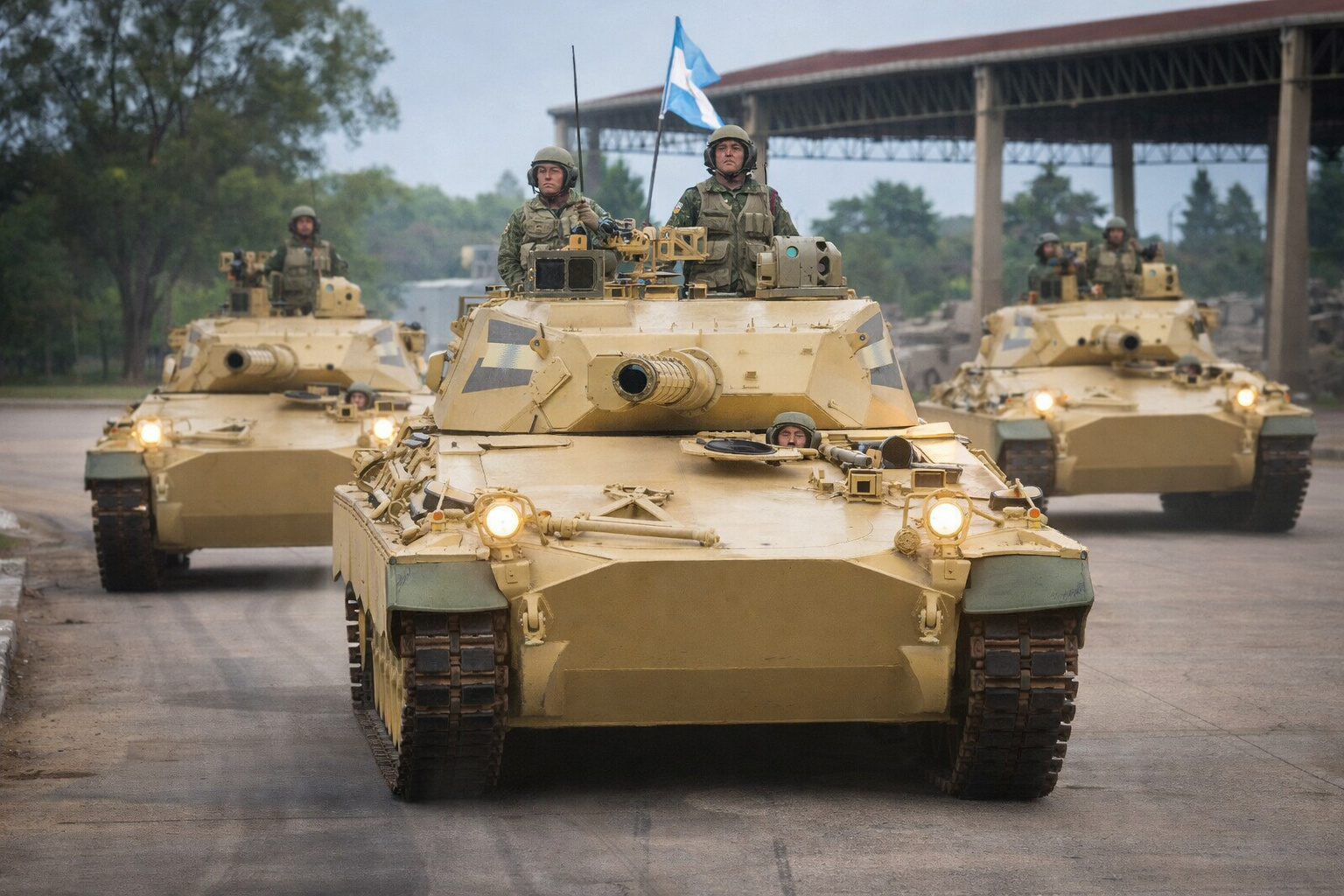
While no other country manufactures tanks in Latin America, Argentina activates the TAM 2C-A2 and raises a curiosity about the technological lag in the region.

White House Talks About “Military Means” and Defends Bolsonaro
During an interview, spokesperson Karoline Leavitt was asked by journalist Michael Shellemberger from Public News if Trump was considering additional measures should Bolsonaro be convicted and prevented from running in elections. The answer was straightforward:
“The president is not afraid to use economic or military means to protect freedom of expression around the world.”
According to Leavitt, freedom of expression is considered by Trump the “most important issue of our time,” justifying the pressure from the U.S. government on Brazil.
Despite the tough tone, she stated that “there are no additional actions” underway.
The statement was reposted by the U.S. Embassy in Brazil, amplifying the political fallout from the declaration.
Immediate Reaction from Brazil
The Itamaraty responded with an official note criticizing the White House’s words, albeit without directly mentioning the United States.
The statement classified the use of economic sanctions or military threats against Brazilian democracy as “unacceptable.”
According to the government, defending freedom of expression means, above all, “respecting the popular will expressed at the polls.”
The text reinforces that the three branches of government “will not be intimidated by any attempt to undermine national sovereignty.”
The Trial of Bolsonaro and Allies
Tension arises amid the historic trial in the STF, which could condemn Bolsonaro and eight other defendants for attempted coup d’état.
Minister Alexandre de Moraes, the rapporteur of the case, has already voted for the condemnation of the group.
Among the accused are central figures from Bolsonaro’s administration, such as:
- Alexandre Ramagem, former director of Abin;
- Almir Garnier, former commander of the Navy;
- Anderson Torres, former Minister of Justice;
- Augusto Heleno, former Minister of GSI;
- Jair Bolsonaro, former president;
- Mauro Cid, former aide to the Presidency;
- Paulo Sérgio Nogueira, former Minister of Defense;
- Walter Braga Netto, former Minister of the Civil House.
The charges involve serious crimes such as:
- attempted coup d’état, with a penalty of 4 to 12 years;
- attempted violent abolition of the Democratic Rule of Law, from 4 to 8 years;
- participation in an armed criminal organization, from 3 to 17 years, depending on the aggravating factors;
- qualified damage, from 6 months to 3 years;
- deterioration of protected heritage, from 1 to 3 years.
If the penalties are summed to their maximum limit, Bolsonaro could face up to 43 years in prison.
International Context and Political Pressure
The case gained international dimension as it pits two political allies against each other: Trump and Bolsonaro.
Both have strong support from conservative and military sectors and share rhetoric defending freedom of expression as a central axis of their platforms.
Analysts suggest that Trump’s threat to resort to military means is unprecedented in the context of diplomatic relations between the United States and Brazil.
Experts warn that the rhetoric could be used as an internal political strategy, both to reinforce Bolsonaro’s image as a victim of persecution and to mobilize Trump’s electoral base.
What to Expect Going Forward
As the trial continues in the STF, expectations grow regarding the official position Trump will take if Bolsonaro’s conviction is confirmed.
In Brazil, the Itamaraty’s response seeks to reaffirm the independence of institutions in the face of external pressure.
The episode highlights not only the seriousness of the trial but also how Bolsonaro’s figure continues to mobilize the international scene, with the potential to transform the legal crisis into a geopolitical dispute.







-

Uma pessoa reagiu a isso.