





 Portuguese
  English
  Spanish
  3 min of reading
  0 comments


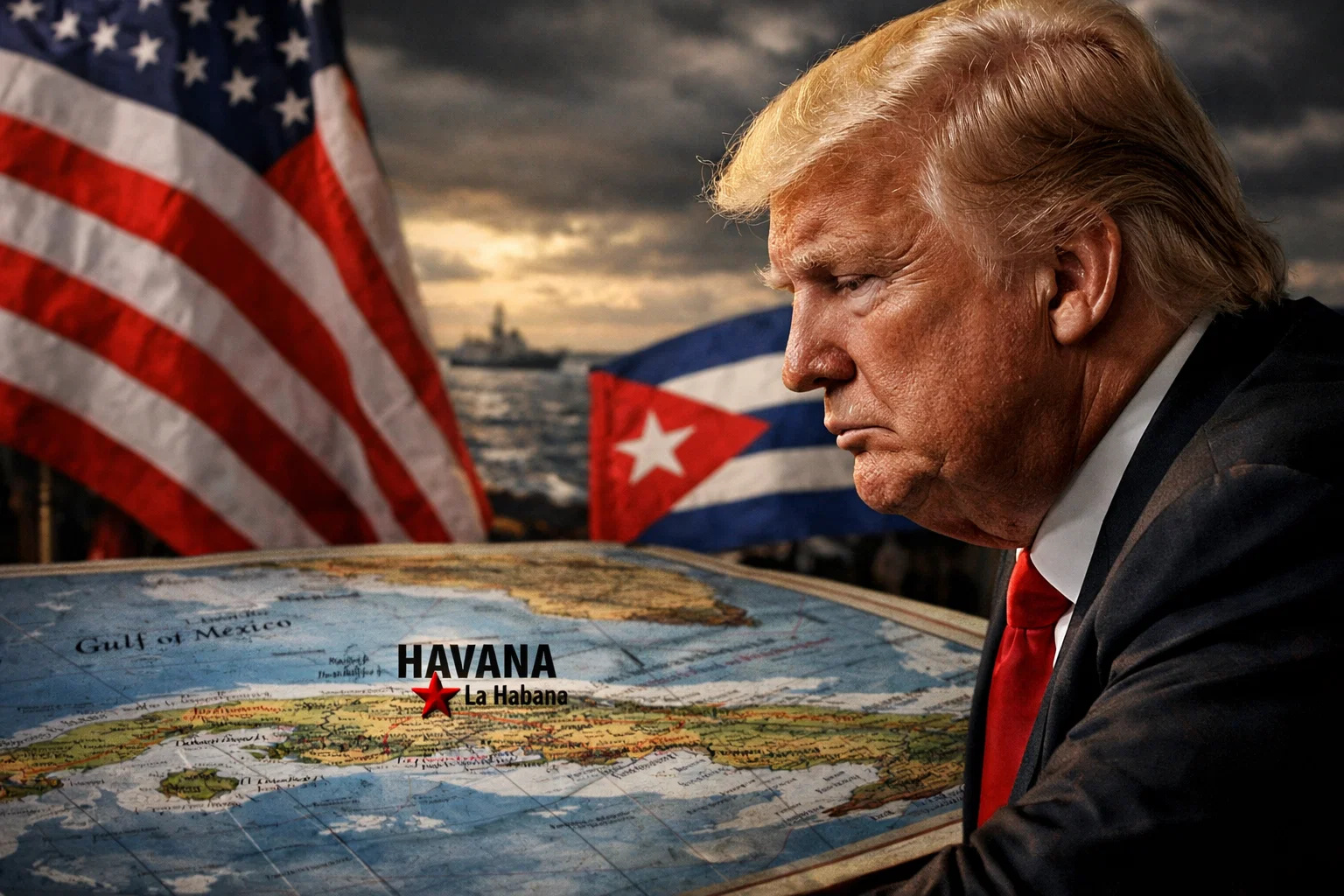
US Strategy Combines Economic Pressure, Political Articulation, and Use of Venezuelan Case as Direct Warning to Cuban Regime, According to Wall Street Journal
Since the beginning of 2025, the foreign policy of the United States has once again targeted Cuba directly. The information was disclosed by the Wall Street Journal, which revealed efforts by the administration of President Donald Trump to provoke a regime change within the year.
According to the newspaper, the White House assesses that the Cuban government is going through its most vulnerable moment in decades. The analysis considers economic, political, and diplomatic factors. Additionally, US officials believe that international isolation has significantly increased.
Therefore, US government interlocutors have started to seek out influential individuals in Havana. The goal is to mediate a political agreement capable of ending the communist regime, which has governed the island for nearly 70 years.
-
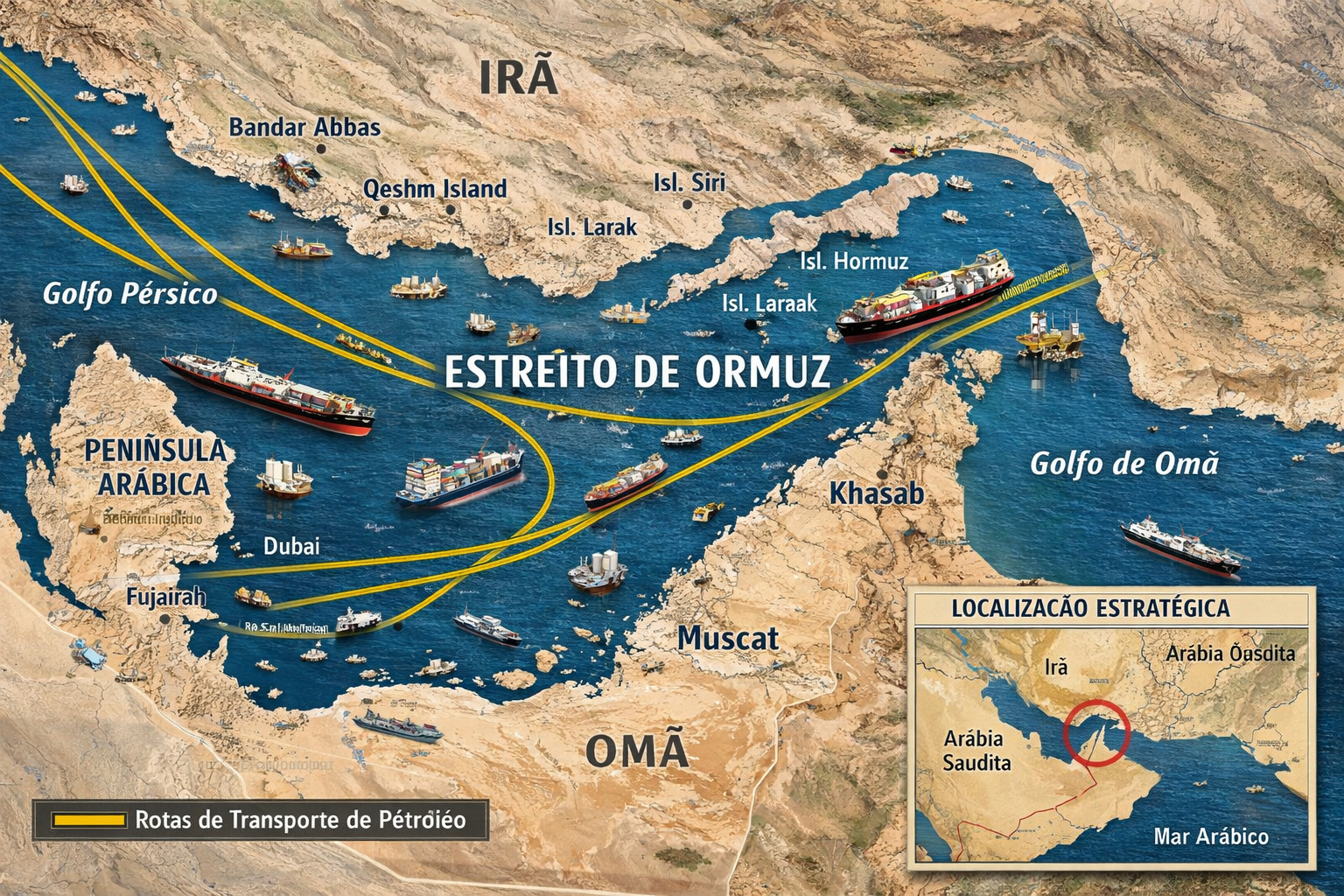
Global summit with over 40 countries pressures Iran for a blockade in the Strait of Hormuz and warns of direct impact on oil, food, and the global economy.
-
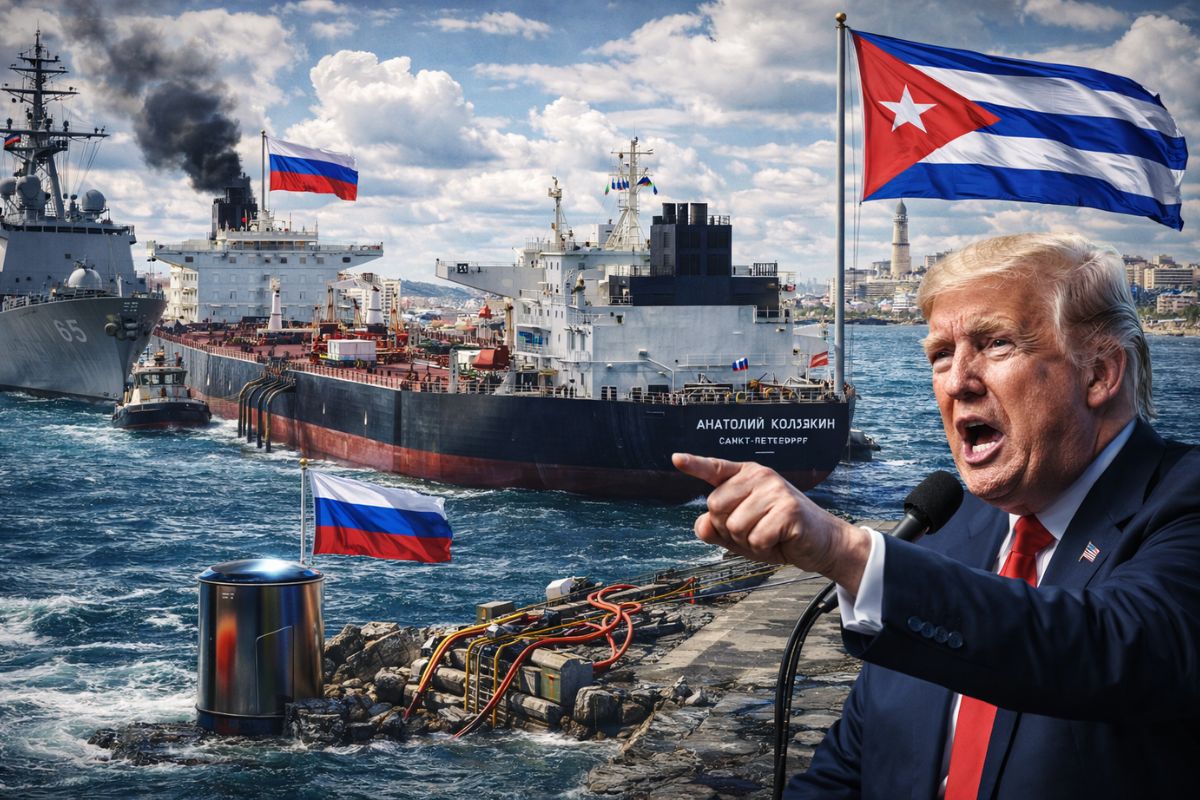
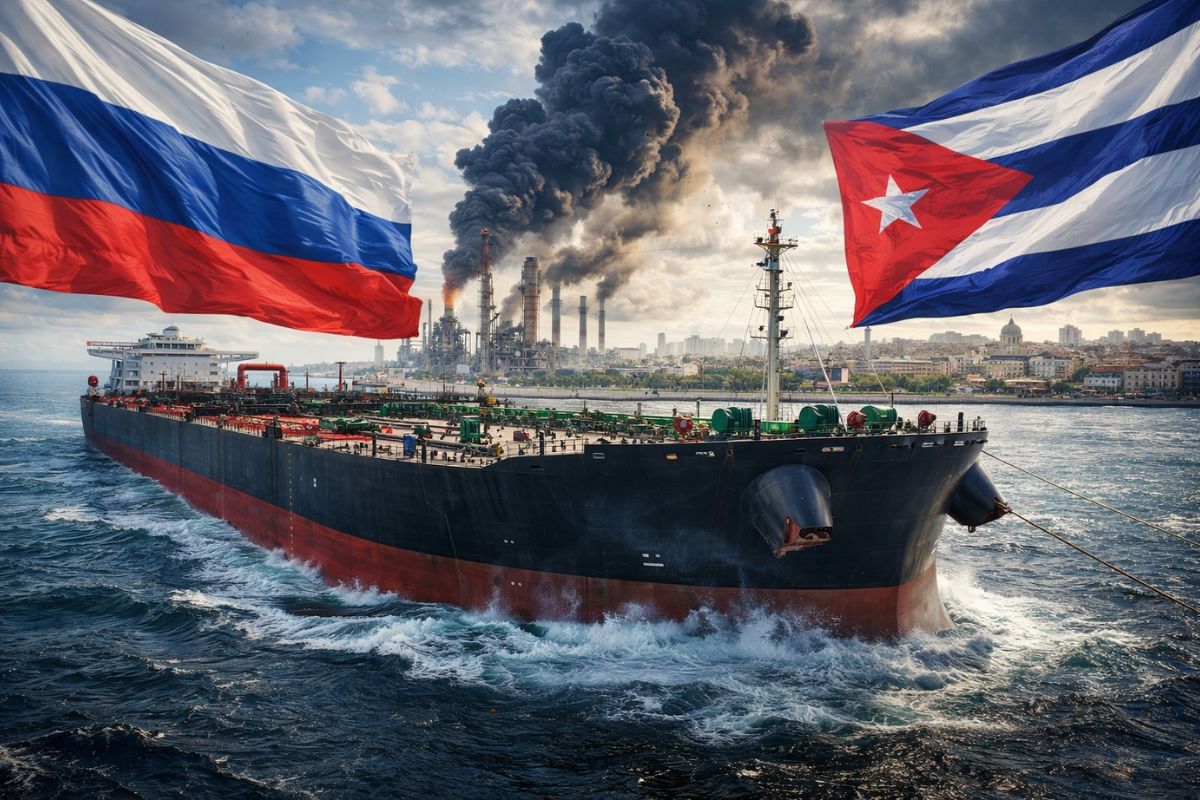
Russia has broken the U.S. maritime blockade to send oil to Cuba and is now loading a second ship while Trump says that “Cuba is next” in a possible military action against the island.
-
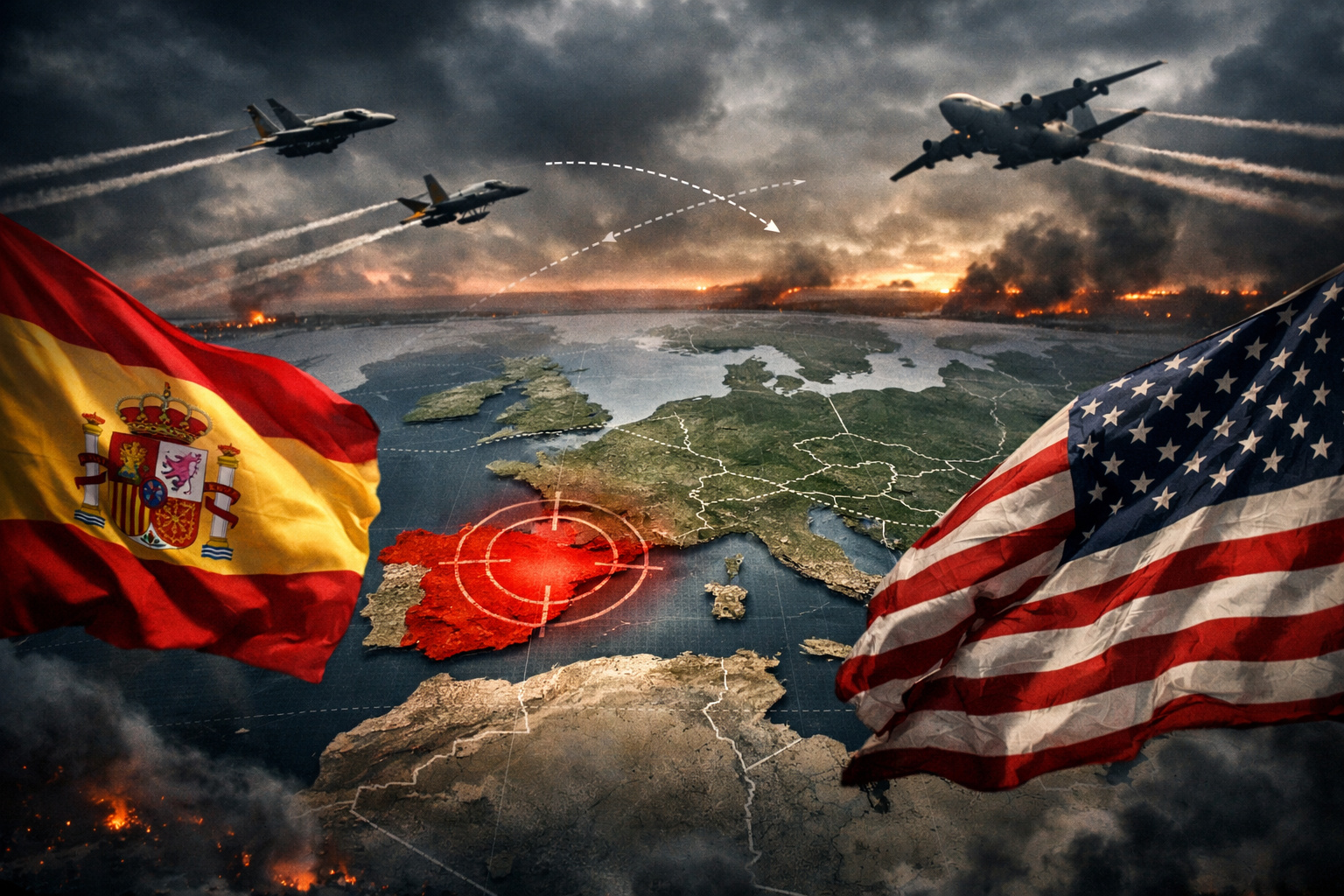
Spain challenges the USA and closes its airspace for operations against Iran, raising global tension and provoking the threat of a trade rupture.
-
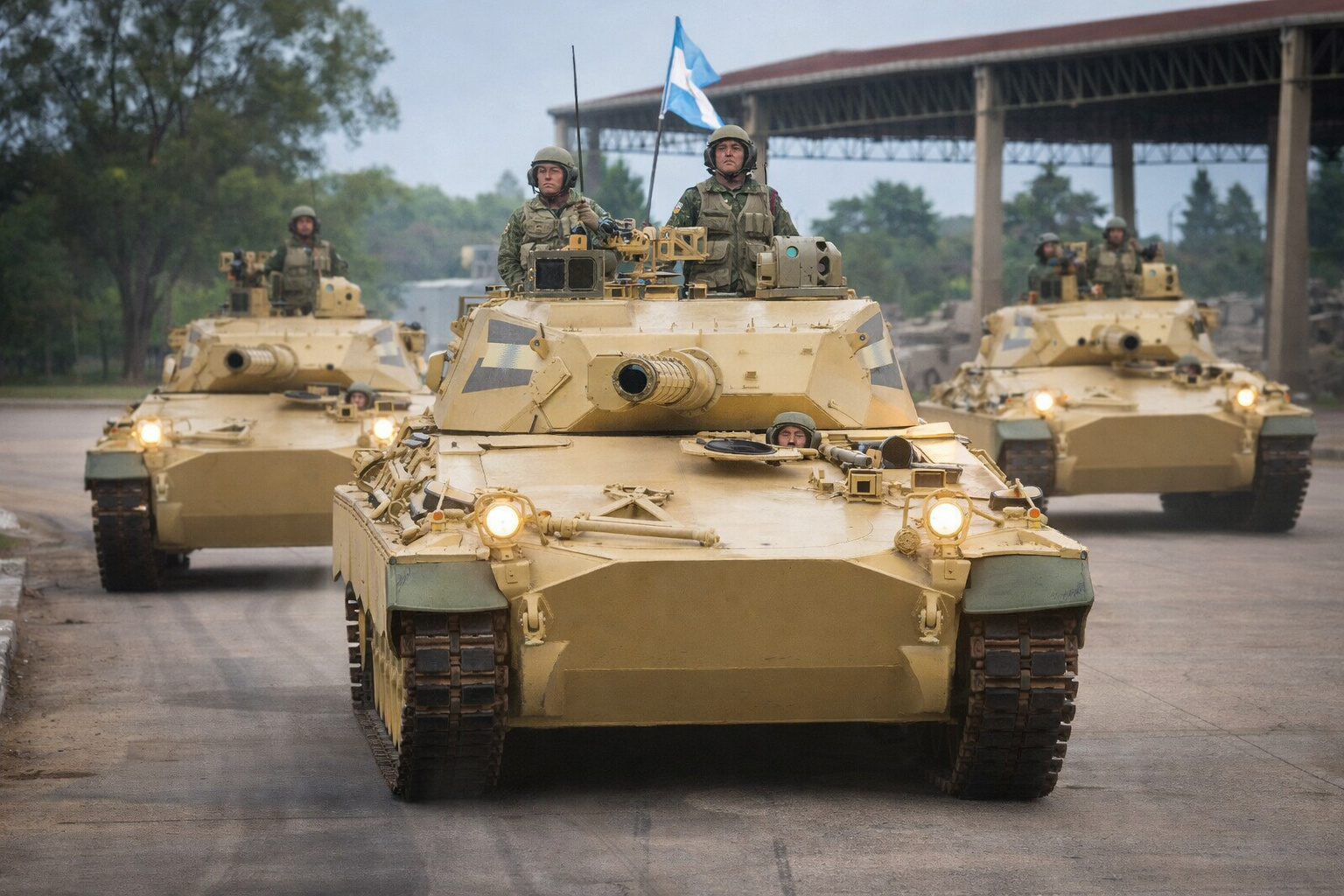
While no other country manufactures tanks in Latin America, Argentina activates the TAM 2C-A2 and raises a curiosity about the technological lag in the region.

Although there is no formal military plan, Washington bets on a clear strategy. The government combines economic pressure, diplomatic isolation, and encouragement of internal fissures.
Economic Pressure Accelerates Crisis and Weakens Cuban Regime
According to the Wall Street Journal, US officials assess that the Cuban economy is close to collapse. The scarcity of fuels, the decline in domestic production, and the lack of external credit worsen the scenario.
Moreover, the US government highlights the loss of a crucial strategic ally: Venezuela. The capture of Nicolás Maduro during a US military offensive altered the political balance in the region.
For Washington, the episode serves as an example and direct warning to Havana. The message is clear: isolated regimes can crumble quickly when they lose economic and political support.
On January 11, Trump reinforced this position in a social media post. He stated: “I strongly suggest you make a deal. Before it’s too late”. In the same message, he declared that no oil or money would be sent to Cuba.
In response, Cuban Foreign Minister Bruno Rodríguez reacted publicly. He stated that Cuba has the sovereign right to import fuel and maintain commercial relations without external interference.
Venezuelan Case Becomes Reference and Strategic Warning for Havana
Despite the increasing pressure, US officials admit that there is no concrete plan to overthrow the Cuban government at this time. Still, the Venezuelan case has taken center stage in the US strategy.
On January 3, US forces conducted a large-scale attack against Venezuela. The operation resulted in the capture of Nicolás Maduro. According to Havana, 32 Cuban citizens died during the offensive.
For the State Department, the episode demonstrated how allied regimes can collapse quickly. In an official statement, the agency asserted that national security of the United States demands a democratic government in Cuba.
The text also emphasized concern regarding the presence of military and intelligence services from adversarial countries on the island.
Analysts assess that Washington is avoiding direct intervention. Instead, it relies on continuous economic pressure, political isolation, and indirect negotiation. The goal is to prevent a large-scale regional conflict.
The prevailing reading in the US is straightforward: either Havana negotiates a political transition, or it will face even harsher isolation. In the current economic scenario, the Cuban regime has little room to resist.
Do you believe that US pressure can actually provoke political change in Cuba, or will the regime resist once again?









Seja o primeiro a reagir!