





 Portuguese
  English
  Spanish
  3 min of reading
  0 comments


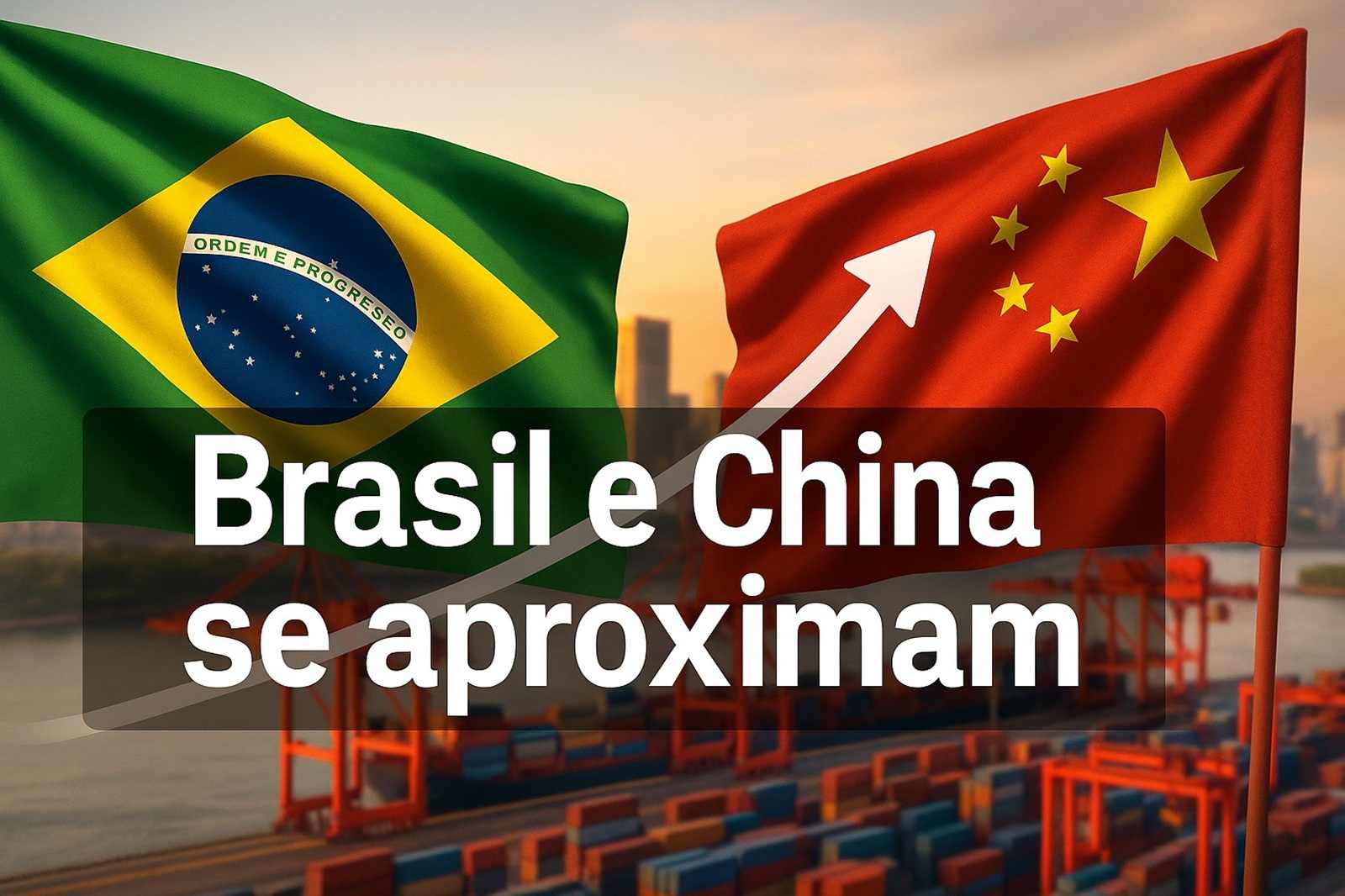
The Pressure from the United States on Latin America Generated Unexpected Effects. Instead of Weakening China’s Presence, It Strengthened the Strategic Approach Between Brazil and China
The U.S. government intensified its offensive in Latin America because it seeks to curb China’s growing influence in the region.
Under Donald Trump, Washington pressured partners to abandon strategic projects with Beijing.
In some cases, the strategy included military threats, as occurred regarding the canal in Panama.
-
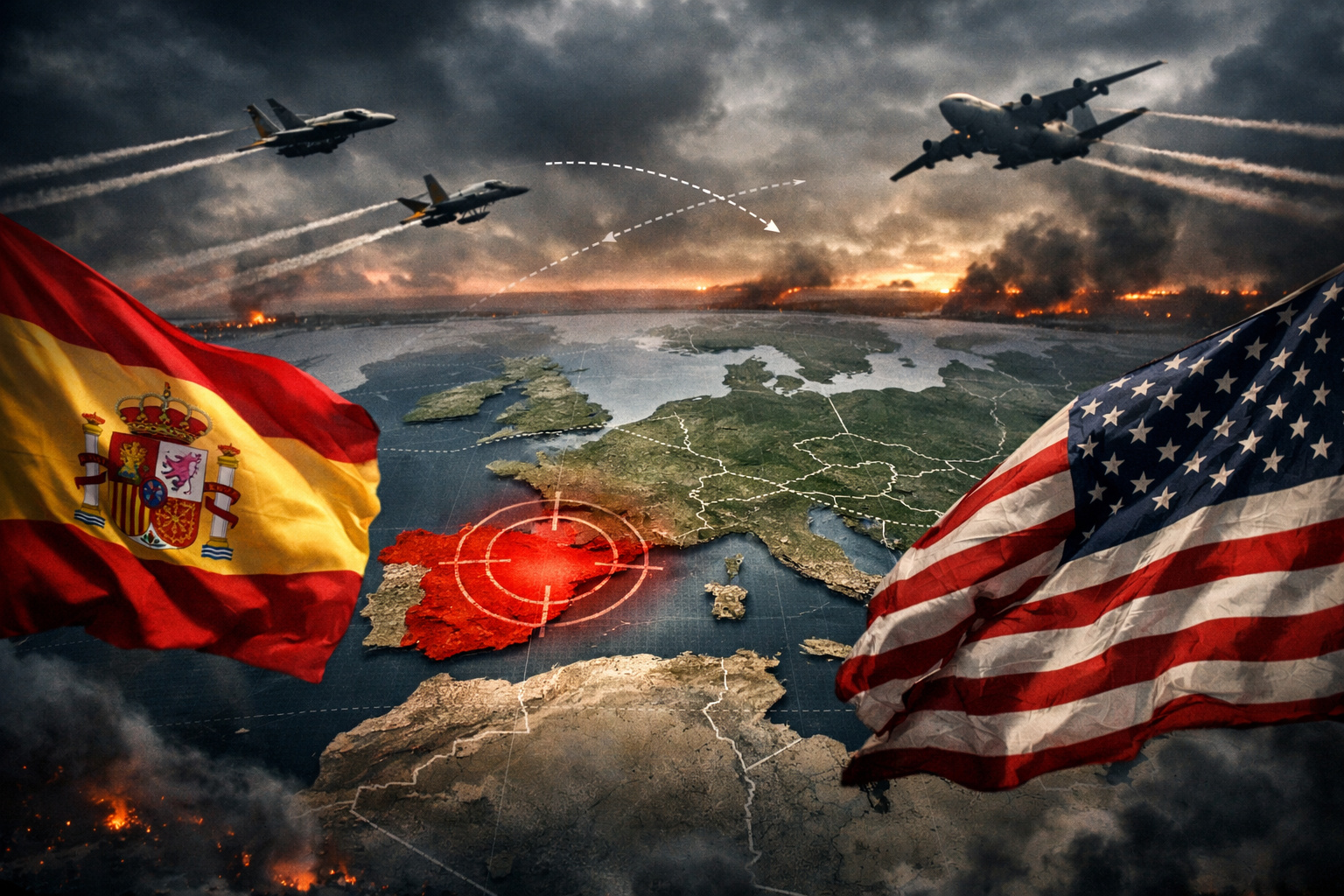
Spain challenges the USA and closes its airspace for operations against Iran, raising global tension and provoking the threat of a trade rupture.
-
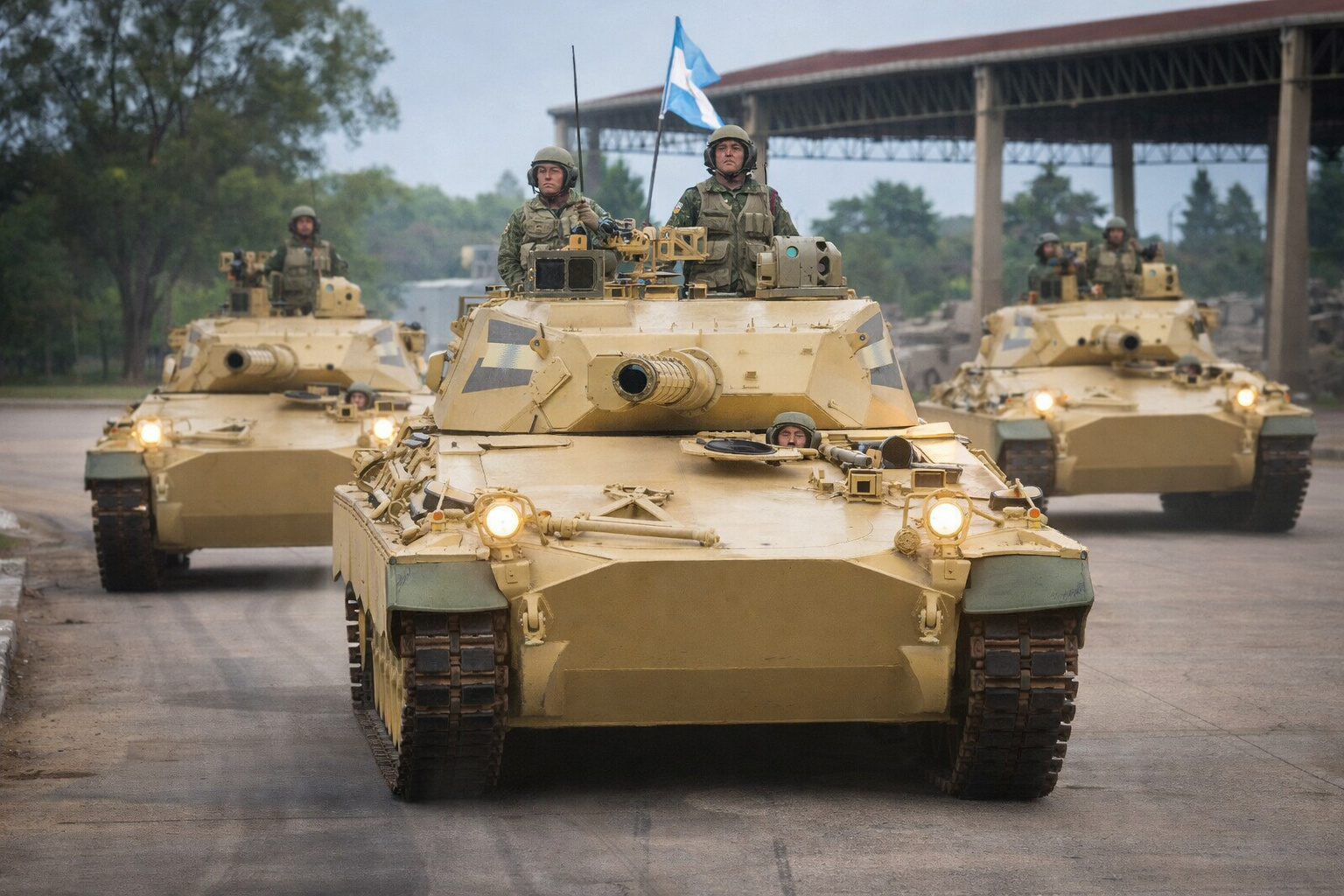
While no other country manufactures tanks in Latin America, Argentina activates the TAM 2C-A2 and raises a curiosity about the technological lag in the region.
-
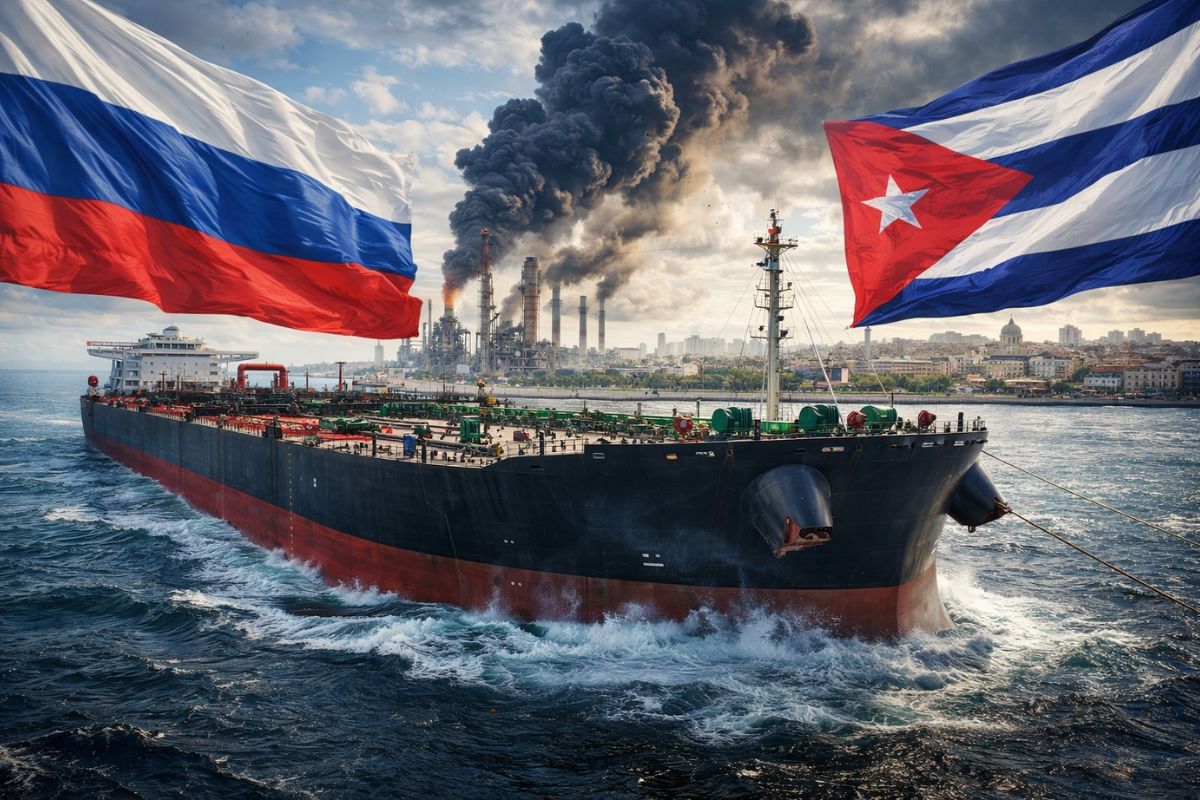
A Russian ship with 730,000 barrels of oil has just arrived in Cuba while Mexico negotiates fuel sales through private companies: the communist island is desperately seeking alternatives after losing its supply from Venezuela due to American military action.
-
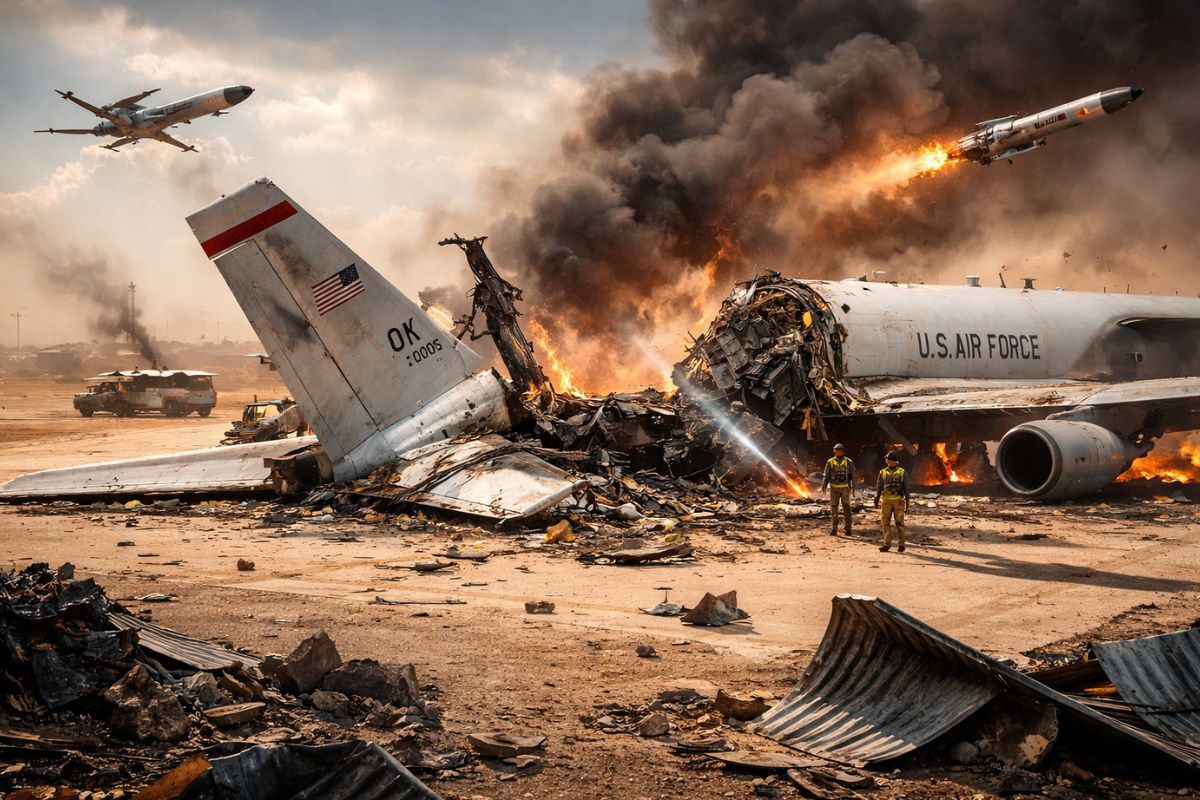
Iranian drones and missiles destroyed a 270 million dollar American spy plane in Saudi Arabia, splitting the E-3 Sentry aircraft in half and injuring 12 military personnel in an attack that exposes the vulnerability of U.S. bases in the Persian Gulf.

Marco Rubio has led the tougher stance. This attitude contrasts with his previous actions in the Senate, where he advocated for a different path.
In 2022, Rubio introduced a law to reduce Chinese influence through strengthening regional trade ties. The text also provided for military cooperation and drug trafficking combat.
Brazilian and Chinese Reaction
This movement may have had an unexpected effect. The pressure may have brought Brazil closer to China, reversing Donald Trump’s intention.
On this Friday (29), the spokesperson for the Chinese Ministry of Foreign Affairs, Lin Jian, stated that the country is ready to unite with Brazil. The objective would be to strengthen the Brics and resist acts of intimidation. The statement was published on social media platform X.
“The Chinese Finance Minister, Wang Yi, spoke by phone with the Brazilian Finance Minister, Mauro Vieira. Amid the complex changes in the current international situation, China is willing to strengthen coordination with Brazil and join forces with Brics countries to resist unilateralism and intimidation practices”, said the spokesperson for the Chinese Ministry of Foreign Affairs.
According to Jian, the chancellors Wang Yi from China and Mauro Vieira from Brazil spoke again by phone on Thursday (28). The request came from the Brazilian minister.
Economic Retaliation
On the same day, the Lula government announced the start of a process that could lead to the application of the Economic Reciprocity Law against the United States.
The measure was a response to the U.S. tariffs on Brazilian products.
Lula stated that his team has not yet made contact with U.S. diplomacy to discuss the matter. Therefore, the trade crisis continues without negotiation.
In a statement, the Chinese Ministry of Foreign Affairs emphasized that Wang Yi reinforced the importance of the bilateral relationship.
He said that China and Brazil are experiencing their best historical moment and advocated for accelerating the implementation of agreements already made by the presidents of both countries.
Unity in the Global South
Xi Jinping also highlighted the partnership with Brazil in a phone call with Lula on August 11. According to the Xinhua agency, the Chinese leader stated that the two countries can become a symbol of unity and self-sufficiency among Global South nations.
Furthermore, Xi said that the goal is to build a fairer and more sustainable world. The message reinforces the idea that Beijing sees Brazil as a strategic ally amid international disputes.
Thus, Washington’s offensive seems to have produced the opposite effect. While applying pressure, it sees Brazil and China further strengthening their political, economic, and diplomatic relationship.









Seja o primeiro a reagir!