Portuguese
  Spanish


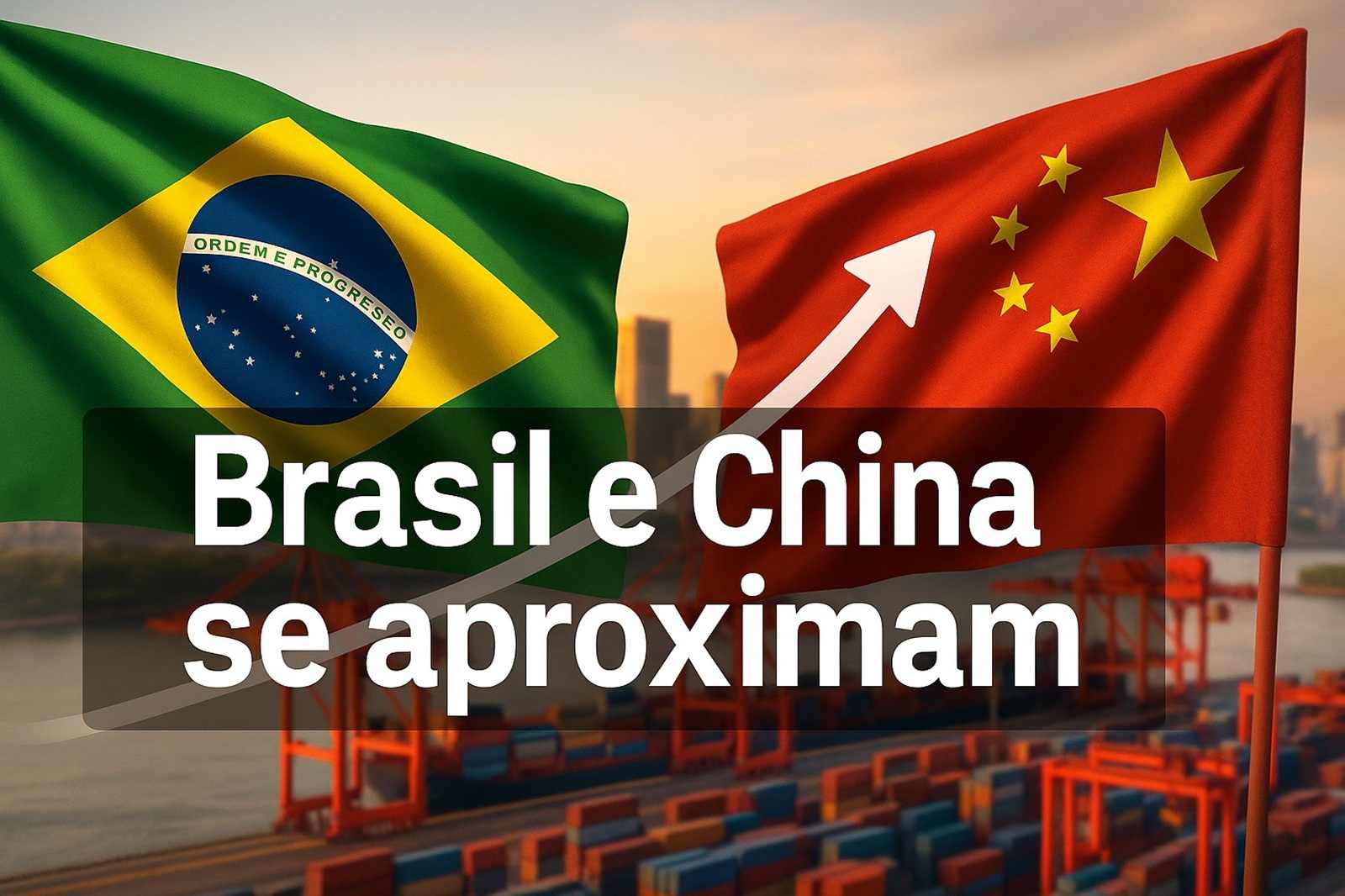

The Pressure from the United States on Latin America Generated Unexpected Effects. Instead of Weakening China’s Presence, It Strengthened the Strategic Approach Between Brazil and China
The U.S. government intensified its offensive in Latin America because it seeks to curb China’s growing influence in the region.
Under Donald Trump, Washington pressured partners to abandon strategic projects with Beijing.
In some cases, the strategy included military threats, as occurred regarding the canal in Panama.
-
European Parliament Approves Digital Euro, Aiming to Challenge Visa and Mastercard’s Dominance and Transform Payments Across Europe by 2029

-
Israel finds Hezbollah militarized tunnel over 200 meters long under village, with 4 missile launch shafts, 12 chambers, anti-tank missiles, drones, and weapons depots at a depth of 25 meters.

-
Ukraine launches largest drone attack on Moscow since 2022, Russia claims to have intercepted nearly 200 aircraft near the capital, Kapotnya refinery targeted again, and offensive reignites alert about war reaching the Russian energy heart just a few kilometers from the Kremlin.

-
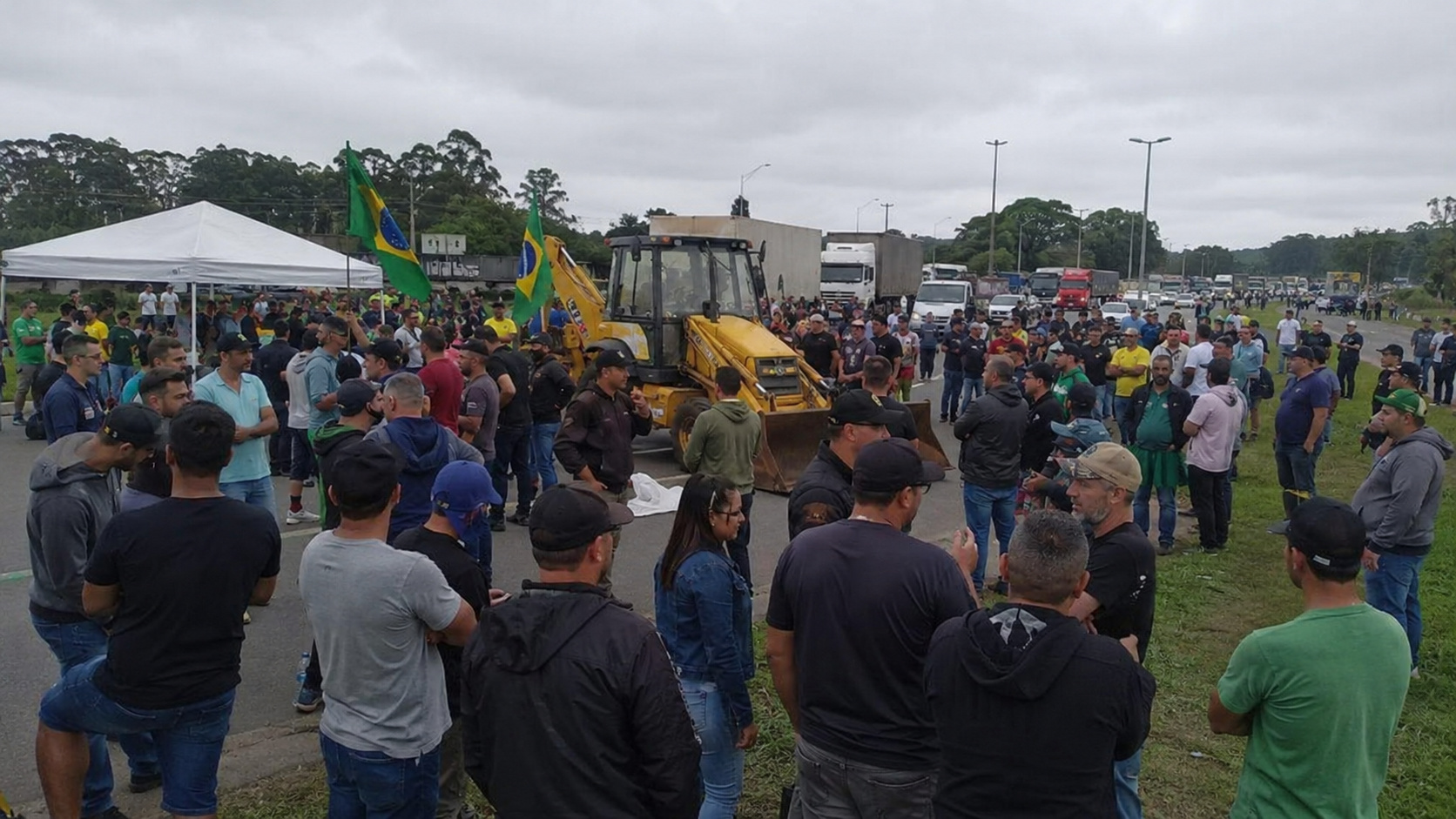
Truck drivers, freight, and fines from 2022 take center stage in politics: Chamber approves MP with amnesty, mandatory tracking by CIOT, million-dollar penalties, and new minimum wage for those who spend more than 24 hours on the road.



Marco Rubio has led the tougher stance. This attitude contrasts with his previous actions in the Senate, where he advocated for a different path.
In 2022, Rubio introduced a law to reduce Chinese influence through strengthening regional trade ties. The text also provided for military cooperation and drug trafficking combat.
Brazilian and Chinese Reaction
This movement may have had an unexpected effect. The pressure may have brought Brazil closer to China, reversing Donald Trump’s intention.
On this Friday (29), the spokesperson for the Chinese Ministry of Foreign Affairs, Lin Jian, stated that the country is ready to unite with Brazil. The objective would be to strengthen the Brics and resist acts of intimidation. The statement was published on social media platform X.
“The Chinese Finance Minister, Wang Yi, spoke by phone with the Brazilian Finance Minister, Mauro Vieira. Amid the complex changes in the current international situation, China is willing to strengthen coordination with Brazil and join forces with Brics countries to resist unilateralism and intimidation practices”, said the spokesperson for the Chinese Ministry of Foreign Affairs.
According to Jian, the chancellors Wang Yi from China and Mauro Vieira from Brazil spoke again by phone on Thursday (28). The request came from the Brazilian minister.
Economic Retaliation
On the same day, the Lula government announced the start of a process that could lead to the application of the Economic Reciprocity Law against the United States.
The measure was a response to the U.S. tariffs on Brazilian products.
Lula stated that his team has not yet made contact with U.S. diplomacy to discuss the matter. Therefore, the trade crisis continues without negotiation.
In a statement, the Chinese Ministry of Foreign Affairs emphasized that Wang Yi reinforced the importance of the bilateral relationship.
He said that China and Brazil are experiencing their best historical moment and advocated for accelerating the implementation of agreements already made by the presidents of both countries.
Unity in the Global South
Xi Jinping also highlighted the partnership with Brazil in a phone call with Lula on August 11. According to the Xinhua agency, the Chinese leader stated that the two countries can become a symbol of unity and self-sufficiency among Global South nations.
Furthermore, Xi said that the goal is to build a fairer and more sustainable world. The message reinforces the idea that Beijing sees Brazil as a strategic ally amid international disputes.
Thus, Washington’s offensive seems to have produced the opposite effect. While applying pressure, it sees Brazil and China further strengthening their political, economic, and diplomatic relationship.