





 Portuguese
  English
  Spanish
  4 min of reading
  0 comments


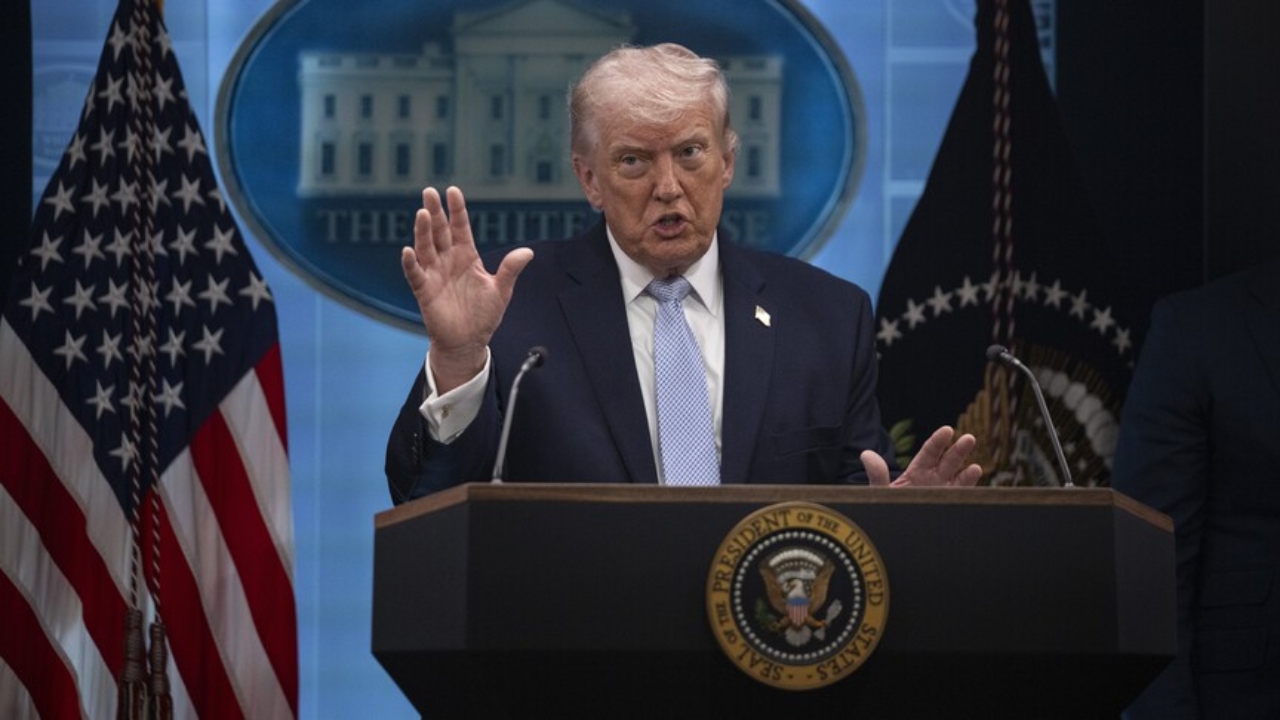
White House pressures allies, threatens bases in Europe, targets Spain and Germany, demands military support and increases strategic tension in the bloc
The new pressure from the White House on NATO has escalated the tone of the crisis between the United States and European allies. The focus is now not only on discussions about leaving the alliance but on the direct use of American military presence as a tool of political pressure.
In practice, the move places Spain and Germany at the center of a dispute involving troops, bases, and military support in the context of the war with Iran. The immediate effect is an increase in distrust within the alliance and a new sign of instability for European security.
Washington exchanges broad threat for concrete pressure on bases
The strongest signal came from Donald Trump’s circle at the moment when Mark Rutte, NATO’s Secretary General, was in Washington. The discussion about a possible U.S. exit from the alliance returned to the center of the debate, but the more concrete pressure appeared elsewhere.
-
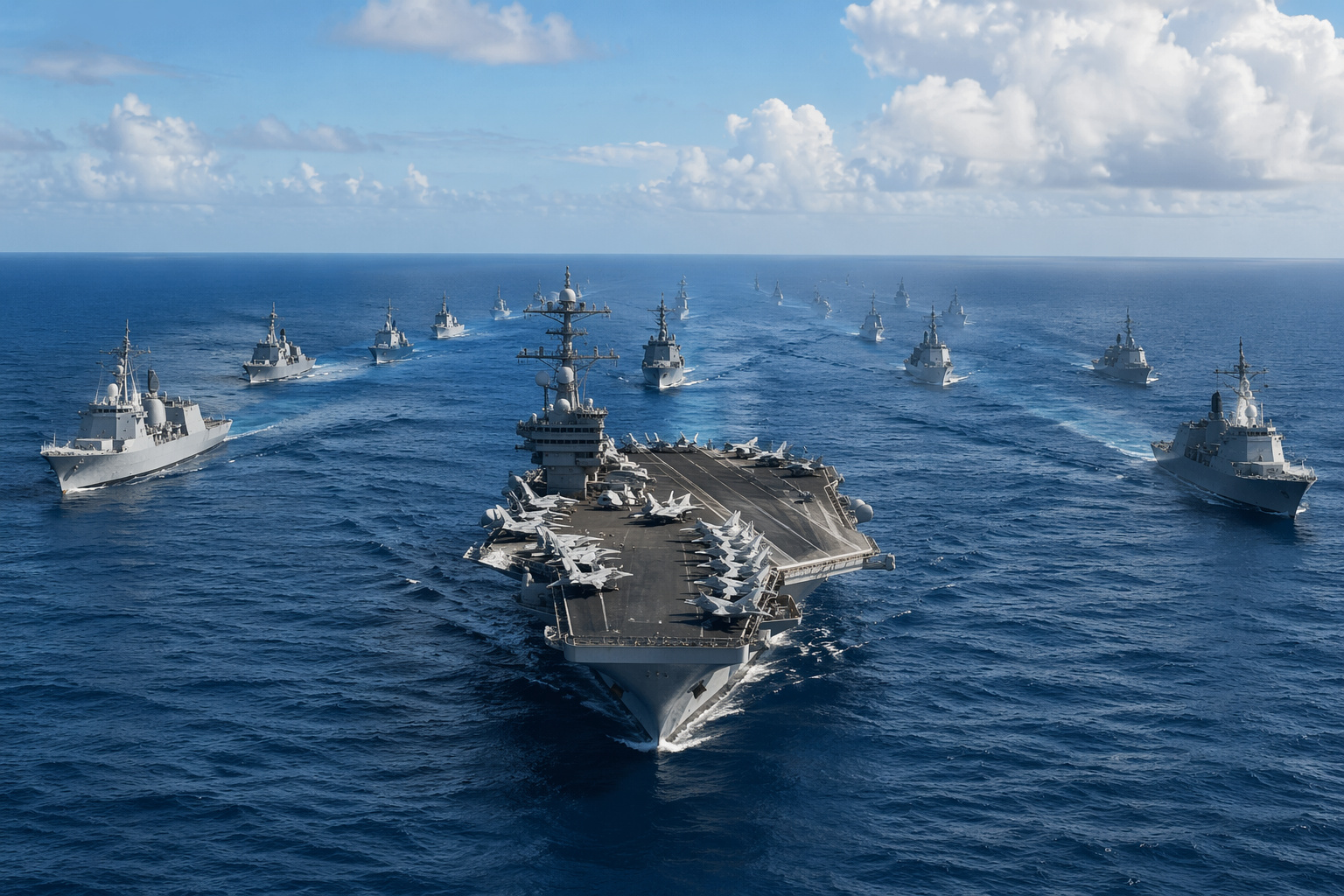
With US$ 65.8 billion and 34 new ships, the U.S. launches a mega naval plan that prioritizes nuclear submarines, strengthens military logistics, and repositions the strategy for prolonged conflicts in the Pacific.
-
Switzerland joins 8 countries to alleviate the crisis of travelers stranded in the Middle East with emergency migration measures and support for repatriation.

-
Trump’s tariffs reduced trade between the US and China by up to 30% in 2025, but China did not lose; it redirected exports, cut prices, and found new markets, while Southeast Asia grew by trading with both, and Europe was squeezed between the two sides.

-
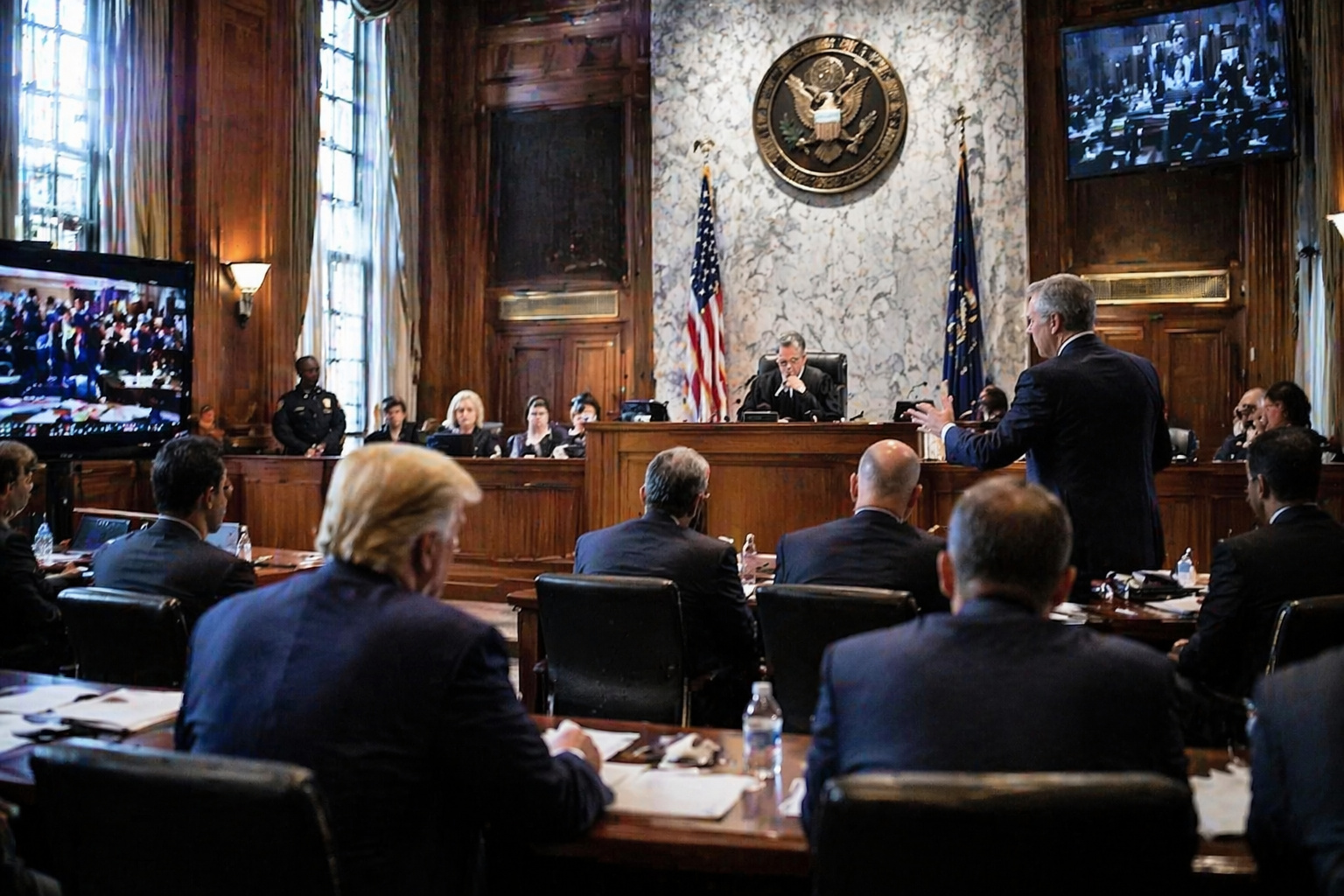
Why U.S. federal judges have increasingly blocked decisions by Donald Trump and how this wave of injunctions is reshaping the limits of presidential power.
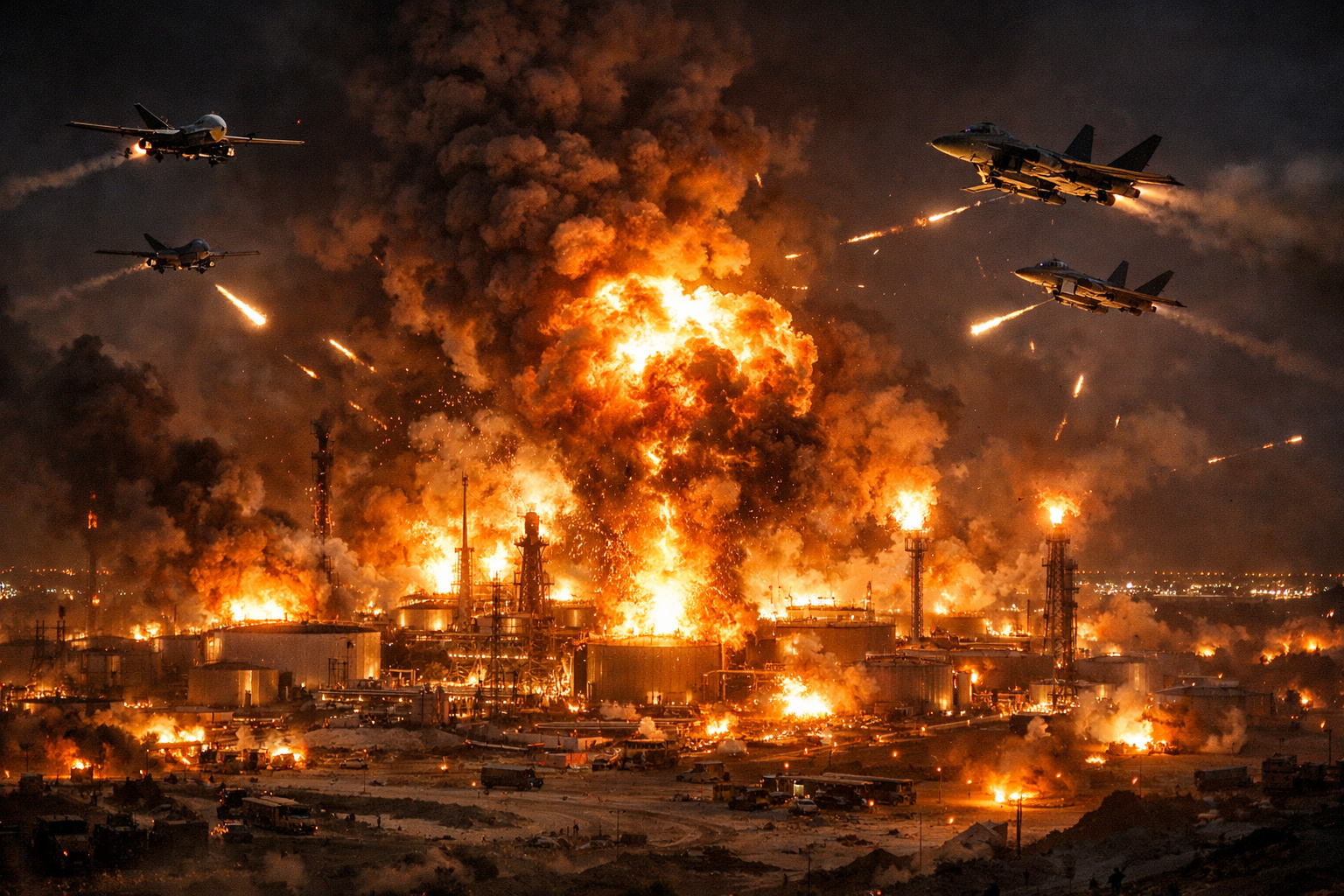
The U.S. government is considering withdrawing troops stationed in European countries deemed uncooperative and relocating those military personnel to partners seen as more aligned. Among the potential destinations are Poland and Romania, which changes the axis of military presence on the continent.
Spain and Germany enter the White House radar
The plan under consideration includes the possibility of closing a base in Spain or Germany. The idea would be to punish governments that, in Washington’s view, hindered the use of military structures during actions against Tehran.
Tension has increased because countries like Spain and Italy did not authorize the use of bases on their territory in this context. As a result, the American military presence has begun to be treated as a tool of pressure among allies who, in theory, should operate under a logic of cooperation.
Pressure also advances on naval support in the Strait of Hormuz
The hardening was not limited to the debate about bases. The demand also reached the direct military field, with a requirement for more concrete support from NATO members in a sensitive area for global energy trade.
According to Der Spiegel, a German political and current affairs magazine, Trump reportedly set a deadline for allies to provide effective military support, including sending warships to the Strait of Hormuz. The gesture increases pressure on Europe and shifts the crisis to a route that affects markets and international security.
Germany plays a bigger role in the American military board
In the case of Germany, the issue gains even greater dimension due to the size of the American military presence in the country. The Ramstein base is a central piece of American military logistics in Europe, the Middle East, and Africa.
Additionally, Germany hosts strategic structures in Stuttgart, Bavaria, and also the main American military hospital outside the national territory in Weilerbach. Estimates indicate that more than 80,000 U.S. military personnel are in Europe, with about half of that contingent on German soil.
Trump expands the crisis without leaving the alliance
Even with the aggressive rhetoric, a formal exit of the United States from NATO faces political barriers in Washington. The American system itself limits this path by requiring a two-thirds majority in the Senate or approval of a law in Congress.
This increases the perception that the most likely path is to weaken the alliance from within. By casting doubt on American commitment to collective defense, Trump affects the credibility of the bloc and opens space for more insecurity among European partners.
Article 5 becomes the center of the strategic dispute
NATO operates based on the trust that an attack against one member will elicit a collective response. This commitment is found in Article 5, which is the political and symbolic foundation of the alliance’s deterrent force.
When the President of the United States suggests that not all allies deserve protection, the impact goes beyond rhetoric. The message alters the perception of security on the continent and increases the risk of strategic calculation by rivals such as Russia.
Greenland, Ukraine, and military spending aggravate the wear
The current crisis is not limited to Iran. The reminder of Greenland, the pressures on Ukraine, and the demand for defense spending of 5 percent of GDP, with 3.5 percent allocated to military capabilities, have increased the wear between Washington and European partners.
At the same time, criticism of Mark Rutte’s style is growing, as he is accused by some allies of trying to contain the crisis with excessive political concessions. Discomfort is rising on the eve of the Ankara summit in July, when the alliance is expected to discuss its future with an already significantly shaken internal confidence.
The most visible effect of this escalation is the transformation of the American military presence into a tool of political punishment within NATO itself. This affects defense decisions, logistical planning, and the relationship between Europe and the United States at a particularly sensitive moment.
If the strategy continues at this pace, the alliance enters a phase of permanent pressure, with more demands on Europeans and less predictability regarding Washington’s role. The result changes the strategic reading of the bloc and repositions Europe at the center of the global dispute.








Seja o primeiro a reagir!