





 Portuguese
  English
  Spanish
 3 min of reading


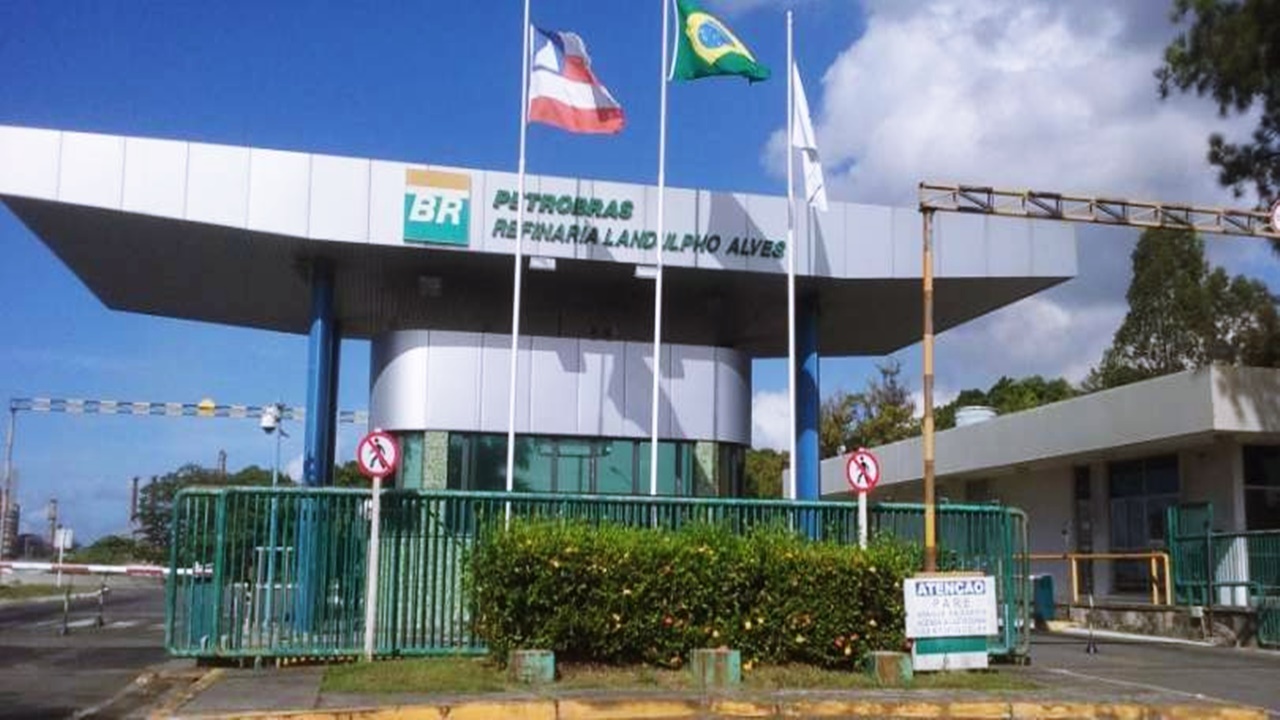
TST Decision Relieves Petrobras of Responsibilities for Inter-Journey Break Payment at Presidente Getúlio Vargas Refinery
The Superior Labor Court (TST) absolved Petrobras from paying for inter-journey breaks following the first shift extension for oil workers on constant rotation at the Presidente Getúlio Vargas Refinery (Repar), located in Araucária, Paraná.
Refinery employees, working in schedules with various extensions in uninterrupted shifts, accumulated more than 24 consecutive hours of service. The Union of Workers in the Oil Refining, Distillation, Exploration, and Production Industries in the States of Paraná and Santa Catarina (Sindipetro PR/SC) filed a labor lawsuit, stating that approximately 55 oil workers were denied the inter-journey break during two days of continuous work amid a strike.
Complaint Details
The attorney specializing in labor law and partner at A. C. Burlamaqui Consultores, Hugo Luiz Schiavo, expressed that the TST aligned with the understanding of the Supreme Federal Court (STF, General Repercussion Theme 1046), which authorized collective agreements for rules that better fit the work specifics, even if they limited certain rights established under the CLT.
-
The end of the 6×1 shift becomes a hot topic in Congress! Lula makes the decision, confirms the submission of a project to eliminate the 6×1 shift and reduce the workweek to 40 hours, with two days off and maintenance of salaries.

-
In Spain, a law has created paid menstrual leave funded by the state, turning debilitating cramps into legal leave and placing the country among the most advanced in Europe in terms of women’s health rights.

-
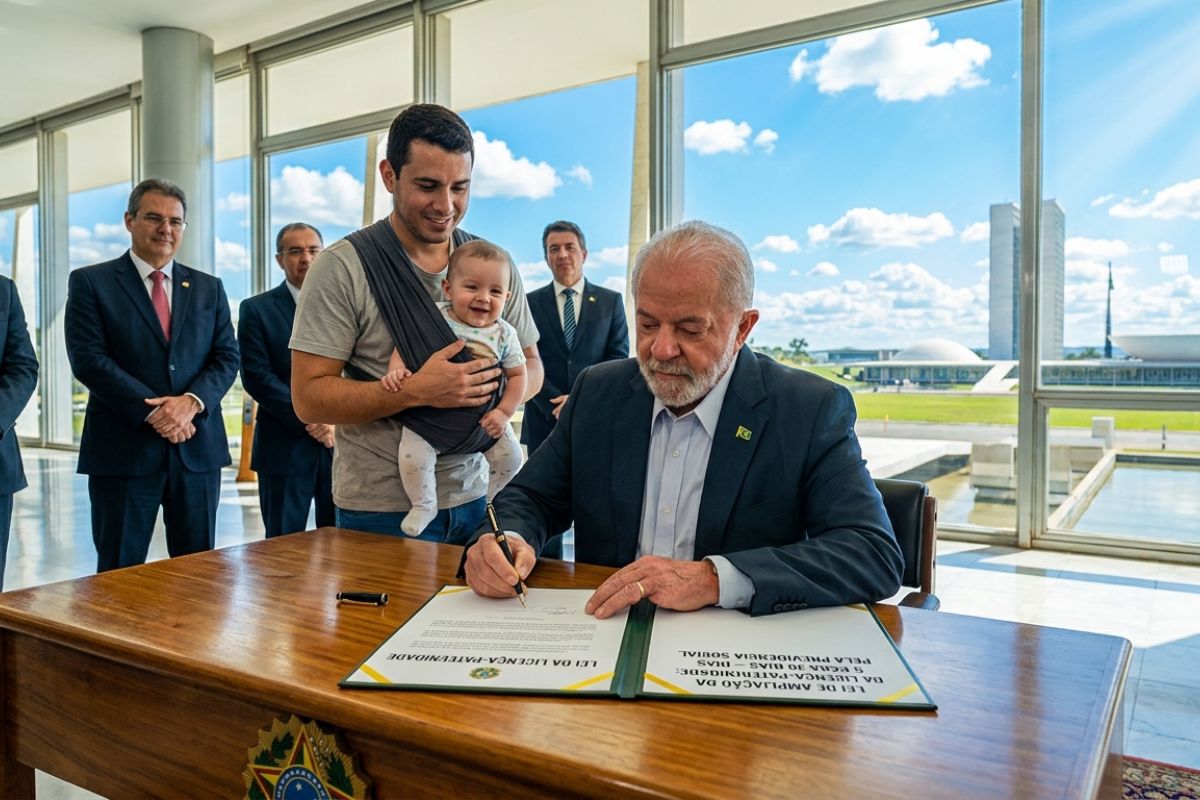
Government enacts new law: paternity leave increases from 5 to 20 days with gradual increases until 2029, and Social Security pays the paternity salary; companies no longer bear the absence cost, estimated at R$ 5.4 billion.
-
End of the 1-hour lunch break in the CLT? Current labor law maintains the break, allows for negotiated reductions, and defines rules for working hours and home office in Brazil.

The Case in Question
In the action, Sindipetro argued that two interjourney breaks totaling 22 hours were necessary after a prolonged shift and a third working shift, and requested payment for a fourth partial shift as overtime.
Petrobras, initially ordered to pay for the 22 hours of inter-journey break and the amount corresponding to the unused period, saw the decision upheld by the Regional Labor Court of the 9th Region (PR), which also recognized the impact of the extraordinary period on other salary components.
However, the company appealed, insisting that the extended shift was not separate but a continuation of the continuous shift. It also argued that the Collective Bargaining Agreement allowed for payment of hours worked instead of the interjourney break as overtime.
Hugo Luiz Schiavo clarified that the provision for the payment of 11 hours of break, without considering the number of extended or advanced hours in the schedule, was judged valid as it had been negotiated between the company and the union in the collective agreement.
Case Law in Favor of Petrobras
This decision, which relieves Petrobras of certain financial responsibilities, highlights the importance of collective agreements and careful interpretation of labor laws, both for employers and employees. It is a case that will certainly serve as a reference for similar situations in the oil industry and beyond.
The ruling is part of a broader narrative regarding shift work and labor relations in the oil industry, set against a backdrop of a society constantly dealing with the needs and challenges of energy production.
With information from the Social Communication Secretariat of the Superior Labor Court.
By Isabela Guimarães – Advisor at Q Comunicação








Seja o primeiro a reagir!