Portuguese
  Spanish



Oil And Gas Exploration Spending Is Recovering, Driven By Favorable Economic Winds And The Need For Energy Security.
According to a report by Wood Mackenzie, exploration spending is recovering from the historical lows reached during the pandemic. Investments in the sector are expected to grow to an average of US$ 22 billion per year in real terms over the next five years.
Favorable economic winds, the need for energy security, and the emergence of new frontiers will drive oil and gas companies.
Julie Wilson, Wood Mackenzie’s global exploration research director, states that explorers will become bolder in the coming years. While spending will increase, it will not return to past peak levels due to the lack of high-quality prospects that meet current economic and ESG metrics.
-
Oil production grows in Rio, but reserve replacement raises a warning sign

-
Petrobras is expected to complete the drilling of the Morpho well in the Foz do Amazonas in August 2026, the first well in the Equatorial Margin, an oil frontier that the ANP estimates at more than 30 billion barrels and could redraw the map of Brazil.

-
Oil returns to the center of concerns with tension between the US and Iran

-
IEA reduces forecast for global oil demand in 2026 after impacts of the Middle East crisis
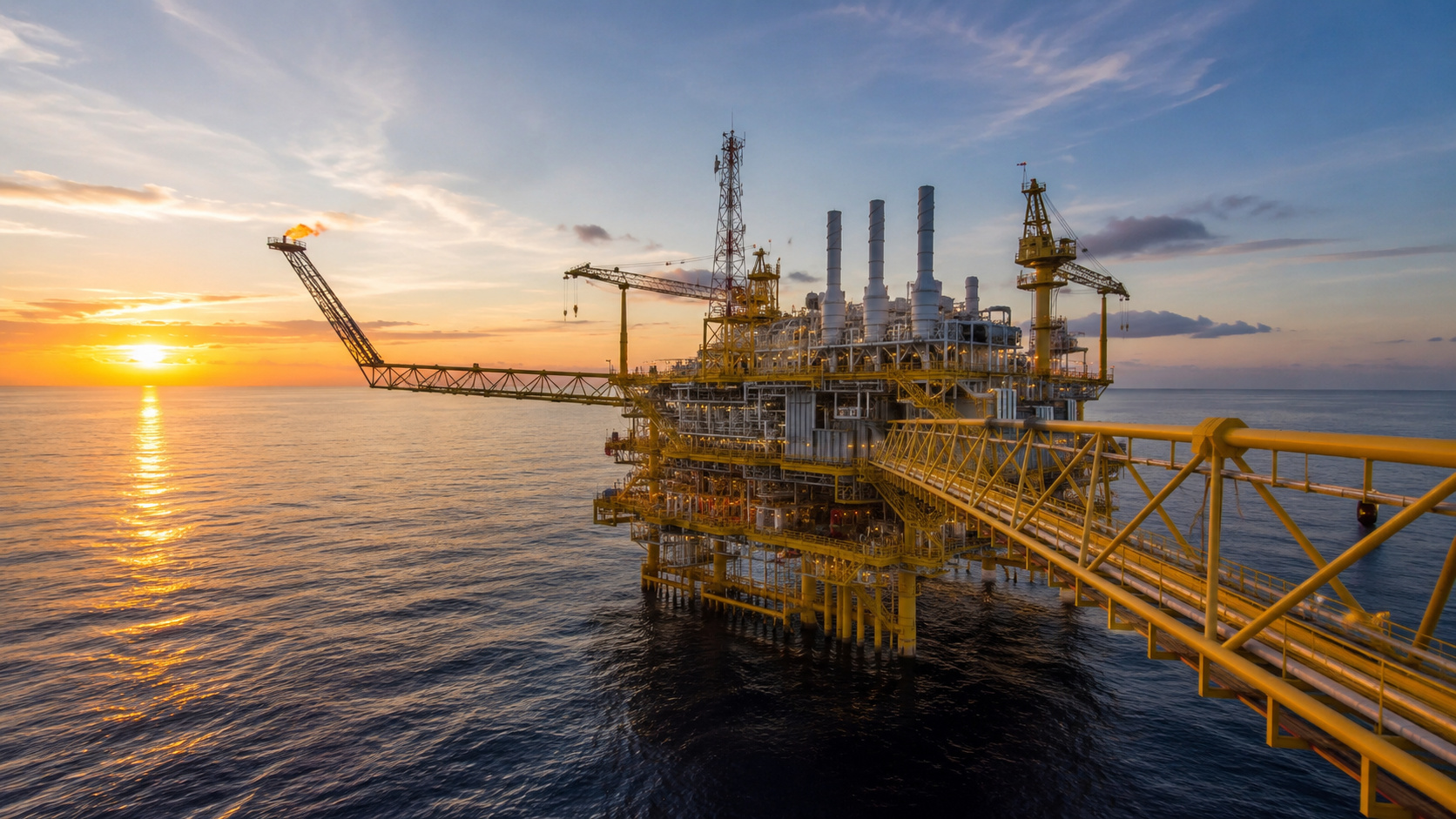


Exploration spending growth will begin in 2023, with a projected increase of 6.8% compared to 2022. Confidence in exploration has risen due to consistently above-10% returns since 2018, surpassing 20% in 2022.
New Frontiers Will Drive The Sector
Deep and ultra-deep waters are the main growth opportunities for long-term exploration. Africa’s Atlantic Margin and Eastern Mediterranean regions will experience the largest growth, with spending also in some unspecified new frontiers.
Highlighted areas with potential include Uruguay, southern Argentina, and deep waters off Malaysia. Other regions that may attract investments are Namibia, Greece, and the Nile Delta in Egypt.
Source: Wood Mackenzie