





 Portuguese
  English
  Spanish
 4 min of reading
  0 comments


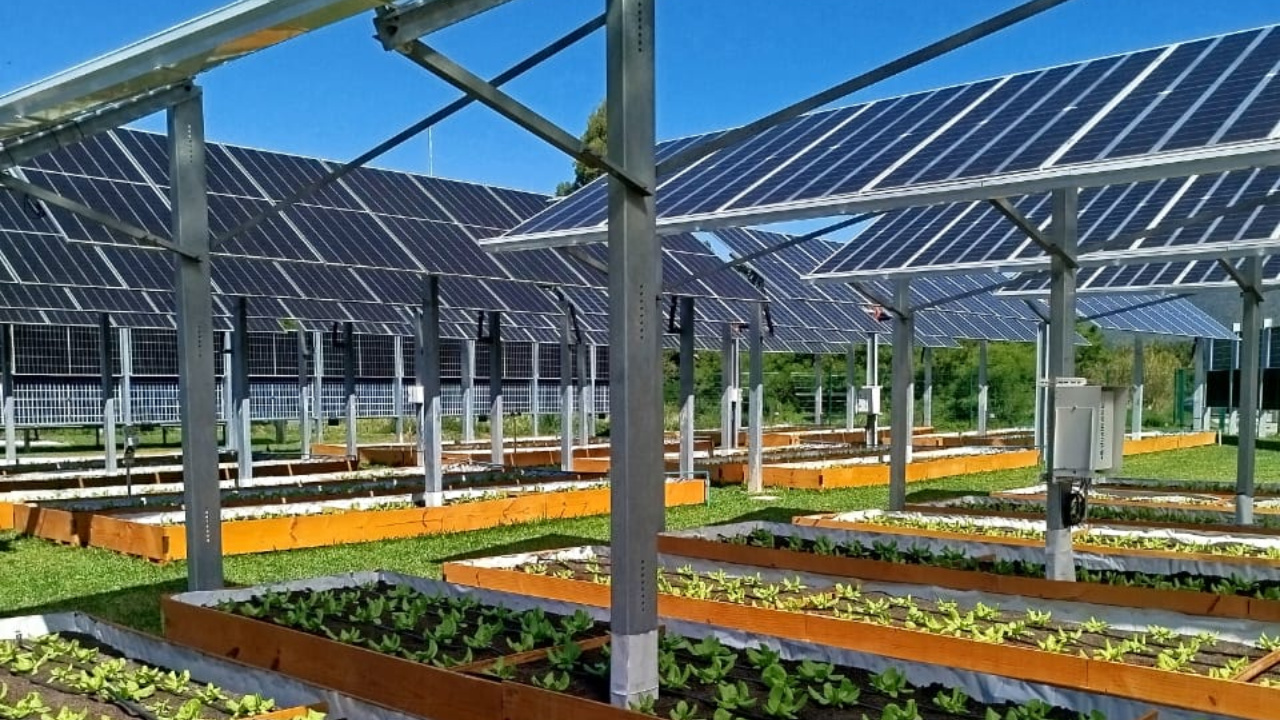
UFSC Inaugurates Agrivoltaic System in Florianópolis That Combines Solar Energy and Sustainable Agriculture. The Project, in Partnership with Epagri, Promises to Increase Soil Productivity and Boost Research on Energy Transition and Rural Innovation.
The Federal University of Santa Catarina (UFSC) has taken an important step towards integrating solar energy and agricultural production. This week, the institution inaugurated an agrivoltaic system at the Photovoltaic Solar Energy Laboratory, located at Sapiens Park in Florianópolis (SC). The project represents a milestone for scientific research and energy transition in Brazil, uniting science, sustainability, and innovation in the field.
Developed in collaboration with Epagri (The Agricultural Research and Rural Extension Company of Santa Catarina), the agrivoltaic system proposes the shared use of the same land for energy generation through photovoltaic panels and agricultural cultivation. While UFSC is responsible for the development, implementation, and monitoring of solar solutions, Epagri conducts experiments related to agricultural crops and their responses to the new environment.
Agrivoltaics: The Power of Solar Energy in the Field
The concept of agrivoltaics is gaining traction in various countries. It allows for the intelligent use of land, integrating solar panels and crops in harmony. In the case of UFSC, the panels were installed on elevated structures over the crops and on solar fences, ensuring space for agricultural production and energy generation simultaneously.
-
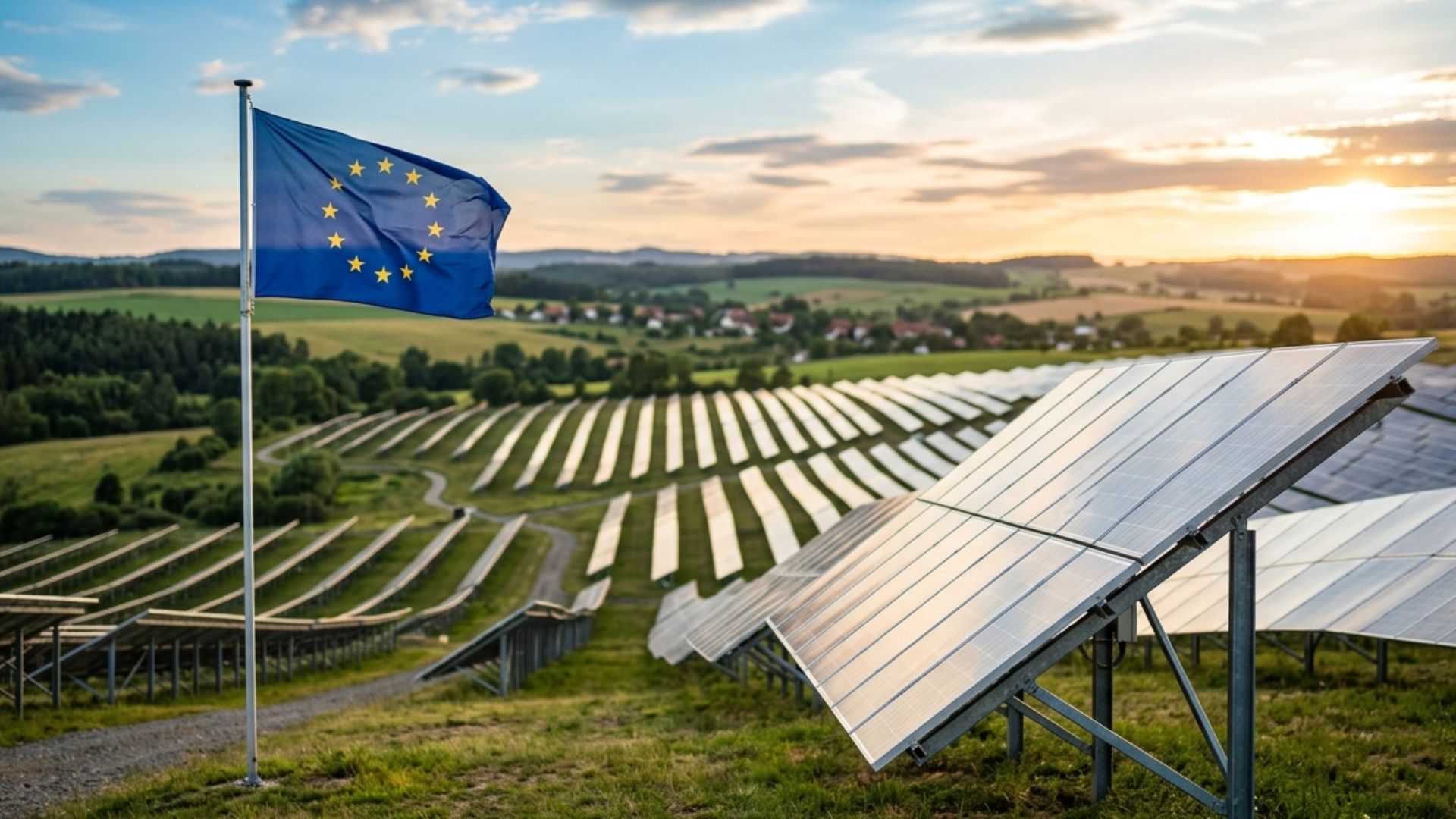
Europe records strong euro economy with solar energy in March and sparks curiosity about which country leads growth that redefines the energy market and reduces costs.
-
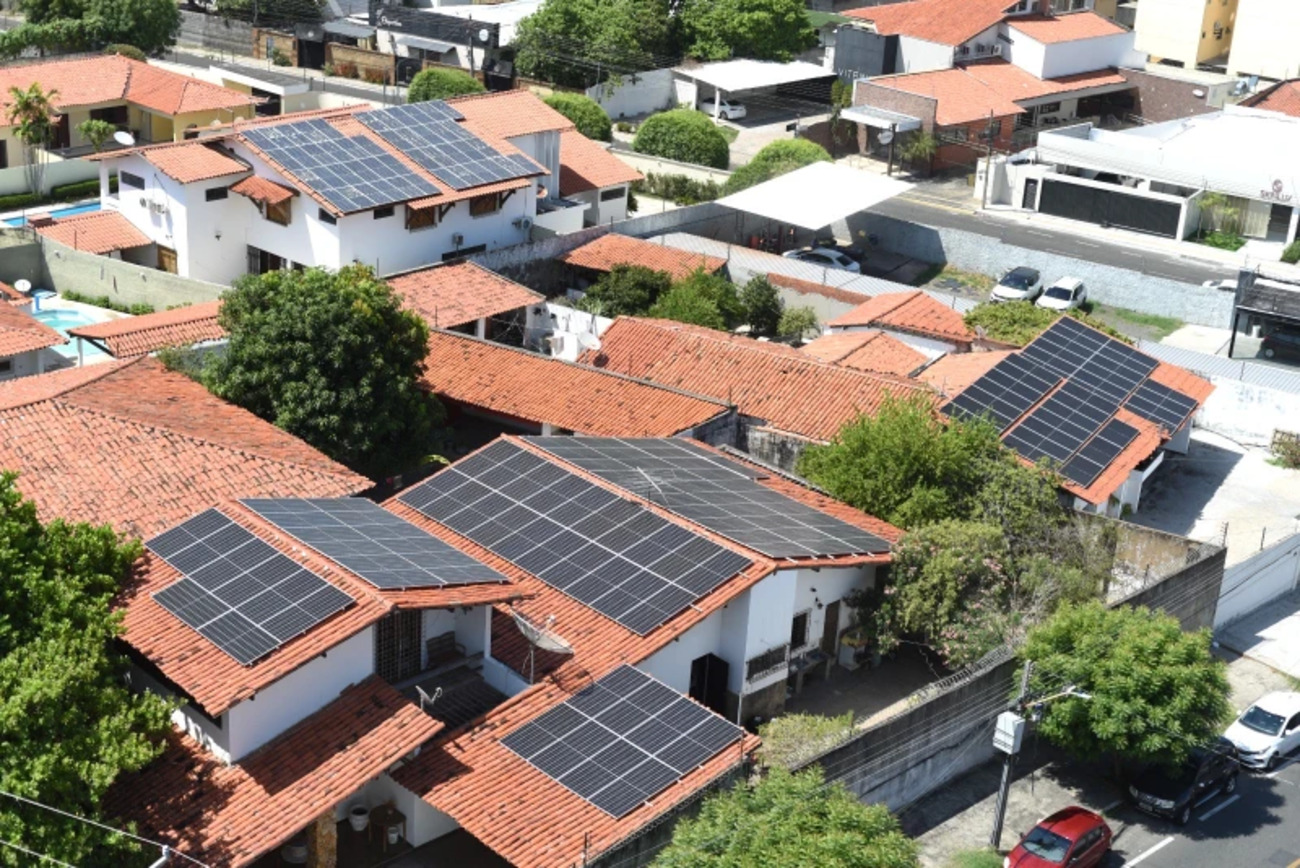
Piauí reaches a historic milestone in energy transition: State records nearly 160,000 households powered by solar energy and leads growth in the Northeast.
-
Argentina debuts its first 100% solar-powered highway and transforms an entire road into a showcase of clean energy.

-
Minas Gerais reaches a historic record and surpasses the power of Itaipu, but network costs generate debate: Understand why solar energy in MG impacts the electricity bill of those without panels.

According to the researchers, the main objective is to evaluate the technical, economic, and environmental viability of this integration. The system seeks to understand how different types of crops behave under partial shading conditions caused by the presence of solar modules. In this way, it will be possible to identify which species adapt best without compromising productivity.
Moreover, the study investigates ideal configurations of height, spacing, and tilt angle of the panels, aiming for a balance between energy yield and agricultural crop performance.
Research That Combines Innovation and Sustainability
The new agrivoltaic system at UFSC is not just an experimental initiative. It is part of a broader agenda of innovation and sustainability. The proposal is to generate data that contributes to public policies and guides future projects in the agro-energy sector, especially in regions with strong agricultural potential.
For the rector of UFSC, Irineu Manoel de Souza, the initiative symbolizes the university’s commitment to energy transition and sustainable rural development. “May this space be fertile in ideas, results, and partnerships, and may research, prototypes, and reference policies for Santa Catarina and Brazil emerge from here,” he stated.
According to the rector, the integration of solar energy and agriculture represents an efficient strategy to increase soil productivity, optimize resources, and reduce environmental impacts, as well as to strengthen the resilience of the field in the face of climate change.
Partnerships and Investments in Solar Energy in Rural Areas
The project was made possible with funding from Repsol Sinopec, a Spanish-origin energy company, and has the support of other partner institutions from the public and private sectors. This collaboration reinforces the importance of cooperation between universities and companies to accelerate the adoption of sustainable technologies in Brazil.
Among the expected benefits are the optimization of land use, increased energy efficiency, and the reduction of greenhouse gas emissions. The integration of clean energy sources with agricultural production also contributes to improving food and energy security in a global scenario of increasing demand for sustainability.
Additionally, the agrivoltaic system enables farmers to diversify their income sources by combining food sales with solar energy generation and commercialization — a practice that has already been successfully tested in countries like Germany, Japan, and the United States.
Applied Research and New Directions for Solar Energy in Brazil
With the installation of the system at Sapiens Park, UFSC reinforces its leadership in the field of renewable energies. The Photovoltaic Solar Energy Laboratory will be the research hub responsible for analyzing the performance of the panels and the behavior of crops under different climatic conditions.
The experiments will encompass various plant species, testing everything from vegetables to longer-cycle plants. The idea is to find a cultivation model that combines agricultural efficiency and stable electric generation.
To achieve this, researchers will measure variables such as solar radiation, soil temperature, productivity, and energy efficiency. The results may serve as a basis for new agrivoltaic projects in Brazil, a country with abundant solar radiation and a large agricultural land area.
Solar Energy as a Tool for Rural Transformation
The adoption of solar energy in rural areas is not limited to electricity production. It symbolizes a paradigm shift in how the field deals with energy, sustainability, and the economy. By integrating photovoltaic panels into the crops, farmers start generating part of the energy they consume, reducing costs and strengthening the self-sufficiency of their properties.
Furthermore, the partial shading created by the panels can bring microclimatic benefits, such as reduced soil temperature and maintained moisture, which tends to favor the growth of certain crops.
In the case of UFSC, the system will also create opportunities for training specialized professionals and developing technologies applicable on a large scale. In this way, the project will serve as a living laboratory, bringing together researchers, students, and companies around a common goal: to promote the advancement of solar energy and sustainable agriculture in Santa Catarina and across the country.







Seja o primeiro a reagir!