





 Portuguese
  English
  Spanish
  4 min of reading
  0 comments


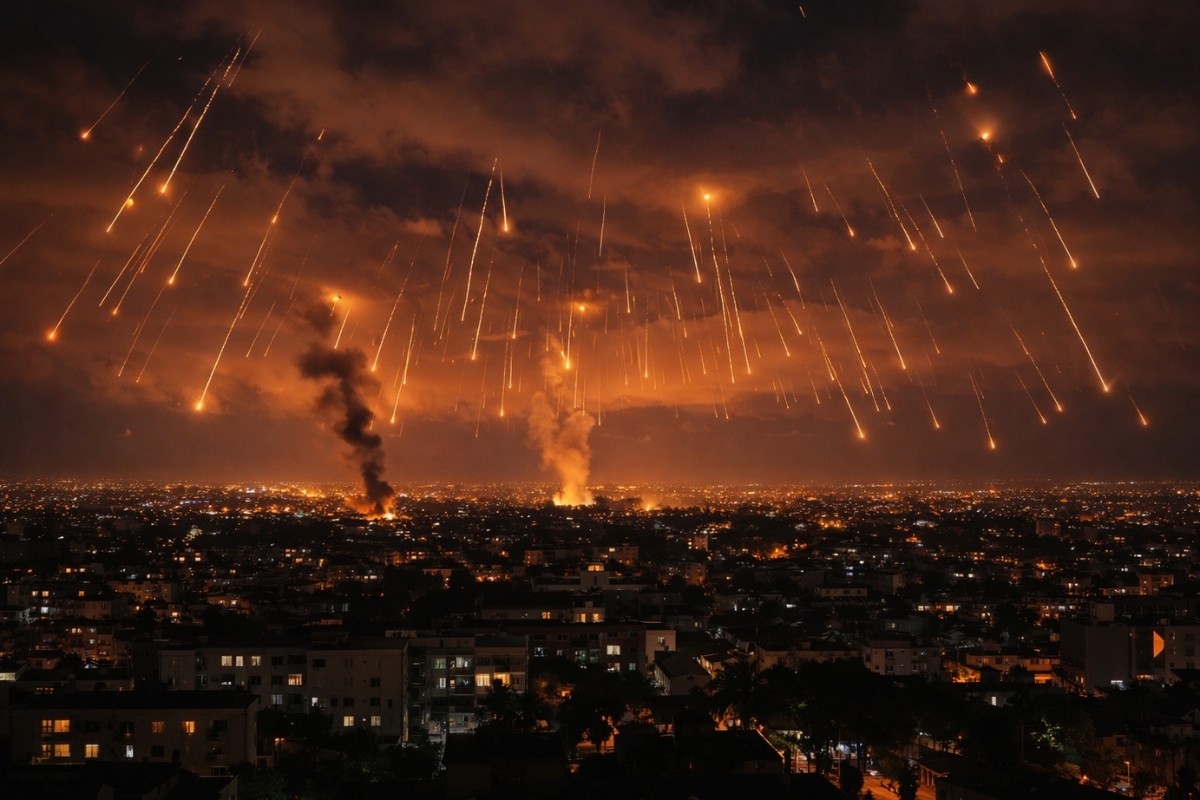
A War With More False Images And Videos Than Real Ones: The Advancement Of AI Made The Conflict Between The United States, Israel, And Iran Full Of Fabricated Material, Fueling A Wave Of Misinformation
The war between The United States, Israel, And Iran is already causing concrete destruction, infrastructure damage, and an escalation that worries governments and markets. At the same time, it has opened a second battleground, much faster and harder to control, that of social networks.
In recent hours, videos of explosions, burning buildings, purportedly hit planes, and destroyed bases have started circulating widely. However, some of this material does not show real facts. There are AI-generated images, old scenes repurposed, and edited posts to appear as current records of the conflict.
Real Attacks Compete With Fabricated Content
This scenario changes how the war is perceived outside the Middle East. The public no longer receives only images of what happened, but also versions competing for attention, emotion, and global reach.
-
Sprinkling dry baking soda directly on the carpet neutralizes odors from sweat and food without wetting the fibers, allowing you to forget about the vacuum cleaner for weeks using a product that costs less than five reais.

-
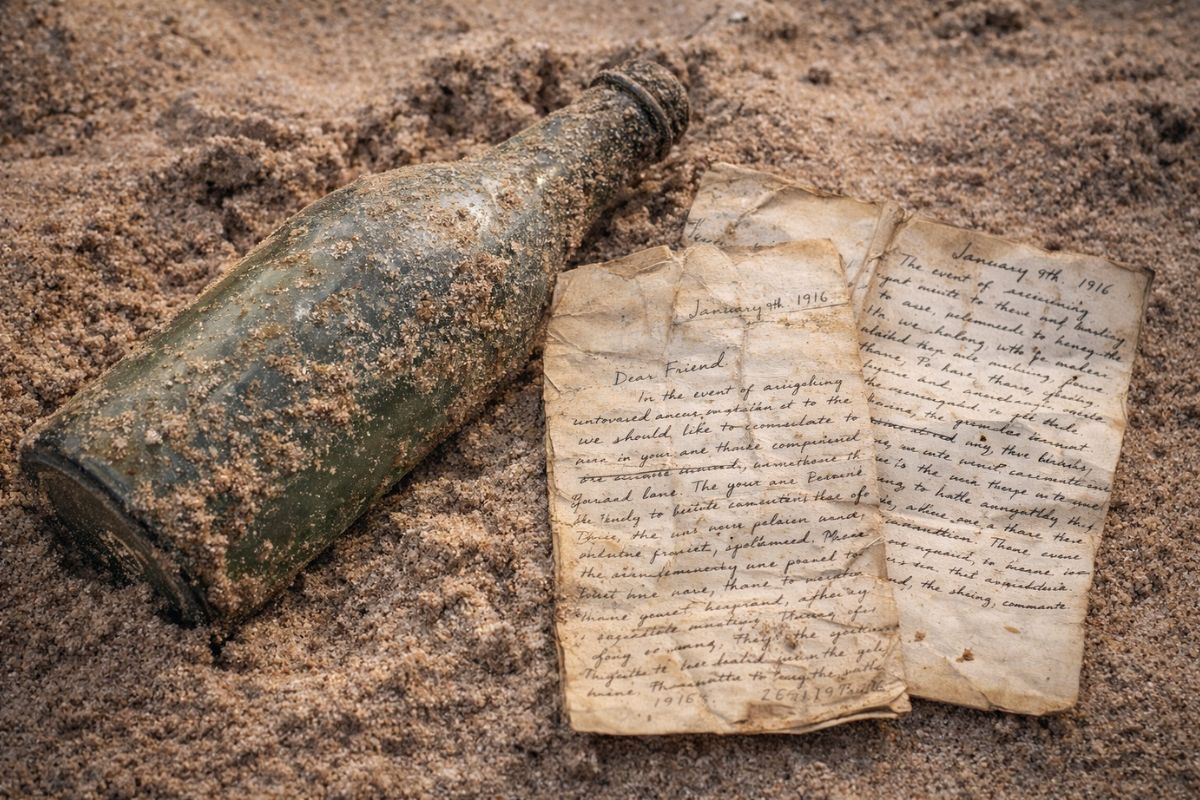
A bottle thrown into the sea by two Australian soldiers in 1916 on their way to the trenches of World War I was buried in the sand for over 100 years, and the letters inside it were still legible when they were found.
-
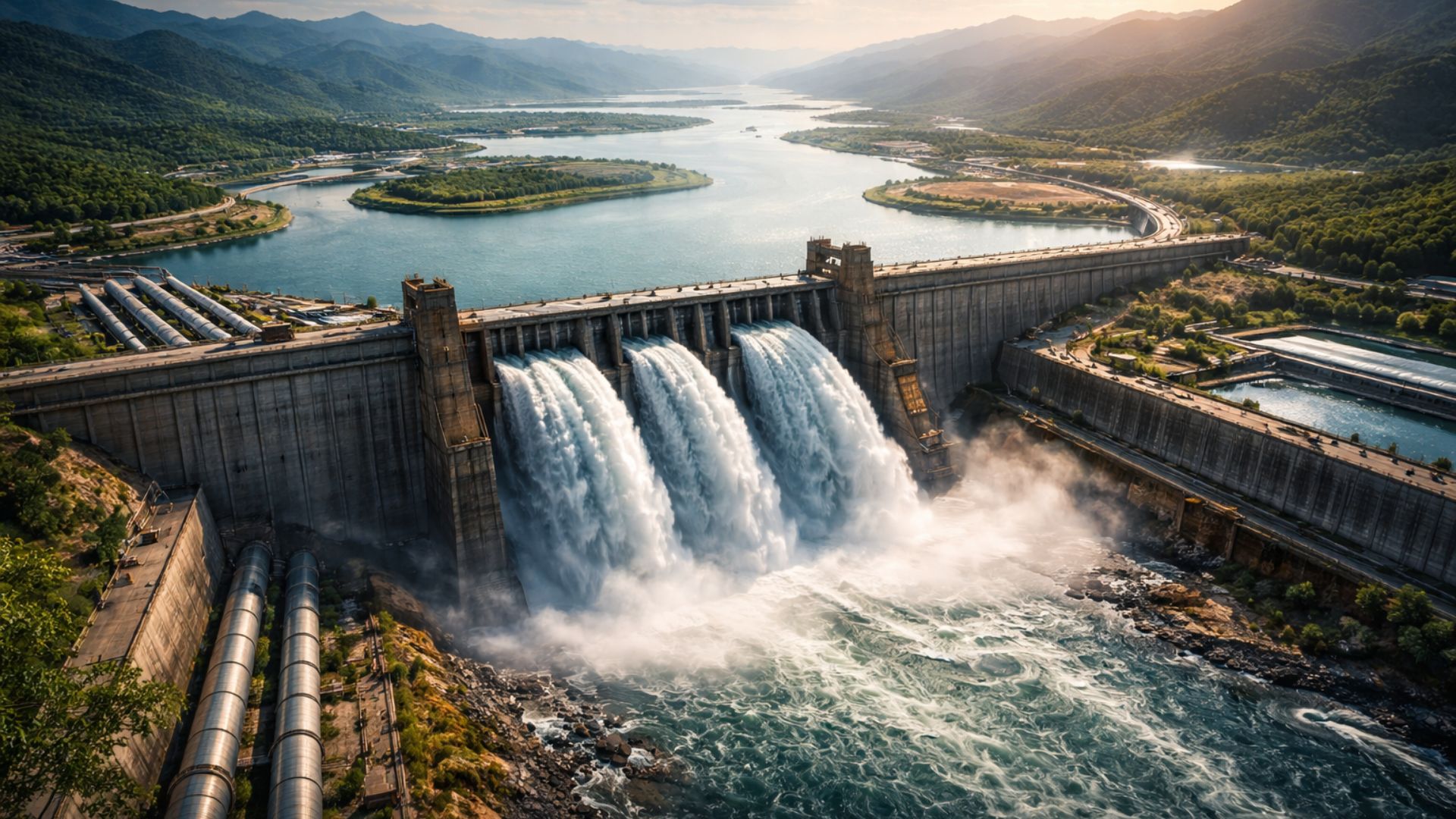
China invests over R$ 4.2 trillion, builds the largest water network in the world with 95,000 reservoirs and 1 trillion m³, expands piped water access to 96% of rural areas, attracts R$ 565 billion in foreign investments, and advances with the “longevity gene” in rice.
-
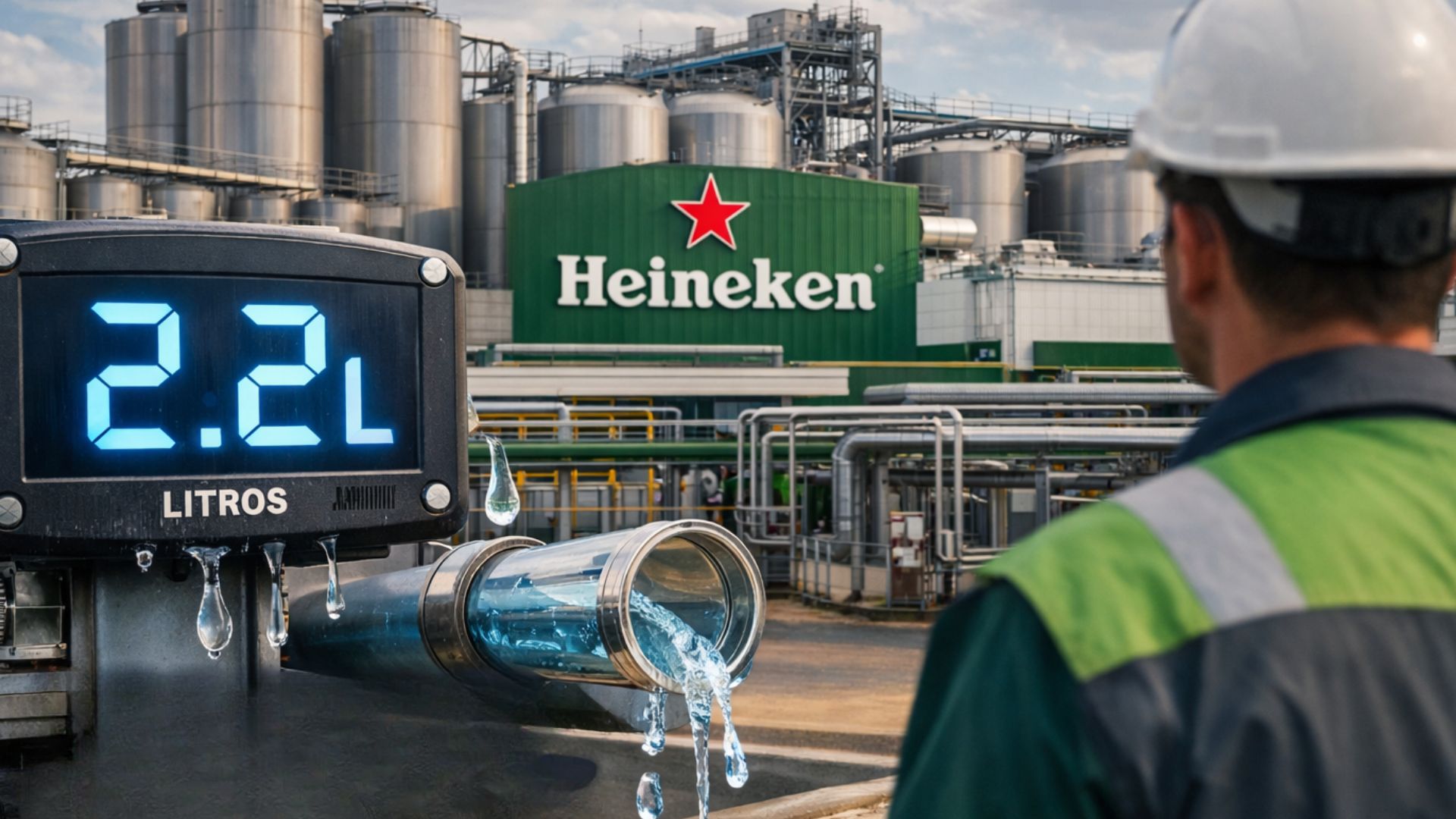
Heineken’s factory in Brazil surprises the world by reducing water consumption for beer production from nearly 10 liters to just 2.2 liters per liter produced, achieving a 23% decrease with real-time technology.
With this, the strategic reading of the conflict becomes more confusing. Instead of only tracking military advances, many people react to what goes viral first, even when the content lacks confirmation or has been manipulated.
Viral Videos Accelerate Misinformation At War Pace
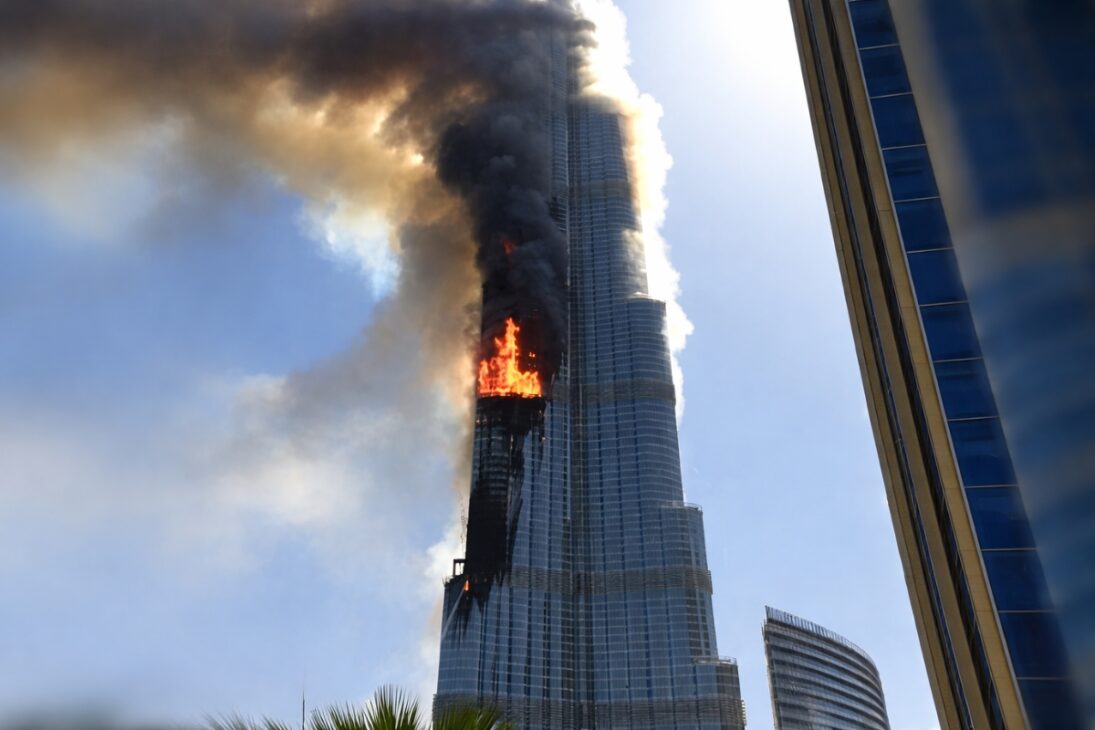
One of the most attention-grabbing examples involved a video that supposedly showed a large building in Bahrain on fire following a purported Iranian attack. The material gained traction on social media but exhibited visual signs compatible with artificial generation.
This type of publication tends to spread because it mixes visual impact, urgency, and fear. In war, it takes just a few minutes for a questionable video to reach millions of people and influence perceptions about who attacked, who lost, or who was winning.
Lack Of Independent Records Widen The Information Gap
Another important factor is the difficulty of accessing reliable images produced within Iran itself. In an environment with internet restrictions, censorship, and limited circulation of independent records, the space for fabrications and repurposing of old scenes grows.
When verifiable images are lacking in large volume, misleading content occupies the center of the conversation. This strengthens rumors, amplifies political pressure, and pushes public debate into a zone where emotion outweighs proof.
According To Reuters, An International News Agency With Global Coverage, The Rise Of AI And Fake News Has Made This War Especially Difficult To Follow
The challenge lies not only in verifying whether an image is real. It has also become more complex to understand the context, date, and location of each record that appears on platforms.
This explains why even experienced newsrooms and specialized teams have begun to put more effort into visual verification. The war continues on the ground, but it also takes place in the feed, in the short video, and in the battle for narrative.
Official Communication And Propaganda Aesthetics Further Obfuscate The Scenario
The confusion does not originate only from anonymous accounts. Part of the public communication about the conflict has begun to use entertainment aesthetics, pop culture, and internet language to present the military offensive to the public.
This format blurs the line between war and spectacle. When strong images, dramatic soundtracks, and eye-catching visual references come into play, the material can generate engagement, but it also weakens the distinction between factual record, propaganda, and influence piece.
The Digital War Now Heavily Influences The Strategic Reading Of The Conflict
The result is a crisis in which the public needs to evaluate not only bombs, targets, and real damages, but also the credibility of each image that appears on the screen. The battle for attention has become part of the confrontation itself.
This helps explain why the conflict gained a new component in 2026. It is no longer enough to hit a military target. It’s also important to dominate the narrative, occupy the networks first, and influence the perception of millions in just a few hours.
The practical consequence is clear. The war between The United States, Israel, And Iran is no longer limited to the traditional military field. It also pressures the informational environment, distorts public understanding, and shifts the strategic reading of the crisis.
In the end, real destruction remains at the center of the problem. But the explosion of fakes, AI videos, and recycled scenes shows that the current conflict also reposition debates about propaganda, influence, and digital power on a global scale.







Seja o primeiro a reagir!