





 Portuguese
  English
  Spanish
  4 min of reading
  1 comment


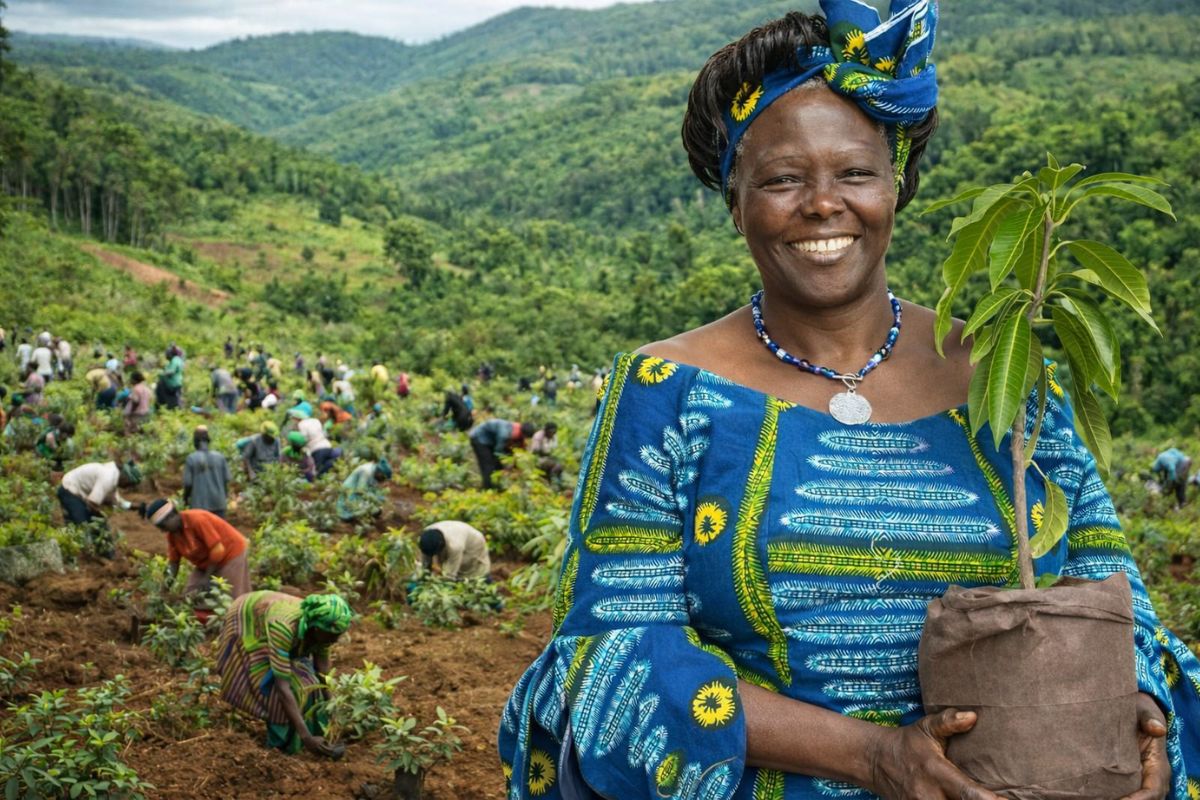


Founded in 1977, the Green Belt Movement of Wangari Maathai united reforestation, rights advocacy, and income generation for Kenyan women, transforming tree planting into a climate adaptation strategy, watershed restoration, and community empowerment, with local impact that gained international recognition over time.
What began as a grassroots initiative, under the auspices of the National Council of Women in Kenya, became an international reference because it addressed multiple fronts at the same time. Over decades, the project associated with millions of trees showed that restoring landscapes and strengthening livelihoods can be a concrete climate strategy for marginalized communities.
How The Green Belt Movement Emerged And Who Was Centered In The Solution

The Green Belt Movement was born with a clear political and social choice: to start from the territory and daily life to respond to an increasing environmental crisis.
-
With a façade that resembles a giant zipper, the building in Milan creates a sense of strangeness, featuring lighting that transforms engineering and attracts the attention of residents and tourists.

-
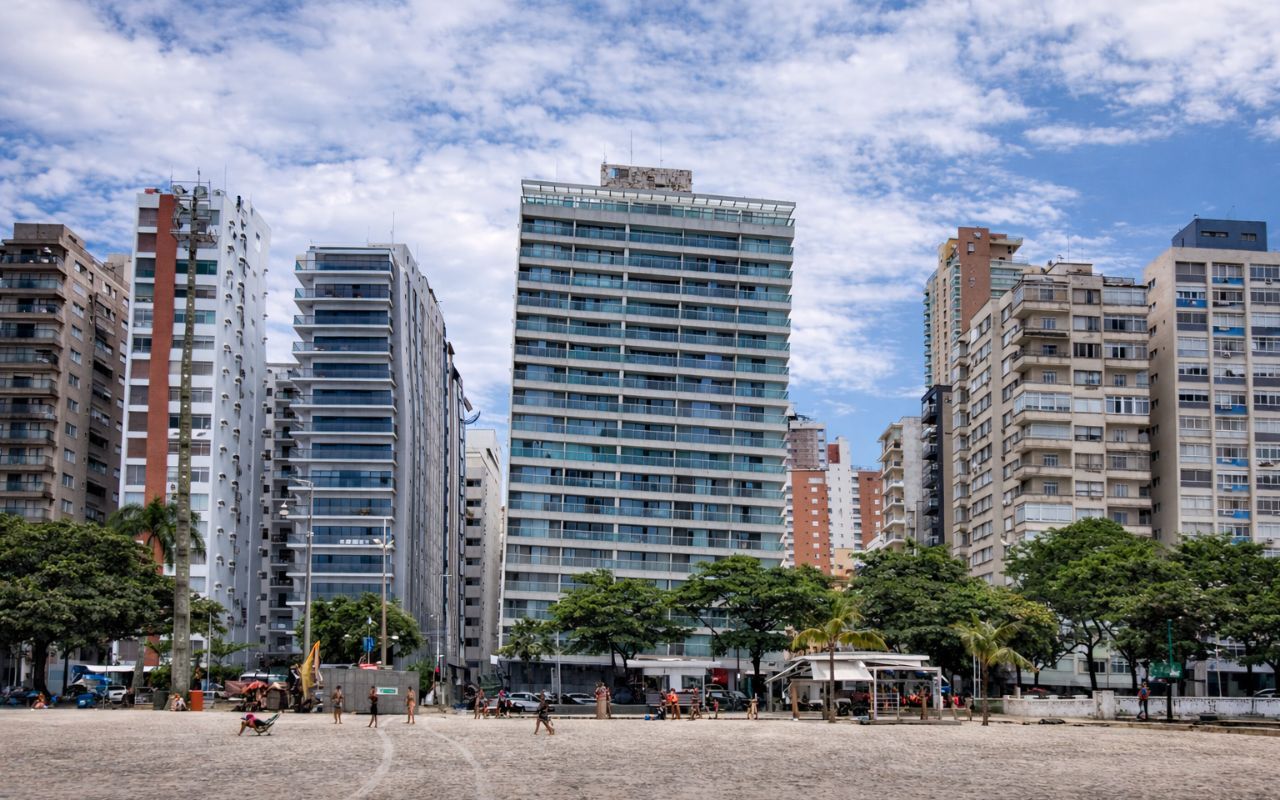
The Brazilian city has 319 crooked buildings built on sandy soil without proper deep foundations, houses the largest beach garden in the world, with over 5 km, and is still considered the birthplace of surfing — meet Santos, in São Paulo.
-
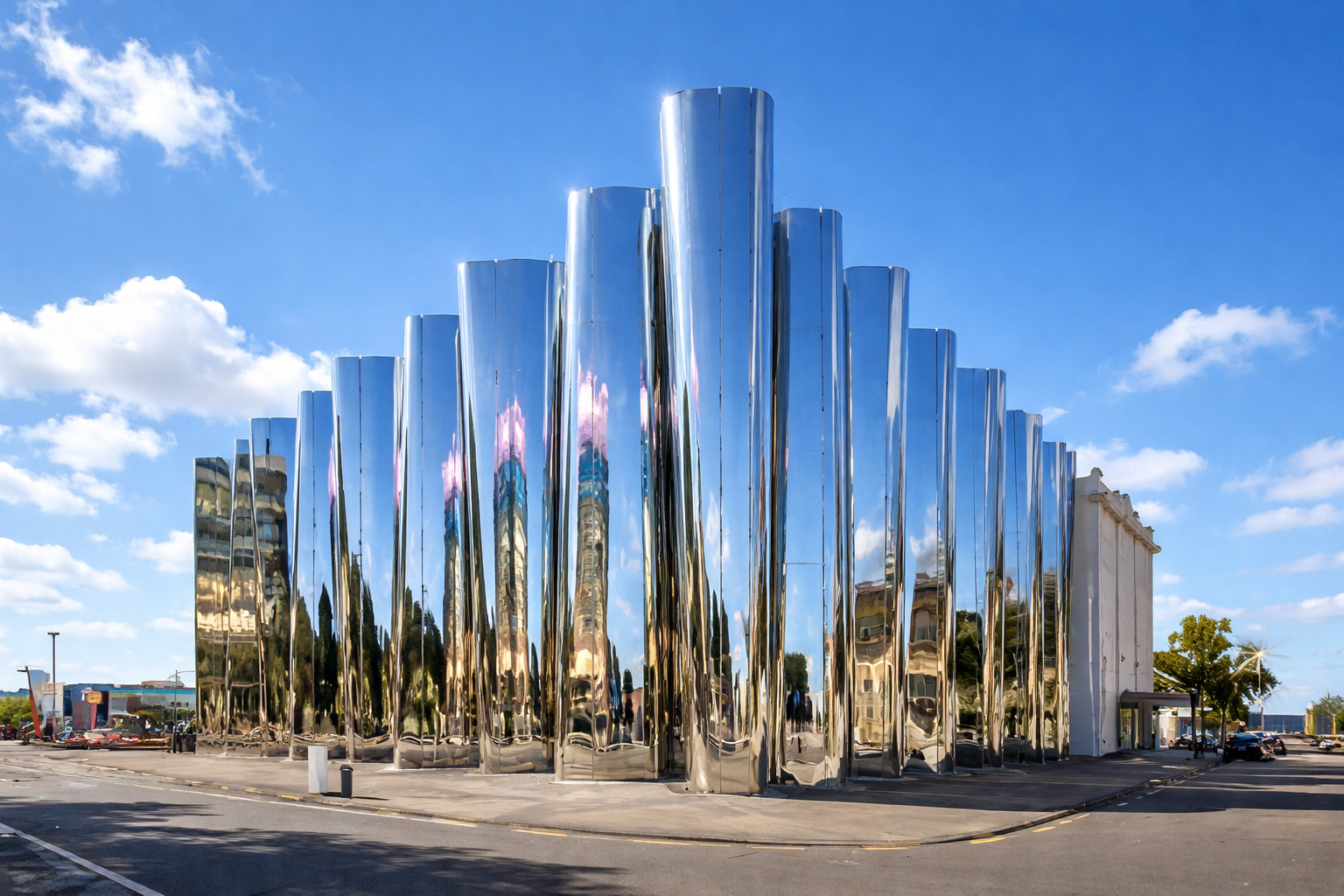
New Zealand builds a shimmering building that vibrates, featuring a 62-seat cinema, moving sculptures, and an environment where sound, light, and energy are felt in the body.
-
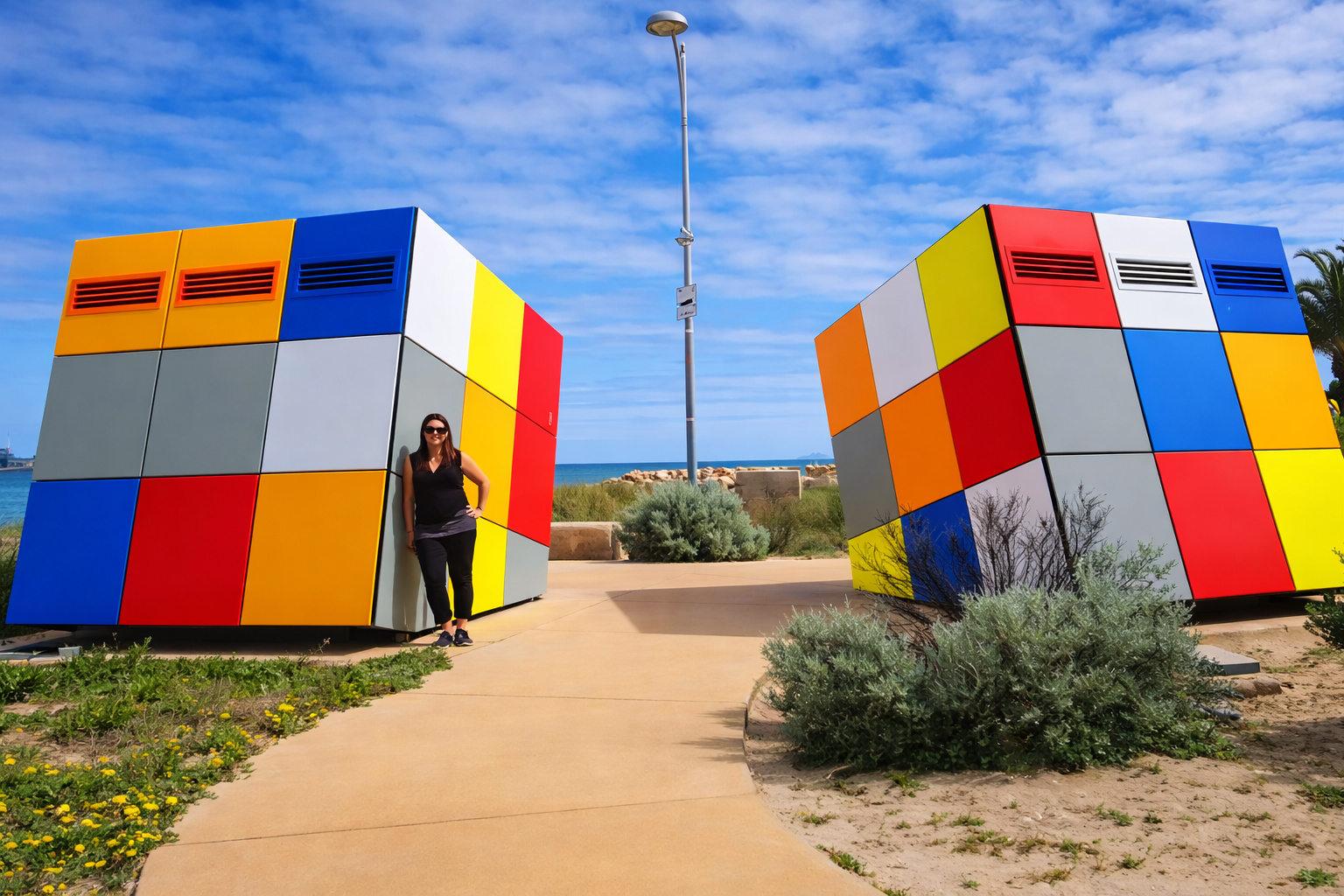
Two colored cubes of 2.5 m transform a public bathroom into a selfie spot in Western Australia, costing up to 75% less than traditional construction and helping to reduce vandalism in public spaces.

Wangari Maathai, already internationally recognized for her journey, structured an organization focused on conservation and improving livelihoods, especially among women, connecting environmental care and economic autonomy in the same agenda. The tree ceased to be a symbol and became a method.
From the beginning, the proposal was not limited to reforestation. The action incorporated values such as volunteerism, responsibility, transparency, and honesty, as well as individual and community empowerment. This organizational design helped explain why the initiative exceeded the format of a one-off campaign and evolved into a continuous model of local mobilization with national impact.
How Much Impact Can Be Held In A Tree When The Goal Is Climate And Income

When we talk about millions of trees, confirmed as a hallmark of the project’s trajectory, the most visible effect is usually environmental.
But the real reach is broader: planting, in practice, also supports income generation, reinforces community networks, and improves families’ relationship with essential natural resources. The scale matters, but the social design matters even more.
In technical terms, the Green Belt Movement associated planting with actions for adaptation and mitigation of climate change, restoration of degraded areas, and protection of watersheds, as well as rainwater harvesting.
This creates a logic of resilience: reducing vulnerabilities now while preparing the territory for more intense climatic events in the future.
Where Transformation Appears In Kenya And Why It Gained Global Dimension

In rural and peri-urban Kenyan spaces, transformation appears in layers. First, in the recovery of vegetation cover in areas pressured by degradation.
Then, in community reorganization around practical goals, with active participation of women in driving solutions. Environmental change begins to be perceived in daily life, not just in reports or speeches.
This local rooting explains the international projection of the case. The model responds to concrete needs of the territory while also engaging with global challenges of climate, water, and livelihood security.
It is not a magical or automatic format: it depends on continuity, governance, and genuine social participation. Still, it shows how grassroots policies can produce long-term results.
Why Wangari Maathai Remains A Reference In The Climate Debate
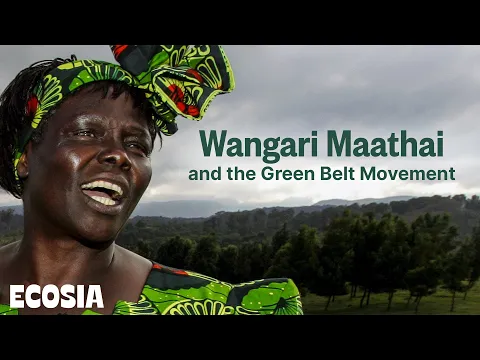

The strength of Wangari Maathai’s legacy lies in the integration of agendas that for a long time were treated separately: environmental conservation, gender equality, and community development. Instead of prioritizing hierarchies, the movement adopted a multifaceted approach, where each front reinforces the other. This integration is the core of the model’s effectiveness.
There is also a powerful pedagogical component: the project translates complex themes, such as climate resilience and carbon sequestration, into understandable and actionable steps for communities.
This reduces the distance between environmental policy and real life, and helps explain why the Green Belt Movement established itself as a reference when it comes to transforming climate urgency into consistent social practice.
The trajectory of Wangari Maathai shows that addressing climate change does not only begin in large international forums, but in local decisions that combine nature, income, and community organization.
The case of Kenya reinforces that reforestation can also be a strategy for social justice, as long as there is participation, continuity, and public commitment.
Thinking about your reality, what would be the degraded area of your city or region that most needs a similar community project, and what obstacle weighs the most for it to happen today: funding, local mobilization, public support, or access to water?







PROJETO DE GRANDE VALOR, COMECEI A CONHECER MELHOR ESSE PROJETO AGORA EM 2026, LECIONO A DISCIPLINA “ESCOLAS DAS ADOLESCÊNCIAS” E UMA DAS PROSTAS É A BIOGRAFIA DE WANGARI MAATHAI E O SEU PROJETO CINTURÃO VERDE. GOSTEI DO ARTIGO, OBRIGADO.