





 Portuguese
  English
  Spanish
  3 min of reading
  0 comments


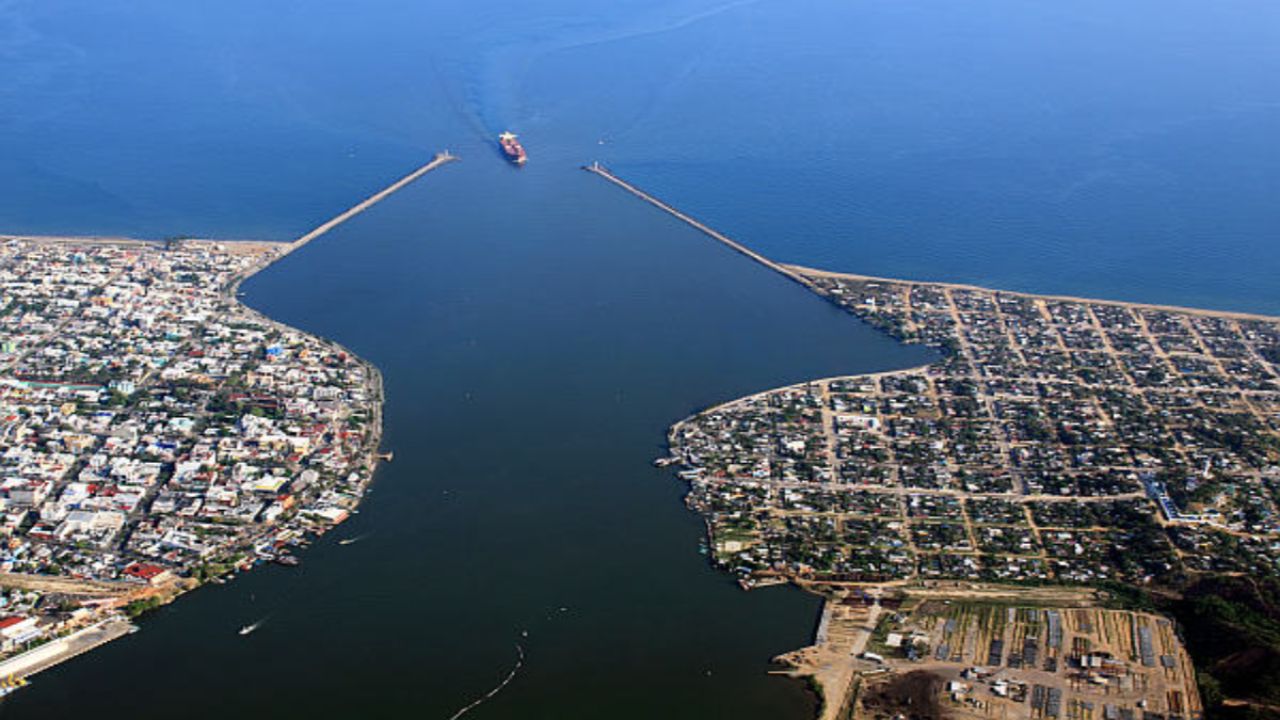
Mexico Launches 300 Km Interoceanic Railway Connecting Pacific and Atlantic in 72 Hours, Challenges Panama Canal, Attracts Companies Like Hyundai and Promises Up to 50,000 Jobs
A new logistics route is changing the game in international trade. While the Panama Canal faces growing queues and restrictions imposed by the water crisis, Mexico bets on a bold alternative: a 300 km railway corridor that connects the Pacific and Atlantic Oceans in just 72 hours.
The project, named the Interoceanic Corridor of the Tehuantepec Isthmus (CIIT), has already attracted global giants like Hyundai and promises to reshape the trade map in Latin America.
A Project to Respond to the Global Logistics Crisis
The Panama Canal, inaugurated in 1914, has always been considered vital for the global economy. However, draft limitations, prolonged droughts, and the increasing size of ships have reduced its efficiency.
-
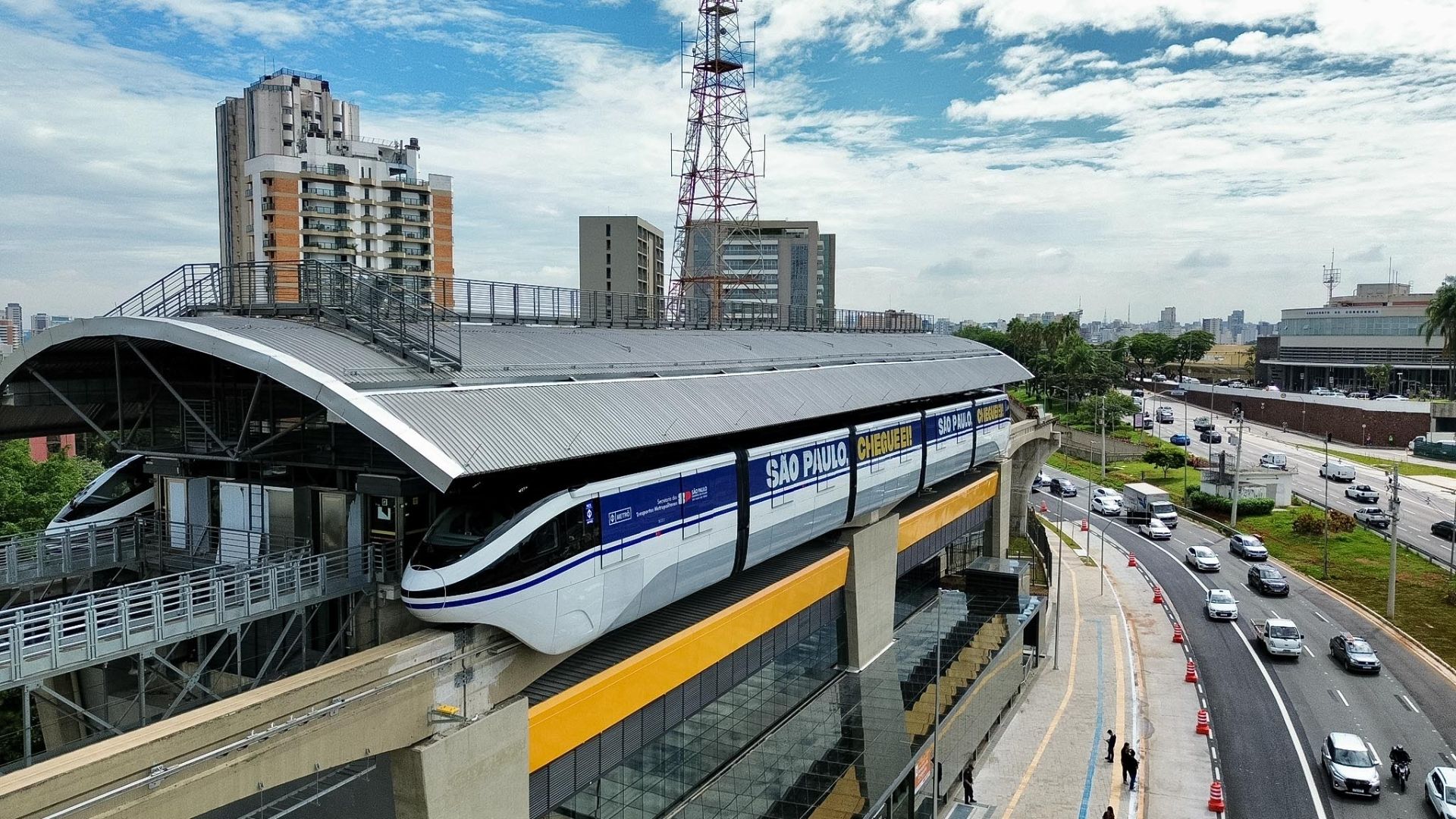
Congonhas receives the monorail promised for the 2014 World Cup after more than a decade of delays and becomes the first airport in Brazil with integrated subway.
-
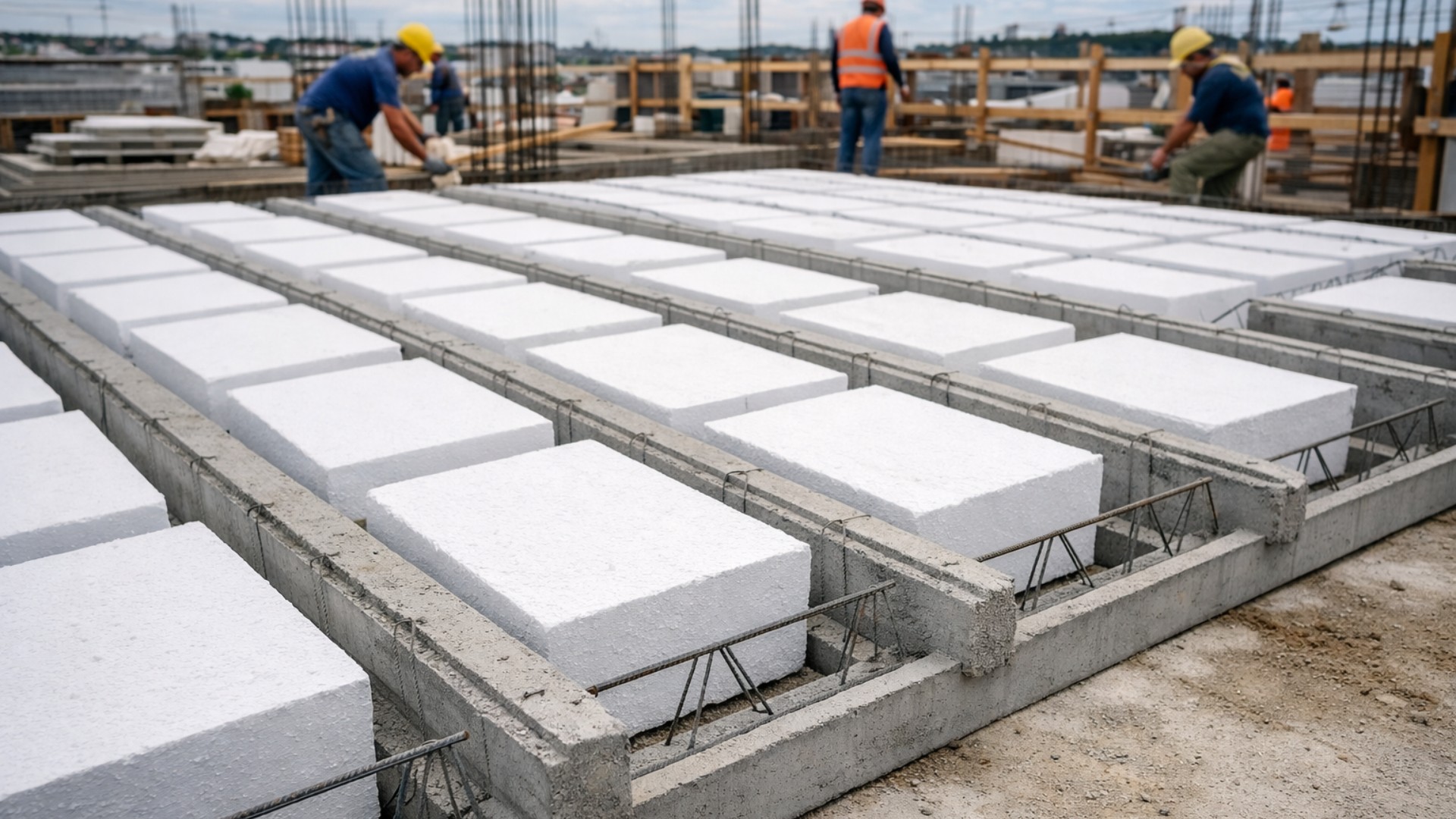
Goodbye, concrete: a new trend in civil construction reduces the weight of the structure by up to 30%, accelerates projects by up to 40%, cuts costs on steel and labor, and improves thermal insulation with EPS.
-
Russian engineers create an innovative propeller blade for aircraft that could completely change the way airplanes and helicopters operate.

-
Couple finishes building PVC chalet on the beach on the last day, with air conditioning and curtains, but discovers the bathroom drain is inverted: water escapes from the drain, risking breaking the floor, and the rush continues before the trip.


Ships can wait weeks to cross the route, driving up costs and delaying deliveries.
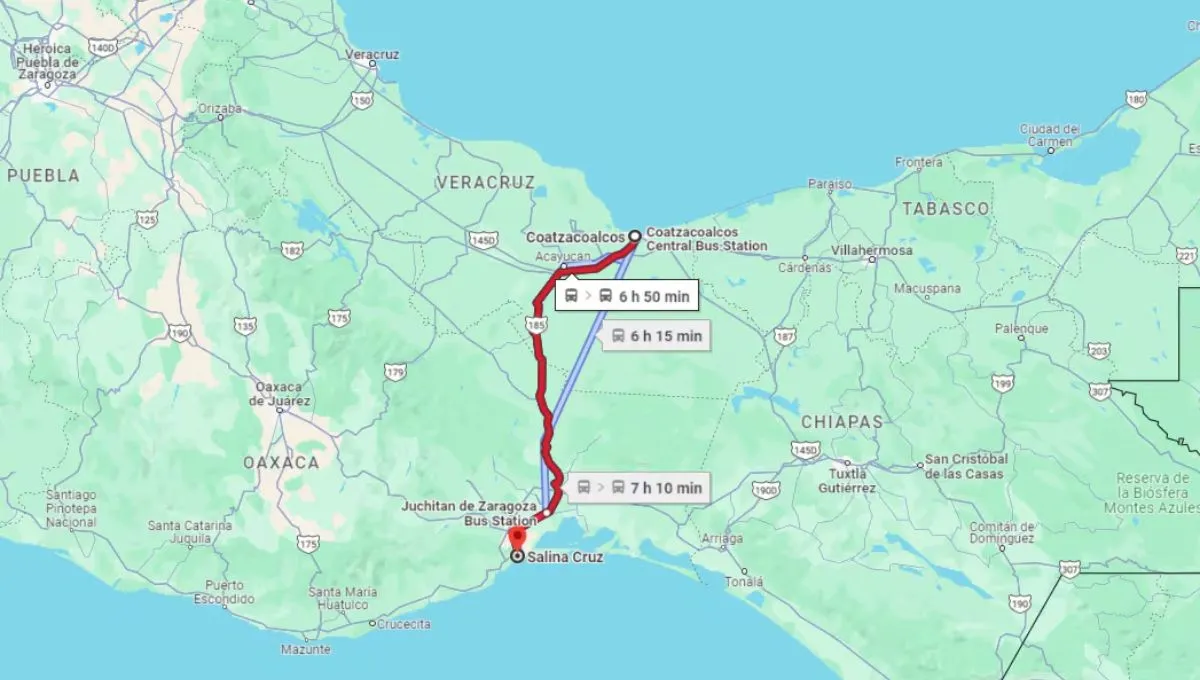
It was against this backdrop that the Mexican government decided to accelerate the CIIT. The railway connects the port of Salina Cruz on the Pacific with Coatzacoalcos on the Gulf of Mexico, creating a land bridge between oceans.
The expectation is that the entire modernization of the line will be completed by the first half of 2026, but part of it is already in operation.
In April 2025, a large-scale test demonstrated the potential of the initiative: 900 Hyundai vehicles were transported in just three days, drastically reducing the time compared to the 15 to 20 days needed to cross Panama with the same cargo.
Technology, Investments, and Social Impacts
The corridor is not just a faster route. It also represents a geopolitical reconfiguration.
According to The Logistics World, the CIIT could transform the Tehuantepec Isthmus into a new strategic hub for companies looking to move production between Asian and North American markets.
Hyundai, the sixth-largest automaker in the world, has already signaled concrete support for the project and is studying the expansion of its operations in the region.
This movement could attract global suppliers and create an industrial network around the railway.
Additionally, the social impact is significant. Estimates from the Mexican government point to the creation of up to 50,000 direct and indirect jobs, particularly in areas with high poverty rates.
The plan also includes the establishment of ten industrial hubs along the railway, with tax incentives to attract new factories.
Mexico Gains Space While Panama Faces Limits
The Mexican bet is strengthening at a time when Panama is dealing with severe traffic restrictions due to a lack of rainfall and rising operational costs.
While the Panamanian route loses competitiveness, the land corridor presents itself as a modern, resilient solution with lower climate vulnerability.
It’s worth noting that the idea of connecting oceans by land is not new. Similar attempts had been considered in the past, but now find fertile ground amid the instability of global supply chains and trade wars between major powers.
Unlike unfeasible projects like the Nicaragua Canal, the CIIT has a clear schedule, secured investments, and has already begun delivering practical results.
Reflections for Latin America and Brazil
For Brazil, the largest economy in the region, the creation of a new interoceanic route could open strategic opportunities.
Exports made through the ports of the North and Northeast could gain faster alternatives to reach the Asian market, especially if there’s future integration between Latin American logistics systems.
In a scenario of trade disputes and the quest for safer supply chains, the Mexican railway presents itself not only as a national project but as a key element in the reorganization of global logistics.









Seja o primeiro a reagir!