





 Portuguese
  English
  Spanish
  5 min of reading
  0 comments


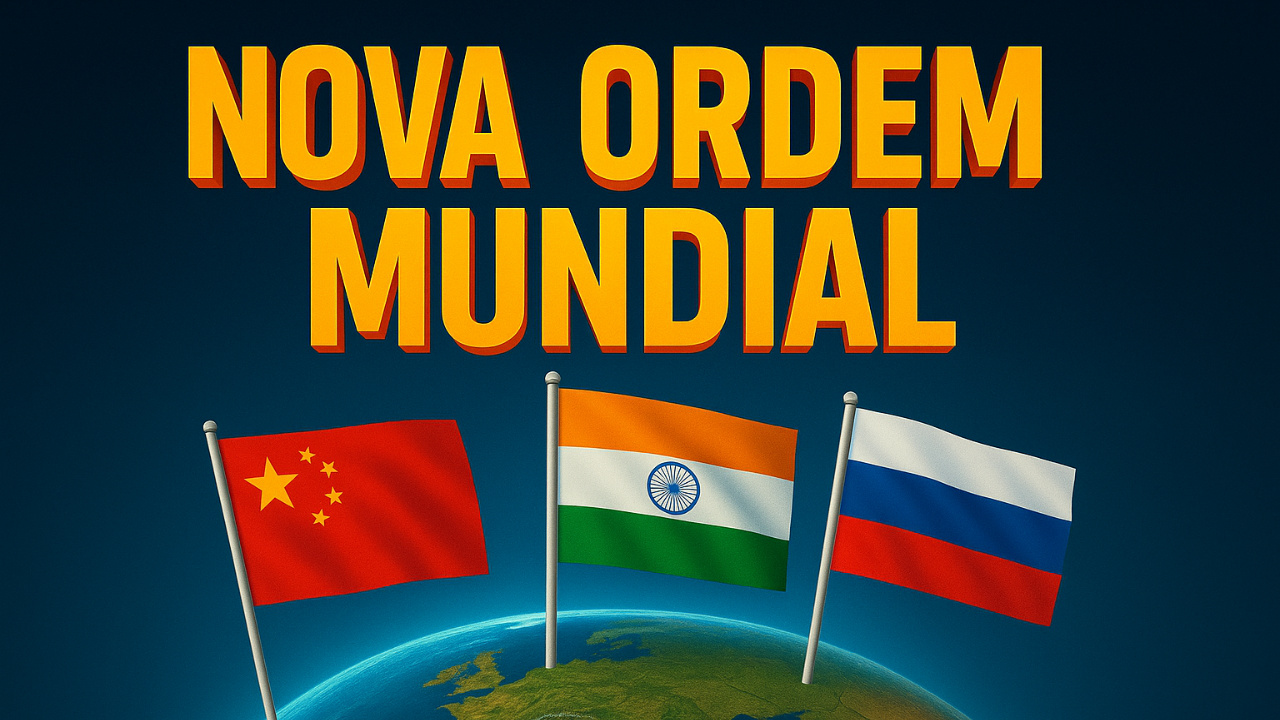
China, India and Russia Strengthen Strategic Ties Amid Trade Tensions with the U.S. Xi Jinping Presents Global Governance Proposal During Summit in Tianjin, with Support from Vladimir Putin and Narendra Modi.
The international scenario is experiencing a period of instability, marked by trade wars, regional tensions, and disputes for political influence. In this context, China, India, and Russia emerge as protagonists of a movement that could reshape global governance, as reported by Agência Brasil on this first of September.
During the 24th summit of the Shanghai Cooperation Organization (SCO), held in Tianjin, Chinese President Xi Jinping presented the Global Governance Initiative (GGI), interpreted by experts as a precursor to a new world order.
With the presence of leaders like Vladimir Putin and Narendra Modi, the proposal aims to challenge hegemonism and unilateralism that, according to Xi, threaten international stability.
-
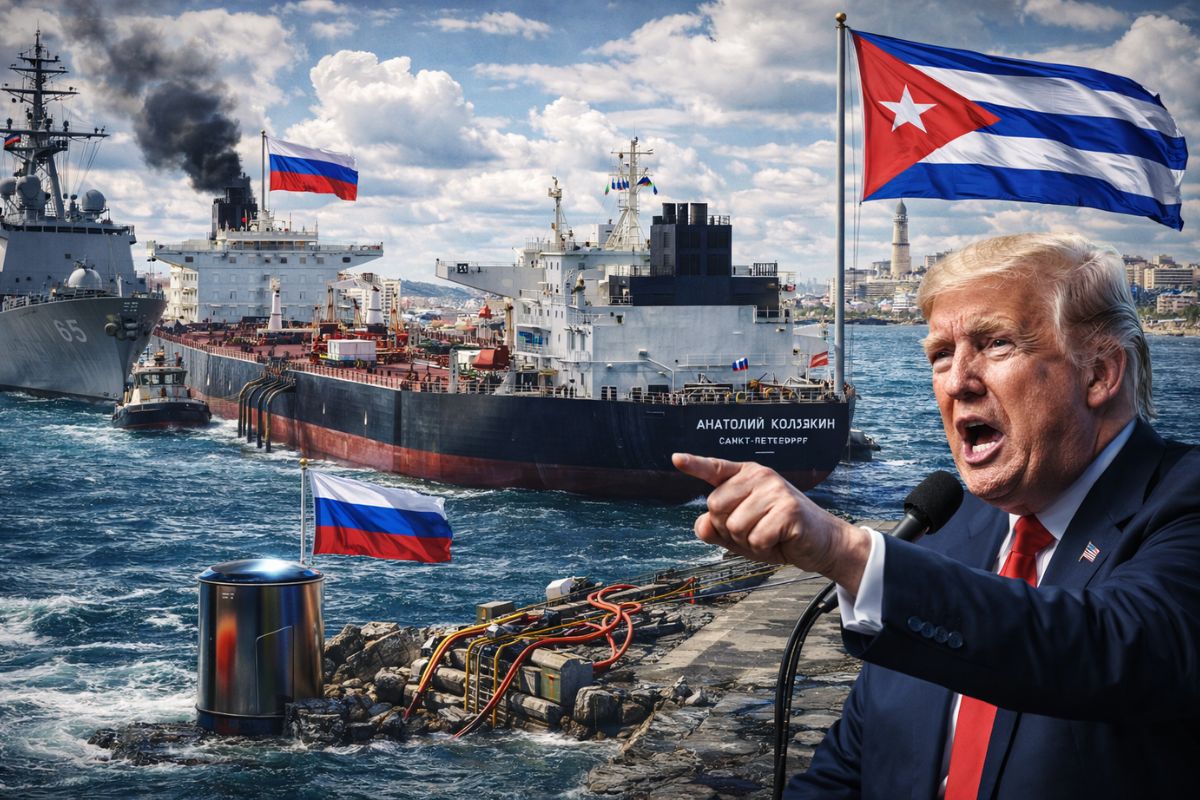
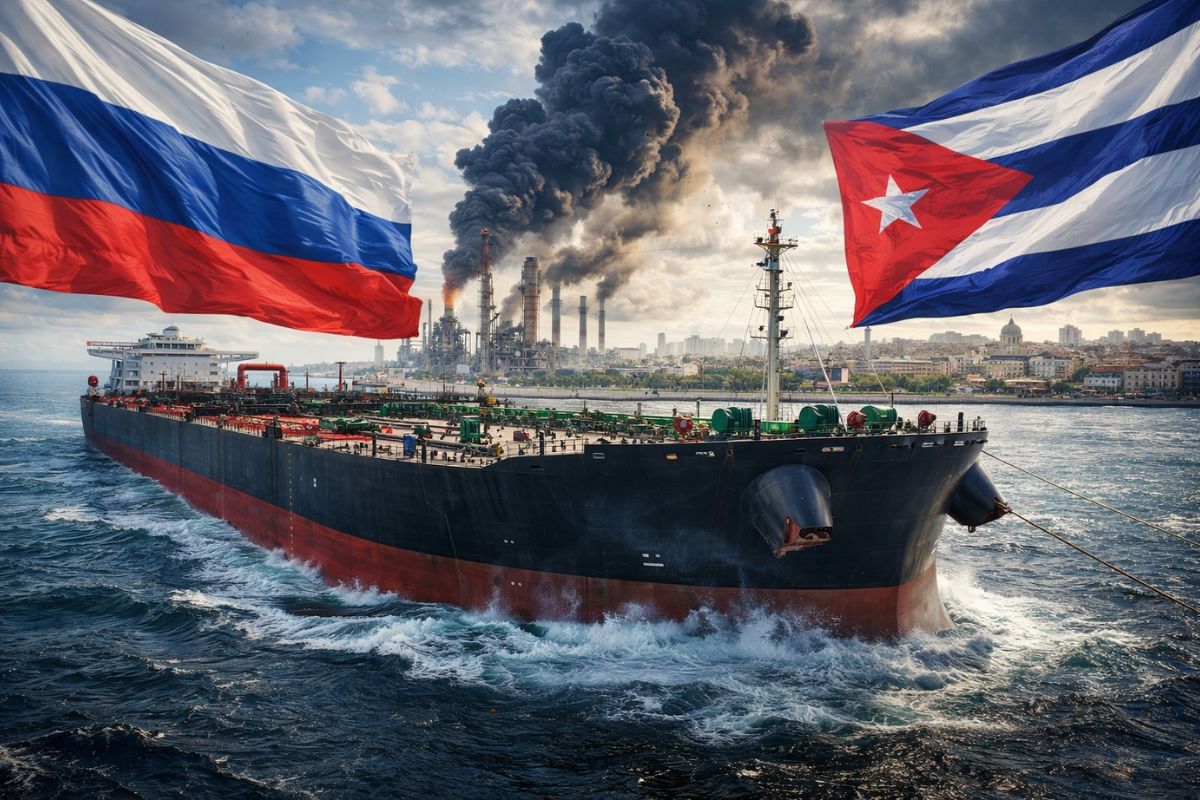
Russia has broken the U.S. maritime blockade to send oil to Cuba and is now loading a second ship while Trump says that “Cuba is next” in a possible military action against the island.
-
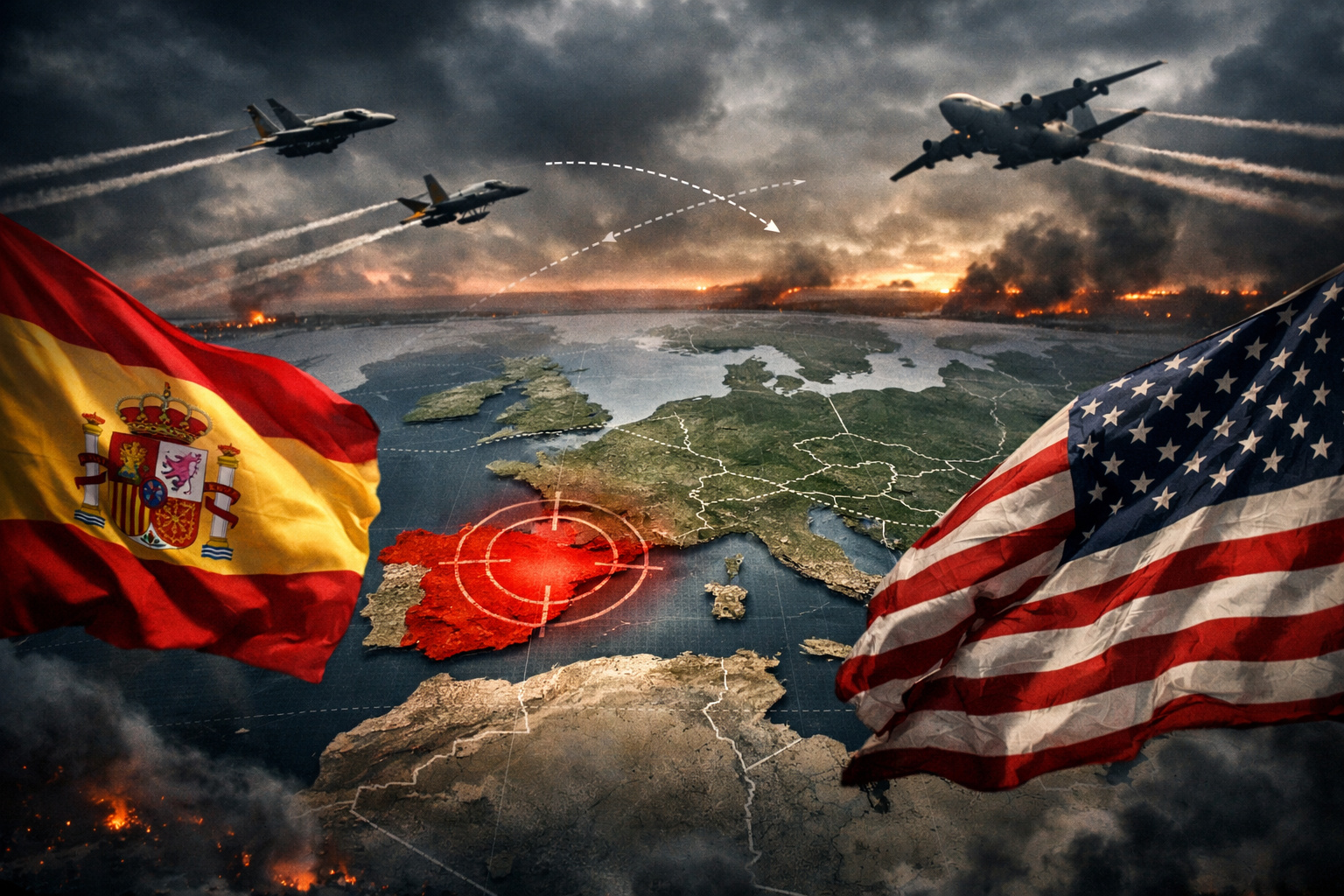
Spain challenges the USA and closes its airspace for operations against Iran, raising global tension and provoking the threat of a trade rupture.
-
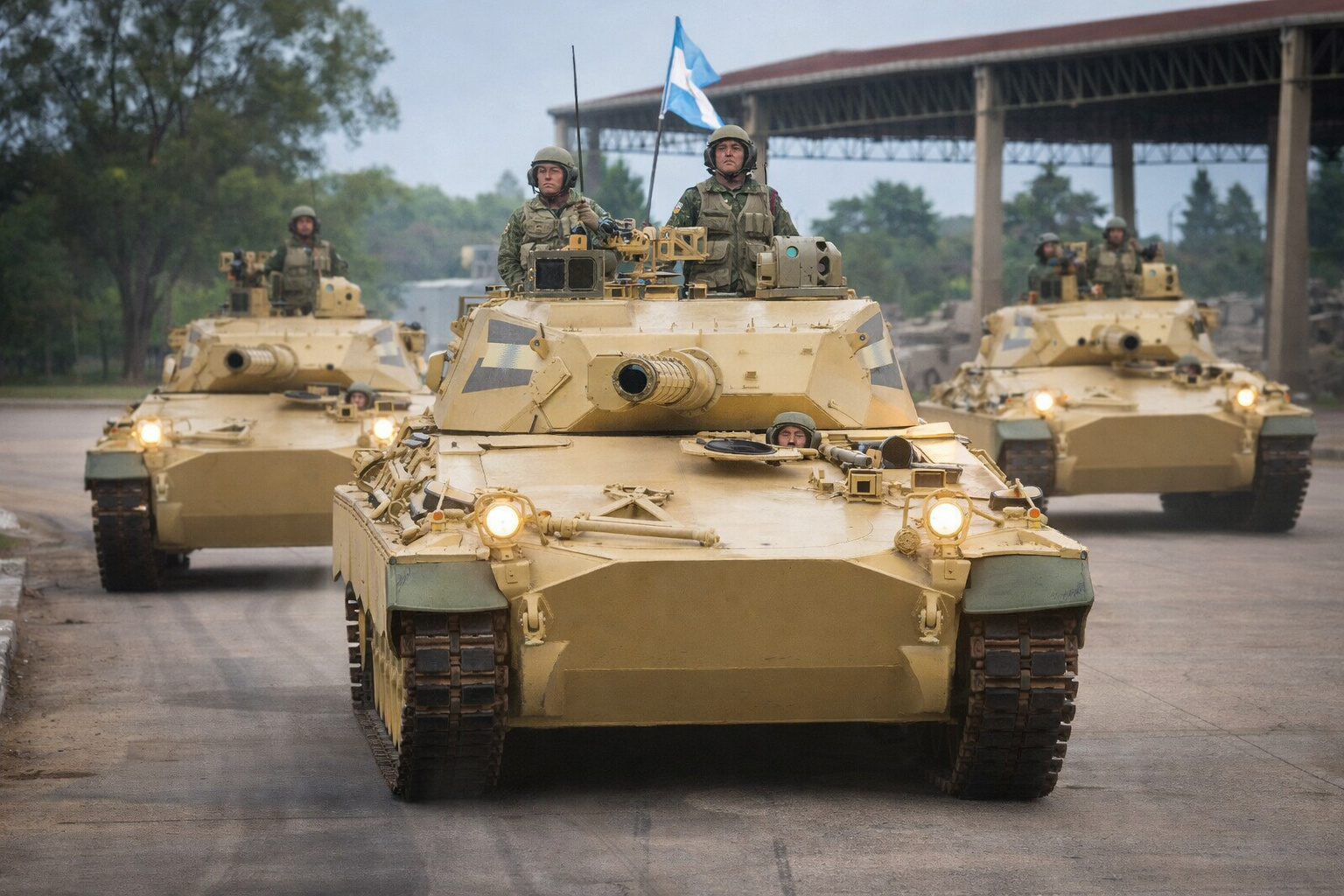
While no other country manufactures tanks in Latin America, Argentina activates the TAM 2C-A2 and raises a curiosity about the technological lag in the region.
-
A Russian ship with 730,000 barrels of oil has just arrived in Cuba while Mexico negotiates fuel sales through private companies: the communist island is desperately seeking alternatives after losing its supply from Venezuela due to American military action.
China Launches Global Governance Proposal Based on Five Principles
During his official speech, the President of China stated that the planet is going through “a new period of turbulence and transformation” and that global governance has reached a historic crossroads. Xi Jinping defended five fundamental principles:
- Sovereign equality among states.
- Respect for international law.
- Practice of multilateralism.
- People-centered approach.
- Adoption of concrete measures for real results.
According to Xi, “all countries, regardless of size, strength, or wealth, must be equal participants, decision-makers, and beneficiaries in global governance.”
India Between U.S. Pressure and Closer Ties with China
India, led by Narendra Modi, has become a key player in this diplomatic machinery. Pressured by the United States to halt the purchase of Russian oil, New Delhi has sought alternatives to protect its economic interests.
The Trump administration imposed tariffs of 50% on Indian products, which intensified the search for new strategic partners.
Modi traveled to China for the first time in seven years, a gesture signaling the desire for rapprochement between the two Asian giants, historically marked by border tensions and regional disputes.
In Tianjin, Modi was seen hand in hand with Putin and Xi, sending a clear message of unity.
Russia Supports Chinese Initiative and Seeks to Strengthen SCO Role
The President of Russia, Vladimir Putin, highlighted that at least a dozen countries have already expressed interest in joining the Shanghai Cooperation Organization. For the Russian leader, this demonstrates the growing relevance of the bloc.
“Russia supports Xi Jinping’s initiative and is interested in starting specific discussions on the proposals presented by China. I believe that it is the SCO that could take on a leadership role in efforts to shape a fairer global governance system,” Putin declared.
Strategic Cooperation Gains Strength Amid U.S. Tariffs
The trade war waged by the United States against adversaries and allies has acted as a catalyst to bring China, India, and Russia closer together. Xi Jinping harshly criticized unilateralism, a practice intensified during the Trump administration, which adopted measures without consulting international partners.
The Chinese leader advocated for building global governance based on “broad consultation, joint contribution, and shared benefits,” emphasizing that the world needs integration, not division.
The Importance of the Belt and Road Initiative
One of the key points highlighted by Xi Jinping was the continuation of the Belt and Road Initiative, a project that connects China to different continents through investment in infrastructure and trade.
For Beijing, this is one of the paths to promote inclusive globalization, in opposition to the economic barriers raised by Washington.
Xi also announced a financial aid package of US$ 280 million to SCO members, in addition to an additional loan of 10 billion yuan destined for the bloc’s banks. The proposal reinforces China’s economic leadership in the multilateral landscape.
India and Russia Expand Bilateral Cooperation
In parallel to multilateral discussions, Narendra Modi and Vladimir Putin took advantage of the meeting to deepen bilateral partnerships. The Indian Prime Minister highlighted, on social media, the importance of the strategic relationship with Moscow, which involves trade, fertilizers, security, culture, and even space cooperation.
According to Modi, “our Special Privileged Strategic Partnership continues to be the most important pillar of regional and global stability.” His words show that, despite external pressures, India intends to maintain its closeness to Russia, especially in the energy context.
China and India Rehearse Historic Reconciliation
Although they have a history of territorial disputes, China and India have been signaling a willingness to improve their diplomatic relations.
The Ministry of Foreign Affairs of Beijing stated that the meeting between Xi and Modi represents a “continuation of a process of improvement in relations that began in Kazan during the 2024 BRICS summit.”
According to the official statement, the bilateral relationship has returned to a positive trajectory, with advancements such as maintaining peace along borders and resuming direct flights between the two countries. “India and China are partners, not rivals. Our consensus far exceeds our disagreements,” stated Chinese diplomacy.
The Symbolic Weight of the Meeting in Tianjin
The SCO summit took place just before the celebration of the 80th anniversary of the Chinese victory against Japanese aggression and the end of World War II, an event that featured 50 international leaders in a military parade. The symbolism of the date reinforced Xi Jinping’s narrative that the world needs cooperation to overcome moments of crisis and avoid repeating past mistakes.
Impacts on the Global Geopolitical Chessboard
The rapprochement between China, India, and Russia has the potential to reconfigure international relations. On one side, the United States insists on imposing trade and political barriers; on the other, the bloc led by Beijing seeks to strengthen alternatives for multilateral governance.
In addition to economic and military initiatives, the SCO is also discussing cooperation in areas such as artificial intelligence, green energy, and combating drug trafficking, showing that the goal goes beyond traditional geopolitics.







-

Uma pessoa reagiu a isso.