





 Portuguese
  English
  Spanish
  2 min of reading
  0 comments


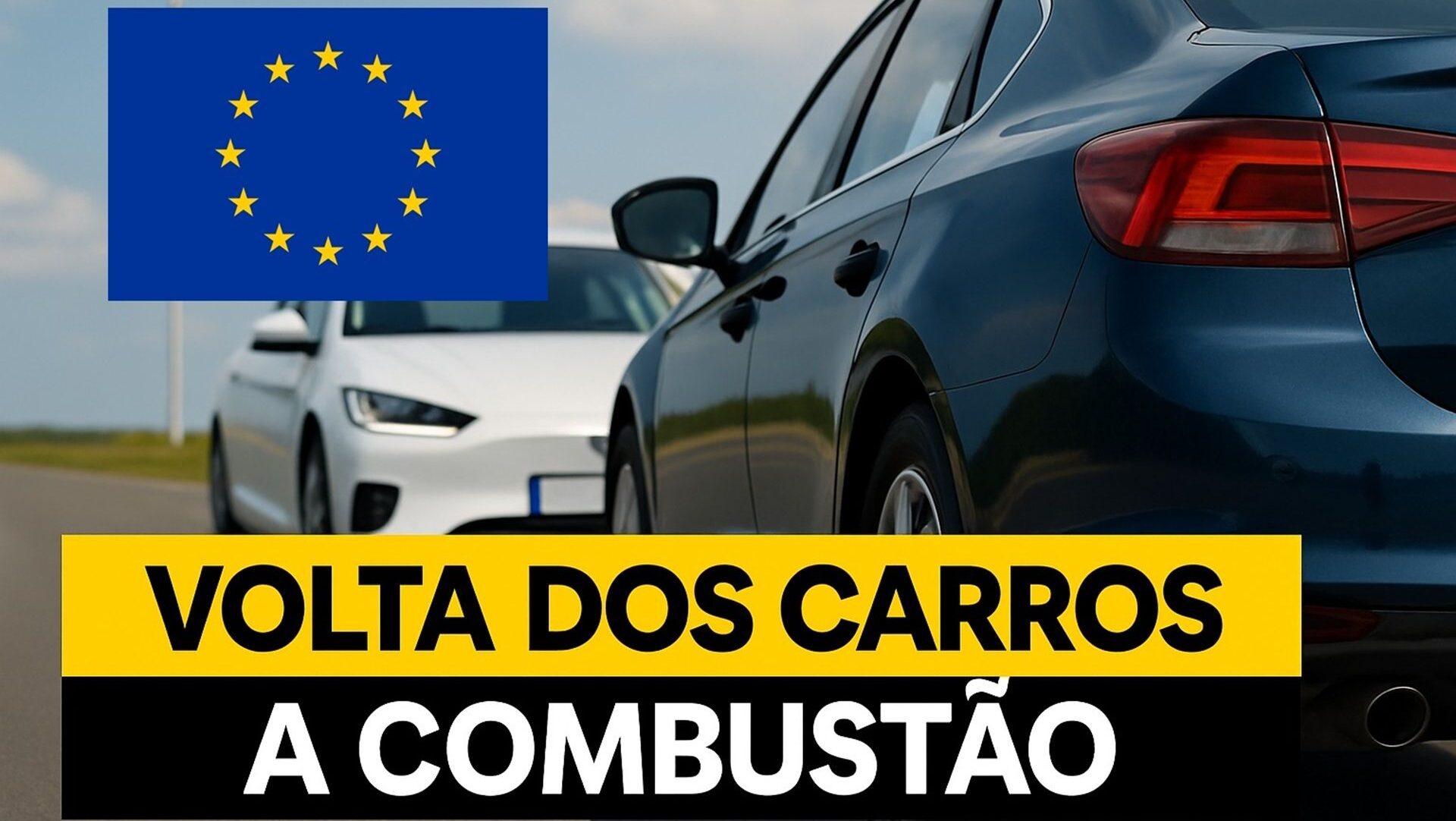
The European Union Evaluates Revising The Target That Foresaw Banning Internal Combustion Engines By 2035 Because Electric Vehicle Sales Fell Below Expected And After Pressure From The German Government To Consider New Technologies In Regulation
The European Union is analyzing changing the target that foresaw eliminating the sale of vehicles with internal combustion engines by 2035, because electric vehicles did not achieve the estimated market share, and after political pressure from the German government on the issue.
The government of Chancellor Friedrich Merz sent a letter to the President of the European Commission asking the institution to reassess the impact of the rule and consider more efficient internal combustion engines, broadening the debate on future emissions allowed in the automotive sector.
The response came from European Commissioner for Transport, Apostolos Tzitzikostas, who stated that the Commission would be open to all technologies and would include zero–emission or low-emission fuels, in the construction of the new regulation.
-
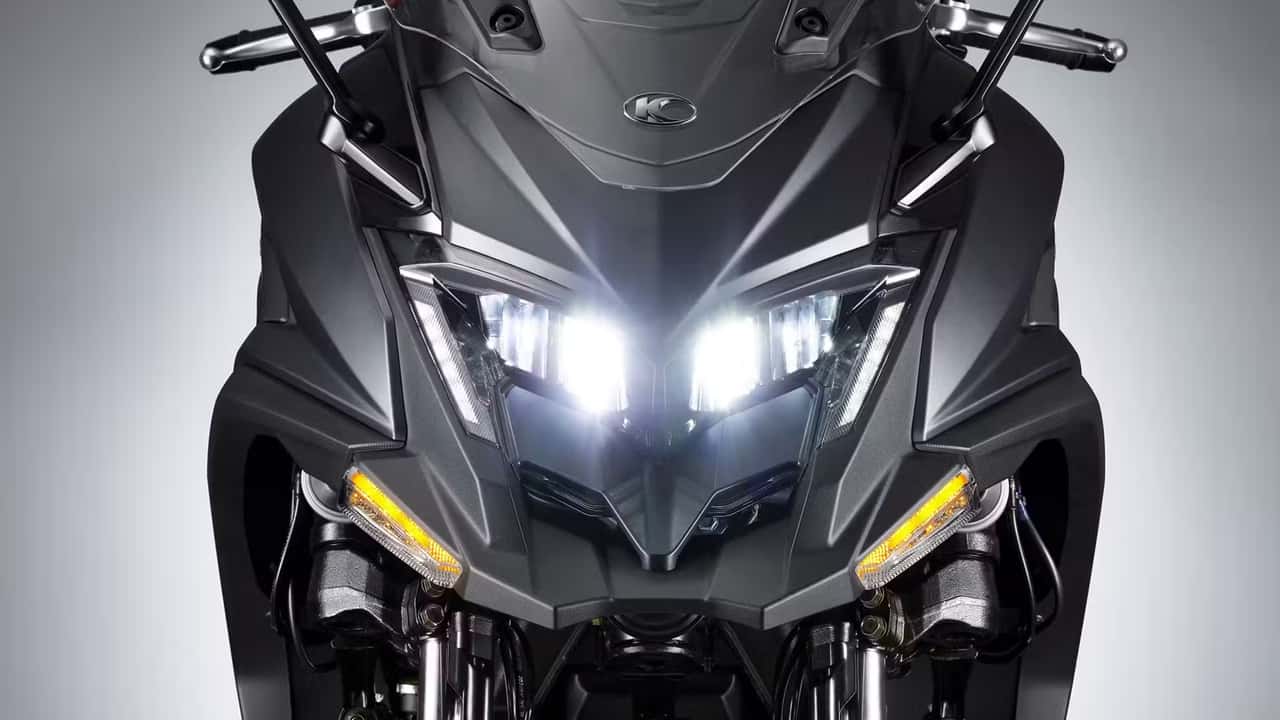
Kymco launches a 3-wheeled scooter with a 52 hp engine, a tilting front, and an audacious proposal to address one of the biggest fears of those who want to ride a motorcycle but still do not trust two wheels.
-
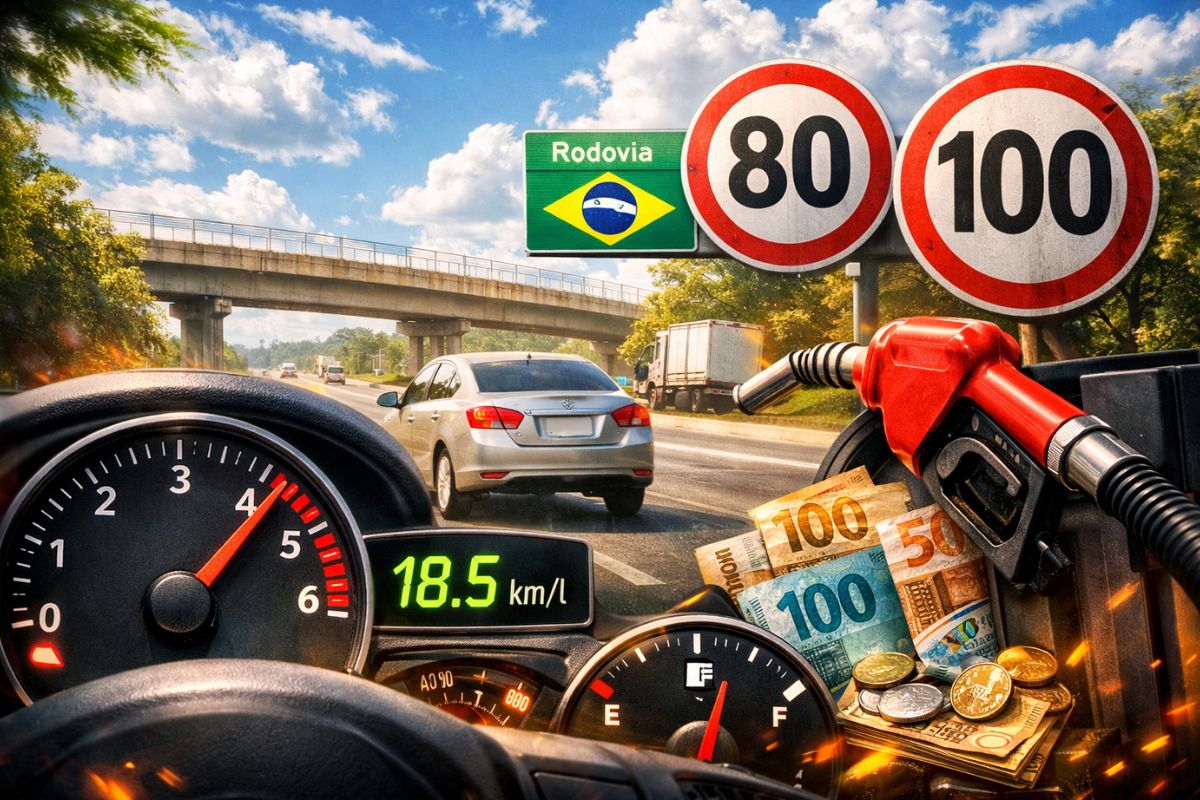
Most drivers make a big mistake on the road without knowing: there is an exact speed that makes the engine work with minimal effort and saves much more fuel, and it is neither 80 km/h nor 100 km/h as many imagine.
-
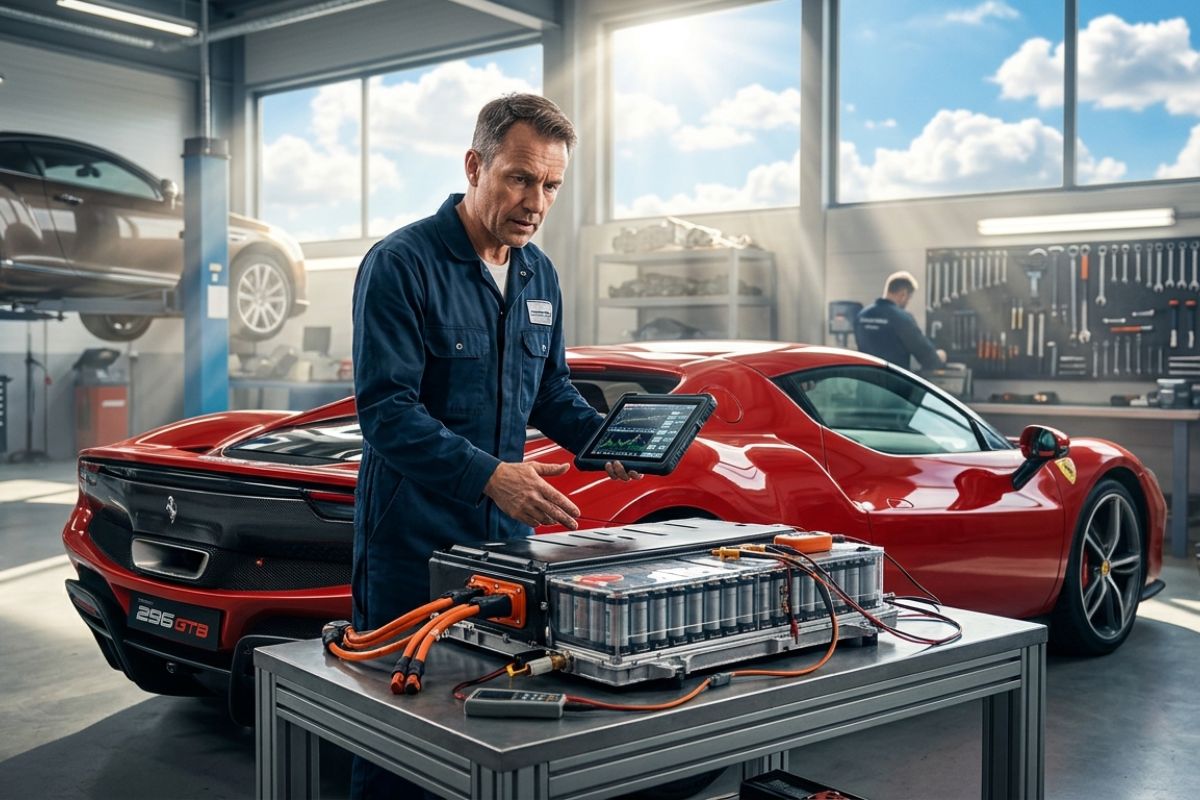
Mechanic explains: Ferrari 296 has a hybrid system management failure that can drain the high-voltage battery to an “irrecoverable” point in the car; recovery requires charging cell by cell on a bench, is risky, and the battery can cost R$ 250,000 imported.
-
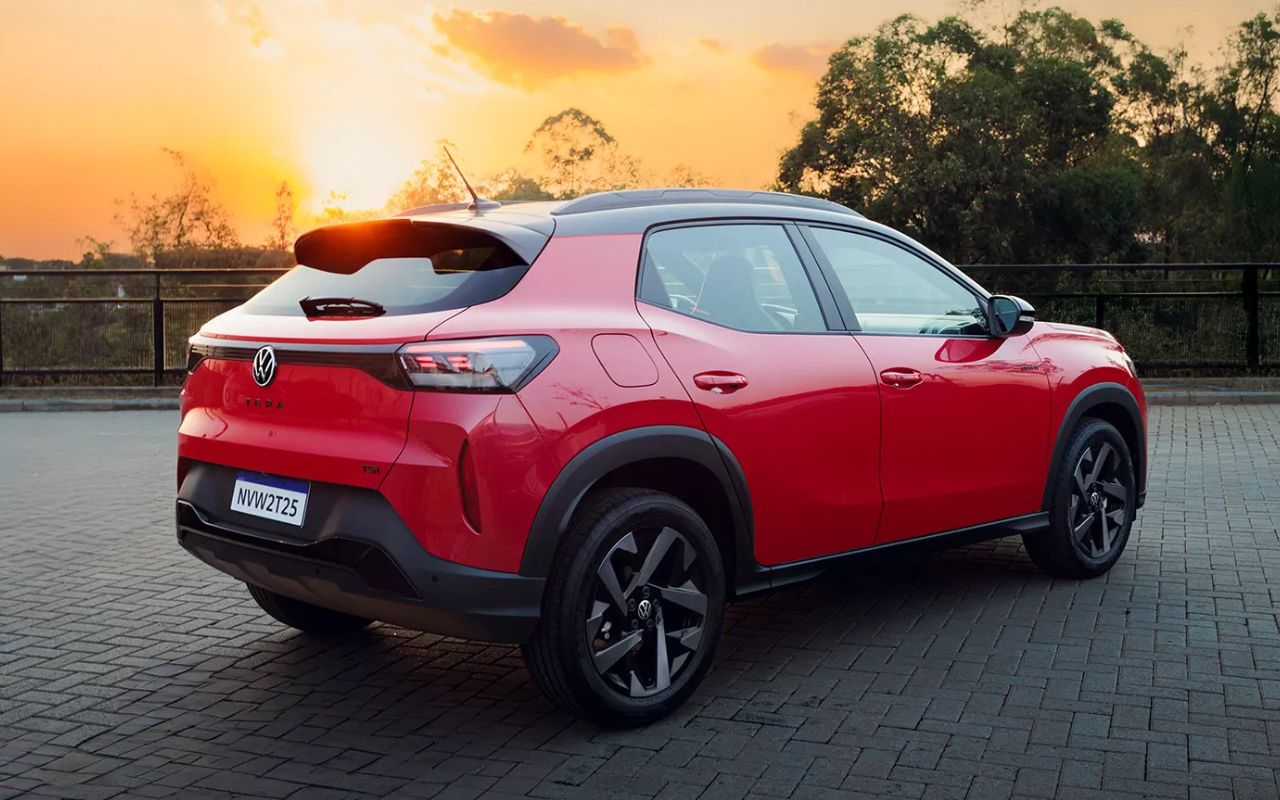
It surpassed the T-Cross, Creta, and Tracker: with nearly 8,000 units sold, the Volkswagen Tera was the best-selling SUV in March 2026.
He emphasized that the goal is to ensure an economically viable and socially fair transition to carbon-neutral propulsion systems. According to two officials cited by the newspaper Handelsblatt, the European executive now understands that internal combustion engines will not completely disappear by 2035, although this depends on specific conditions.
Tzitzikostas indicated that these engines would only be allowed if they operated with biofuels or synthetic fuels, reinforcing that the European Union needs to protect its competitiveness and maintain the industry as a technological leader in the global market.
He added that the Commission is exploring ways to strengthen the automotive value chain, possibly through criteria for European preference, which may influence the production and development of new energy platforms in the bloc.
Regulatory Package In Preparation
The package with all the changes was supposed to be officially announced on December 10; however, the government announced a delay of several weeks, postponing the presentation of the guidelines that will guide the future regulation of the sector.
Tzitzikostas stated that he is still working on the content and wants to deliver a comprehensive set of measures covering the entire regulatory spectrum, considered essential for the European industry, its citizens, and the competitiveness of the bloc.
He emphasized that the document will include necessary aspects to guide the energy transition, as it will be one of the most relevant elements to define the path of the automotive sector in the coming years.







-

-

-

6 pessoas reagiram a isso.