Portuguese
  Spanish


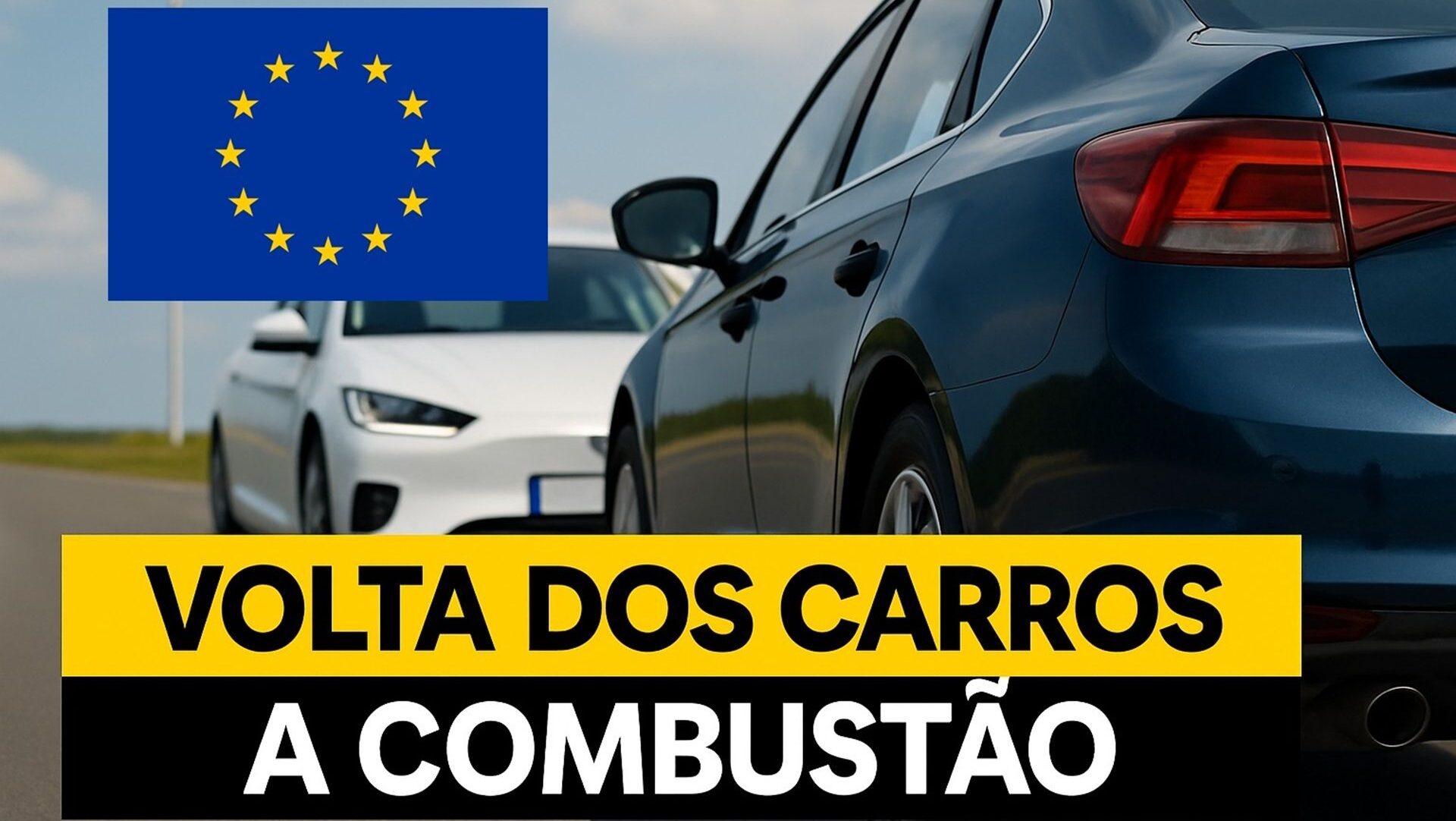


The European Union Evaluates Revising The Target That Foresaw Banning Internal Combustion Engines By 2035 Because Electric Vehicle Sales Fell Below Expected And After Pressure From The German Government To Consider New Technologies In Regulation
The European Union is analyzing changing the target that foresaw eliminating the sale of vehicles with internal combustion engines by 2035, because electric vehicles did not achieve the estimated market share, and after political pressure from the German government on the issue.
The government of Chancellor Friedrich Merz sent a letter to the President of the European Commission asking the institution to reassess the impact of the rule and consider more efficient internal combustion engines, broadening the debate on future emissions allowed in the automotive sector.
The response came from European Commissioner for Transport, Apostolos Tzitzikostas, who stated that the Commission would be open to all technologies and would include zero–emission or low-emission fuels, in the construction of the new regulation.
-
Thinking of Installing LED Headlights? Why Replacing Halogen Bulbs is Still Banned, the Glare Risks Authorities Worry About, and How a New Proposal Could Allow Certified, Safe Installations

-
2027 Toyota Corolla Cross Unveiled: New Design, Enhanced Fuel Efficiency, Reduced Maintenance Costs, Advanced Technology, Connected Services, and Up to 10-Year Warranty

-
Fiat Cronos Precision 2018: Affordable Sedan with Spacious Trunk and Reliable Maintenance
-
Volkswagen to Cut Production by 1 Million Cars by 2030, Reducing Jobs and Platforms, Focusing on More Profitable Models




He emphasized that the goal is to ensure an economically viable and socially fair transition to carbon-neutral propulsion systems. According to two officials cited by the newspaper Handelsblatt, the European executive now understands that internal combustion engines will not completely disappear by 2035, although this depends on specific conditions.
Tzitzikostas indicated that these engines would only be allowed if they operated with biofuels or synthetic fuels, reinforcing that the European Union needs to protect its competitiveness and maintain the industry as a technological leader in the global market.
He added that the Commission is exploring ways to strengthen the automotive value chain, possibly through criteria for European preference, which may influence the production and development of new energy platforms in the bloc.
Regulatory Package In Preparation
The package with all the changes was supposed to be officially announced on December 10; however, the government announced a delay of several weeks, postponing the presentation of the guidelines that will guide the future regulation of the sector.
Tzitzikostas stated that he is still working on the content and wants to deliver a comprehensive set of measures covering the entire regulatory spectrum, considered essential for the European industry, its citizens, and the competitiveness of the bloc.
He emphasized that the document will include necessary aspects to guide the energy transition, as it will be one of the most relevant elements to define the path of the automotive sector in the coming years.