





 Portuguese
  English
  Spanish
  4 min of reading
  1 comment


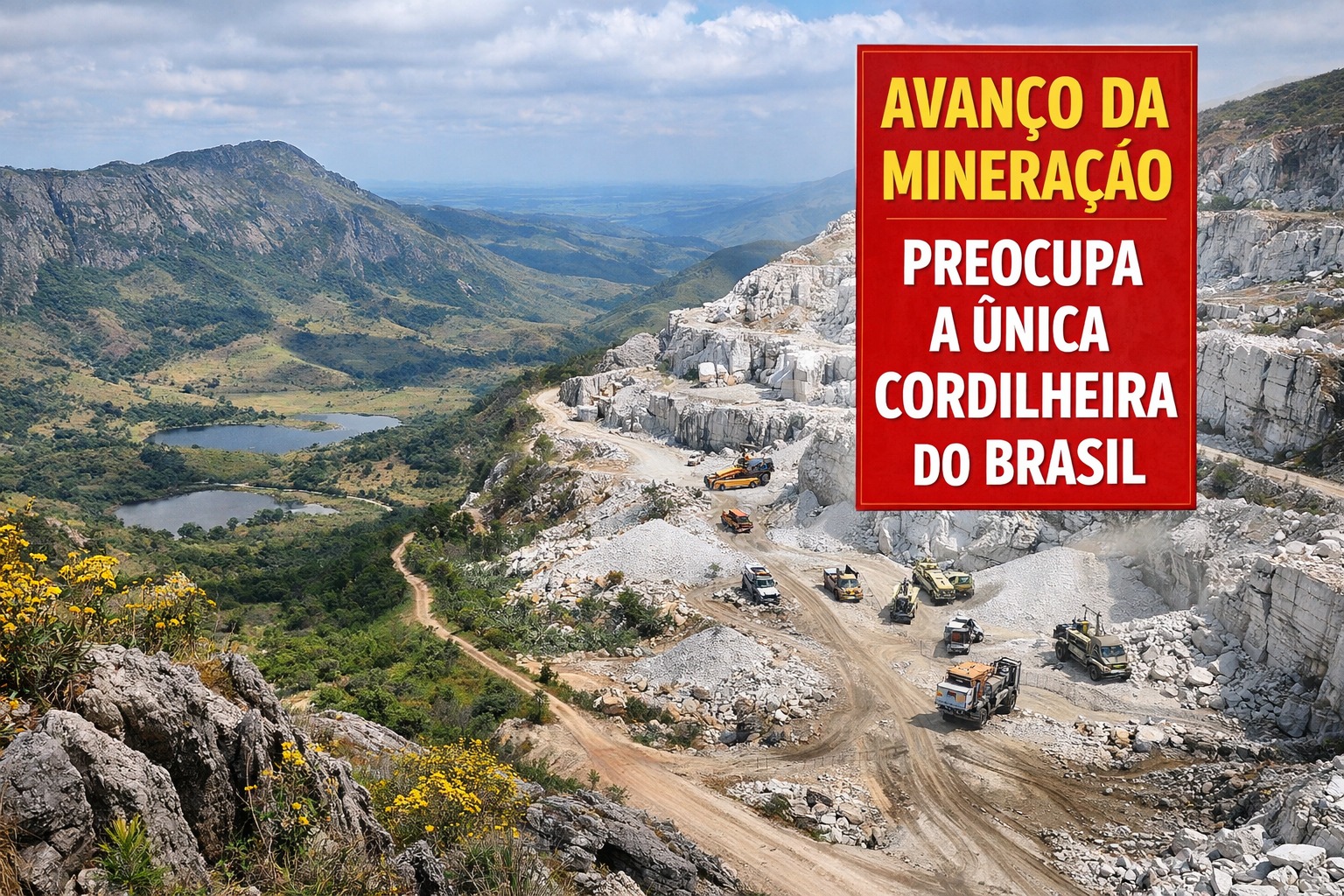


The Only Mountain Range in Brazil, the Serra do Espinhaço Faces Growing Tension Between Ecotourism, Landscape Conservation, and the Advancement of Quartzite Mining in Protected Territories, with Relevant Economic, Cultural, and Environmental Impacts
The Serra do Espinhaço, the only mountain range in Brazil, stretches for about one thousand kilometers between Minas Gerais and Bahia and faces conflict between ecotourism, environmental preservation, and quartzite mining, an increasing activity in areas of high landscape value.
Recognized as a Biosphere Reserve by UNESCO, the Serra do Espinhaço concentrates unique biodiversity, rare rocky fields, and quartzitic formations shaped over millions of years.
For miners and visitors, the region symbolizes cultural identity, preserved nature, and historical corridors that today support leisure activities, hiking, cycling, and sightseeing tourism.
-
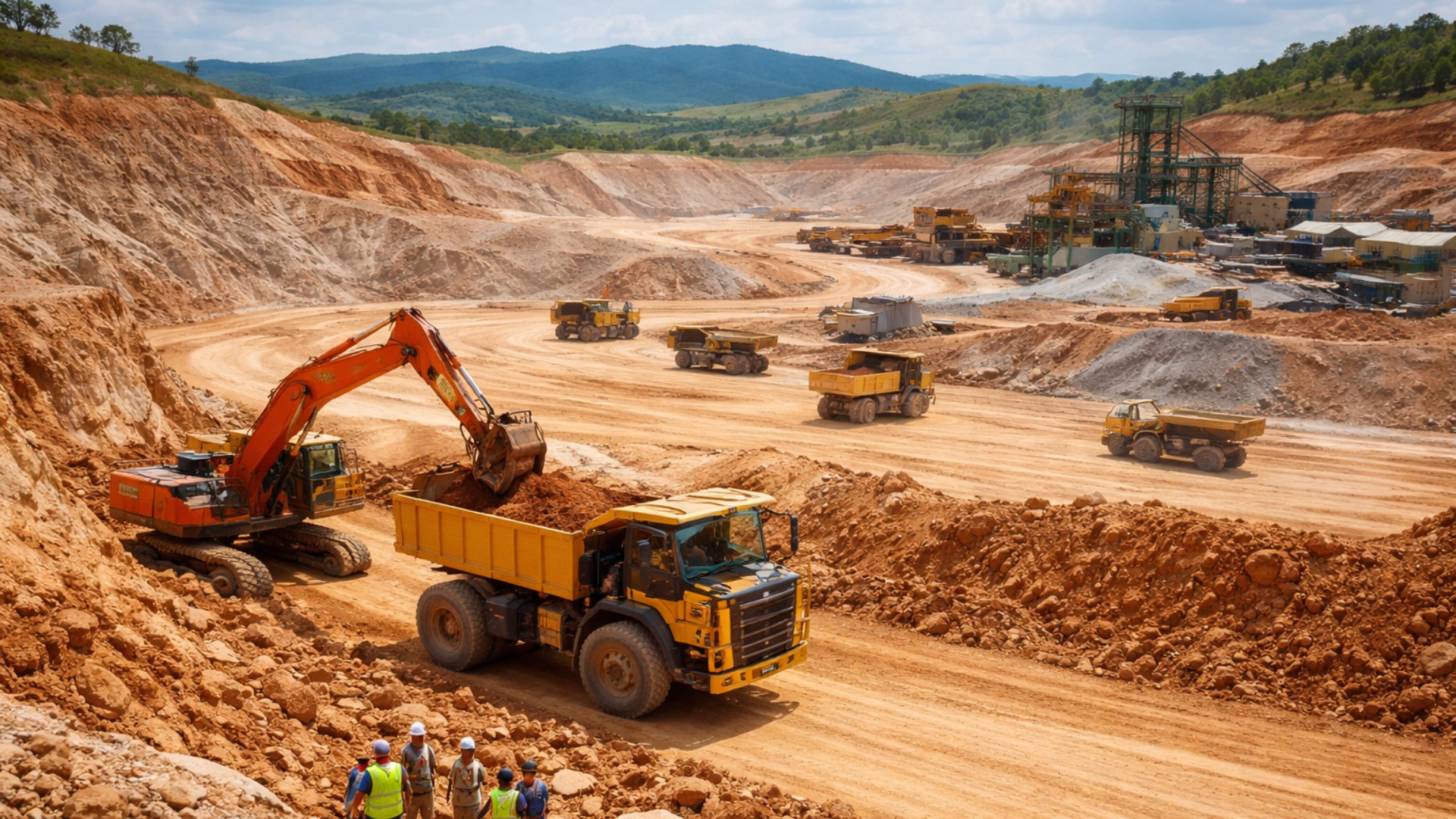
After China, it’s now the turn of the USA to ‘secure’ a share of Brazil’s natural resources: the country buys critical rare earths for R$ 3 billion and enters the center of the global technology dispute.
-
Rare earths are in everything, from cell phones to bullet trains, and what almost no one realizes is why they have become the target of such a delicate global war.
-
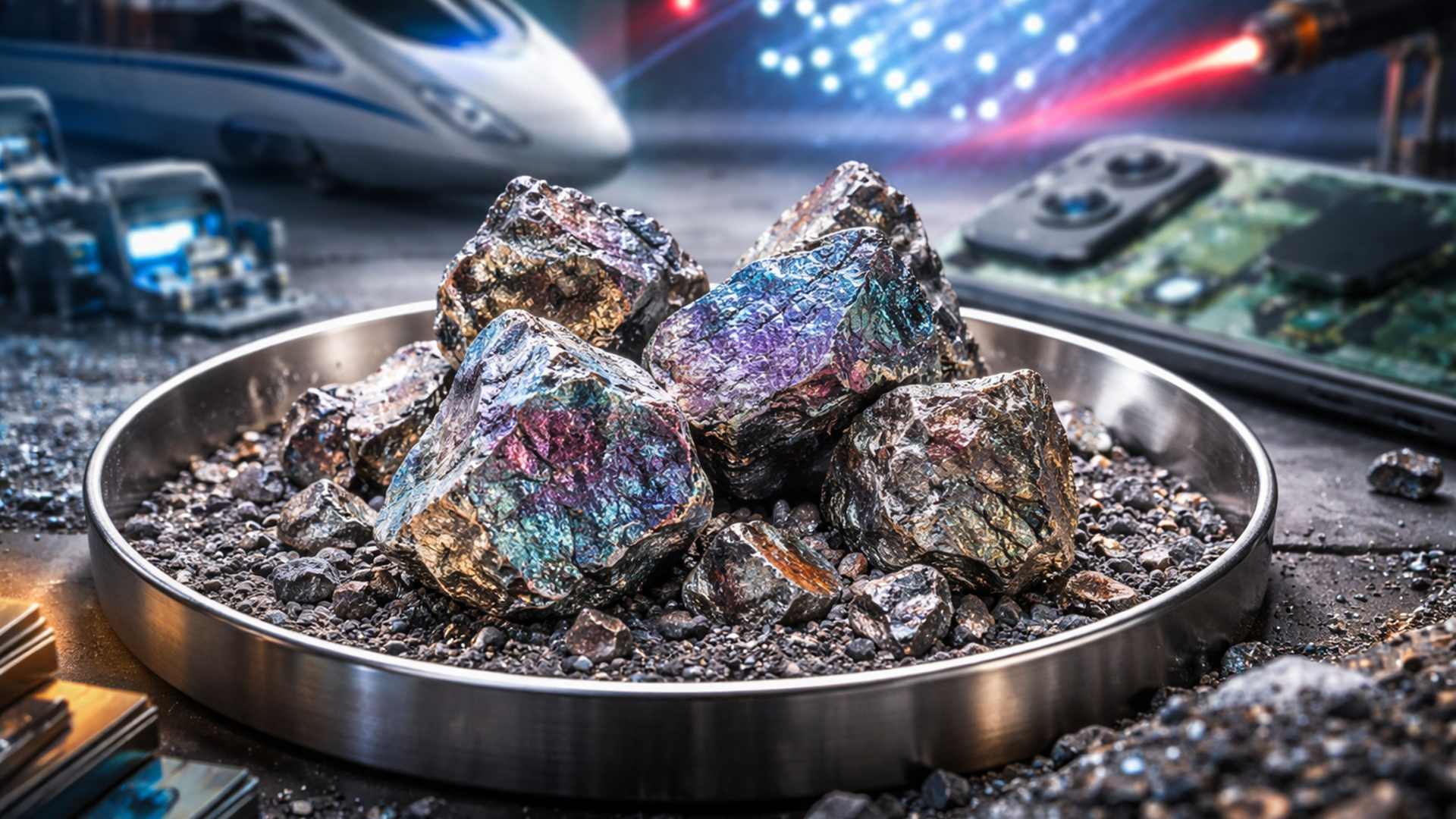
Brazil extracts 26.3 million tons of ore from what was previously treated as waste, transforming residues into wealth, producing over 3 million tons of sand, and demonstrating how national mining is relearning to generate value.
-
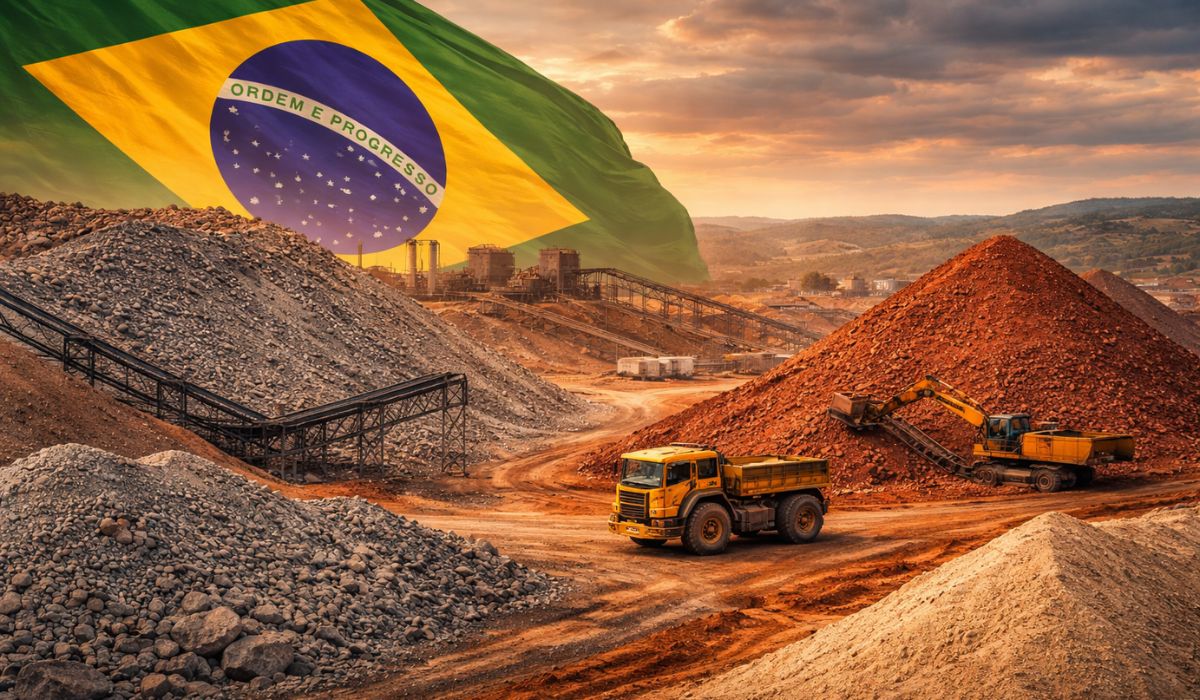
A $3.5 billion megaproject in Latin America pumps desalinated seawater at 1,050 liters per second over 194 km to keep a copper supermine in the Andes operational for another 20 years.

Among these paths are routes known for integrating landscape, memory, and local economy, attracting visitors interested in outdoor experiences and direct contact with natural environments.
This tourist vocation supports entire communities, generates continuous income, and directly depends on the visual integrity of the mountains, valleys, and viewpoints spread across the territory.
The Mountain as an Ecological and Economic Axis
In addition to its symbolic value, the Serra do Espinhaço serves as a fundamental ecological axis, connecting biomes, regulating natural resources, and sustaining ways of life associated with sustainable tourism.
At the same time, the same geological formation contains quartzite, an ornamental and covering rock increasingly contested by extraction projects in Minas Gerais.
This duality creates a concrete dilemma between preserving landscapes that sustain ecotourism or prioritizing an extractive activity with immediate returns and permanent impacts.
The choice is not only environmental but also economic, social, and cultural, as it involves distinct development models for entire regions.
Mining and Tourism on a Collision Course
The conflict ceases to be abstract when crossing the 172 municipalities in Minas Gerais within the Biosphere Reserve with recorded mining processes in SIGMINE, the National Mining Agency’s system.
The overlap reveals that tourism-prized areas coincide with a high concentration of quartzite mining projects.
Strategic ecotourism corridors appear side by side with requirements and exploration, creating direct tension between visitors and open-pit mining fronts.
In practice, the extractive activity advances close to viewpoints, trails, and iconic landscapes, altering exactly the scenery that attracts tourists.
Visual Impact as Economic Damage
Ecotourism is based on contemplation and landscape harmony, factors that define the experience and justify visitors’ travel.
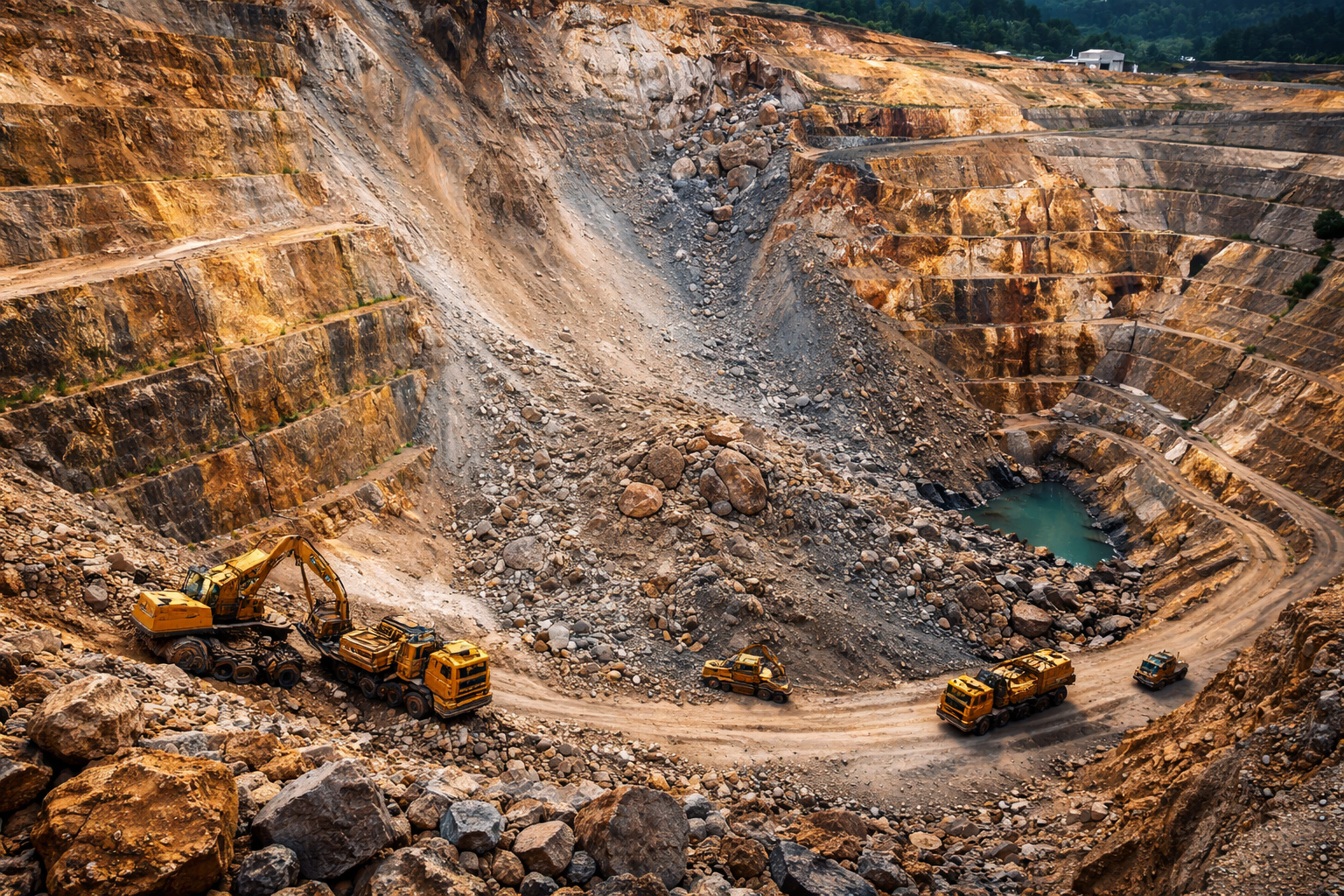
Open-pit mining causes drastic changes in the topography, colors, and shapes of the mountain range, directly affecting the visual perception of the territory.
This impact is not only aesthetic but also economic, as it compromises tourism attractiveness and reduces local income generation capacity.
Even organized operations leave permanent scars, difficult to reverse and incompatible with the logic of nature tourism.
Gaps in Environmental Legislation
Despite the problem’s relevance, Brazilian and Minas Gerais environmental legislation presents clear shortcomings in addressing this conflict.
High-impact projects require EIA-RIMA, but quartzite mining is rarely classified as a significant impact activity.
In practice, many enterprises advance without thorough assessments, even in areas recognized for their high scenic value.
The most critical point is the absence of a specific requirement for Visual Impact Assessment in mining licensing.
Landscape Without Protection Instruments
Legislation prioritizes impacts on water, soil, and fauna, which are fundamental, but ignores the landscape as a central economic and cultural asset of ecotourism.
Without mandatory methodology, licensing agencies lack tools to measure visual damage caused by mining in tourist areas.
Licensing documents in Minas Gerais highlight this gap, leaving landscapes vulnerable to fragmented and careless decisions.
Thus, the suppression of emblematic views is authorized without formal acknowledgment of the social and economic losses involved, which weakens territorial protection.
Paths to a Possible Future
If the mountain continues to be viewed solely as a mineral reserve, the risk of irreversible landscape compromise becomes increasingly real.
Spatial mapping between mining and ecotourism offers a technical basis to rethink public policies and environmental licensing criteria.
Among the proposals is to make Visual Impact Assessment mandatory in areas of scenic value, especially Biosphere Reserves.
Another measure is to adopt integrated environmental assessment, considering cumulative effects of various mines in tourist corridors or specific basins.
Small aggressions add up to produce big damages, an aspect often ignored in isolated licensing analyses.
Landscape as Strategic Capital
Recognizing the landscape as strategic capital is essential for balancing conservation and regional economic development.
Tourism represents a renewable resource capable of generating continuous income without depleting natural heritage, unlike mineral extraction.
On the other hand, quartzite produces immediate but finite wealth, leaving environmental liabilities and reducing the region’s future tourism potential.
The Serra do Espinhaço, therefore, is not just a deposit of rocks but a collective heritage that requires responsible choices.
Preserving its landscapes means protecting cultural identity, biodiversity, and local economies that depend on natural beauty to exist.
With information from Terra.








Engraçado! Não citou o verdadeiro auto desta matéria no The Conversation! Meio chato isso não acha????