





 Portuguese
  English
  Spanish
  6 min of reading
  0 comments



Discover How UniSENAI Is Expanding Professional Qualification with Free EAD Courses Focused on Renewable Energies, Addressing Topics Such as Green Hydrogen, Decarbonization, and Essential Technologies for the Energy Transition and the New Clean Energy Industry.
The training of qualified professionals to work in a low-carbon economy has become one of the main challenges for the global energy sector. In this context, UniSENAI has opened registrations for three free EAD courses focused on renewable energies, focusing on preparing professionals for the challenges of energy transition and the clean energy industry.
The courses are offered in the extension modality and have a workload of eight hours each. The target audience includes students, industry professionals, energy sector specialists, and people interested in understanding the technological and economic transformations that are reshaping the global energy matrix.
The courses are part of the MBI in Electric Mobility and Renewable Energies at UniSENAI and are aligned with the federal MOVER program (Green Mobility and Innovation), an initiative aimed at encouraging technological innovation and reducing emissions in the industrial and mobility sectors.
-
Senai will pay up to R$ 700 per month for those who take free technical courses: there are 12,000 open positions across Brazil and training with access to the technology market.

-
Take one of the free courses from SENAI! There are over 100 options for training completely online and with a guaranteed certificate in Logistics, Mechanics, Business, Energy, Safety, and much more; see how to enroll and boost your resume with SENAI EAD.

-
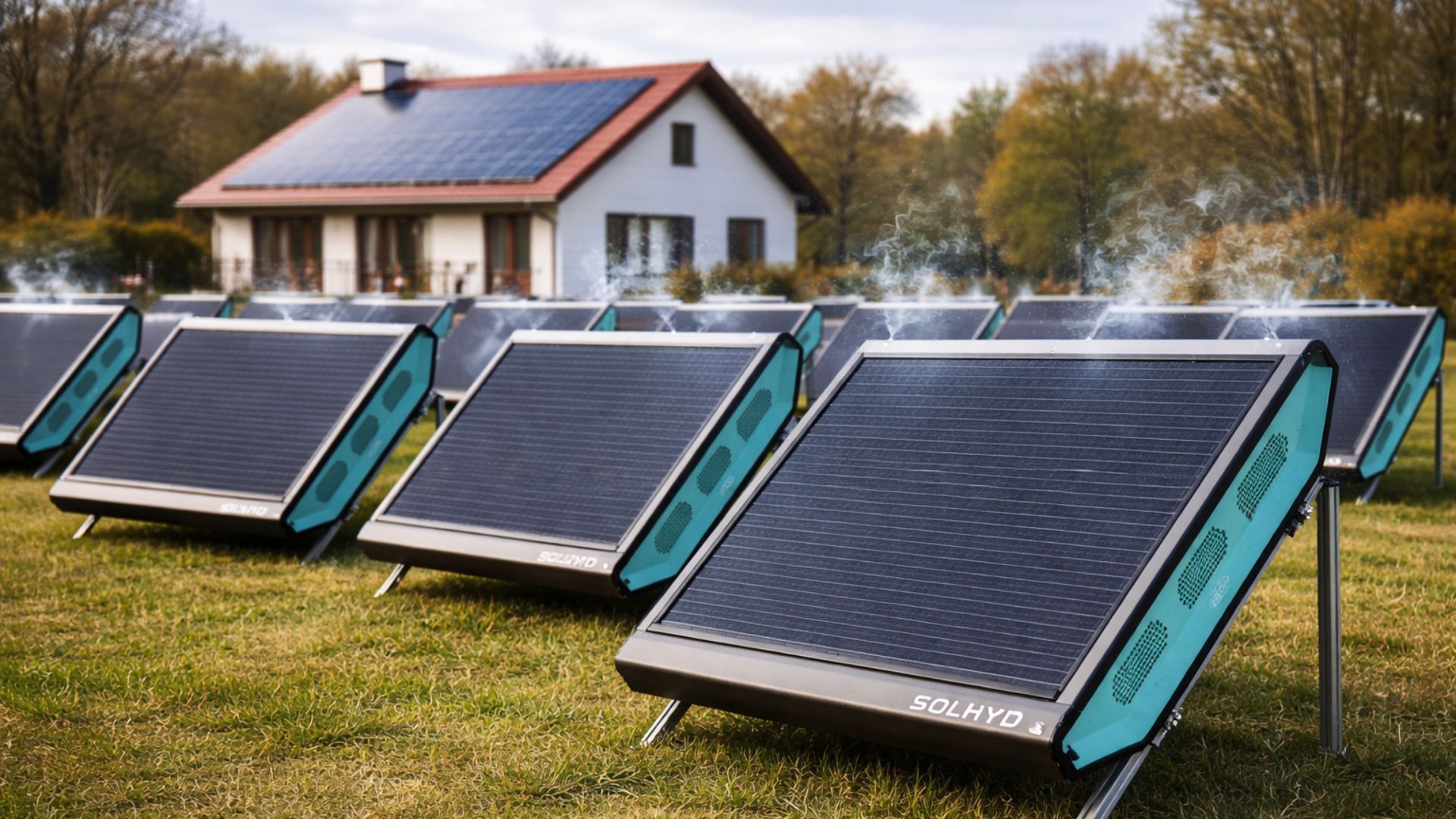
Green hydrogen at home: Belgium launches new technology that makes solar panels produce fuel from the moisture in the air, which could boost the energy transition.
-
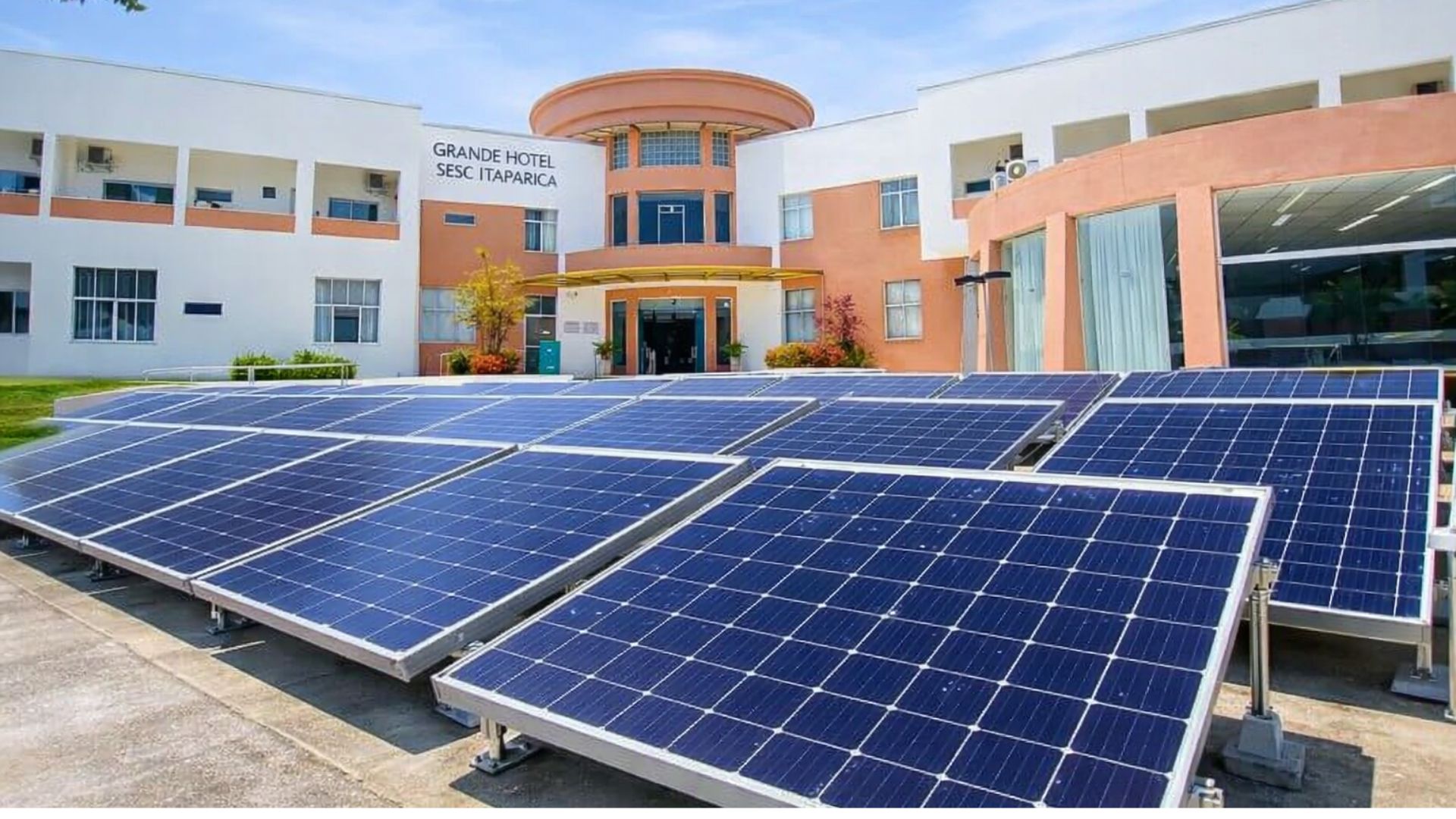
Sesc-BA bets on renewable energy with the support of EDP and drives the energy transition with a direct impact on cost reduction and the sustainability of its operations in Bahia.

By investing in free EAD courses, UniSENAI reinforces its role in training professionals prepared to work in strategic sectors of the green economy, contributing to expanding technical knowledge in renewable energies and accelerating the energy transition in Brazil.
UniSENAI Expands Access to Technical Knowledge with Free EAD Courses on Renewable Energies
The expansion of digital education has allowed educational institutions to broaden the reach of their training. In this context, UniSENAI has invested in the free EAD courses format to democratize access to technical knowledge in strategic areas of the industry.
The offering of short courses meets a growing demand for quick and specialized training, especially in sectors undergoing accelerated transformations such as energy, mobility, and sustainability.
By offering training focused on renewable energies, UniSENAI seeks to prepare professionals capable of understanding new energy technologies, assessing market opportunities, and developing solutions aligned with environmental and regulatory requirements.
Another advantage of the training is the flexible format. As free EAD courses, participants can follow the content remotely, adapting their learning to their professional or academic routine.
This strategy broadens the reach of technical training and allows professionals from different regions of the country to access updated content about the energy transition and the challenges of decarbonization.
Energy Transition Redefines Professional Competencies in the Energy Sector
The energy transition is deeply transforming the labor market. The gradual replacement of fossil fuels with cleaner sources requires professionals with updated technical knowledge and a multidisciplinary view.
The expansion of renewable energies has driven new opportunities in areas such as solar and wind generation, electric mobility, green hydrogen, energy storage, and energy efficiency.
In this scenario, companies are seeking professionals capable of understanding emerging technologies, interpreting public policies, and implementing sustainability strategies in industrial operations.
Qualification becomes even more relevant when we observe the global growth of investments in clean energy. According to the International Energy Agency (IEA), global investments in clean energy have already surpassed those allotted to fossil fuels, reflecting the acceleration of the energy transition.
In this context, educational initiatives such as the free EAD courses offered by UniSENAI contribute to preparing professionals capable of working in strategic sectors of the new energy economy.
Industrial and Urban Decarbonization Strategies Gain Space on Companies’ Agendas
One of the courses offered by UniSENAI addresses decarbonization strategies applied to industrial and urban environments. The objective is to present concepts, technologies, and public policies aimed at reducing greenhouse gas emissions.
The training explores topics such as low-carbon planning, regulatory innovation, and industrial competitiveness in scenarios of increasing environmental demand.
Decarbonization has become a priority for companies seeking to reduce their carbon footprint and meet climate goals set by governments and international organizations.
During the course, participants are exposed to strategies that help organizations position themselves competitively in the new energy economy, characterized by the expansion of renewable energies and the need to accelerate the energy transition.
In addition to presenting technical fundamentals, the content also discusses how public policies and environmental regulations influence strategic decisions in the industrial sector.
Green Hydrogen Emerges as a Strategic Vector for Renewable Energies
Another topic covered in the free EAD courses at UniSENAI is green hydrogen, a technology considered one of the main bets for the decarbonization of industrial sectors that are difficult to electrify.
Produced from water electrolysis using renewable energy, green hydrogen can be applied in industrial processes, heavy transport, energy generation, and energy storage. The course presents fundamental concepts about the production, storage, and transport of hydrogen, in addition to discussing its current and future applications.
The training also highlights market opportunities associated with the growth of this technology. Several countries have already announced large-scale projects aimed at the production and export of renewable hydrogen.
By including this topic in its free EAD courses, UniSENAI seeks to prepare professionals capable of understanding the technological and economic implications of this emerging energy solution.
Energy Storage Technologies Are Essential for the Energy Transition
The third course addresses a central theme for the advancement of renewable energies: energy storage. Sources such as solar and wind have natural variability, which makes the development of solutions capable of storing electricity for later use essential.
During the training, participants learn about different battery technologies and hybrid storage solutions, as well as understanding how these systems can be integrated into modern electrical grids.
The course also explores applications in electric mobility, distributed generation, and industrial systems, areas that are expected to gain importance as the energy transition advances.
With the expansion of renewable generation worldwide, experts indicate storage as one of the fundamental pillars to ensure stability and efficiency in future energy systems.
UniSENAI Presents Three Free EAD Courses
Among the training offered by UniSENAI are three courses that address technologies and strategies considered fundamental to the future of the energy sector. The courses are aimed at professionals, students, and those interested in understanding the transformations shaping the energy transition and the expansion of renewable energies.
Industrial and Urban Decarbonization Strategies
It presents concepts, technologies, and public policies aimed at reducing greenhouse gas emissions in industrial and urban environments. The content discusses pathways to make production processes more sustainable, also addressing topics such as regulatory innovation, industrial competitiveness, and low-carbon planning in cities and productive sectors.
Green Hydrogen: Potential and Applications
Explores one of the most promising technologies for decarbonizing industrial and heavy transport sectors. The course presents fundamentals on hydrogen production from renewable sources, as well as discussing challenges related to the storage, transport, and utilization of this energy solution in different segments of the economy.
Energy Storage: Batteries and Hybrid Solutions
Addresses technologies used to store electricity generated by renewable sources. The training presents different types of batteries, hybrid systems, and strategies for integrating these resources into modern electrical grids. The content also analyzes applications in electric mobility, distributed generation, and industrial systems that require greater energy flexibility.
Education and Professional Qualification Drive the New Energy Economy
The transformation of the global energy system requires technical knowledge, innovation, and professionals prepared to deal with complex challenges. In this scenario, educational initiatives such as those promoted by UniSENAI help reduce the qualification gap in sectors related to sustainability and clean energy.
By offering free EAD courses focused on renewable energies, the institution expands access to technical education and contributes to training specialists capable of working on decarbonization projects, electric mobility, and new energy technologies.
More than just keeping up with trends, investing in professional training means preparing the industry and society for an economy increasingly oriented by the energy transition, technological innovation, and sustainable development.
The complete list of courses can be found on the official FIESC website.








-

-

2 pessoas reagiram a isso.