





 Portuguese
  English
  Spanish
  4 min of reading
  0 comments


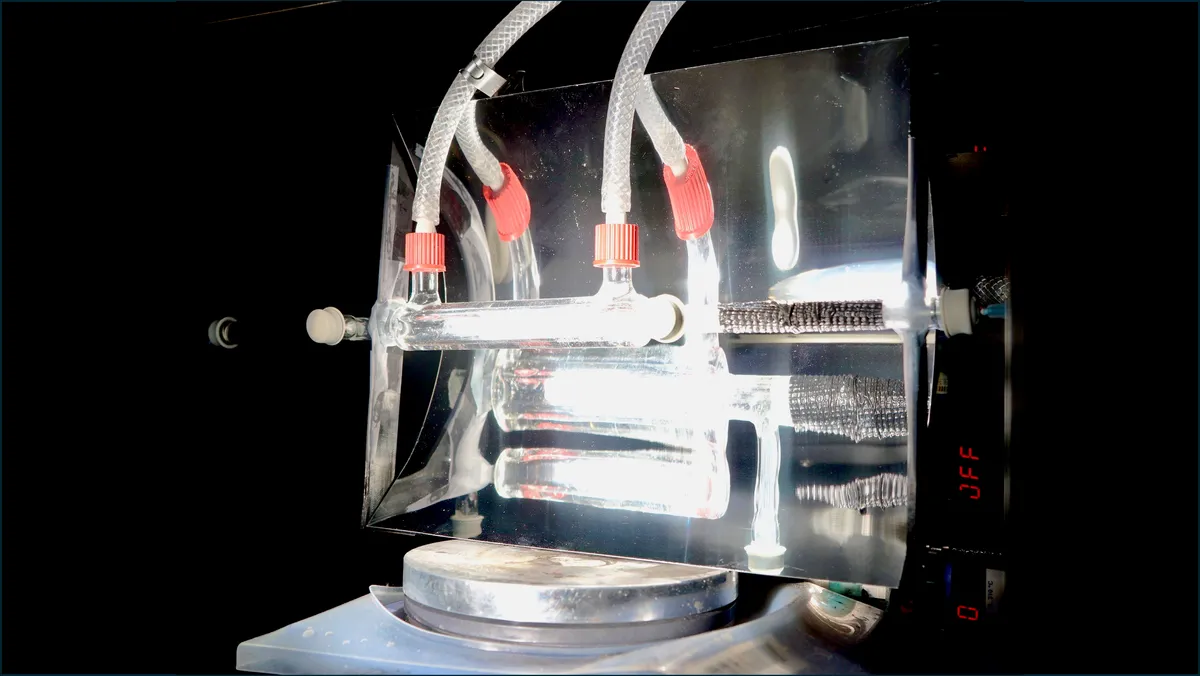
Cambridge University Researchers Develop Solar Reactor That Transforms CO2 From The Air Into Fuel, Offering A Sustainable Alternative To Traditional Carbon Capture Methods.
A new device developed by scientists at Cambridge University may change the way the world deals with carbon dioxide. Instead of just capturing the gas responsible for global warming and storing it underground, the reactor created by the British team transforms CO2 directly from the air into fuel.
The device is powered by solar energy and does not depend on fossil fuels to operate.
The innovation was published in the journal Nature Energy and offers an alternative to the traditional carbon capture and storage (CCS) method.
-
Mysterious object on Mars divides NASA and Harvard after Curiosity image reignites suspicions about what was really found on the planet.

-
Giant structures 14 meters beneath Egypt are revealed by satellites and expose a millennia-old secret buried in Buto.

-
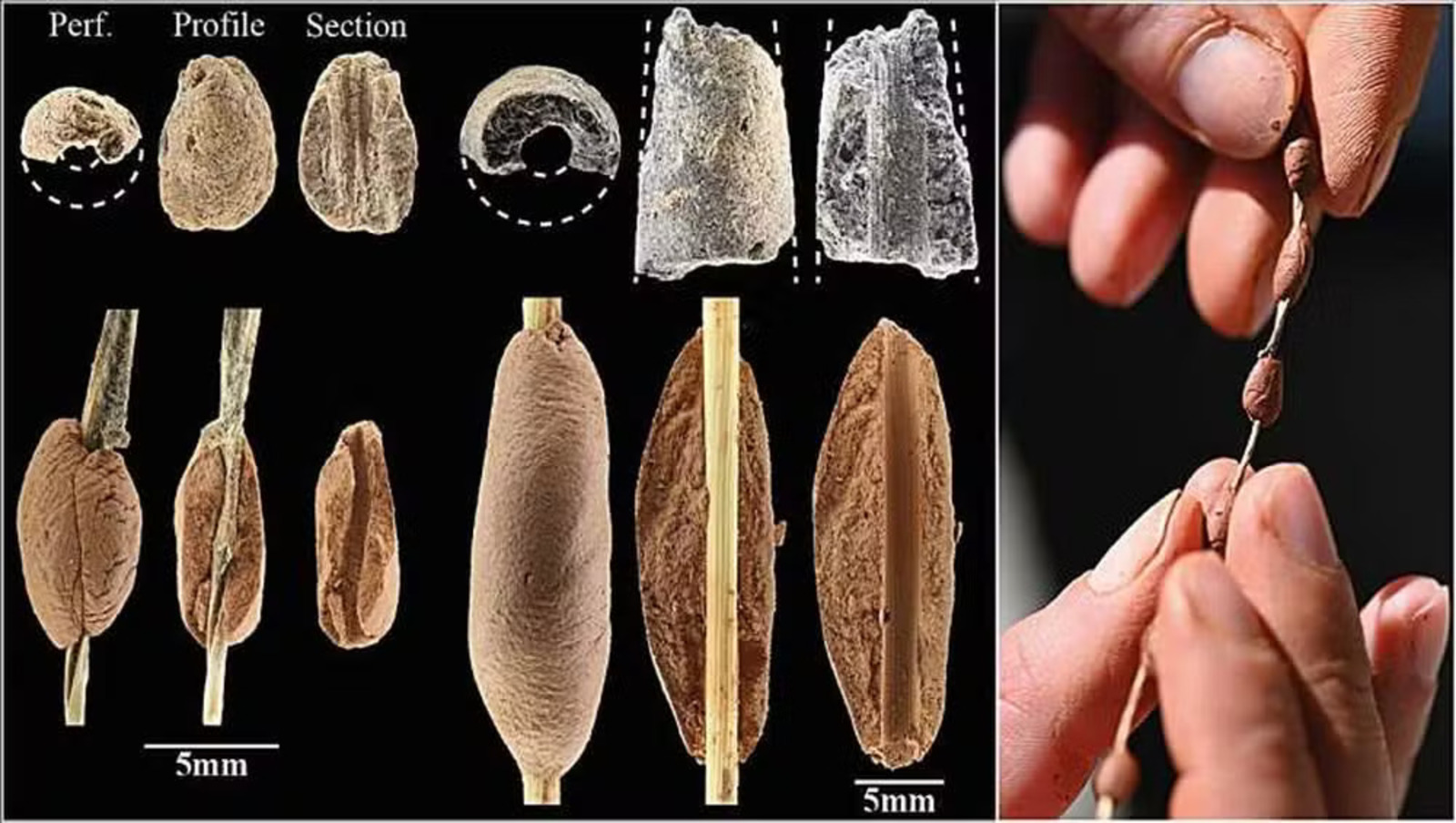
Children have been making clay pieces for 15,000 years in Southwest Asia, and fingerprints preserved on 142 ornaments helped archaeologists prove this.
-
New semi-autonomous legged robot technology challenges the limitations of space exploration by operating almost without human intervention on the Moon.


Instead of just burying CO₂, the new system reuses it, transforming it into a valuable resource: synthesis gas.
Transforming The Climate Villain Into Fuel
The device works like a kind of sponge. During the night, it uses specialized filters to absorb the CO2 present in the air.
With the arrival of sunlight, the equipment initiates a chemical reaction that transforms the captured gas into synthesis gas — a mixture of hydrogen and carbon monoxide.
This gas is used in the production of fuels, chemicals, and even medicines. And the entire process occurs without the use of polluting energy sources.
A mirror concentrates the sunlight while a semiconductor powder absorbs ultraviolet radiation and fuels the reaction.
Efficient System With Scale Potential
Besides functioning exclusively with sunlight, the reactor can also be produced at a larger scale.
According to scientists, this scalability allows it to be a practical tool in reducing global emissions and in the clean production of fuel.
“If we manufactured these devices on a large scale, they could solve two problems at once: removing CO2 from the atmosphere and creating a clean alternative to fossil fuels,” said Kar.
The proposal is also aimed at use in remote areas.
The idea is to enable communities without access to traditional electricity to generate their own fuel sustainably and with a reduced environmental impact.
Next Steps: Liquid Fuel And Industrial Applications
The Cambridge team is now looking to adapt the device to produce liquid fuels.
These products could be used in cars, airplanes, and other means of transport without generating additional CO2 emissions.
The rationale for this approach is that the carbon present in this new type of fuel would already be circulating in the atmosphere.
In other words, its combustion would not add more greenhouse gases to the environment, creating a kind of climate balance.
In addition to the transportation sector, scientists also aim to apply the technology in the chemical and pharmaceutical industries.
The synthesis gas generated by the device can be transformed into everyday products, such as solvents and plastics, with a much lower carbon footprint.
Circular Economy: CO2 As A Resource
For Professor Erwin Reisner, who leads the research, the device represents a step towards a circular economy.
In this model, waste is minimized, and natural resources are continuously repurposed.
Unlike traditional CCS, which simply stores CO2 underground, the new reactor keeps it in the production cycle. Carbon, which was previously treated as an enemy, becomes a valuable element for the economy and the environment.
“Instead of continuing to extract and burn fossil fuels to produce the products we depend on, we can extract all the CO2 we need directly from the air and reuse it,” Reisner explained.
Criticisms Of CCS And Bet On Solar Solutions
The study emerges at a time of strong global investment in carbon capture and storage technology. The UK alone, for example, has allocated £22 billion to such projects.
However, the researchers themselves warn that CCS has limitations. Among them are high costs, high energy consumption, and the potential to prolong the use of fossil fuels under the false promise of climate neutrality.
“In addition to the cost and energy intensity, CCS provides an excuse to continue burning fossil fuels, which is what caused the climate crisis in the first place,” argued Reisner.
In the coming months, the team plans to test an expanded version of the reactor. The goal is to evaluate the performance of the technology at a larger scale and assess its practical viability in real-world scenarios.
The experiment will be closely monitored.
If successful, the project could represent a turning point in the fight against climate change — showing that even the air we breathe can be part of the solution for the planet’s energy future.









Seja o primeiro a reagir!