





 Portuguese
  English
  Spanish
  3 min of reading
  0 comments


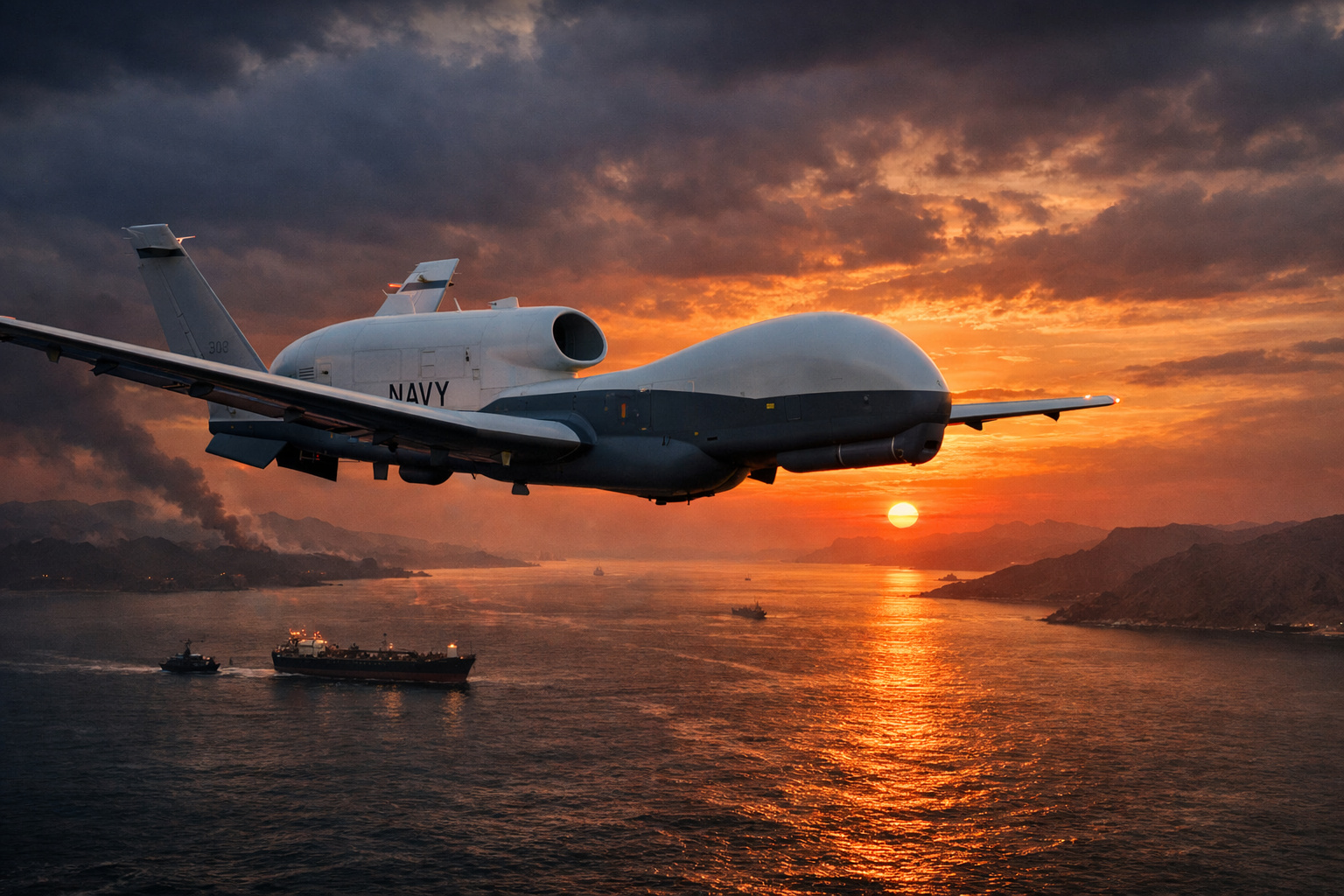
Highly advanced military equipment loses contact after critical signal in strategic area and reignites geopolitical alert amid delicate negotiations in the Middle East
A reconnaissance drone from the United States Navy disappeared this Thursday (9) while flying over the Strait of Hormuz, one of the most strategic regions in the world. The equipment emitted an emergency signal shortly before losing contact.
The information was reported by Forbes, which detailed the incident involving one of the most advanced drones ever used in military operations.
The model, the MQ-4C Triton, is worth about $200 million — approximately R$ 1 billion. During the mission, it was conducting aerial patrol when it unexpectedly changed course and headed towards Iranian territory.
-
SUS surpasses Brazil and inspires a revolution in health: agreement with Mexico could bring universal, free, and more accessible care to millions of people outside the country.

-
With a total blockade of software, data, and connected systems, the U.S. has completely closed its doors to Chinese cars and transformed vehicles into geopolitical weapons, creating a new technological battlefield that could reshape the global automotive industry.

-
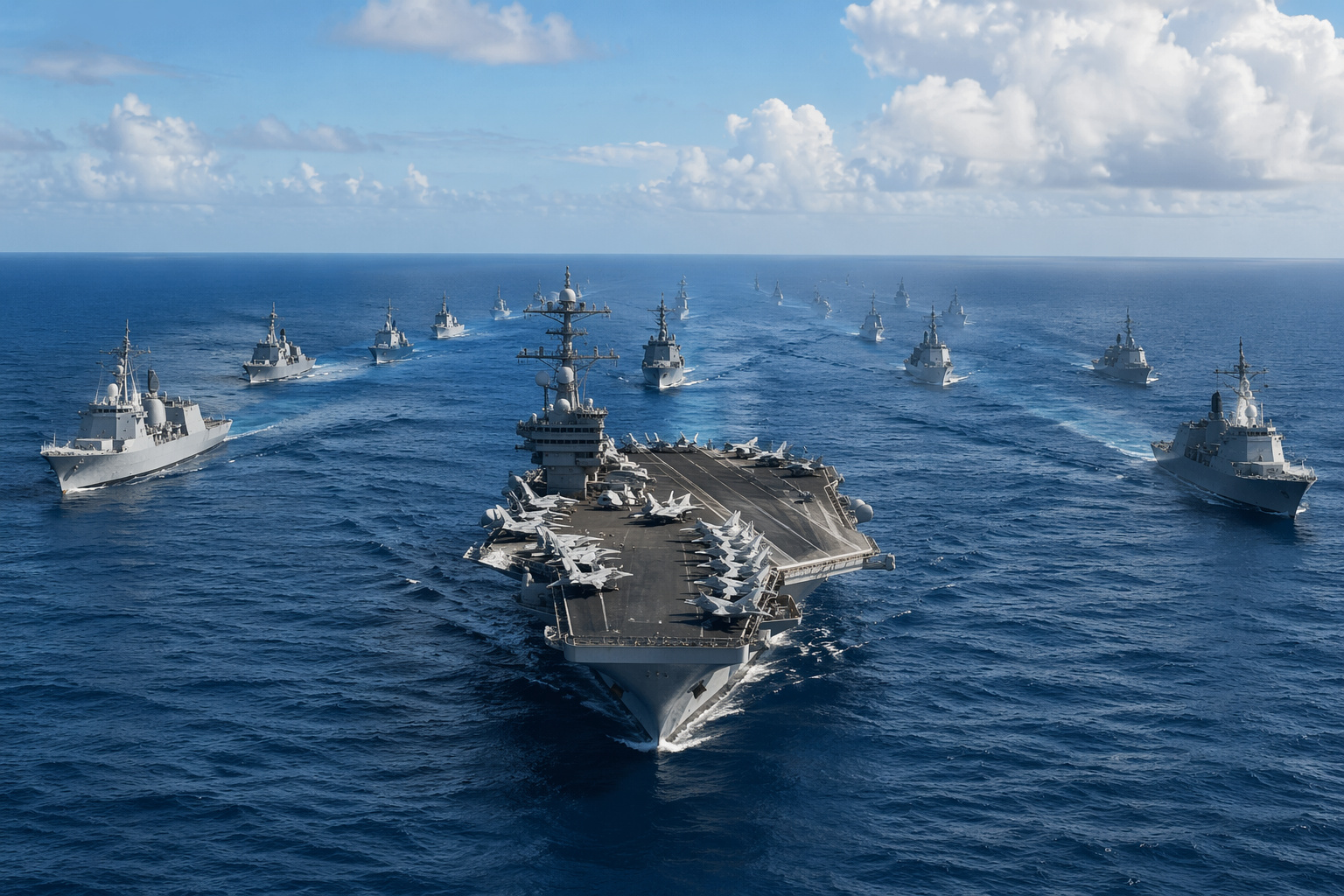
With US$ 65.8 billion and 34 new ships, the U.S. launches a mega naval plan that prioritizes nuclear submarines, strengthens military logistics, and repositions the strategy for prolonged conflicts in the Pacific.
-
Trump pressures NATO in Europe with threats regarding bases and the use of troops in Spain and Germany to punish allies and change the military balance in the bloc.
Shortly after, the drone activated the “code 7700,” a universal emergency signal in aviation. This alert indicates a critical situation, such as a serious failure or loss of control.
What happened to the MQ-4C Triton drone?
After issuing the alert, the MQ-4C Triton initiated a rapid descent. It was at about 52,000 feet altitude. The data was recorded by the Flightradar24 system, which monitors flights in real time.
During the descent, the aircraft’s behavior indicated a possible serious failure. Upon reaching less than 10,000 feet, the drone completely lost the transponder signal.
This type of disappearance typically indicates three scenarios: crash, destruction in flight, or total loss of communication.
So far, no authority has confirmed what happened. The drone may have crashed, been shot down, or even returned to base without tracking. However, the lack of answers raises suspicions.
Why is the disappearance so concerning?
The MQ-4C Triton is not an ordinary drone. It plays a strategic role in the military operations of the United States.
This equipment can remain in the air for up to 30 consecutive hours. Additionally, it covers about 2 million square miles in a single flight.
Its advanced sensors monitor large oceanic areas with high precision. Therefore, it operates in critical regions such as the Persian Gulf.
Moreover, the Triton works in conjunction with aircraft like the P-8 Poseidon. This plane conducts surveillance missions, anti-submarine warfare, and maritime tracking.
In other words, losing a drone of this caliber does not only mean financial loss. It can also affect ongoing strategic operations.
Tension in the Middle East returns to the global radar
The disappearance occurred at an extremely sensitive moment. Even after the announcement of a ceasefire between the United States, Israel, and Iran, tensions remain high.
The Strait of Hormuz concentrates one of the most important routes for global oil transportation. Any instability in the region can directly affect energy prices worldwide.
Additionally, the United States and Iran are still in negotiations regarding navigation security in the area. This factor makes the episode even more delicate.
In light of this, the disappearance of the drone raises questions and reignites alerts in the international scenario. The case may indicate something larger happening behind the scenes of global geopolitics.
Do you think this case was just an accident or could it indicate a more serious movement in the global scenario?








Seja o primeiro a reagir!