





 Portuguese
  English
  Spanish
  2 min of reading


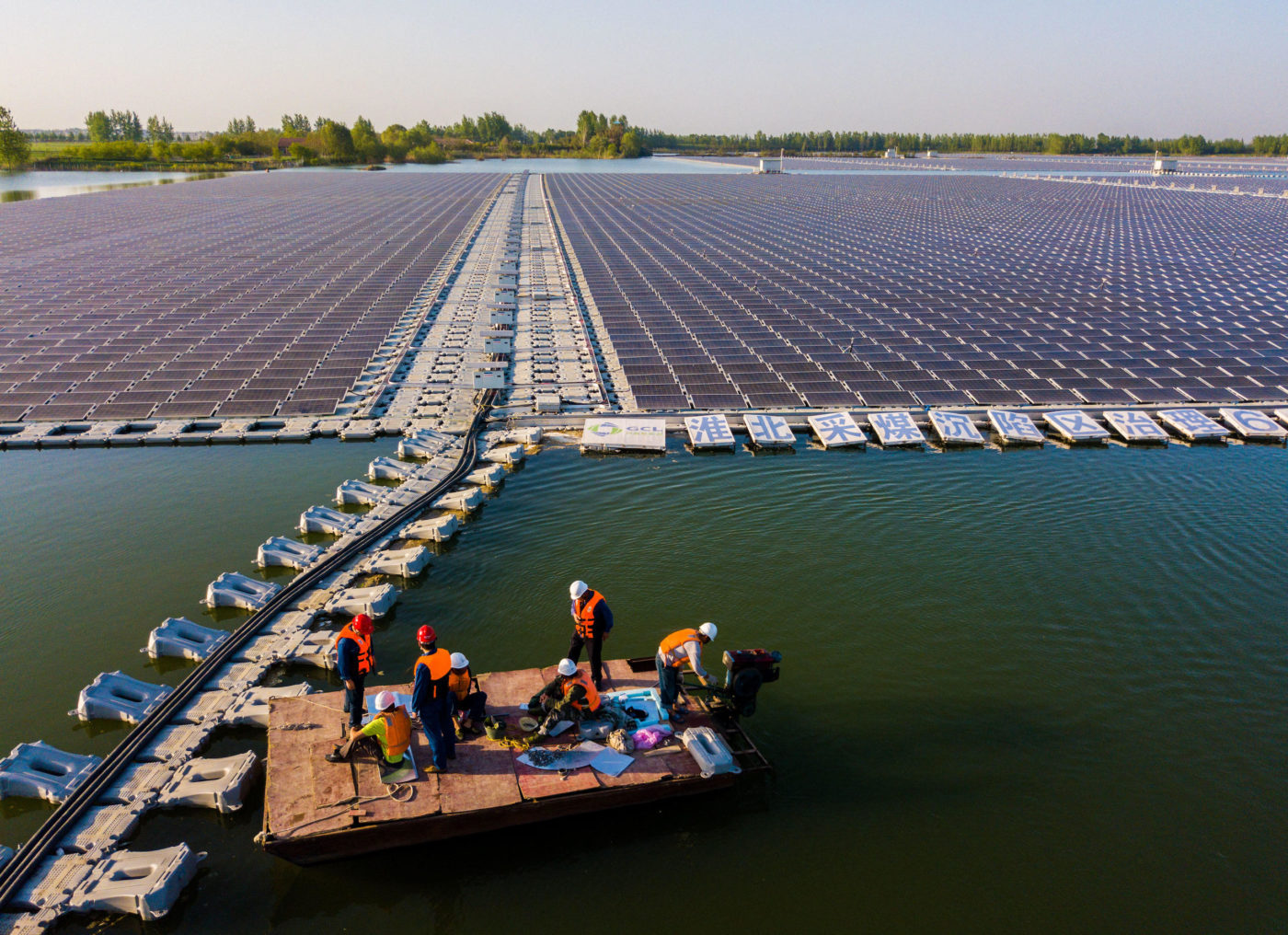
Floating Solar Power Plant Can Be an Alternative to Help Reduce Water Evaporation in Water Reservoirs
According to experts, climate change is behind the severe droughts that have affected some regions of the planet in recent years. Brazil has suffered greatly from this problem, forcing ANEEL to increase electricity prices to avoid blackouts. With the sun getting hotter, water reservoirs evaporate at a higher rate, harming hydroelectric plants. Floating solar energy can help reduce the effects of the problem.
Solar Power Plant: Strategy Aimed at Increasing Efficiency
The strategy would be to use floating solar energy to generate even more clean energy while the solar panels prevent water temperature from rising, reducing water evaporation. In a 2019 study, ANA, the National Water Agency, analyzed a total of 148 reservoirs across Brazil, proving that evaporation was the second largest water consumption, only behind irrigation in agriculture.
One of the major problems with reservoirs is that some of them flood large areas, forming water mirrors. This greatly increases the space where the sun shines with intensity, further increasing evaporation.
-
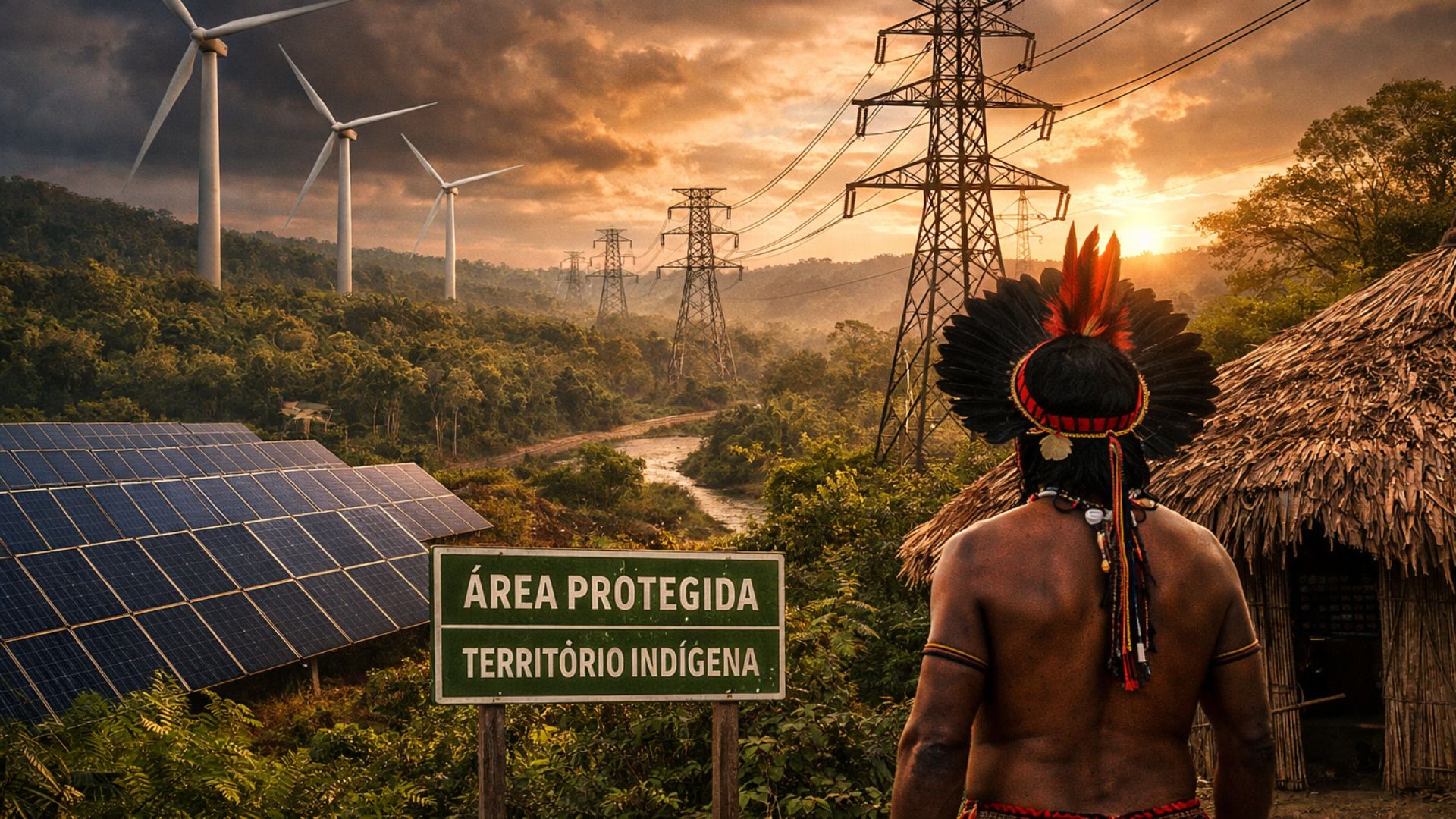
Renewable energy advances over protected areas in Brazil, and a survey by the Energy Transition Observatory reveals silent impacts that challenge environmental conservation and pressure sensitive traditional territories.
-
Rio Grande do Sul accelerates energy transition: State invests in renewable technologies and consolidates decarbonization strategies and pathways to attract billions in new industrial investments.

-
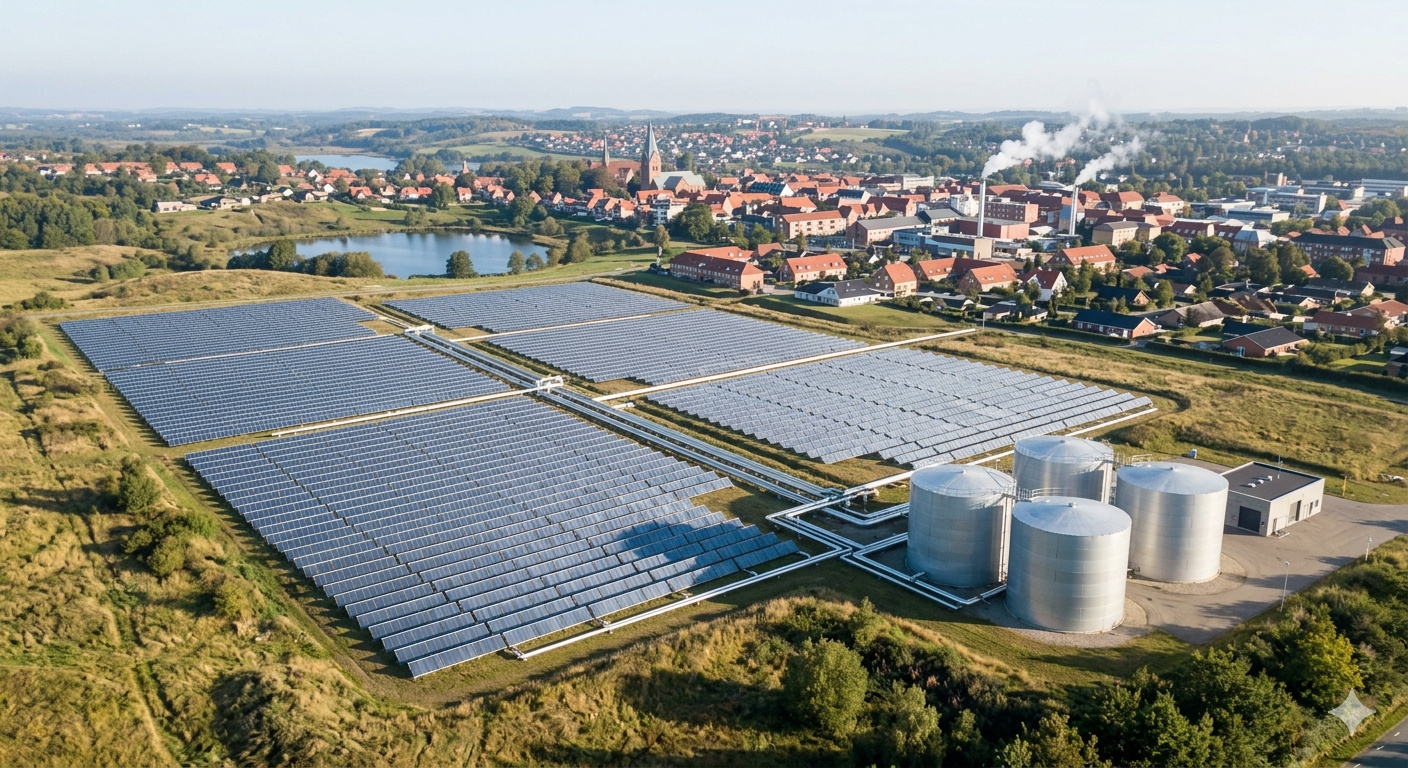
With 160,000 m² of collectors, an area larger than 20 football fields, Silkeborg, in Denmark, hosts a solar thermal plant that heats 19,500 homes and could become the largest solar heating plant in the world.
-
A study reveals the expansion of renewable energy procurement in Brazil and shows how companies are taking advantage of opportunities to reduce expenses, ensure energy efficiency, and strengthen strategic environmental commitments.


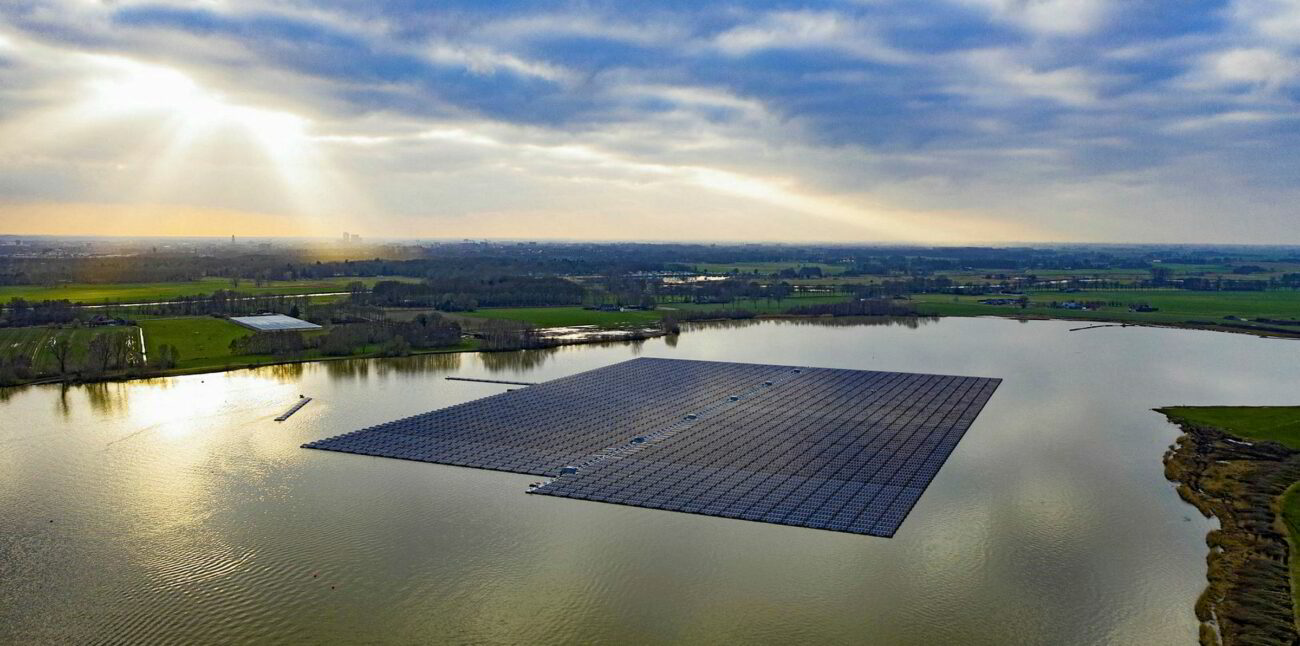
The implementation of floating solar energy is expected to continue growing in the coming years. Experts believe it will become the third pillar of solar energy, behind only rooftop and ground-mounted solar energy.
In 2018, a study conducted in Europe and Asia by the institute Ciel & Terre International showed that floating solar energy produces a total of 14% more energy than panels on rooftops and on the ground. The study also highlighted that the use of this type of technology reduces water evaporation by up to 70%.
Brazil Already Has a Floating Plant
In Brazil, the technology is already being used. It is located at Fazenda Figueiredo das Lages, in the municipality of Cristalina, Goiás. The solar panels are installed on an artificial lake, which is fed by rainwater. The farm has installed a total of 1,150 photovoltaic panels.
Today, the largest project is in South Korea, in the plains maintained behind a dam. The floating solar panel project is expected to cost a total of US$ 4 billion, which should become operational in 2025.










Seja o primeiro a reagir!